Music and Cultural Identity: How Musical Genres Reflect and Shape Communities
The Role of Music in Cultural Identity
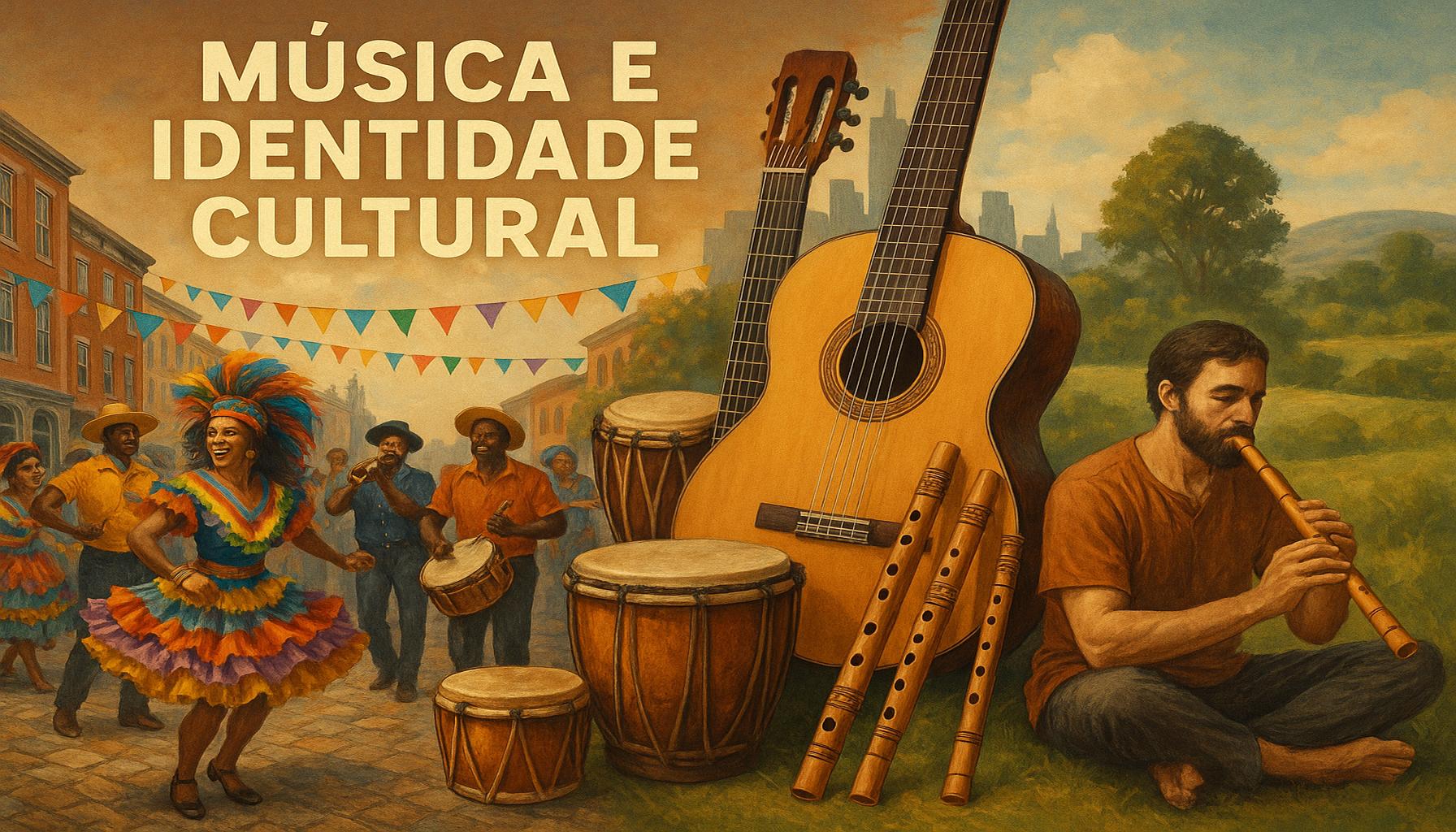
Music is a profound reflection of individual and group identities, serving as more than mere entertainment. It functions as a powerful tool for expressing and shaping cultural identity, influencing how communities are perceived and how they perceive themselves. In the United States, the tapestry of musical genres tells the rich and varied stories of its diverse populations, illustrating their histories, struggles, and triumphs.
For instance, the blues, which emerged from African American communities in the Deep South, encapsulates deep emotional expressions rooted in themes of hardship and resilience. This genre often intertwines personal narratives with broader social issues, highlighting everyday struggles while demanding recognition and respect for the African American experience. Artists such as B.B. King and Muddy Waters not only entertained but also raised awareness about racial injustices, laying the groundwork for future genres that would engage with civil rights issues.
Equally, country music offers insight into the lives of people from rural areas, pioneering a unique perspective on American life. Icons like Johnny Cash and Dolly Parton have used this genre to tell stories that reflect the challenges and joys of working-class life, love, and loss. The narratives conveyed through country music often evoke nostalgia while illuminating the cultural values that shape community life in the heartland.
Music as a Catalyst for Social Change
Genres such as hip-hop have emerged as transformative voices within American culture, often serving as a platform for social justice. Originating in the late 1970s, hip-hop has become a medium through which issues like police brutality, systemic racism, and economic inequality are voiced. Artists such as Kendrick Lamar and Public Enemy leverage their music to spark conversations about social injustices, mobilizing audiences to engage in activism. The genre continues to evolve, blending elements of poetry and performance to reflect contemporary societal dynamics.
Tradition Meets Innovation
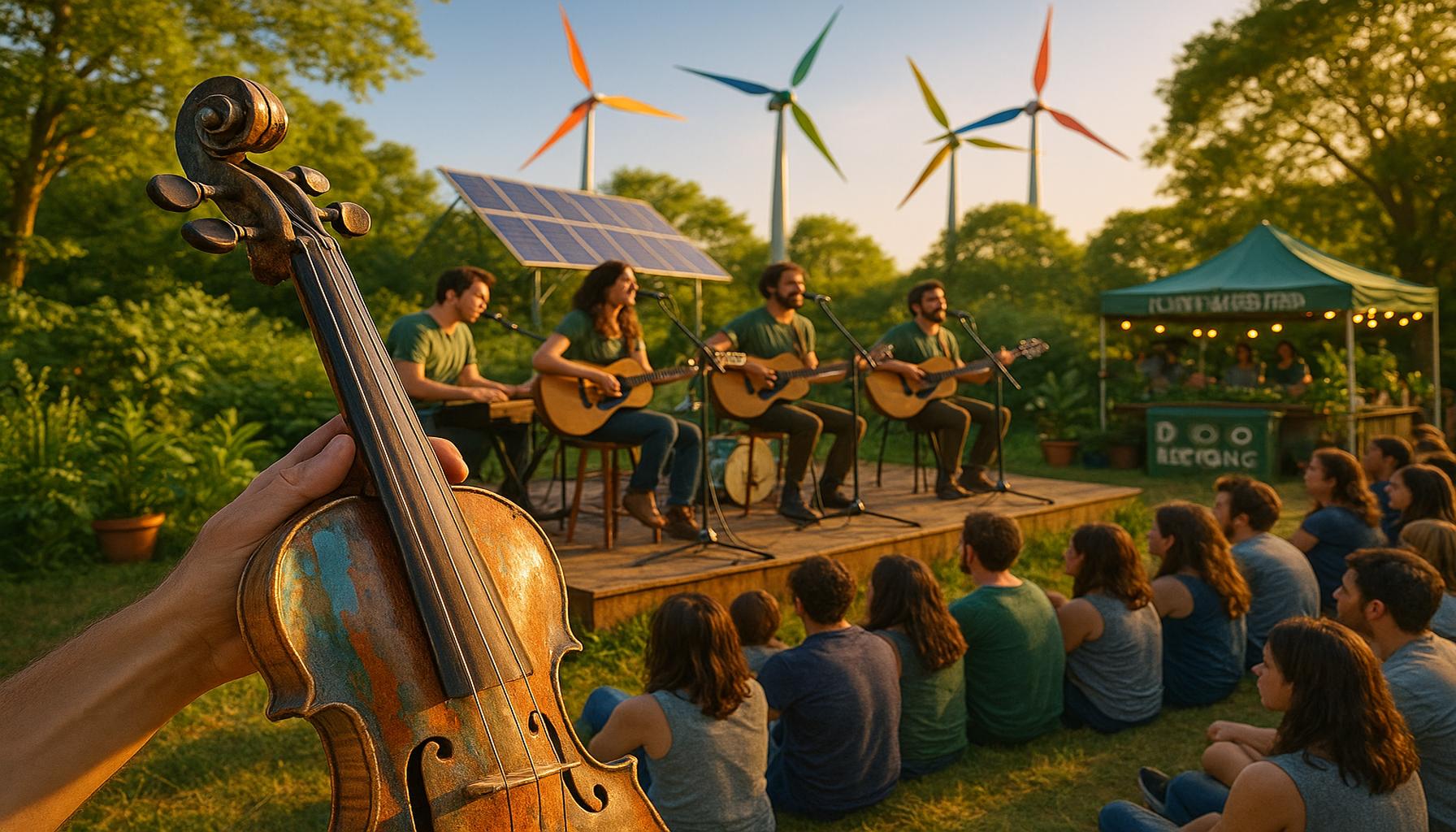
Another critical aspect of music and cultural identity lies in its dual role of honoring traditions while embracing innovation. Folk music, for instance, is a living tradition that evolves as cultural influences shift. Contemporary folk artists often blend traditional sounds with modern instrumentation or technology, creating new sounds that resonate with today’s audiences. This fusion not only preserves cultural heritage but also revitalizes it, allowing for ongoing reflection and reinterpretation.
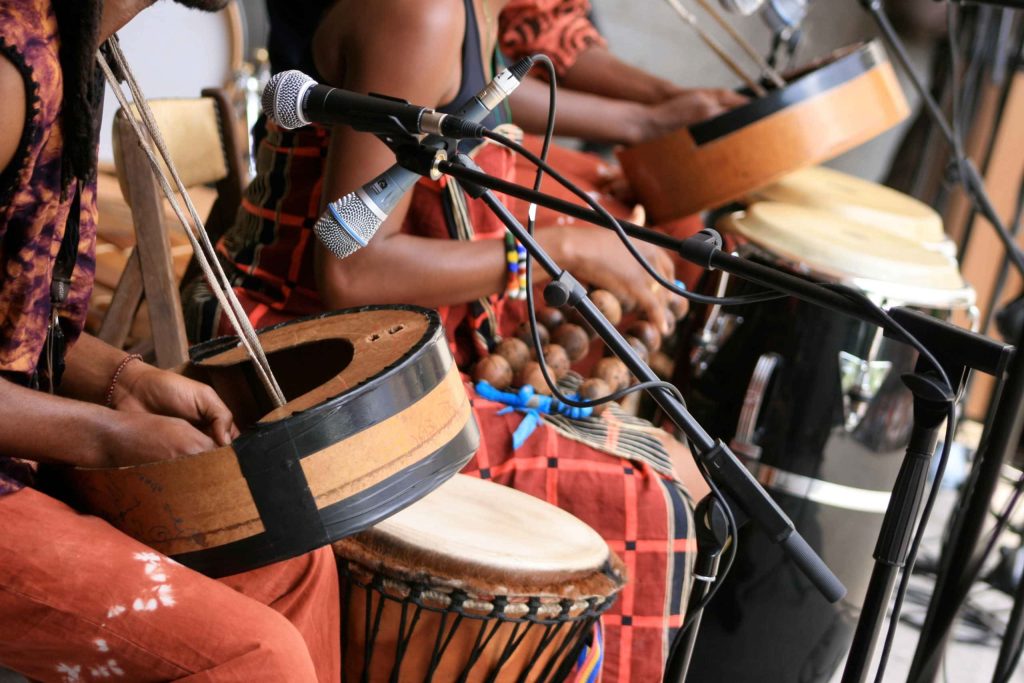
Examining the music scene reveals a vibrant tapestry where artists and audiences engage with their cultural backgrounds to forge a sense of belonging. Appreciating how music serves not only as a reflection of cultural identity but also as a means of fostering change can deepen our understanding of its impact on society. By engaging with these themes, listeners can uncover the rich stories that resonate within various genres, further highlighting music’s unique ability to unite and define communities across the United States.
DISCOVER MORE: Click here to get inspired by sustainable crafting projects
Musical Genres as Cultural Signifiers
Musical genres serve as cultural signifiers, encapsulating the beliefs, values, and experiences of distinct communities. Each genre possesses its own unique history and sound, which reflects the social and cultural contexts from which it emerges. In this way, music acts as a powerful narrative device that not only captures the essence of a community’s identity but also offers insight into the collective psyche of its members.
For example, reggae music, born out of Jamaica, is deeply intertwined with themes of peace, love, and resistance against oppression. Artists like Bob Marley brought global attention to issues such as poverty and human rights, infusing their music with messages of social justice. Reggae’s rhythmic beats and political undertones resonate with listeners, creating a sense of unity and belonging among those who share similar struggles and aspirations. The genre has transcended geographic boundaries, influencing movements worldwide and showcasing music’s capability to create solidarity.
The Crossroads of Culture and Identity
The intersection of culture and identity is vividly illustrated through genres like Tejano and Latin music, which have gained significant traction in the United States. Rooted in Mexican-American communities, Tejano music incorporates elements of conjunto, polka, and rock, reflecting a blend of cultural influences. Artists such as Selena Quintanilla not only celebrated Mexican heritage but also paved the way for Latin culture within the mainstream music industry. This fusion emphasizes the freedom of artistic expression while concurrently affirming cultural identity.
Similarly, the popularity of K-pop within America underscores the global phenomenon of cultural exchange through music. K-pop groups like BTS and BLACKPINK have captivated international audiences, proving that music can transcend language barriers and create a shared experience among diverse groups. Their unique blend of catchy melodies, elaborate performances, and engagement with social issues highlights how music can serve as a bridge, connecting individuals from various backgrounds and fostering a sense of global community.
Genres as Instruments of Resistance
Throughout history, musical genres have also emerged as instruments of resistance, providing marginalized communities a voice to combat oppression. Choirs and gospel music, especially within African American churches, have long been a source of hope and resilience. Songs like “We Shall Overcome” became anthems during the Civil Rights Movement, unifying individuals in their fight against systemic racism. This tradition of using music as a tool for change reinforces the crucial role that cultural expression plays in shaping identity and advocating for justice.
As we explore various genres, it becomes evident that the relationship between music and cultural identity is dynamic and evolving. Listeners are invited to delve deeper into these genres, identifying the narratives woven into the rhythms and melodies. By understanding how music reflects the complexities of experience, we can appreciate its relevance in carving out a collective identity that celebrates diversity and encourages empowerment.
Exploring the Interplay of Music and Identity
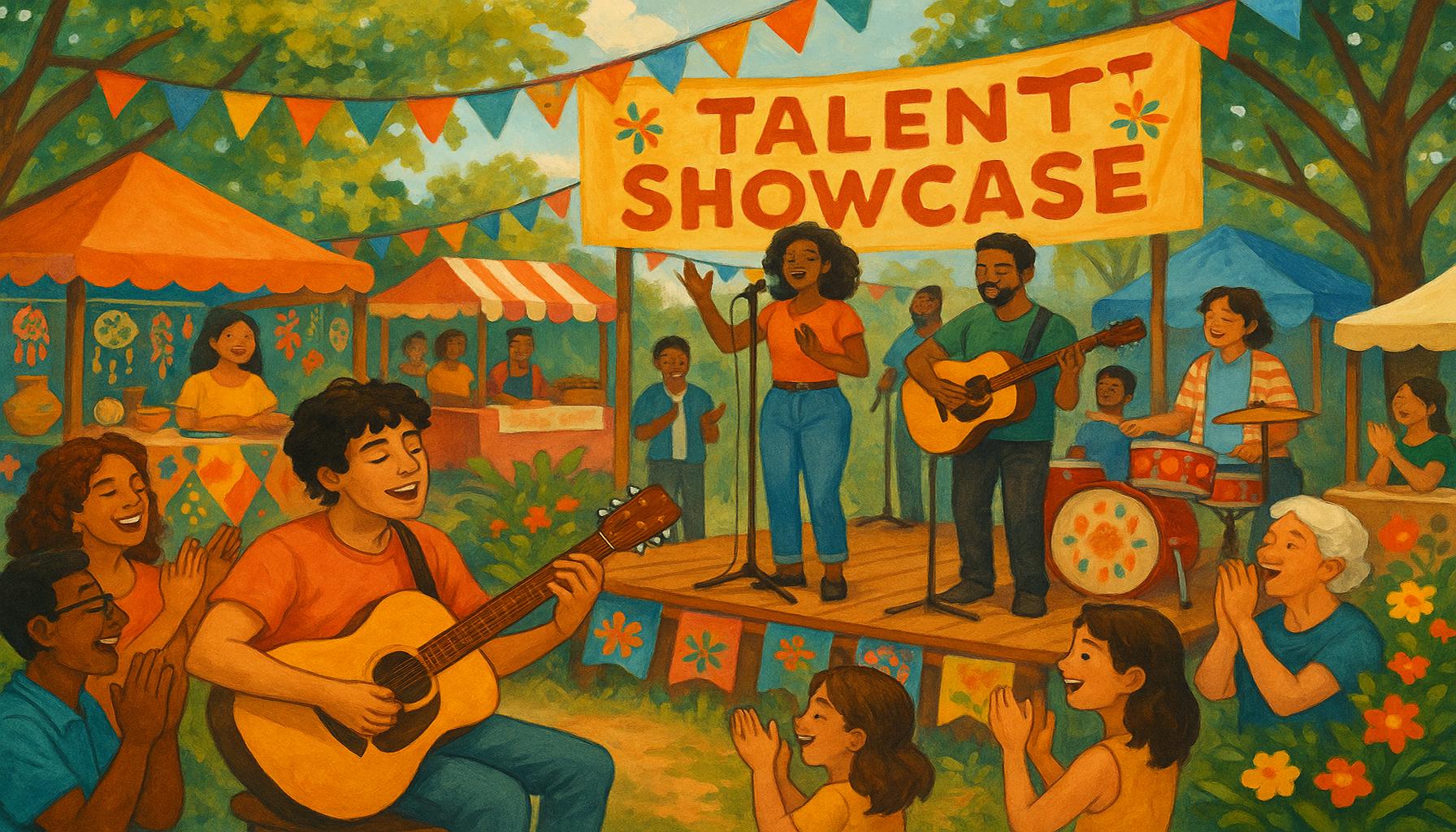
Music serves as a powerful medium through which cultural identities are expressed and shaped. Different musical genres often reflect the unique historical, social, and political contexts of the communities they emerge from. For instance, genres such as reggae, blues, and hip-hop not only entertain but also articulate the struggles and triumphs of specific communities, offering listeners a canvas upon which they can paint their own narratives. Reggae music, with its roots in Jamaican culture, encapsulates themes of love, resistance, and social justice. It is a genre that boldly expresses cultural pride while addressing issues like poverty and oppression, making it a soundtrack for activism. Similarly, hip-hop emerges from urban environments, speaking to the realities of marginalized youth. Its rhythms and rhymes are a call to recognize systemic inequalities, and serve as a form of storytelling that fosters community solidarity.Musical genres are more than just sounds; they are cultural artifacts that carry the weight of history. Consider the way traditional folk music reverberates through generations, preserving cultural narratives and heritage. In contrast, contemporary genres, like K-pop or Afrobeats, showcase how globalization has influenced cultural identities, creating hybrid identities that reflect a blend of traditions and modern influences.Furthermore, the communal aspects of music—be it through local concerts, dance halls, or festivals—facilitate social interaction and cohesion. When individuals gather to share in music, they are not just partaking in entertainment; they are engaging in a collective identity-building experience. This sense of belonging can strengthen local cultures and foster deeper connections among community members.As you delve deeper into the relationship between music and cultural identity, you’ll uncover how various genres not only mirror community values but also actively shape them. Understanding this dynamic encourages appreciation for diversity and fosters an environment where different cultural narratives can coexist and thrive.
| Cultural Genres | Impact on Community Identity |
|---|---|
| Reggae | Articulates themes of resistance and social justice, reflecting Jamaican cultural pride. |
| Hip-Hop | Engages marginalized voices, addressing systemic inequalities while building community identity. |
| Folk Music | Presents historical narratives, preserving cultural heritage across generations through storytelling. |
| K-Pop/Afrobeats | Reflects globalization’s impact, showcasing hybrid identities that blend traditional and modern cultural elements. |
DIVE DEEPER: Click here to discover more
The Evolution of Music in Shaping Identity
The emergence of hip-hop as a distinct genre illustrates the transformative power of music in shaping cultural identity, particularly within African American communities. Originating in the Bronx during the late 1970s, hip-hop has evolved into a global phenomenon, encompassing rap, DJing, breakdancing, and graffiti art. Artists like Grandmaster Flash, Run-D.M.C., and later, Tupac Shakur and The Notorious B.I.G., utilized their platforms to narrate their lived experiences, shedding light on the hardships faced by their communities. This genre not only provides a voice for the marginalized but also fosters a strong sense of belonging among its fans, who often resonate deeply with the themes of struggle, perseverance, and resilience.
The lyrics of hip-hop music often tackle issues such as systemic inequality, police brutality, and poverty, allowing artists to engage in social commentary. For instance, tracks like “Fight the Power” by Public Enemy serve as rallying cries for social justice, inviting listeners to reflect on their circumstances and motivating them to challenge the status quo. The audacity of hip-hop, driven by rhythm and verse, underscores how this genre reflects the socio-political landscape while actively shaping cultural identity.
Music’s Role in the Global Diaspora
As globalization intensifies, the interaction between musical genres and cultural identity becomes even more complex, particularly in immigrant communities. The Bhangra movement, which blends traditional Punjabi folk music with Western pop and hip-hop elements, exemplifies how music can serve as a bridge between cultures. Emerging in the UK during the 1980s, Bhangra not only celebrates South Asian heritage but also embodies the experience of cultural hybridity faced by the diaspora. This cross-pollination of genres articulates the multifaceted identities that individuals navigate as they balance their heritage and contemporary influences.
Moreover, the rise of music streaming platforms has facilitated the emergence of Afrobeats in the United States, showcasing its vibrant rhythms and infectious melodies. Artists like Burna Boy and Wizkid are not only garnering critical acclaim but are also shaping cultural perceptions of African music within the American mainstream. The wide reach of these artists invites listeners to engage with African cultures, effectively broadening their understanding of global musical landscapes and highlighting the intricate connections between music and cultural identity.
Traditional Music in a Modern Context
The preservation of traditional music genres, such as bluegrass and folk, further exemplifies how music can anchor cultural identity in an era dominated by rapid change. Bluegrass, with its roots in Appalachian traditions, tells the stories of rural life and the struggles of everyday people. Festivals dedicated to bluegrass music not only celebrate the genre but also strengthen community bonds, allowing individuals to connect with their heritage and with one another. This dynamic showcases how music can be a refuge for cultural practices and values, providing continuity amid societal shifts.
As these genres evolve, they remain throughline threads to the past while embracing innovation, demonstrating that music is a living expression of cultural identity. Researchers and musicologists continue to explore the intricate relationship between specific genres and their communities, revealing the ongoing significance of music as a medium of understanding and preserving identity
DIVE DEEPER: Click here to discover more
Conclusion: The Resonance of Musical Expression
In exploring the profound connection between music and cultural identity, it becomes evident that musical genres serve not only as artistic outlets but as vital reflections of community values, experiences, and aspirations. From the dynamic rhythms of hip-hop to the vibrant beats of Afrobeats and the heartfelt strums of bluegrass, these diverse genres encapsulate the narratives of their respective communities, often leading to collective empowerment and advocacy.
As demonstrated, music acts as a cultural bridge, especially in diasporic contexts, where the blending of traditional and contemporary elements fosters a richer understanding of identity. The case of the Bhangra movement highlights how musical evolution can provide a space for cultural dialogue, allowing individuals to navigate their multifaceted identities with confidence and pride. Moreover, the preservation of traditional genres emphasizes the importance of grounding cultural identity in historical contexts, even as society evolves.
Ultimately, the ongoing interplay between music and cultural identity invites further exploration into how these genres can shape societal structures and influence individual perceptions. As listeners engage with diverse musical landscapes, they not only learn about different cultures but also participate in a global conversation about identity, belonging, and resistance. This journey of discovering new sounds and stories enriches our collective human experience, encouraging a future where music continues to be a unifying force, celebrating the intricate tapestry of our shared identities.