Multifunctional Spaces: How to Create Versatile Environments with Minimalism
The Importance of Multifunctional Spaces in Urban Living
As urban populations continue to swell, especially in bustling Nigerian cities like Lagos and Abuja, the necessity for multifunctional spaces has become more vital than ever. This need reflects a broader trend toward minimalism—not just a fashionable design choice, but a pragmatic approach to living in environments where space may be at a premium. The integration of style and utility can significantly enhance the quality of life for those navigating the challenges of urban dwelling.
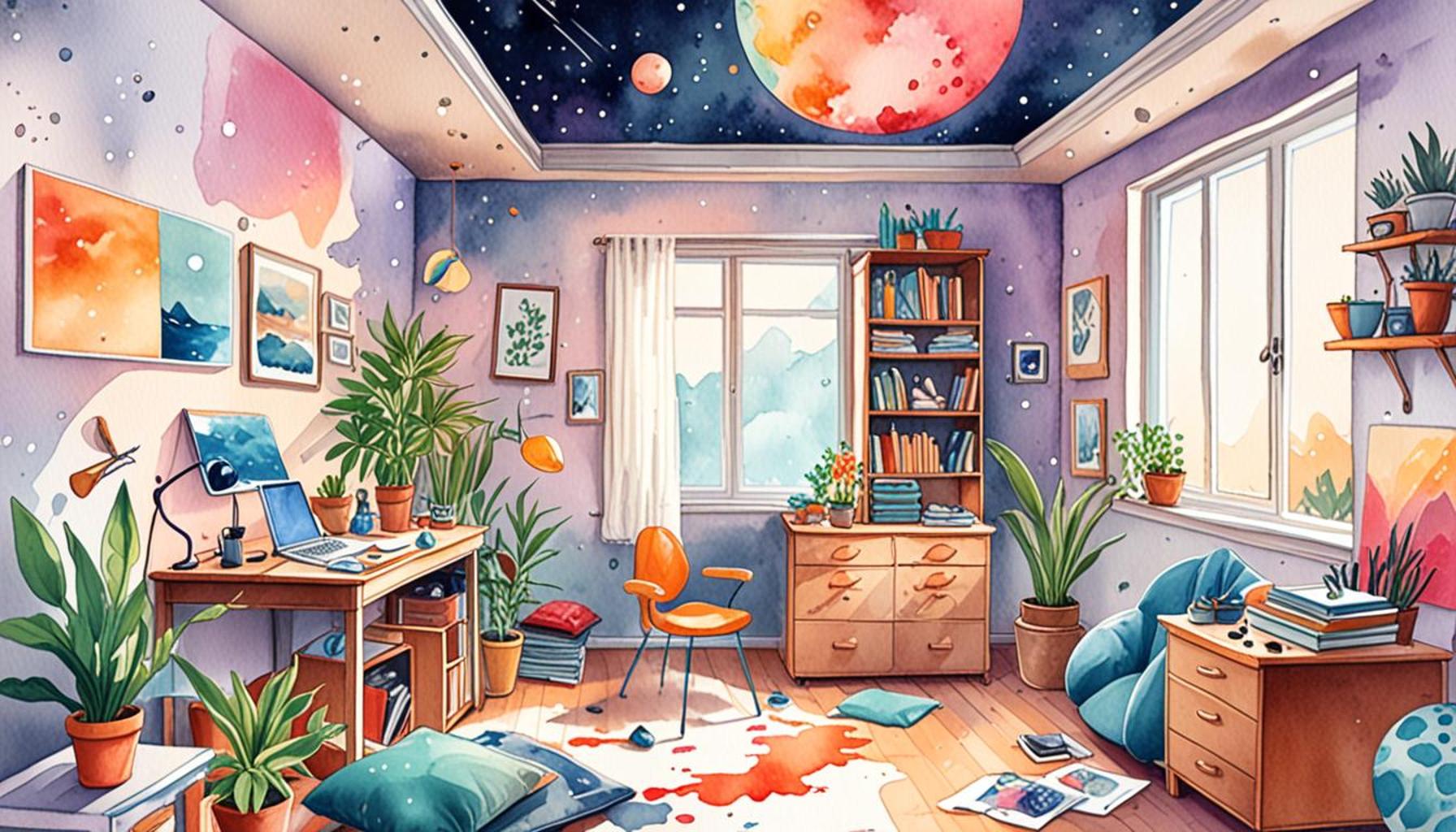
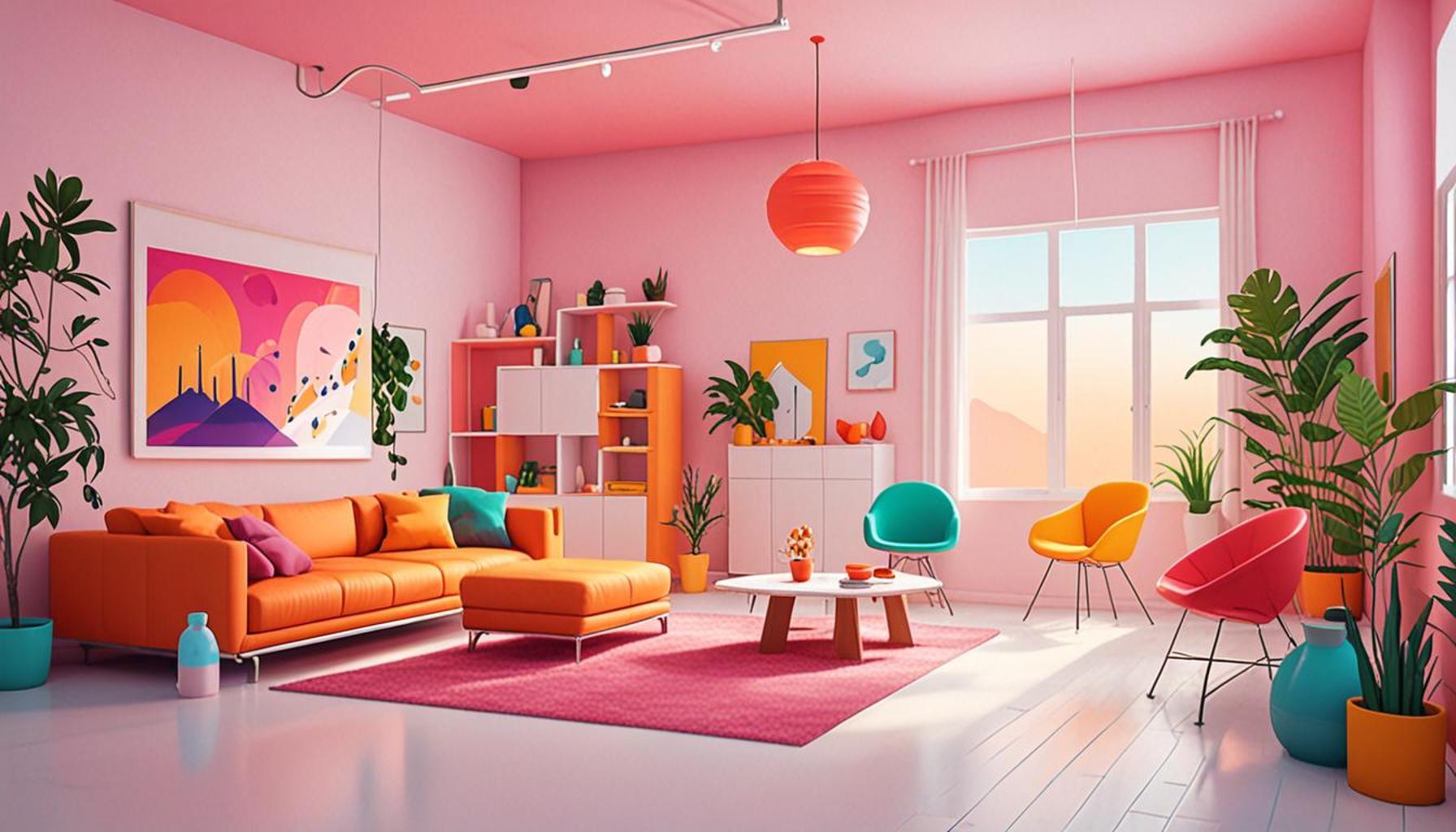
Consider the adaptability of a small living room, which can be creatively turned into a versatile space that accommodates various activities:
- A cozy lounge for family gatherings, complete with a comfortable sofa that can double as a sleeping area for guests.
- A productive workspace tailored for remote work, featuring a compact desk and comfortable chair that blends seamlessly with the overall decor.
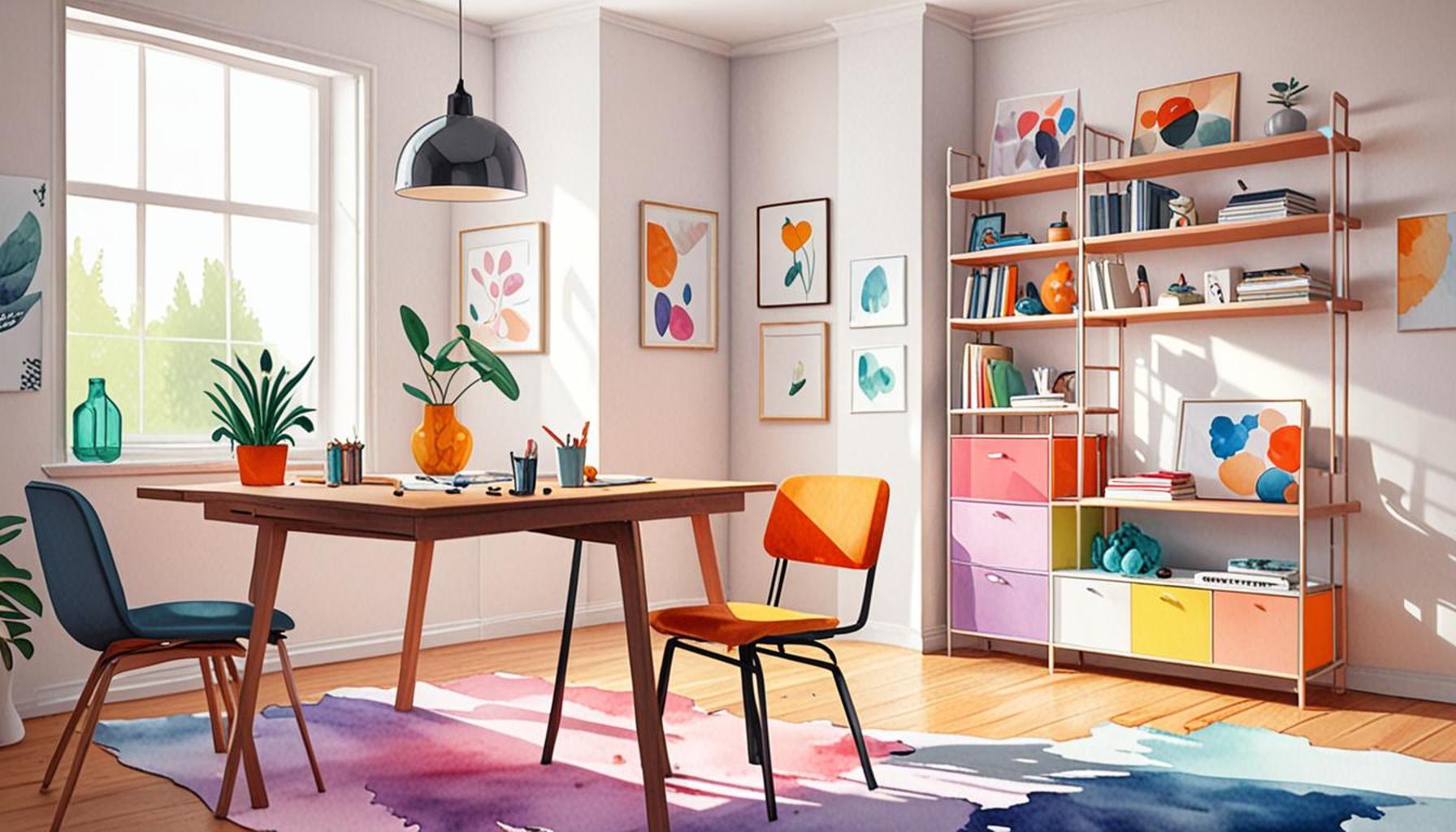
- A makeshift dining area for entertaining friends, utilizing extendable dining tables or multifunctional furniture that can easily transform to meet specific needs.
In urban Nigeria, where many households may be limited to a single room, the ability to utilize space effectively is crucial. Embracing minimalist principles offers numerous benefits:
- Enhanced functionality allows for areas to serve multiple purposes without the need for excess furnishings.
- A clutter-free environment not only looks aesthetically pleasing but also contributes to better mental health by creating a peaceful oasis amidst the urban hustle.
- Improved mental well-being arises from organized spaces where each item has its place, contributing to a sense of control and order.
Several strategies can be employed to create these versatile environments. For instance, choosing furniture that offers storage solutions—such as ottomans with hidden compartments or beds with drawers—can help keep living areas tidy. Additionally, selecting a neutral color palette can make spaces appear larger and allow for easy blending of different functionalities without overwhelming the senses.
Innovative layouts, such as using room dividers or curtains, can also delineate spaces without creating permanent barriers, allowing for a swift reconfiguration based on current needs. By prioritizing these elements, individuals can craft an adaptable living space that aligns with their lifestyle, demonstrating that simplicity can coexist harmoniously with modern conveniences.
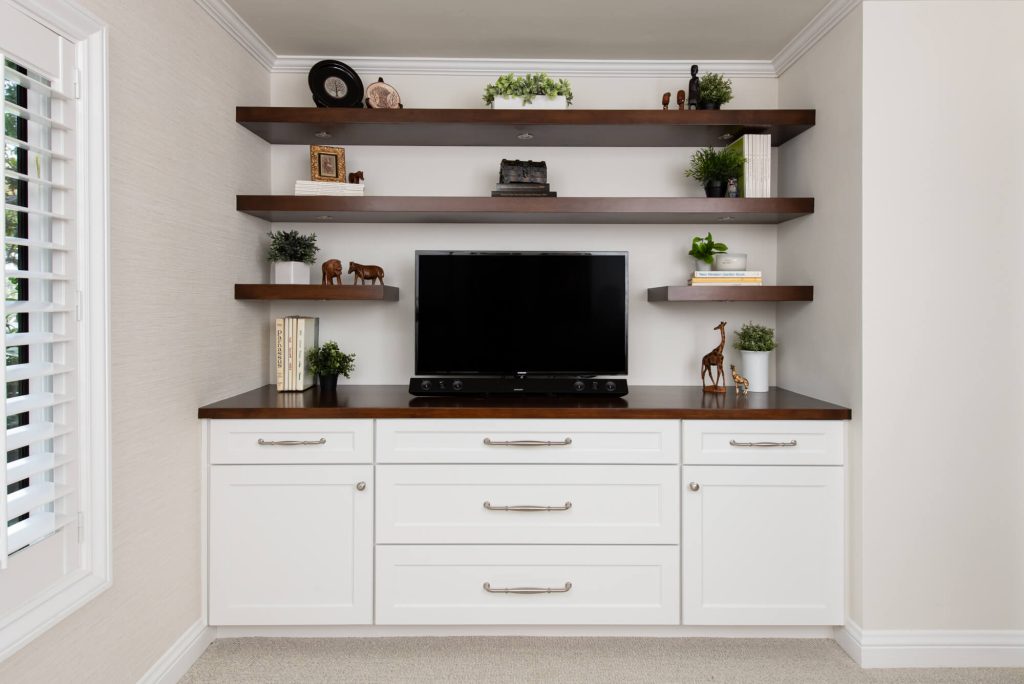
As we delve deeper into the world of minimalism and multifunctionality, it beckons us to rethink how we inhabit and interact with our spaces. The journey to a more efficient living environment ultimately leads to a more fulfilling urban experience, making every square meter count in the heart of Nigeria’s dynamic cities.
YOU MAY ALSO LIKE: Read read another article
Innovative Strategies for Designing Multifunctional Spaces
Creating multifunctional spaces requires a thoughtful approach that balances practicality with aesthetic appeal. In Nigeria’s fast-paced urban settings, homeowners are increasingly recognizing the necessity of designing their interiors to adapt seamlessly to various uses. The essence of multifunctionality lies in choosing furnishings and layouts that allow one space to serve multiple purposes. This approach not only saves valuable square footage but also enhances the overall ambiance of a home. Below are key strategies to consider when crafting versatile environments:
- Smart Furniture Selection: Invest in furniture pieces that can be transformed or reconfigured to suit different activities. Look for items like sofa beds or dinette sets that can easily expand or contract based on the number of users. Brands that specialize in multifunctional furniture offer solutions tailored for urban living.
- Flexible Room Layouts: When planning your space, consider layouts that allow for easy transitions. Modular furniture can be rearranged to create open areas for social gatherings or intimate settings for quiet work. Using rugs to delineate areas can help differentiate between functionalities without the need for permanent partitions.
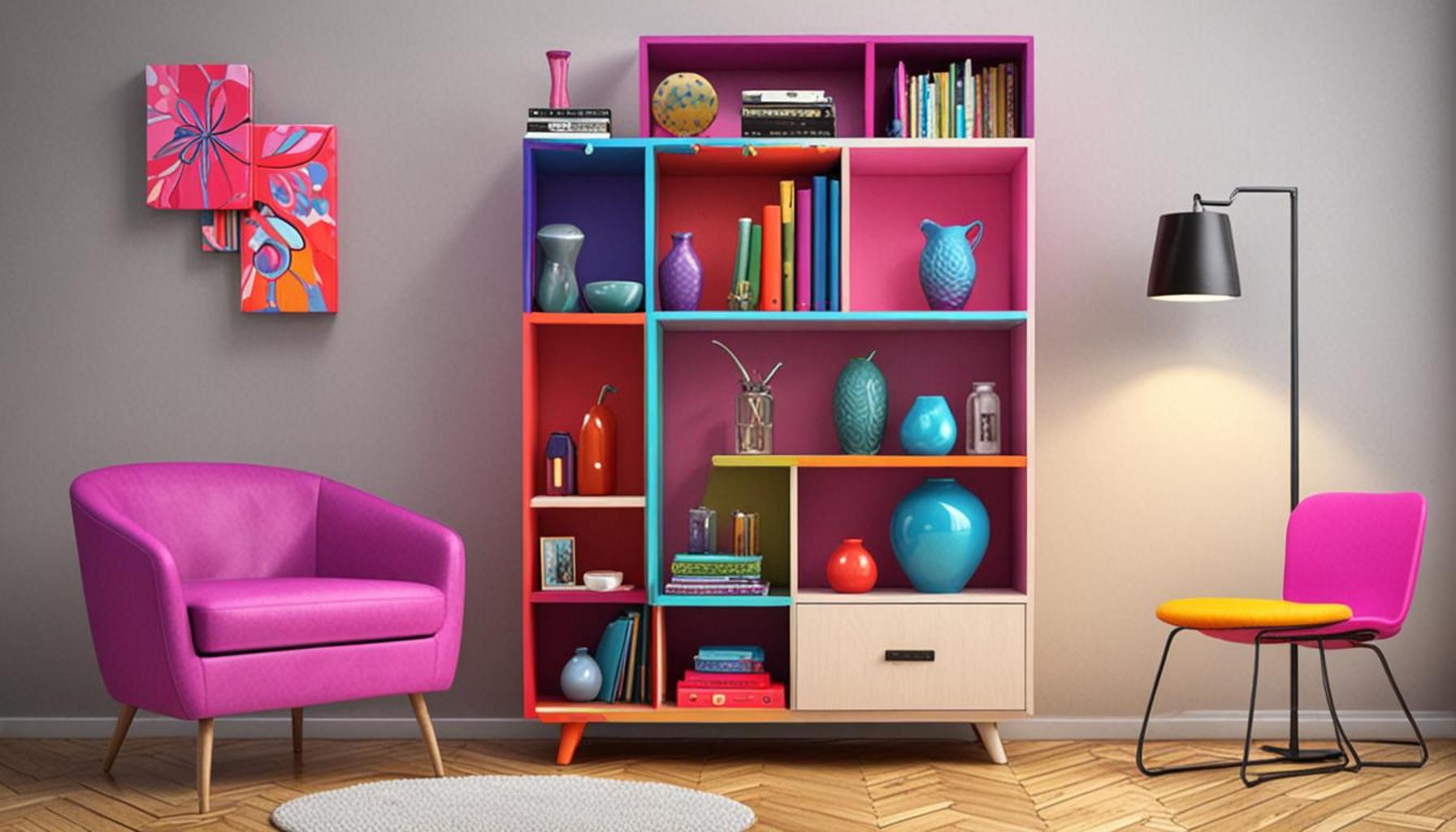
- Maximizing Vertical Space: In urban homes where floor space is limited, utilize vertical storage solutions. Wall-mounted shelves and hanging storage can free up floor space while providing ample room for books, decor, and essentials. Incorporating tall cabinets can also add refined elegance, as they draw the eye upward and make rooms feel larger.
- Incorporating Multi-Use Accessories: Accessories can be powerful tools in a multifunctional space. For instance, decorative bins can serve as both storage for clutter and stylish decor. Choose pieces that serve dual purposes—such as coffee tables with built-in storage or side tables that can double as additional seating in larger gatherings.
Beyond individual elements, color schemes play a pivotal role in creating harmony within multifunctional spaces. A neutral color palette can unify diverse activities and furniture styles, making transition between uses feel seamless. Light colors can enhance the spaciousness of a room, while strategically placed mirrors can amplify natural light, further connecting the various functions of the space.
Furthermore, incorporating natural elements, such as plants, can provide both aesthetic beauty and a degree of tranquility. Indoor greenery not only purifies the air but sets a serene tone that balances different activities—be it relaxation, work, or social interaction.
As the demand for multifunctional living continues to grow, individuals are encouraged to reflect on how their spaces can be reimagined. Embracing a minimalist mindset does not equate to sacrificing style; rather, it invites an exploration of creativity within limitations. Every choice made in crafting a multifunctional environment brings you one step closer to realizing a lifestyle that is both efficient and fulfilling, particularly in Nigeria’s vibrant urban landscape.
Creating multifunctional spaces is an art that combines functionality with minimalism, allowing homeowners and professionals alike to maximize their environments without unnecessary clutter. In today’s fast-paced world, the need for adaptable and versatile spaces has grown significantly.One essential principle of minimalism is the concept of decluttering. By removing excess items that do not serve a meaningful purpose, you can create an atmosphere that fosters creativity and tranquility. The focus should be on selecting key pieces of furniture that serve multiple functions. For example, a sofa bed can easily transform from a comfortable seating area during the day to a cozy sleeping space at night, effectively catering to both relaxation and rest.Moreover, employing furniture with built-in storage solutions can cleverly hide away items while still maintaining a sleek appearance. Coffee tables with drawers or ottomans that open up for storage can drastically reduce visual chaos in a room. This functionality supports the minimalist approach by ensuring everything has its place, supporting organization and efficiency.Incorporating natural light is another critical factor in multifunctional spaces. Strategically designed windows, mirrors, and light colors can make any space feel larger and more open. A well-lit environment not only enhances mood but also provides the flexibility to engage in various activities throughout the day without feeling confined.Additionally, the use of versatile decor that can easily adjust to different functions, such as modular shelving or movable partitions, can redefine spatial uses. This allows for a seamless transition between areas whether you are entertaining guests, working, or practicing yoga.Remember, the goal of minimalist multifunctional spaces is to create a refined balance between functionality and aesthetics. This approach not only enriches day-to-day living experiences but also promotes sustainable living by minimizing waste and maximizing space utility.To illustrate these concepts further, consider the following table showcasing the advantages of implementing these principles in your environment:
| Advantages | Key Features |
|---|---|
| Space Efficiency | Maximizing usable areas while minimizing clutter. |
| Enhanced Flexibility | Well-designed spaces can adapt to different needs over time. |
Embracing these strategies will allow you to create environments that are not only visually appealing but also practical and conducive to a simplified and fulfilling lifestyle.
SEE ALSO: Click here to read another article
Transforming Urban Living: Embracing Minimalism in Multifunctional Spaces
In Nigeria’s increasingly congested urban centers, the concept of multifunctional spaces extends beyond mere practicality; it embodies a lifestyle that values creativity and adaptability. As more Nigerians seek to optimize their living environments, the emphasis on minimalism resonates deeply, marrying form with function in innovative ways. The pursuit of minimalism encourages individuals to cultivate spaces that serve myriad purposes without overwhelming aesthetics. Here are additional strategies for transforming urban living through multifunctionality:
- Zone Your Space: Delineating areas according to their functions is key in creating a harmonious environment. Use furniture to informally divide larger rooms and provide a sense of intimacy. A strategically placed bookshelf can work double duty as a room divider, maintaining open sightlines while creating a distinct workspace. This zoning creates an organic flow and facilitates effortless transitions between activities such as studying and entertaining guests.
- Creative Use of Lighting: Different activities require different ambiances. By incorporating various lighting options, such as layerable pendant lights or adjustable wall sconces, you can modify the mood of a room at a moment’s notice. For instance, soft, warm lighting can create an inviting atmosphere for a cozy dinner, whereas bright, white LED lights can energize a workspace. Consider utilizing dimmers or smart bulbs that allow for customizable settings to suit your multifunctional needs.
- Transformative Decor: Integrating decor that can change or be easily modified based on seasons or moods is a subtle yet powerful strategy. For example, seasonal accent pillows can breathe new life into a sofa, while interchangeable artworks or wall hangings can refresh an entire wall’s dynamic. This practice allows for personal expression without the clutter that can accompany constant acquisitions.
- Embrace Outdoor Extensions: In regions where space is at a premium, consider maximizing outdoor areas to create multifunctional extensions of your home. Balconies and patios can be outfitted with comfortable seating that transforms into an outdoor dining space, encouraging al fresco gatherings. Incorporating landscaping or pots filled with herbs can provide a culinary aspect to your outdoor environment while enhancing the natural aesthetic.
Additionally, understanding the importance of smart technology in multifunctional spaces cannot be overlooked. Digital assistants can control lighting, temperature, and even music, creating an environment that adapts to the needs of its users. This integration—whether through a central hub or individual smart devices—streamlines various functions into a cohesive, user-friendly experience. Consumers in Nigeria have the opportunity to invest in products that simplify daily life while maintaining a minimal presence.
With the fast pace of urban living and ever-evolving lifestyles, multifunctional spaces are not merely a trend but a necessity. By thoughtfully incorporating versatility into design, individuals can enjoy a lifestyle characterized by balance and efficiency. As the ethos of minimalism continues to take hold, the power to reimagine personal spaces exists within everyone, offering fresh perspectives on how we occupy and interact with our surroundings.
ADDITIONAL INSIGHTS: Expand your understanding here
Reimagining Living: The Future of Multifunctional Spaces
As we navigate the complexities of modern urban life in Nigeria, the concept of multifunctional spaces stands out as a beacon of practicality and innovation. By embracing minimalism, individuals can create environments that are not only aesthetically pleasing but also highly functional. The integration of zoning, intentional decor, adaptable lighting, and the use of outdoor areas allows for a seamless blend of work, relaxation, and socialization within the same space.
The rise of smart technology serves as a game changer in this evolving landscape, empowering residents to easily tailor their environments to fit their ever-changing needs. This technological advancement, coupled with a minimalist philosophy, offers opportunities to enhance our daily experiences, making chores less daunting and leisure time more fulfilling.
A multifaceted approach to design encourages broader thinking about our residential spaces, presenting a challenge to traditional concepts of home. As more Nigerians adopt multifunctional principles, we witness the emergence of creative solutions that reflect personal tastes while remaining frugal. The emphasis on less can indeed mean more, revealing the beauty of simplicity and versatility.
In conclusion, the journey toward cultivating multifunctional spaces is not merely about maximizing limited real estate but about rethinking how we engage with our surroundings. By harnessing the principles of minimalism, we can foster environments that inspire creativity, promote efficiency, and ultimately enhance our quality of life. As we look to the future, it’s clear that the potential within our spaces is limited only by our imagination.