How to Choose Plants According to Your Region’s Climate: Tips for Beginners
Why Climate Matters in Gardening
Understanding your region’s climate is crucial when selecting the right plants. Different areas in the United States experience varied climates, affecting plant growth and overall health. For instance, a plant that thrives in the humid South, like the African Violet, may struggle in the arid deserts of the Southwest where conditions are starkly different. Recognizing these unique characteristics not only enhances your gardening prowess but also ensures a vibrant and sustainable garden.
Key Factors to Consider
When it comes to selecting plants for your garden, there are several key factors to take into account:
- Climate Zone: Begin by identifying your USDA Hardiness Zone. This classification indicates which plants can survive the lowest average temperatures in your area, guiding selections for perennial vegetation. For example, gardeners in Zone 7 can select plants such as boxwood and camellias that withstand cooler winters, whereas those in Zone 10 might grow tropical favorites like hibiscus.
- Sunlight Exposure: Most plants thrive under specific light conditions, ranging from full sun to full shade. Assess how much sunlight your garden receives daily. For instance, sunflowers and lavender flourish in abundant sunlight, while ferns and hostas thrive in shady spots, creating diverse aesthetic options.
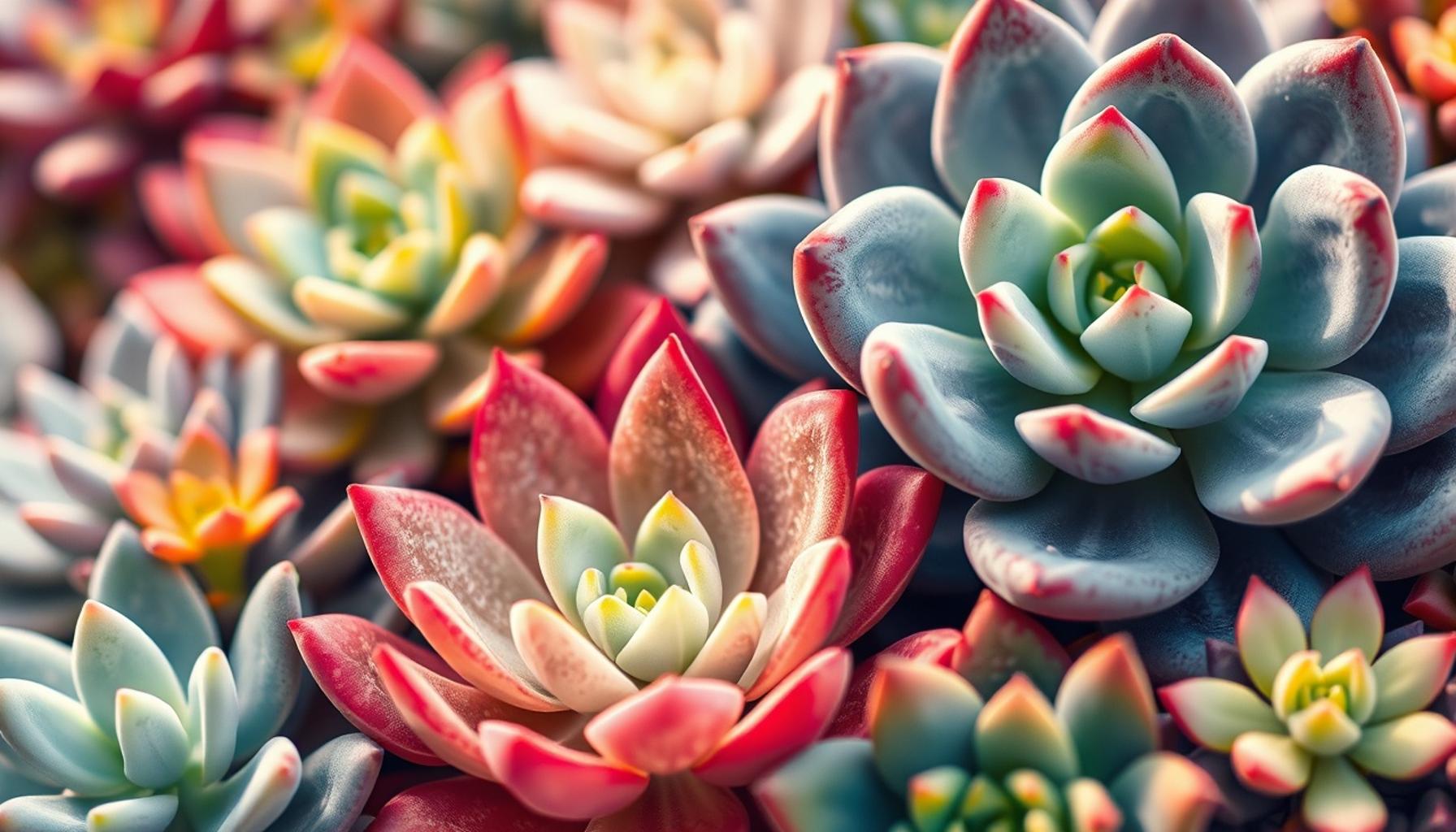
- Water Availability: Your local water supply can significantly influence plant choices. In arid regions, drought-tolerant plants such as succulents and ornamental grasses are essential for sustainable gardening. Conversely, moisture-loving varieties like canna lilies and marsh marigolds can be employed in wetter climates.
Regional Opportunities for Gardening
Each region of the U.S. offers unique opportunities for gardening. The vibrant landscapes of the Pacific Northwest, with its abundant rainfall, are ideal for lush, green gardens filled with a variety of plant life, from colorful flowering perennials to towering conifer trees. In contrast, the Southwest presents challenges with its dry climate but also opportunities for unique xeriscaping, incorporating native plants like agave and desert marigolds that adapt well to such environments.
Connecting with local gardening communities can provide invaluable insights into which plants flourish under your specific conditions. Resources like local extension services and nurseries often have a wealth of information about climate-specific plant choices, pest management, and soil health tailored to your locality. Engaging in such resources not only equips you for success but also fosters connections with fellow gardening enthusiasts.
By aligning your plant selection with your climate, you’ll create a thriving garden that beautifies your space while contributing to the local ecology. Plants adapted to your environment are more likely to survive and thrive, thus offering you a rewarding gardening experience. So, whether you’re ready to explore the colorful perennials of the Northeast or the hardy shrubs of the Midwest, your journey into the world of climate-suited plants is just beginning!
DISCOVER MORE: Click here for tips on starting your own drip irrigation system
Understanding Your Microclimate
Beyond general climate categories, it is critical to delve into the specific microclimate of your garden, as it can significantly affect plant performance. A microclimate refers to the climate of a small, specific area that can differ from the surrounding environment. For example, areas that are sheltered by buildings or trees may be warmer or cooler and feature different humidity levels than more exposed regions.
To determine your microclimate, observe the following elements:
- Elevation: Gardens located at higher elevations may experience cooler temperatures, affecting plant growth cycles. If you live in a hilly region, consider plants that are hardy to cooler climates.
- Wind Exposure: Wind can dry out plants and impact their growth. If your garden is located in a windy area, consider selecting plants that are wind-resistant or can provide some shelter to more delicate species.
- Soil Type: Different soil types retain moisture differently, impacting the types of plants that will thrive. Sandy soils drain quickly and may necessitate plants that are drought-tolerant, while clay soils can retain water, favoring moisture-loving varieties.
- Water Drainage: If your garden receives frequent drainage issues, choosing plants that can withstand wetter roots, such as willow and Japanese iris, will be crucial for their survival. Conversely, plants like lavender and sedum thrive in well-drained environments.
Seasonal Variations and Their Impacts
Many gardeners are familiar with the concept of seasons, but understanding how your specific climate influences seasonal conditions can guide better plant selection. For example, regions with mild winters may allow for a wider array of year-round flowering plants, while those with harsh winters may require resilient perennials and shrubs. In the Midwest, for instance, selecting native plants that are adept at withstanding snow and frost—like echinacea and black-eyed Susan—can create visually appealing spaces that thrive through the seasons.
Additionally, consider local weather patterns, such as rainfall amounts and temperature trends. This information can narrow down your choices, allowing you to pick plants that can withstand the typical annual fluctuations in weather. For example, areas that experience intense summer heat requiring drought-tolerant plants may favor the inclusion of Arizona poppy and purple sage in their landscapes.
As you gain a better understanding of your own growing conditions, tailor your plant selection to emphasize those that naturally align with your climate. This approach not only heightens your gardening success but also strengthens biodiversity in your local ecosystem, ensuring a flourishing garden that is as resilient as it is beautiful.
Understanding Regional Climates for Successful Gardening
When embarking on the garden journey, grasping the nuances of your region’s climate is pivotal. Different climates, from arid deserts to humid subtropics, necessitate tailored plant choices. One essential step is to familiarize yourself with your local USDA Hardiness Zone, which serves as a guideline for selecting plants that will thrive in your area. Consider the temperature extremes your region experiences. Notably, freezing winters can severely affect plant selection, favoring those with hardy traits. In contrast, warmer climates often allow a broader range of tropical plants. Furthermore, examine the rainfall patterns. Regions with higher precipitation can support moisture-loving plants, while drier areas necessitate drought-resistant varieties. Another crucial factor is soil quality. Conducting a soil test can provide insights into pH levels and nutrient content, enabling you to choose plants best suited for your soil type. For instance, sandy soils drain quickly and may not retain water well, while clay soils hold moisture but can become compacted. Below, a table outlines specific categories of plants based on climatic conditions and their advantages to beginners:
| Climate Type | Recommended Plants |
|---|---|
| Tropical | Orchids, Hibiscus, and Ferns |
| Temperate | Roses, Maples, and Lavender |
| Arid | Cacti, Succulents, and Yucca |
As you delve deeper into choosing plants suitable for your region, remember to continually gather knowledge about the specific environmental conditions you will be gardening in. Engaging with local gardeners or extension services can provide invaluable insights into plant performance and care. With the right approach, you can create a thriving garden that aligns perfectly with your regional climate.
DISCOVER MORE: Click here to learn about the best plants for your garden
Choosing the Right Plants for Your Climate Zone
When diving into the world of gardening, it’s essential to familiarize yourself with your region’s hardiness zone. The USDA Plant Hardiness Zone Map, which divides North America into zones based on average annual minimum winter temperatures, provides valuable guidance for selecting plants that will thrive in your specific climate. Understanding your zone can prevent disappointment and wasted effort when trying to cultivate plants not suited for your area.
For example, if you live in Zone 5, you can grow a variety of perennials like peonies and daylilies, which are well-adapted to endure colder temperatures. Conversely, attempting to grow tropical plants such as hibiscus or plumeria in this zone may lead to failure unless they are brought indoors during the cold months. Familiarizing yourself with these guidelines not only streamlines your gardening experience but also enhances the health and lifespan of your plants.
Local Flora and Native Plants
Another essential consideration when choosing plants is the indigenous flora of your region. Native plants are often more adaptable to local conditions and require less maintenance than exotic varieties. They are adapted to the local climate, soil types, and pests, making them resilient choices for beginner gardeners.
For instance, if you’re located in the Southeast U.S., you might select native species such as azaleas or lantana, which thrive in the warmer, humid conditions of the area. These plants not only support local wildlife and pollinators but also enhance the natural beauty of your garden.
Research your local extension services or botanical gardens to discover native plant resources and recommendations, which can provide a diverse array of options for your garden.
Consulting Local Gardening Resources
To refine your plant selection further, don’t underestimate the value of local gardening resources. Nurseries, garden centers, and local gardeners can offer firsthand insights into which plants perform well in your specific area. They can share practical advice based on years of experience and steer you toward varieties that have proven successful in the community.
- Local Gardening Clubs: Joining a gardening club can provide valuable networking opportunities with experienced gardeners who can share their favorite plants for your region.
- Extension Services: Many universities offer extension services that provide research-based recommendations to help you navigate local planting conditions.
- Online Forums and Social Media Groups: Engaging with online communities can expose you to niche horticultural knowledge that’s specific to your region.
Engaging with these sources will empower you and enhance not just your gardening skills, but your connection to the local ecosystem. Remember, the goal of your garden is not only to achieve aesthetic beauty but also to foster a thriving environment for a diverse range of plants and wildlife. By taking the time to understand your region’s climate and utilizing local resources, you set your garden up for long-term success and resilience.
DISCOVER MORE: Click here to learn how to protect your plants
Conclusion: Cultivating Success with Climate-Savvy Selection
In conclusion, choosing plants that align with your region’s climate is a fundamental step for any beginner gardener. By understanding your hardiness zone, you will not only increase the likelihood of your plants thriving but also enhance your gardening experience. Native plants and local flora offer remarkable resilience and low maintenance, becoming a cornerstone of a thriving garden that supports local wildlife and biodiversity.
Furthermore, leveraging local gardening resources—such as extension services, nurseries, and gardening clubs—can provide you with invaluable insights tailored specifically to your environment. Engaging with the gardening community enriches your knowledge base and builds relationships that can serve as support as you embark on your horticultural journey.
Ultimately, gardening is an evolving process that encourages exploration and adaptation. By investing time in understanding your local climate and being mindful of plant selection, you set the stage for a flourishing garden that can bring joy and beauty for years to come. As you dig into this rewarding hobby, remember that each plant you choose not only contributes to your garden’s aesthetic but also reinforces your connection to the vibrant ecosystem around you. So, get inspired and start planting with purpose, knowing that your choices can lead to a successful and sustainable gardening adventure.