
How Solar Exposure Affects Skin Aging and Protection Strategies

Understanding the Impact of Solar Exposure on Skin Aging
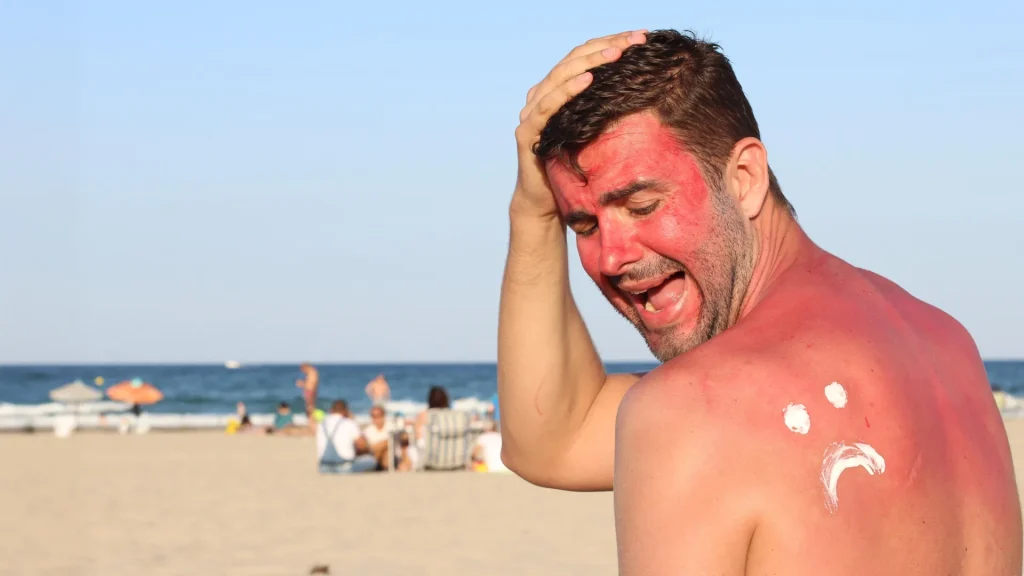
As we bask in the warmth of the sun, it’s easy to forget the hidden consequences of solar exposure on our skin. The effects can be profound, leading to premature aging and serious health concerns. Recognizing the link between sun exposure and skin health is crucial for maintaining a youthful appearance and overall wellness.
Research shows that prolonged exposure to UV rays can result in:
- Wrinkles and Fine Lines: The breakdown of collagen and elastin, the proteins responsible for skin’s firmness and elasticity, accelerates due to UV rays. Studies indicate that individuals who frequently sunbathe can develop these signs of aging as early as their 30s. For example, a person who spends hours by the pool without protection often exhibits crow’s feet or forehead lines earlier than their less sun-exposed peers.
- Age Spots: Also known as liver spots or solar lentigines, these appear as brown or gray marks on sun-exposed skin areas. They typically emerge after years of excessive sun exposure, particularly on the face, hands, and shoulders. People in warmer climates, like Florida or California, may notice these spots becoming increasingly visible as they age.
- Skin Texture Changes: Rough, leathery skin often appears due to sun damage. This change in texture is attributed to the cumulative effects of UV radiation, which influences how skin cells regenerate and repair themselves, leading to a coarse appearance often described as resembling aged leather.
Moreover, the cumulative effects of sunlight can lead to more severe conditions. For instance:
- Skin Cancer: This is the most serious risk associated with UV exposure. The American Cancer Society estimates that one in five Americans will develop skin cancer in their lifetime, with melanoma being one of the deadliest forms. Regular skin checks and prompt medical attention for unusual moles can be lifesaving.
- Photosensitivity: Some individuals may experience heightened reactions to sun exposure, leading to symptoms like rashes or blisters, particularly those with certain skin types or conditions like lupus.
- Immune Suppression: UV rays can weaken the skin’s defenses, allowing infections and skin disorders to thrive. Microbiome disturbances have been linked to excessive sun exposure, highlighting how our skin’s health can influence our overall immunity.
To counteract these alarming effects, effective protection strategies are essential. These may include:
- Using Sunscreen: Regular application of broad-spectrum sunscreen with an SPF of at least 30 can significantly reduce skin damage, even on cloudy days. Dermatologists recommend reapplying every two hours or more frequently if swimming or sweating.
- Wearing Protective Clothing: Incorporating wide-brimmed hats, sunglasses with UV protection, and long-sleeved shirts into your wardrobe acts as a physical barrier against harmful rays. Specialty clothing brands now offer UV-blocking apparel, which can further enhance protection.
- Avoiding Peak Sun Hours: Limiting exposure between 10 AM and 4 PM when UV rays are strongest can minimize risk. This is particularly important for outdoor activities; consider scheduling outings for early mornings or late afternoons.
Understanding how solar exposure affects skin aging is the first step toward better health. By incorporating protective measures into your daily routine, you can help maintain healthy, youthful skin for years to come. It is never too late to start protecting your skin and, in turn, your overall health, making informed choices that can lead to a lifetime of vibrant skin.
DISCOVER MORE: Click here to learn about the effectiveness of natural sunscreens
The Science Behind Skin Aging and UV Damage
Understanding the biology of skin aging reveals the intricate connection between solar exposure and the aging process. The skin, our body’s largest organ, acts as a barrier, continually challenged by external aggressors like ultraviolet (UV) radiation from the sun. When skin cells are exposed to UV radiation, the damage occurs at a cellular level, significantly impacting its appearance and longevity.
UV radiation is divided into three categories: UVA, UVB, and UVC. While UVC is mostly absorbed by the ozone layer and does not reach the Earth’s surface, UVA and UVB rays penetrate deeper into the skin, leading to a range of adverse effects:
- UVA Rays: These rays account for up to 95% of the UV radiation reaching the Earth. They penetrate the skin deeply, causing oxidative stress and leading to the breakdown of collagen and elastin fibers. This process not only promotes the development of wrinkles, but also contributes to skin laxity and a leathery texture over time.
- UVB Rays: Positioned primarily on the skin’s surface, UVB rays are responsible for sunburn and significantly contribute to the cancer risk. They play a crucial role in the development of melanoma and other skin cancers. A strong defense against UVB exposure is essential during outdoor activities, particularly during the summer months.
Furthermore, studies indicate that early intervention is vital in combating these effects. Research published in journals such as the Journal of Investigative Dermatology indicates that chronic sun exposure can lead to changes in skin structure, encouraging pigmentation changes that manifest as those telltale age spots. These findings correlate with extensive data showing that individuals protected from UV exposure through consistent sunscreen use displayed markedly fewer signs of aging, supporting the idea that preventative measures are paramount.
Another lesser-known aspect of solar exposure is its impact on the skin’s natural ability to repair itself. When UV rays penetrate the skin, they initiate inflammatory responses, and over time, this prolonged inflammation can disrupt the normal healing process. As a result, the skin exhibits slower regeneration, which can exacerbate aging effects and reveal a tired, weathered appearance.
Understanding these underlying mechanisms of how the sun accelerates skin aging is essential for anyone hoping to maintain a youthful complexion. With this knowledge, we can utilize effective protection strategies to counter the damaging effects of solar exposure and protect our skin longevity. The next sections of this article will delve deeper into actionable steps to safeguard your skin from harmful UV rays.
Understanding the Impact of UV Rays on Skin Aging
The skin is the body’s largest organ, and its response to solar exposure is critical in the conversation about skin aging. Ultraviolet (UV) rays, classified primarily as UVA and UVB, have varying effects on skin health. UVA rays penetrate deep into the skin, leading to photoaging, characterized by wrinkles and loss of elasticity. Conversely, UVB rays are responsible for sunburns and can cause direct DNA damage in skin cells, contributing to skin cancer. Studies show that approximately 90% of visible skin aging is caused by sun exposure, underscoring the need for effective protection strategies.
Protection Strategies Against Solar Damage
Given the detrimental effects of UV rays, implementing protection strategies becomes essential. Here are several key approaches:
- Daily Sunscreen Use: Applying a broad-spectrum sunscreen with at least SPF 30 can significantly reduce UV damage. It is recommended to use sunscreen daily, regardless of the weather.
- Protective Clothing: Wearing clothing that covers the skin, along with hats and sunglasses, can provide additional layers of defense against harmful UV rays.
- Avoiding Peak Hours: Limiting sun exposure, especially during peak hours from 10 AM to 4 PM, can lessen the risk of skin damage.
- Regular Skin Checks: Monitoring the skin for any changes, such as new moles or spots, is crucial for early detection of potential issues.
These strategies not only help in reducing the risk of premature aging but also play a vital role in preventing skin cancers. Comprehensive awareness of how solar exposure affects the skin and adopting protective measures can contribute significantly to long-term skin health.
| Benefits of Sun Protection | Key Features |
|---|---|
| Prevents Premature Aging | Reduces wrinkles and skin sagging |
| Reduces Skin Cancer Risk | Lessens DNA damage from UV rays |
By expanding knowledge about the effects of solar exposure and exploring comprehensive protection strategies, individuals can foster healthier skin and enhance their overall well-being.
DISCOVER MORE: Click here for the latest trends
Effective Protection Strategies Against Solar-Induced Skin Aging
In light of the damaging effects of solar exposure on skin aging, implementing effective protection strategies is essential for safeguarding your skin’s health. Given that a large segment of the American population enjoys outdoor activities, understanding how to mitigate UV damage becomes increasingly critical.
One of the most vital measures is the consistent use of sunscreen. Many people underestimate its importance, opting for occasional applications or skipping it altogether. Dermatologists recommend using a broad-spectrum sunscreen with an SPF of at least 30, which protects against both UVA and UVB rays. For added efficiency, it’s advisable to apply sunscreen generously and reapply every two hours, or more frequently if swimming or sweating. A common misstep is to believe that cloudy days offer immunity from UV exposure; however, up to 80% of UV rays can penetrate through clouds, making sunscreen a year-round necessity.
Choosing a suitable sunscreen can be as key as using it. The market offers various formulations, including mineral-based options containing zinc oxide or titanium dioxide, which are effective physical blockers of UV rays. Alternatively, chemical sunscreens absorb UV radiation before it penetrates the skin. Always check the ingredients and opt for products with added antioxidants, like vitamin C or green tea extract, which can help neutralize free radicals generated by UV exposure.
In addition to sunscreen, protective clothing serves as an excellent barrier against harmful solar rays. Lightweight, long-sleeved shirts, wide-brimmed hats, and UV-blocking sunglasses can significantly reduce overall skin exposure to UV radiation. The American Academy of Dermatology emphasizes that UPF-rated clothing offers an extra layer of protection and is especially beneficial for individuals spending extended periods outdoors.
Seeking shade during peak sun hours—generally between 10 AM and 4 PM—can further minimize UV exposure. This practical strategy allows for outdoor enjoyment while significantly lowering the risks associated with direct sunlight. Consider planning outdoor activities in the early morning or late afternoon to take advantage of natural shade provided by trees or structures.
Moreover, it is essential to recognize the skin’s need for repair and rejuvenation. Incorporating topical products that facilitate skin healing and regeneration can positively influence the signs of aging. Retinoids, for instance, promote collagen production, enhancing skin texture and tone. Research has shown that using retinoids can effectively reverse signs of photoaging caused by prolonged sun exposure. Similarly, the inclusion of peptides, hyaluronic acid, and antioxidants in daily skincare routines can fortify skin barrier functions and encourage renewal.
Certain lifestyle choices also contribute significantly to skin protection. A balanced diet rich in fruits, vegetables, and healthy fats can enhance skin resilience against UV damage. Foods high in antioxidants, such as berries, nuts, and dark leafy greens, combat oxidative stress from solar exposure, while omega-3 fatty acids help maintain skin hydration and elasticity.
Finally, regular dermatological check-ups are crucial for early detection of any skin anomalies that could lead to severe conditions, including skin cancer. Keeping an eye on changes such as new moles or changes in existing moles can facilitate timely intervention and preventive measures. Overall, adopting a multifaceted approach—combining physical protection, topical treatments, dietary considerations, and regular check-ups—ensures that individuals can effectively shield their skin from the relentless effects of solar exposure, preserving its youthful charm for years to come.
DISCOVER MORE: Click here to learn about botanical extracts
In Conclusion: Prioritizing Skin Health Through Sun Safety
Understanding the impact of solar exposure on skin aging is vital for preserving youthful skin and overall dermatological health. The evidence is clear: prolonged and unprotected exposure to UV radiation accelerates skin aging, leading to wrinkles, fine lines, and other forms of photoaging that can diminish the skin’s appearance and vitality. As sunlight beckons many outdoors, it becomes increasingly essential to adopt comprehensive protection strategies.
The cornerstone of effective sun protection remains the consistent use of broad-spectrum sunscreen, which acts as a formidable barrier against the harmful effects of both UVA and UVB rays. Furthermore, combining sunscreen with protective clothing, seeking shade, and making lifestyle choices, such as maintaining a diet rich in antioxidants, creates a holistic approach to skin wellness. Regular dermatological check-ups can provide valuable insights into any emerging skin conditions, allowing for early detection and preventative care.
It is also crucial to incorporate restorative skincare products, such as retinoids and antioxidants, to aid the skin in recovery and renewal following UV exposure. This dual approach—prevention and repair—ensures that your skin remains resilient against the ravages of time and sunlight. As we embrace outdoor activities, prioritizing sun safety can make a significant difference in promoting healthy, youthful skin for years to come. Empowering oneself with knowledge and actionable strategies is the best defense against the detrimental effects of solar exposure, making informed skincare a necessity in today’s sunlit world.