How Sleep Affects Skin Health and Aging

The Importance of Sleep for Skin Health
Your skin is a mirror reflecting your overall health, showcasing how well you care for yourself internally. Among various lifestyle factors that influence skin complexion, sleep stands out as a vital contributor. Experiencing inadequate rest can manifest visibly on your skin, often leading to an aged, fatigue-ridden appearance. Research has consistently indicated that chronic sleep deprivation has both immediate and long-term adverse effects on skin health, critical for anyone seeking a vibrant complexion.
- Increased Inflammation: A lack of sufficient sleep may trigger an inflammatory response in the body, exacerbating skin conditions such as acne and dermatitis. For instance, studies show that individuals who report inadequate sleep have higher levels of cytokines—proteins that promote inflammation—leading to more pronounced breakouts. This cycle can be particularly troubling for teenagers and young adults battling acne.
- Reduced Skin Barrier Function: Sleep deprivation compromises the skin’s natural barrier, making it more vulnerable to environmental aggressors like pollution and UV light. The detailed repair mechanisms required for recovery during sleep are essential, and without these processes working effectively, skin can become dry, irritated, and more susceptible to damage.
- Accelerated Aging: Insufficient sleep has been linked to premature aging, evidenced by the development of fine lines, wrinkles, and a dull complexion. A study published in the *British Journal of Dermatology* found that lack of sleep correlates with decreased skin elasticity and increased signs of aging, underlining the importance of a good night’s rest as a fountain of youth.
Moreover, during the deep stages of sleep, your body engages in critical reparative processes that rejuvenate your skin. This is the stage where collagen production peaks, significantly promoting skin’s elasticity and reducing sagging. In contrast, poor sleep quality disrupts these vital processes, accelerating the aging of your skin and leaving it looking tired and worn.
Understanding the profound impact of sleep on skin health equips individuals with the knowledge to make better lifestyle choices. By prioritizing rest, you can significantly enhance your skin’s appearance and promote an overall sense of well-being. As you delve deeper into the intricate relationship between sleep and skin health, you’ll find valuable insights that could lead to discovering the secret to a more youthful and radiant complexion. Consider adopting consistent sleep habits and creating an environment conducive to rest—your skin will undoubtedly thank you.
DISCOVER MORE: Click here to learn about effective natural ingredients
The Science Behind Sleep and Skin Renewal
The correlation between sleep and skin health is not just anecdotal; it is well-supported by scientific evidence. During the night, our bodies engage in a multitude of essential functions that contribute to maintaining skin vitality. One key element is the production of collagen, a critical protein that helps maintain skin structure and elasticity. According to the *American Academy of Dermatology*, sleep plays a significant role in facilitating collagen synthesis, and disruptions can hinder this process, accelerating visible signs of aging.
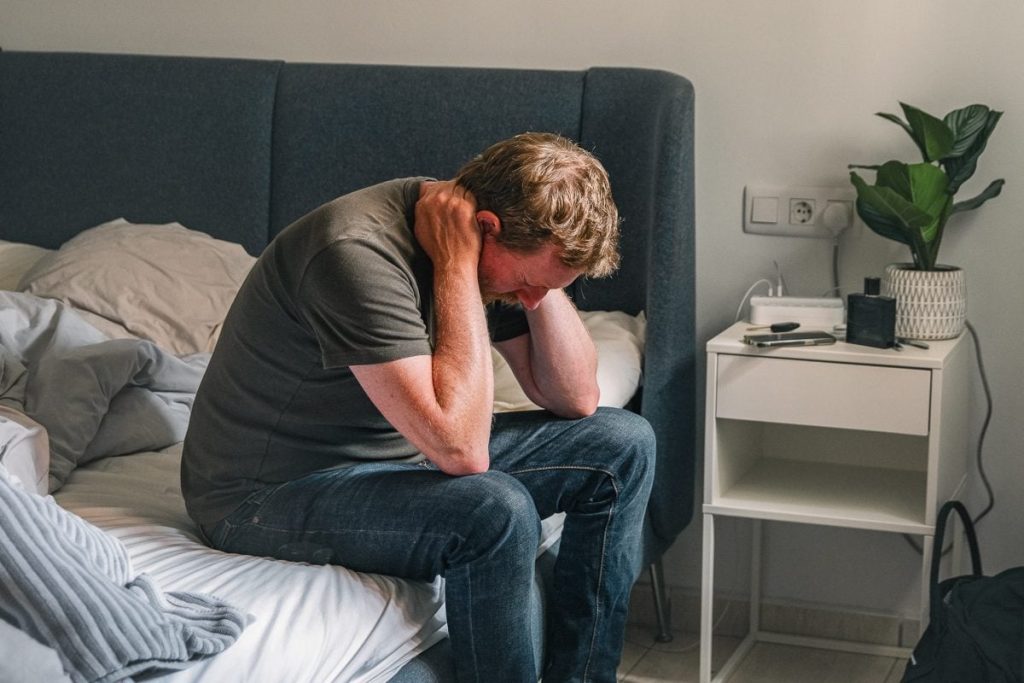
Furthermore, while you sleep, your body undergoes heightened levels of growth hormone release. This hormone is crucial for skin repair and regeneration. Without adequate sleep, the production of growth hormone diminishes, leading to subpar healing responses and a compromised ability to fend off skin damage. This is particularly concerning given the daily exposure to environmental stressors such as sun damage, harsh weather, and pollution that can exacerbate skin aging.
- Hormonal Balance: Sleep helps regulate hormones associated with stress and inflammation, such as cortisol. Elevated cortisol levels can result in a range of skin issues including breakouts, loss of hydration, and a general deterioration of skin quality. Managing stress through good sleep can therefore be a natural ally in preserving skin health.
- Moisture Retention: Adequate sleep enhances the skin’s ability to retain moisture. When you skimp on sleep, your skin may experience higher levels of transepidermal water loss, leading to increased dryness and a lackluster appearance. On the other hand, restorative sleep promotes hydration, giving your skin the plumpness it needs.
- Improved Circulation: Quality sleep is also tied to improved blood flow. While you’re resting, circulation increases, allowing more oxygen and essential nutrients to reach your skin cells. This results in a brighter complexion, making you look more awake and vibrant.
The stakes of sleep deprivation extend beyond cosmetic concerns; they affect the overall health of your skin. Studies have shown that individuals who suffer from insomnia or irregular sleep patterns tend to have an impaired skin barrier, making it harder for skin to keep irritants at bay. A 2013 study highlighted in *The Journal of Investigative Dermatology* discovered that participants who slept poorly faced more significant challenges in maintaining skin hydration and elasticity compared to their well-rested counterparts.
With an understanding of the biological underpinnings at play, it is clear that achieving adequate and restful sleep should be a priority for anyone looking to maintain youthful, healthy skin. Decision-makers in skincare and dermatology emphasize the need for a holistic approach that balances sleep with external skincare routines to achieve optimal results. As we further dissect the intricate relationship between sleep and skin aging, one can uncover the paramount benefits that a simple yet often overlooked factor—sleep—can provide in the quest for radiant skin.
| Advantage | Description |
|---|---|
| Improved Skin Repair | During sleep, cell regeneration increases, leading to more effective repair of damaged skin. |
| Balanced Hormones | Adequate sleep regulates hormones such as cortisol, which can help maintain youthful skin by reducing inflammation. |
DISCOVER MORE: Click here to enhance your skincare routine
The Impact of Sleep on Skin Conditions and Aging
While the rejuvenating benefits of sleep are widely acknowledged, the specific effects it has on various skin conditions often go underappreciated. Chronic sleep deprivation can exacerbate pre-existing skin conditions such as eczema, psoriasis, and even dermatitis. The root of these issues lies in sleep’s influence on the immune system. A well-rested body can mount a robust immune response, improving inflammation management and reducing the severity of these skin conditions. Conversely, inadequate sleep can lead to increased inflammation, making flare-ups more frequent and severe.
Research also suggests that inadequate sleep can contribute to the prevalence of acne. Multiple studies have indicated a direct regression in acne severity when sleep quality improves. Sleep deprivation elevates cortisol levels, which stimulates oil gland activity leading to clogged pores and the emergence of breakouts. Hence, ensuring a routine that promotes quality sleep could be a natural intervention for ongoing acne issues.
Moreover, the natural aging process of the skin can be markedly accelerated by sleep deficiency. The visible signs of aging such as fine lines, wrinkles, and sagging skin can appear significantly earlier in individuals who do not prioritize sleep. A compelling study published in *The Journal of Clinical and Aesthetic Dermatology in 2015 illustrated that women with poor sleep quality exhibited 30% more signs of skin aging compared to their well-rested peers. This can largely be attributed to sleep’s critical role in cellular growth and healing, which diminishes with the hours lost to rest.
- Nighttime Skin Repair: During the deeper stages of sleep, the body’s metabolic processes equip skin cells with nutrients and opportunities for repair. This includes replenishing lost moisture and repairing damage induced by daily environmental aggressors.
- Skin barrier function: Sleep enhances the skin barrier — the outermost layer of the skin that protects against external irritants and retains moisture. Disruption of sleep can lead to a weakened barrier, which not only affects hydration but also makes the skin more susceptible to allergens and irritants.
- Oxidative Stress: Sleep deprivation increases oxidative stress, which is responsible for accelerated aging. The imbalance between free radicals and antioxidants in the body can lead to premature skin aging and degradation of collagen and elastin, two vital components of overall skin health.
Additionally, lifestyle factors are intertwined with how sleep affects skin health. Insufficient sleep often leads to poor dietary choices. Individuals deprived of sleep are more likely to indulge in sugary snacks or processed foods for quick energy boosts, which can contribute to said skin conditions by triggering inflammation. A poor diet not only exacerbates existing issues but can also dull the skin, leading to a less vibrant appearance.
In summary, sleep acts as an unseen yet mighty force in the realm of skincare and aging. Understanding its multifaceted role can empower individuals to prioritize their sleep habits while simultaneously improving overall skin health. As the beauty industry increasingly acknowledges this connection, consumers may find that investing in restorative sleep is just as essential as a good skincare routine in their quest for healthy, youthful skin.
DISCOVER MORE: Click here for essential sunscreen tips
Conclusion: Unlocking the Secrets of Sleep for Radiant Skin
In conclusion, the profound relationship between sleep and skin health is a revelation that many may overlook in their pursuit of beauty and youthful vitality. Quality sleep is not merely a luxury, but a crucial element that influences a myriad of factors affecting our skin, from cellular repair to the management of skin conditions like acne and eczema. As we have explored, a good night’s sleep plays an essential role in maintaining the skin’s barrier function, reducing inflammation, and combating oxidative stress.
The link between sleep deprivation and accelerated aging cannot be understated; research indicates that those who consistently prioritize their sleep can enjoy significantly fewer signs of aging compared to their sleep-deprived counterparts. Investing in proper sleep hygiene not only contributes to a more radiant complexion but also helps improve overall well-being. Therefore, establishing a consistent sleep schedule, creating a restful sleeping environment, and incorporating relaxation techniques can be transformative for both skin health and overall vitality.
In a society that often glorifies productivity at the expense of rest, it’s time for a paradigm shift. The exploration of how sleep affects skin health and aging reveals that achieving healthy, youthful skin is not solely dependent on the latest skincare products but is integrally linked to the quality of our rest. Ultimately, by recognizing sleep as a cornerstone of skin wellness, individuals can enhance their beauty routine and embrace a holistic approach to health that nourishes both the skin and the soul.