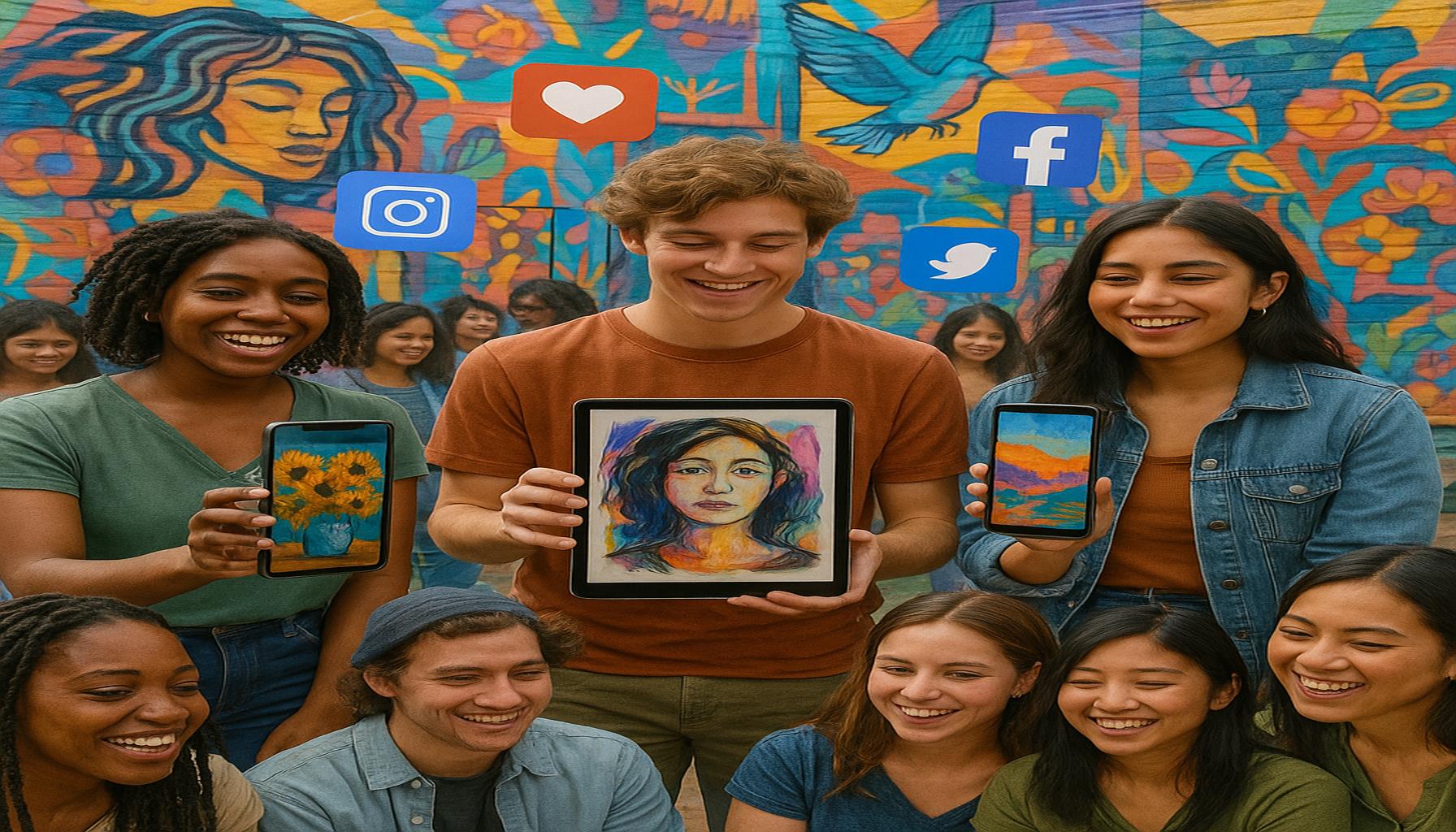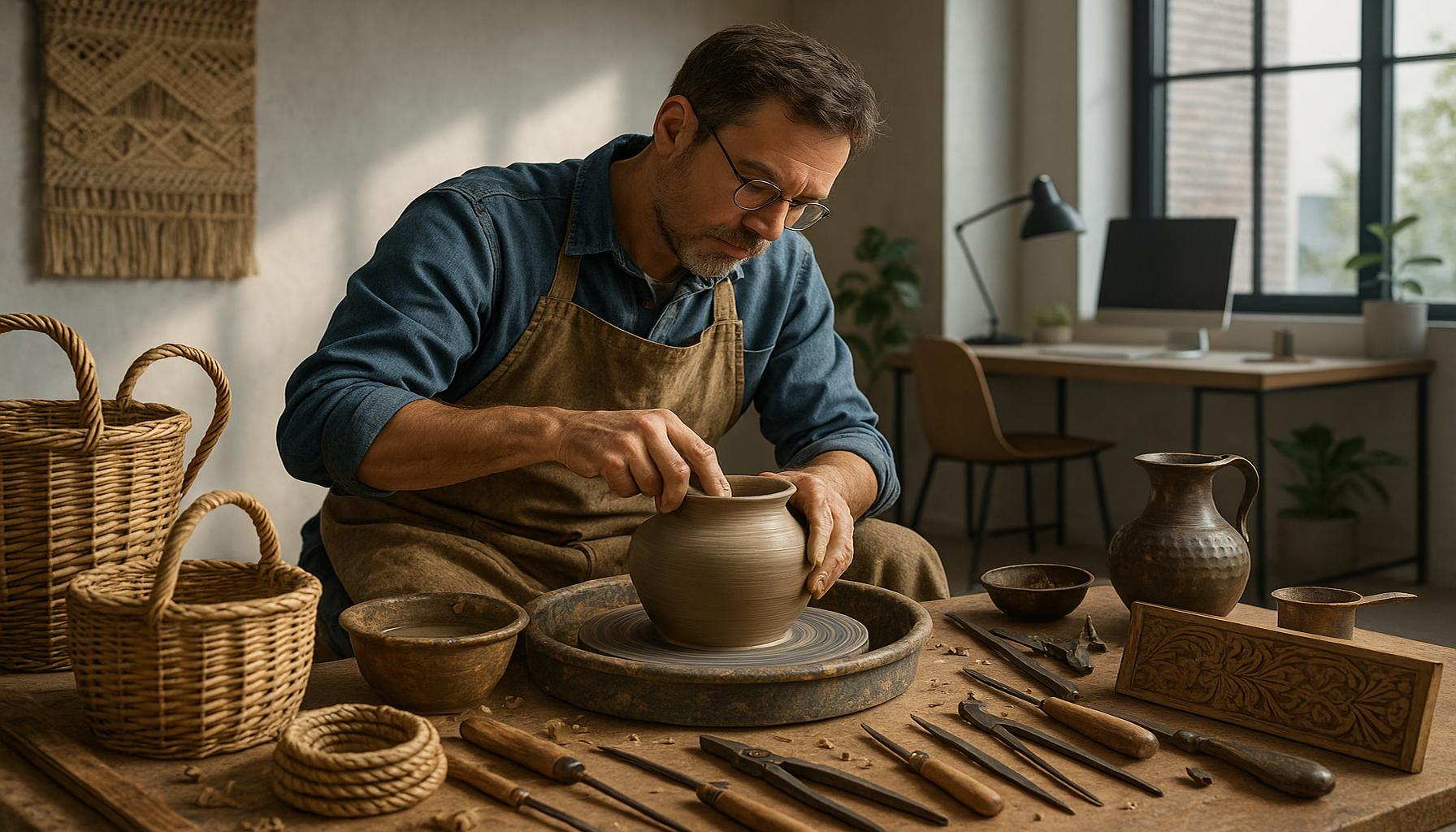
Exploring the impact of community art on social cohesion and emotional well-being
The Role of Community Art in Strengthening Bonds
Community art initiatives transcend mere aesthetics; they create environments that blend creativity with social connection. Through various forms, such as murals, performance art, and interactive installations, artists invite individuals from different backgrounds to engage in collaborative expressions. This interaction is crucial, as art has the unique ability to bridge cultural gaps, allowing residents to find common ground and share diverse experiences.
Encouraging Interaction Among Diverse Groups
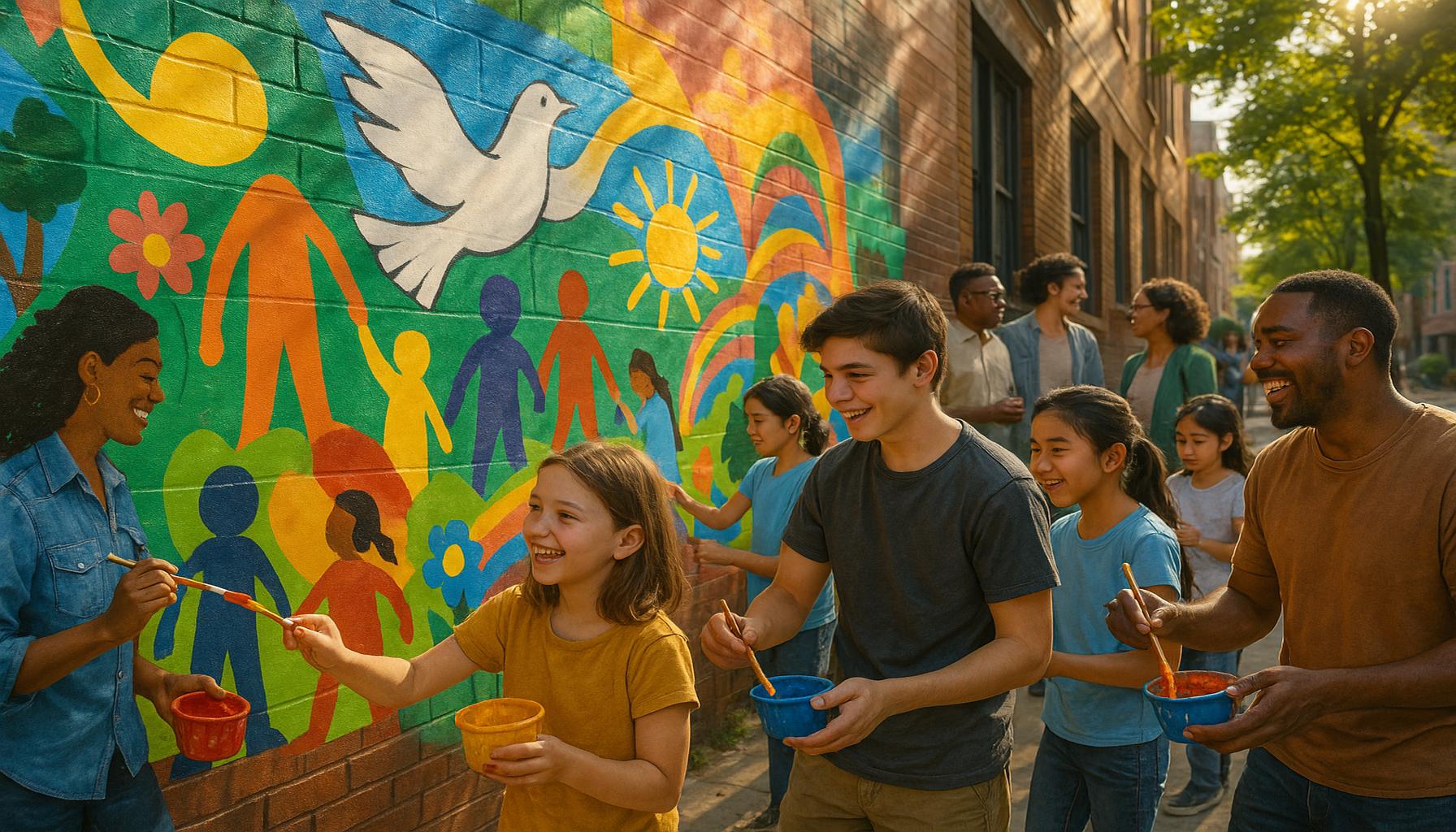
Public art installations often serve as focal points for communities, drawing in people from various walks of life. For instance, neighborhood mural projects not only beautify spaces but also instigate conversations among residents who might not typically interact. Art events, such as community theater productions or music festivals, amplify this effect by bringing together audiences from varied demographics, creating opportunities for unity and dialogue. Studies have shown that these interactions can lead to a decrease in social tensions and an increase in understanding and empathy among participants.
A Platform for Self-Expression and Storytelling
Art offers individuals a powerful means of self-expression, enabling them to share personal and community stories. Through local art programs, residents can explore their identities, struggles, and triumphs, which fosters a culture of acceptance and understanding. For example, storytelling sessions combined with visual arts allow participants to narrate their journeys while simultaneously creating visual representations of their experiences. This process not only empowers individuals but also enriches the community’s narrative tapestry, creating an inclusive environment where multiple voices are celebrated.
Fostering Belonging and Identity
Art contributes significantly to a sense of belonging within communities. Engaging in artistic endeavors provides residents with a connection to their locality and its history. Projects such as community gardens that incorporate artistic elements or local history museums that feature artistic display can help solidify this bond. As residents share their artistic creations or curate local exhibitions, they establish a collective identity that resonates with community members on a deeper level. This feeling of belonging is especially vital in urban areas where residents may experience anonymity or isolation.
The Impact on Mental Health
Recent research highlights a strong correlation between community art initiatives and improvements in mental health. Participatory art projects have been linked to better community engagement, as they often encourage teamwork and collaboration, which can combat feelings of isolation. For example, programs hosted in parks where participants engage in crafts or performances have reported significant decreases in stress and anxiety levels. Furthermore, individuals involved in these projects find that they develop stronger resilience and coping mechanisms, particularly during life’s challenging periods, such as economic downturns or personal crises.
As we explore the dimensions of community art, it becomes evident that these initiatives play a pivotal role not just in beautifying public spaces, but in nurturing stronger social bonds and contributing to communal well-being. By participating in artistic endeavors, communities across the United States can transform their environments into gardens of creativity and emotional healing.
DIVE DEEPER: Click here to discover how music can enhance mental well-being
Creating Spaces for Engagement and Connection
The positive impact of community art on social cohesion and emotional well-being begins with its ability to create shared spaces for engagement and connection. These artistic endeavors are often designed to involve residents in the creative process, fostering a sense of ownership and pride in their community. They invite people to come together and contribute to a collective vision, transcending barriers of race, age, and socioeconomic status. As a result, community art projects serve as vital platforms that encourage engagement among diverse groups, nurturing relationships that may have otherwise remained dormant.
Building Community Resilience Through Collaboration
Community art initiatives often operate through collaborative models that emphasize teamwork, allowing individuals to channel their energies into a shared goal. Collaborative art projects—such as co-creating murals or organizing community theater performances—have been instrumental in fostering resilience in neighborhoods. These projects not only engage participants creatively, but they also provide essential life skills such as communication, negotiation, and problem-solving. When residents work side by side, they develop mutual respect and bolster a sense of camaraderie, which can lead to long-lasting friendships and support networks.
Redefining Public Spaces
In recent years, cities across the United States have embraced the transformative power of community art to redefine public spaces. Urban areas that once felt disconnected or neglected are now vibrant canvases where art can thrive. Local governments are increasingly recognizing that integrating artistic elements into community planning can rejuvenate neighborhoods and improve the quality of life for residents. Examples include:
- Parks transformed with sculptures and interactive installations: These spaces invite families and individuals to explore and celebrate creativity within their community.
- Mural festivals: Such events not only beautify cityscapes but also draw crowds that celebrate cultural diversity and foster a sense of belonging.
- Community gardens with artistic features: These gardens serve as green oases while incorporating artistic designs that both attract visitors and educate them about the environment.
These revitalized public spaces become meeting points, inviting residents to spend time together, share stories, and build connections. The act of engaging with art in familiar surroundings fosters a sense of pride and emotional investment in the community’s well-being.
Enhanced Emotional Well-Being Through Creative Expression
Beyond physical revitalization, community art plays a crucial role in enhancing emotional well-being. Engaging in creative activities allows individuals to express their thoughts and feelings, creating a therapeutic outlet that can alleviate stress and anxiety. Studies suggest that communities with robust art engagement programs often report lower instances of mental health issues, alongside enhanced feelings of happiness and self-worth. For example, group art workshops or open mic nights serve as platforms for individuals to share their creativity, ultimately leading to a collective sense of joy and accomplishment.
As we delve deeper, it becomes clear that community art does not merely embellish public spaces—it acts as a powerful catalyst for social change, encouraging interaction, collaboration, and emotional healing that can ripple through entire communities.
Exploring the Impact of Community Art on Social Cohesion and Emotional Well-Being
Community art serves as a powerful catalyst for social cohesion, fostering connections among diverse groups. One significant advantage of engaging in community art projects is the opportunity for individuals from different backgrounds to collaborate and share their unique perspectives. This collaborative effort promotes understanding and acceptance, key components for building stronger communities. When participants contribute their artistic voices, it cultivates a sense of ownership and belonging, leading to an enriched community identity.
Moreover, community art initiatives have a profound impact on emotional well-being. Participating in creative activities has been scientifically linked to improved mental health outcomes. For example, community art can reduce feelings of isolation, anxiety, and depression by providing a constructive outlet for self-expression. Individuals often report a sense of relief and fulfillment derived from creating art collectively, as it harnesses shared experiences and emotional vulnerabilities, paving the way for healing and personal growth.
By showcasing local talent and stories through murals, performances, and exhibitions, community art not only beautifies public spaces but also ignites conversations around important social issues, enhancing civic engagement. As community members engage with the art, they foster dialogue and promote awareness around challenges such as inequality and social justice, further solidifying their collective identity.
| Advantages of Community Art | Impact on Social Cohesion |
|---|---|
| Promotes collaboration | Fosters understanding among diverse community members |
| Enhances emotional well-being | Provides an outlet for self-expression and relief from isolation |
In embracing community art, societies not only enrich their cultural landscape but also fortify the emotional fabric that binds them together. By exploring collaborative creative endeavors, individuals and communities unlock the potential for deeper social connections that ultimately contribute to a healthier, more cohesive society.
As we delve deeper into this realm, we begin to uncover the myriad ways community art can stimulate essential dialogue and promote significant shifts in our social landscapes.
DISCOVER MORE: Click here to learn how music transforms lives
Nurturing Inclusivity and Diversity Through Art
One of the most compelling aspects of community art is its inherent ability to foster inclusivity and celebrate diversity. While traditional art venues may cater to specific demographics, community art breaks down these barriers by embracing the unique narratives of individuals from different backgrounds. Initiatives such as cultural art festivals, workshops, and street art projects provide platforms for underrepresented voices, allowing them to tell their stories through creative expressions. This inclusive approach not only enriches the community but also deepens understanding and appreciation of diverse cultures, promoting social cohesion.
Case Studies of Impactful Community Art Programs
A deep dive into specific case studies illustrates how community art can ignite a ripple effect of positive change. In the Bronx, New York, the Bronx Museum of the Arts has been proactive in engaging local youth through creative programs that emphasize cultural heritage and artistic expression. Through collaborations with schools and community groups, the museum has facilitated workshops that empower young artists while promoting community dialogue. Participants report a stronger sense of identity and belonging, as well as improved mental health outcomes stemming from their involvement in these projects.
Further south, the Army of Artists in Atlanta fosters social cohesion by bringing together artists from various socio-economic backgrounds to create public art that responds to local issues. By engaging individuals in the creative process, this initiative transcends social divides and builds understanding among participants. The resulting installations not only beautify neighborhoods but also serve as visual dialogues that reflect the community’s shared values and challenges.
The Role of Art in Trauma Recovery
Another compelling facet of community art is its potential in aiding trauma recovery and healing. In areas that have experienced violence or disaster, artistic projects have shown promise in providing a mechanism for collective healing. For instance, in communities affected by gun violence, memorial art projects allow families to commemorate lost loved ones while providing safe spaces for expression and communal support. Programs that offer art therapy, such as The Art of Recovery in Chicago, focus on trauma-informed practices that help participants articulate their experiences and emotions, thus facilitating emotional healing through creativity.
Promoting Lifelong Well-Being through Arts Education
The incorporation of arts education into community programs also cultivates long-term emotional well-being and social cohesion. Research consistently shows that engagement in arts education can lead to improved cognitive skills, enhanced empathy, and higher resilience among participants. Take for example the Turnaround Arts program, which partners with struggling schools across the country to integrate arts into the curriculum. This has reportedly led to increased student attendance and engagement, while fostering positive relationships among students, parents, and educators. As students learn to work collaboratively on creative projects, they develop critical social skills that extend beyond the classroom.
Additionally, by equipping community members with artistic skills, there is a profound sense of empowerment that extends beyond mere creativity. Learning to express oneself artistically can lead to increased confidence, better coping mechanisms, and ultimately, a more resilient community fabric.
As we explore various dimensions of the intersection between community art, social cohesion, and emotional well-being, it becomes evident that these initiatives are not just beautifying spaces—they are serving as foundational elements in building stronger, more connected communities.
DISCOVER MORE: Click here to dive deeper into narrative enchantment
Conclusion: The Transformative Power of Community Art
In light of the evidence presented, it is clear that community art extends far beyond mere aesthetic enhancement; it acts as a catalyst for social cohesion and promotes emotional well-being within diverse communities. By breaking down barriers and encouraging participation from individuals of various backgrounds, community art fosters a sense of belonging that is crucial in an increasingly fragmented society. The rich, shared narratives emerging from community art initiatives not only enhance cultural appreciation but also cultivate understanding, empathy, and connectedness among participants.
Moreover, the documented success of programs like the Bronx Museum of the Arts and The Art of Recovery exemplifies how structured artistic endeavors can significantly impact mental health, especially in communities grappling with trauma. These examples underscore the potential for art to heal, empower, and create stable social networks that enhance everyday life. As we move forward, it is essential for policymakers, educators, and community leaders to recognize and invest in the arts as a vital resource for strengthening community bonds.
Ultimately, the exploration of community art reveals that its benefits are profound and far-reaching. Embracing artistic practices within communities not only enriches our cultural landscapes but fortifies the very fabric of society—one brushstroke, one sculpture, and one mural at a time. As we continue to advocate for community-engaged art initiatives, we invite readers to delve deeper into the intersection of creativity and social wellness, recognizing their indispensable role in shaping a brighter, more cohesive future.