Exploring the Creative Process: How to Transform Ideas into Literary Works

The Journey of Transforming Ideas into Stories
The fascinating process of transforming a simple thought into a polished literary piece is one that many writers embark upon. The creative journey can often feel daunting, as each writer contends with the challenge of refining nebulous ideas into tangible narratives. This exploration of the creative process reveals essential stages that shape mere thoughts into vibrant stories that captivate readers.
The Stages of Creative Transformation
- Inspiration: The spark that ignites creativity can emerge from various sources: a striking image, a poignant quote, or even a fleeting conversation overheard at a café. For instance, a simple interaction between two strangers may inspire a scene in a novel, prompting a writer to delve into the complexities of human connection.
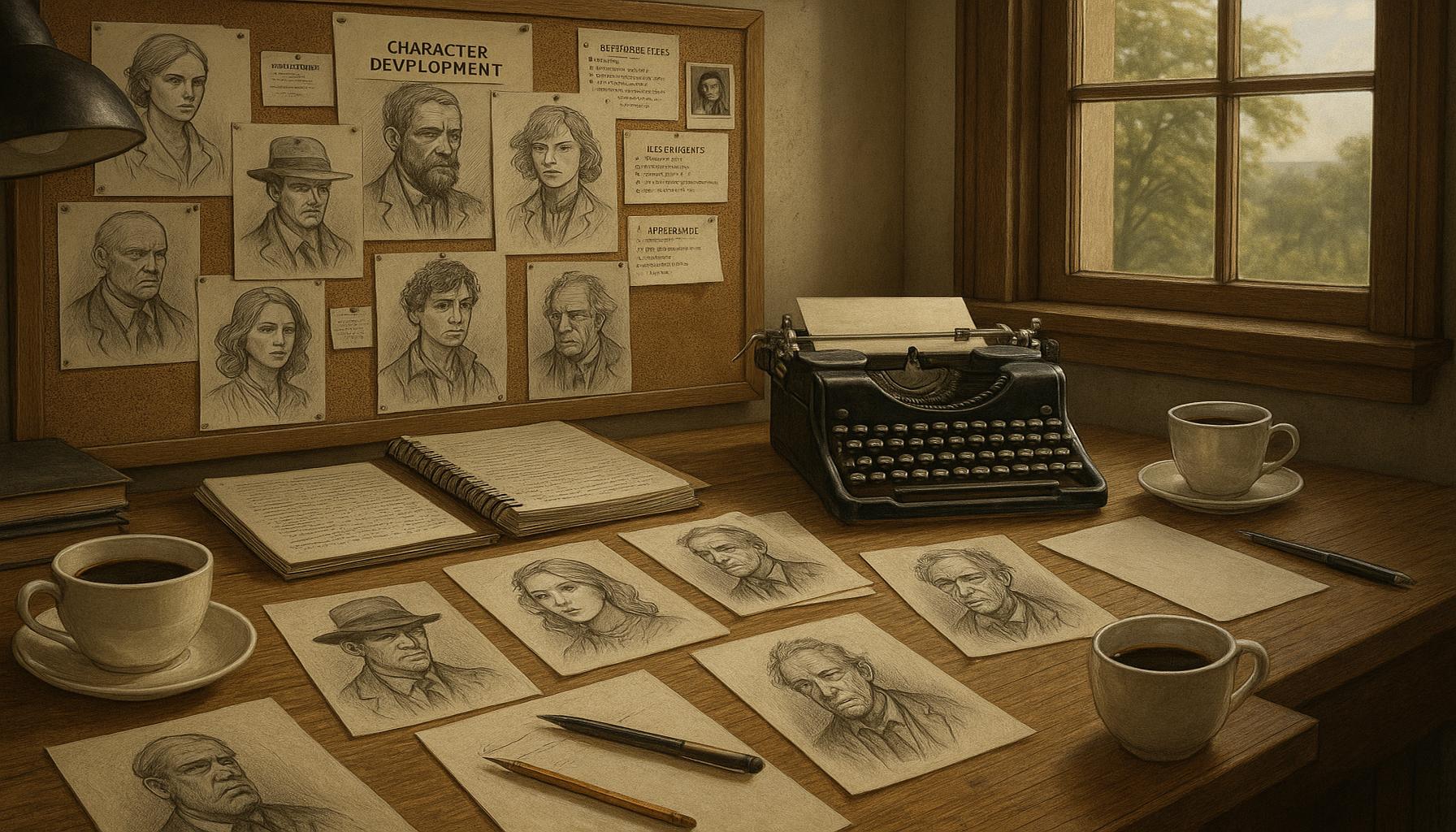
- Development: Once an idea takes root, writers embark on a journey of expansion. This phase involves exploring key elements such as themes, characters, and settings. Writers might create character sketches, draft different plot outlines, or engage in research that informs their narrative, ensuring that they build a rich and immersive world for readers.
- Drafting: Here lies the heart of creativity—the first draft. During this exhilarating stage, writers unleash their thoughts onto the page without self-censorship. It’s a chaotic yet liberating experience where rough ideas begin to take shape into paragraphs and chapters, conveying the essence of the narrative.
- Revising: This pivotal phase allows authors to step back and refine their ideas. Revising involves critically assessing the narrative flow, enhancing language, and restructuring sections that may not resonate as intended. Famous writer Stephen King advocates for leaving a manuscript for a short while before revisiting it, allowing fresh perspectives on the work.
- Editing: The final polish comes in the editing stage, where writers meticulously check for grammar, punctuation, and stylistic choices. This is the moment to ensure clarity and coherence, honing the prose to reflect the writer’s voice while making it accessible to readers.
Each step of this creative process plays a vital role in shaping the final manuscript. Notably, established authors like J.K. Rowling and Ernest Hemingway have distinct methodologies, emphasizing that there is no universal pathway in literary creation. For instance, Rowling famously plotted out her Harry Potter series meticulously, while Hemingway preferred to write in brief, impactful strokes, leaning heavily on his unique style.
Embracing Your Unique Voice
Ultimately, the key to successful writing lies in embracing your individuality. This exploration of the creative process encourages writers to tap into their personal experiences, perspectives, and emotions. Authenticity in storytelling creates a deep connection with readers, allowing them to resonate with the narrative on a personal level. For instance, an author reflecting on their upbringing in the American South may weave cultural nuances and dialect into their work, further enriching the storytelling experience.
The amalgamation of technique and personal touch is what transforms a simple idea into a remarkable literary achievement. Whether you are a budding writer just beginning to explore your creativity or a seasoned author refining your craft, understanding and navigating the stages of creative transformation is essential. Such insights not only inspire but empower you to craft compelling narratives that leave a lasting impact.
DIVE DEEPER: Click here to uncover the rich history of culinary techniques

Navigating the Path from Concept to Creation
Every writer knows that the journey from a mere flicker of inspiration to a fully developed literary work is both exhilarating and challenging. It may seem overwhelming at first, with the sheer volume of creativity required to craft a compelling narrative. Yet, by understanding the foundational aspects of this creative process, writers can streamline their efforts and bring their ideas to life with greater efficacy.
The Role of Research and Brainstorming
As ideas percolate, research becomes an invaluable tool in fleshing them out. Whether the narrative demands historical accuracy or a fantastical environment, research enriches your work and adds authenticity. Writers often delve into a myriad of sources—books, articles, documentaries, or even interviews with experts—to gather insights that will inform their storytelling. For instance, an author exploring the world of magic might comb through ancient texts and modern interpretations of witchcraft, crafting a storyline that resonates with depth and intrigue.
In tandem with research, brainstorming techniques can kickstart the development of a story. Writers can benefit from several methods to explore their ideas:
- Mind Mapping: A visual representation that connects related concepts can help writers see the broader picture and underlying connections in their narrative.
- List-Making: Creating lists of characters, potential plot points, or thematic elements ensures that no idea goes unexplored.
- Freewriting: Setting a timer and writing continuously about a topic or character can unlock hidden ideas and create unexpected connections.
- Storyboarding: For those inclined towards visual planning, laying out scenes and scenarios in a storyboard format can reveal narrative arcs and pacing.
Engaging in these brainstorming techniques not only facilitates idea generation but also provides a framework for building a cohesive story. The aim here is to explore every avenue, allowing imagination to take the lead before grounding it in structured storytelling.
Character Development: The Heart of Storytelling
One of the critical intersections between inspiration and execution is character development. Characters serve as the vessels of the narrative; their motivations, flaws, and relationships drive the plot forward. An effective character should evoke empathy and relatability, inspiring readers to become invested in their journeys. Writers frequently engage in character profiling—creating detailed backgrounds that explore their histories, desires, and internal conflicts. This detailed approach allows for increased complexity in storytelling and enhances the emotional impact of the narrative.
The creative process of transforming ideas into literary works is deeply multifaceted. It thrives on collaboration with various aspects of inspiration, research, and character development. As authors navigate these stages, they discover not only what stories they want to tell but also how to tell them in compelling ways that resonate with readers. Understanding this process is essential for any writer aiming to enhance their craft and engage their audience effectively.
In understanding how to effectively navigate the creative process, it’s crucial to recognize the distinct phases that authors typically experience: inspiration, drafting, revising, and polishing. Each of these stages plays an essential role in transforming nascent ideas into well-crafted literary pieces. The initial phase, inspiration, is often where the journey begins. Authors may draw inspiration from a myriad of sources such as personal experiences, observations, or even conversations. This stage is about allowing oneself to dream freely, jotting down thoughts, and exploring various prompts that can seed a story or an idea. Engaging in creative exercises, such as free writing or brainstorming sessions, can enhance this phase significantly.Once a concept takes shape, authors move into drafting. This is where the raw material is put onto the page. It may be messy and unrefined, but it’s essential for capturing the essence of the story. Writers should strive for consistency and volume rather than perfection. The focus should be on expressing ideas dynamically, allowing characters and plots to develop organically without the constraints of immediate judgment.Following the drafting stage is revising, perhaps the most labor-intensive part of the journey. This process involves examining the initial draft for clarity, structure, and coherence. Authors must be willing to merge, cut, and reframe sections, ensuring that every paragraph serves a purpose. Feedback from peers or writing groups can provide fresh perspectives and insights that enhance the overall narrative.Finally, the polishing phase refines the work considerably through meticulous editing and proofreading. This stage is critical for eliminating grammatical errors, inconsistencies, and awkward phrasing. Engaging with professional editors or beta readers can also prove invaluable to ensure that the final piece resonates with its intended audience.As writers cycle through these phases, they develop a deeper understanding of their unique intentions and voice, ultimately enriching their literary prowess. By embracing the creative process comprehensively, authors can transform their abstract thoughts into compelling narratives that not only entertain but also provoke thought in readers. This intricate journey invites exploration, with each phase offering opportunities for growth and innovation.
DISCOVER MORE: Click here to dive into sustainable cuisine
Crafting Your Narrative: Structure and Style
After the initial sparks of inspiration have been nurtured through research and character development, the next phase in the creative process involves structuring the narrative. The organization of a story not only saves the writer from potential narrative pitfalls but also guides the readers to a satisfying experience. Few things deter readers more than a convoluted plot where essential elements are left dangling or forgotten.
Establishing a Strong Structure
Many writers turn to established frameworks to provide their stories with a solid foundation. Popular structures such as the Three-Act Structure or the Hero’s Journey outline the progression of the story, from exposition to resolution. For instance, in the Three-Act Structure, the first act establishes the setting and characters, the second escalates conflicts through rising action and complications, and the third resolves the conflicts with a climax and denouement. This time-tested approach helps maintain a narrative flow and increases reader engagement.
Additionally, writers are encouraged to consider pacing as a vital part of structure. Pacing refers to the speed at which a story unfolds, influencing the emotional rhythm and tension throughout. Carefully interspersing moments of rapid action with quieter reflections can create a more dynamic reading experience. For example, a suspenseful thriller might employ faster pacing during moments of danger while giving characters reflective pauses that allow readers to absorb the stakes.
Finding Your Unique Voice
Style and voice are crucial elements that distinguish one writer’s work from another. Finding a unique voice requires deliberate experimentation with language, tone, and style, weaving these elements into the narrative organically. Writers often find inspiration from their surroundings, personal experiences, and encounters, which help form a distinctive voice that resonates with readers.
Consider the use of stylistic devices such as metaphors, similes, alliteration, and varying sentence structures; these can enhance the richness of your prose. In addition, authors should pay attention to dialogue, as it not only propels the plot but also reveals character traits and relationships. Capturing the nuances of conversation can make characters more realistic and relatable. For example, the sharp, witty banter of characters in a contemporary novel can reflect their personalities, allowing readers to comprehend their dynamics intuitively.
Edit and Refine: The Crucial Revision Process
The journey from concept to creation does not end with a first draft. In fact, it is only the beginning of a robust editing and refining process. Writers often revisit their work several times, identifying areas that need enhancement, whether it be tightening the prose, clarifying plot points, or deepening character arcs. Tools like beta readers and critique groups can offer vital perspectives and constructive criticism, helping writers see elements they may have overlooked.
Moreover, the revision process involves checking for grammar and style consistency, ensuring that the narrative flows seamlessly. Resources such as style guides and writing software can assist in streamlining this part of the creative process. The ultimate goal is to create a polished final piece that accurately represents the initial vision while resonating with its audience.
The intersection of structure, style, and revision plays a pivotal role in translating fragmented ideas into coherent literary works. By embracing these elements, writers can navigate the labyrinth of creativity with confidence and ultimately deliver narratives that captivate their readers.
DISCOVER MORE: Click here to dive into modern twists on classic recipes
Conclusion: Embracing the Journey of Creation
Ultimately, exploring the creative process involves a delicate balance of inspiration, structure, and refinement. From the initial spark of an idea to the final polished manuscript, each stage of creativity plays a key role in transforming a mere concept into a literary gem. Writers must not only harness their imagination but also embrace the foundational frameworks that guide their narratives, ensuring a coherent and engaging reader experience.
Moreover, discovering one’s unique voice is a journey of self-exploration and experimentation. By blending personal experiences with innovative language and stylistic devices, writers can cultivate a voice that resonates profoundly with their audience. This distinctiveness is often what elevates a story, drawing readers into worlds that are both relatable and captivating.
The importance of the revision process cannot be overstated. It is in the relentless pursuit of perfection that writers find the essence of their stories. Through meticulous editing and the welcoming of external feedback, emerging authors can strip away the superfluous and enhance the core message, thereby ensuring that their narrative is as impactful as it can be.
As you embark on your own creative journey, remember that every successful literary work begins with an idea and flourishes through dedication and craftsmanship. By understanding and embracing the various facets of the creative process, you can unlock your potential and share stories that not only entertain but also inspire. So gather your thoughts, unleash your imagination, and begin the transformative journey of turning your ideas into compelling literary masterpieces.