Exploring Artistic Trends: How New Technologies Are Changing the Way Art Is Created and Shared
The Evolution of Artistic Expression
The rapid advancement of technology is not merely a backdrop for the art world; it is a dynamic force that profoundly influences how artists create, distribute, and engage with their audience. With the advent of innovative tools and platforms, the relationship between art and technology is more intertwined than ever before. This intersection is not only pushing the boundaries of creativity but also raising questions about the nature of artistic expression and interaction.
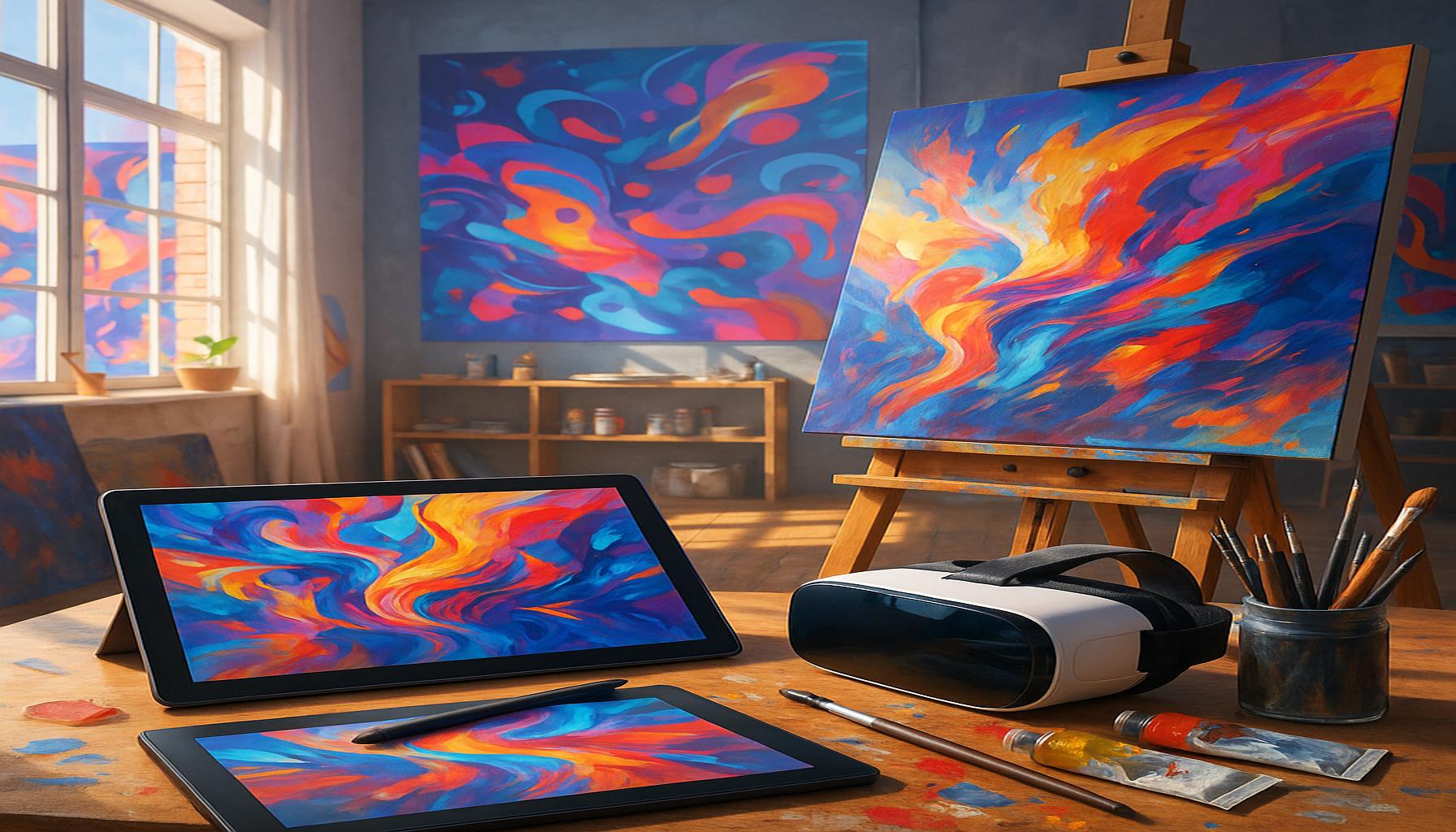
Digital Tools have become staples for contemporary artists, expanding the toolkit beyond traditional mediums. Software such as Adobe Creative Cloud and Procreate allows artists to experiment with digital painting, graphic design, and animation without the constraints of physical materials. For instance, digital artist Joakim E. created a stunning series of animations utilizing Procreate, showcasing a blend of immersive storytelling with vibrant visuals that would be nearly impossible to replicate using traditional methods.
Social Media Platforms have revolutionized how art is shared and consumed. Platforms like Instagram and TikTok serve as global galleries, enabling artists to connect with audiences across continents. An excellent example is the artist @fernandaflorez on Instagram, who gained popularity by sharing her creative process through time-lapse videos. These platforms provide artists a unique opportunity to build a personal brand, engage with followers, and receive immediate feedback—all of which can influence their creative direction.
New Frontiers in Artistic Innovation
Moreover, technology contributes to innovative artistic movements that challenge previous notions of art forms. Augmented Reality (AR) is one such avenue, allowing artists to incorporate virtual elements into real-world environments. The work of artists like KAWS, who integrates AR into public art installations, exemplifies how artists can create interactive experiences that captivate and immerse audiences in ways that traditional art cannot.
AI-Generated Art further blurs the lines of creativity. Tools like DALL-E and Midjourney utilize algorithms to generate art based on text prompts, prompting debates about authorship and originality in art. This raises significant questions: if an algorithm creates a masterpiece, who holds the rights—the coder, the artist using the tool, or the software itself? Artists like Refik Anadol are pushing the boundaries, using AI to create mesmerizing visual installations that challenge viewers’ perceptions of authorship and the limits of human creativity.
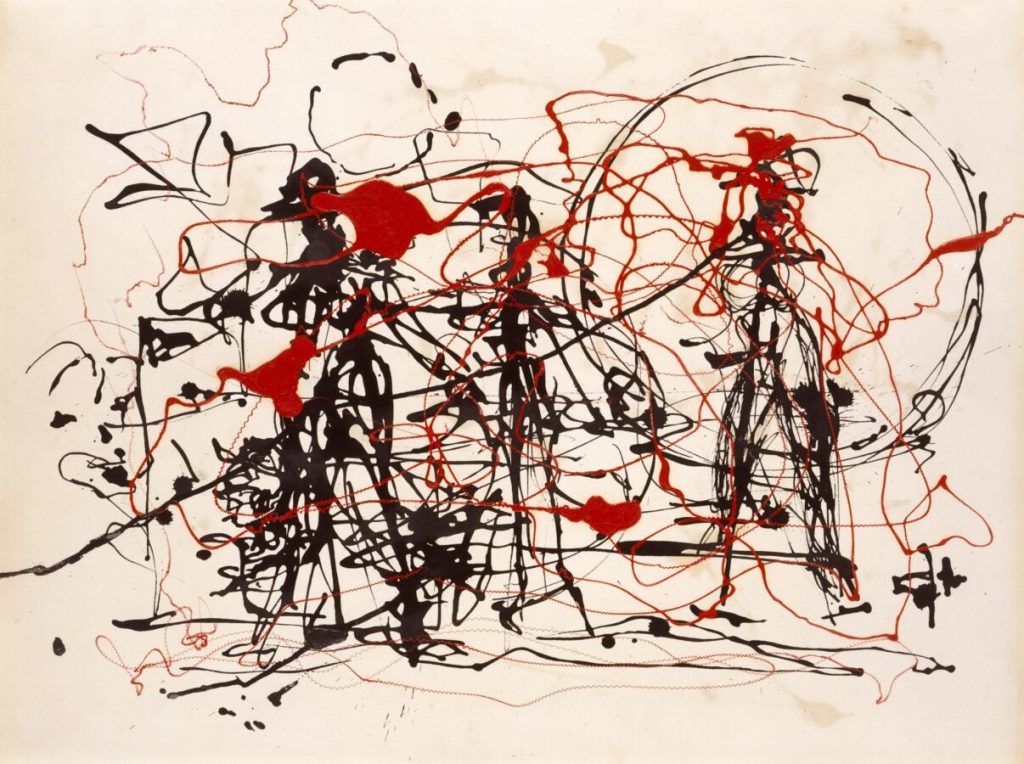
Finally, 3D Printing is transforming how artists conceptualize their work. By converting digital designs into physical objects, artists can produce intricate sculptures that might be too complex or time-consuming to create by hand. For example, innovative designers like Joshua Harker have utilized 3D printing to bring to life extraordinary pieces that showcase both technical mastery and artistic vision.
As we navigate through this transformative era, we witness not only the emergence of new artistic forms but also the evolution of how society interacts with art. The technological landscape is ripe with potential, offering fresh opportunities and unique challenges to creators and consumers alike. This ongoing dialogue between art and technology invites us to reconsider what art can be and how it can impact our lives.
DON’T MISS: Click here to create lasting memories
The Rise of Digital Artistry
The emergence of digital artistry represents a significant cultural shift in how art is created, experienced, and distributed. No longer are artists confined to physical canvases or traditional materials; they now embrace an expansive digital realm that encourages experimentation and pushes the limits of their creativity. This is not merely a trend but a revolution that reflects how artists find inspiration and develop their unique voices in an increasingly interconnected world.
One of the most noteworthy aspects of this shift is the use of digital illustration tools that have become ubiquitous among modern creators. Software applications such as Adobe Illustrator and Corel Painter provide artists with a myriad of options to manipulate color, texture, and form. This versatility allows them to create intricate pieces that adapt to their individual styles while also being adaptable to different media. An example of this can be seen in the work of digital illustrator Malika Favre, whose striking flat designs combine simplicity with bold colors and intricate patterns, showcasing the limitless potential of digital tools.
Online Accessibility and Global Reach
The Internet has transformed the landscape of art distribution, enabling artists to reach global audiences with ease. This newfound accessibility has led to the proliferation of online artists’ platforms where creators can showcase their portfolios and engage with potential buyers. Websites like Behance and ArtStation allow artists to receive feedback, build professional networks, and sell their work directly to a worldwide audience, breaking down geographic barriers. As a result, art is no longer confined to galleries or art shows but can flourish in the digital domain.
Social media has further intensified this accessibility by providing a platform for immediate interaction between artists and their followers. For example, an estimated 83% of artists find social media to be an important tool for gaining visibility and marketing their work. Platforms such as:
- Instagram: Where artists can share images and behind-the-scenes content, fostering connection and community.
- Twitter: Allowing for quick updates and interacting directly with fans and fellow creators.
- TikTok: Emerging as a space for short-form videos that offer glimpses into the creative process or art challenges.
This direct engagement helps artists cultivate a loyal following, as audiences become invested in their journeys and processes. The ability to share not just the finished pieces but also the evolution of work invites viewers to experience art in a more personal and relatable way.
As the public appetite for visual content continues to rise, artists have an opportunity to adapt their strategies. This swift transition to the digital age challenges the traditional notions of what it means to be an artist and how art exists in the world. By embracing technology, contemporary artists are redefining creativity, making art not just a visual spectacle but an interactive experience that resonates deeply with diverse audiences.
As we delve deeper into the influence of technology on artistic expression, a profound change emerges in the tools artists are using. The advent of digital art platforms has enabled creators to manipulate their work in ways that were previously unthinkable. For instance, Artists can now utilize advanced software like Adobe Creative Suite, Procreate, and Blender to create stunning visuals, illustrations, and animations that showcase their unique perspectives. This digital revolution not only expedites the creative process but also allows for a far broader range of artistic styles, merging traditional techniques with modern aesthetics.Another vital aspect of this transformation is the role of social media in sharing art. Platforms like Instagram, Pinterest, and TikTok serve as virtual galleries, eliminating geographical barriers and democratizing the accessibility of art. Artists can now showcase their work to a global audience without relying on galleries or traditional outlets. This shift in distribution channels fosters a more inclusive and diverse artistic community, where emerging talents can gain recognition alongside established artists.Moreover, technologies like augmented reality (AR) and virtual reality (VR) are redefining the viewer’s experience. These technologies provide immersive experiences, where art is not just viewed but felt. Exhibitions can now be designed to engage audiences in interactive ways, sparking conversations and deeper connections with the artwork. As artists embrace these tools, they are not only expanding their creative boundaries but also transforming how art interacts with society, paving the way for new forms of collaboration and expression.The intersection of technology and art raises compelling questions about authorship and creativity. With AI-generated art becoming increasingly prevalent, it challenges the traditional notion of artistic originality. Artists now find themselves in a space where algorithms can generate pieces that provoke thought and discussion about what it means to be an artist in the modern age. This ongoing dialogue is essential in understanding how new technologies are reshaping the landscape of art.In essence, the exploration of artistic trends through technology is not just about the tools but the profound shifts in how art is perceived, created, and disseminated in today’s digital world. As these discussions evolve, they invite both artists and audiences to engage in the ongoing narrative of creativity in the 21st century.
DISCOVER MORE: Click here to dive deeper into the creative process
The Emergence of Virtual and Augmented Reality
As technological advancements continue to burgeon, artists are embracing virtual reality (VR) and augmented reality (AR) as innovative tools for creating immersive art experiences. These technologies allow artists to transport viewers into entirely new realms, offering unprecedented interactive environments where art can be experienced in a multidimensional context. For instance, VR platforms such as Oculus Medium enable artists to sculpt in a digital space, manipulating materials in a way that traditional methods cannot replicate. This capability not only enhances the artistic process but also alters the way audiences engage with the final product.
One fascinating example is the use of AR in exhibitions. In 2021, the San Francisco Museum of Modern Art showcased an AR art installation that allowed visitors to use their smartphones and tablets to see layers of digital artwork interacting with existing physical sculptures. This fusion of digital and physical art expands the narrative and challenges perceptions about what constitutes art, inviting a collaborative viewer experience unrivaled by traditional methods.
Blockchain and the Rise of NFTs
Alongside VR and AR, the rise of blockchain technology has given birth to a new wave in art ownership and distribution through non-fungible tokens (NFTs). NFTs allow artists to create unique digital certificates for their artwork, which can be bought, sold, and traded on blockchain platforms. This trend has revolutionized the notion of art ownership, providing artists with a new revenue stream that is particularly attractive in an age where digital copies can be easily reproduced without losing value.
In 2021, artist Beeple made headlines by selling an NFT of his artwork for a staggering $69 million at a Christie’s auction, showcasing the potential profitability of digital art in the NFT space. This groundbreaking event not only propelled the conversation around NFTs into mainstream media but also ignited a different perspective on the permanence of digital art. Artists are now empowered to reach collectors directly, retaining more control over their work and eliminating the reliance on traditional art markets.
However, the rise of NFTs presents its own set of challenges and controversies. As this market evolves, questions surrounding copyright, environmental impact, and accessibility continue to surface. Many artists worry that the NFT landscape is dominated by a select group of well-known figures, potentially sidelining emerging creators who may lack the resources to compete in this digital economy. Such dynamics highlight the ongoing dialogue about inclusivity and equity within the art world.
Streaming and Live Art Performance
In addition to these technologies, the advent of streaming platforms has opened new avenues for live art performances. Artists can now broadcast their creative processes in real-time, allowing audiences to witness the evolution of a piece from conception to completion. Platforms like Twitch have expanded beyond gaming, offering a dedicated space for artists to engage with fans while showcasing their skills. This experience not only demystifies the artistic process but fosters a sense of community around shared interests.
The integration of live streaming has shifted the art experience from a solitary observance to a shared event, where viewers can interact through chat and provide immediate feedback. The popularity of such platforms suggests that art can function as a social practice, where audience participation enhances the significance and context of the work being created. In this new landscape, technology is not just a tool for creation; it becomes a medium for connection and cultural dialogue.
DON’T MISS: Click here to discover creative upcycling ideas
Conclusion
In conclusion, the fusion of technology and art is reshaping the creative landscape in profound ways. From the immersive experiences offered by virtual reality (VR) and augmented reality (AR) to the revolutionary potential of non-fungible tokens (NFTs), artists are embracing innovative tools that challenge conventional boundaries. These technologies are not just enhancing creative expression, but are also transforming the way audiences engage with art by turning passive observation into dynamic interactions and collaborations.
The emergence of live streaming and platform-based communities illustrates a shift toward inclusivity and real-time engagement, allowing art to serve as a catalyst for cultural dialogue. As artists broadcast their processes and connect with viewers, the lines between creator and audience blur, fostering a sense of shared experience that enriches the artistic narrative.
However, while these advancements present exciting opportunities, they also raise critical questions about accessibility, ownership, and the ecological impact of digital creation. As we explore these artistic trends, it is essential to consider a responsible approach that upholds equity and supports diverse voices within the art community. The landscape of art is evolving rapidly, and with each breakthrough, we stand on the brink of redefined aesthetics and practices. Therefore, continuing to observe and adapt to these changes will be vital for artists, collectors, and cultural institutions alike in a world where technology continuously shapes the future of creativity.