Detachment and Reorganization: Strategies to Optimize Space with Fewer Belongings

Evaluating Our Connection with Material Possessions
As consumer culture continues to thrive, the notion of detachment from material belongings has gained traction among those seeking a more meaningful existence. In Nigeria, a growing number of individuals are embarking on a journey toward minimalism, discovering innovative methods to enhance their living spaces and mental well-being. This shift is not merely about reducing clutter; it’s a reevaluation of what truly adds value to life.
To navigate this transformative path, here are essential strategies that can help in fostering a minimalist lifestyle:
- Evaluate Your Needs: Begin by taking a closer look at your possessions. Consider categorizing your items into three groups: essentials, frequently used, and items that hold sentimental value. A simple yet effective method is the “Marie Kondo” approach—if an item does not spark joy or serve a purpose, it may be time to let it go.
- Decluttering: Regularly assess your belongings by setting a timeline. For instance, consider dedicating the first weekend of each month to declutter. If an item hasn’t had any utility in over a year, it is wise to either donate, sell, or recycle it. Local organizations, such as the Red Cross or various charity shops, offer great opportunities for donation.
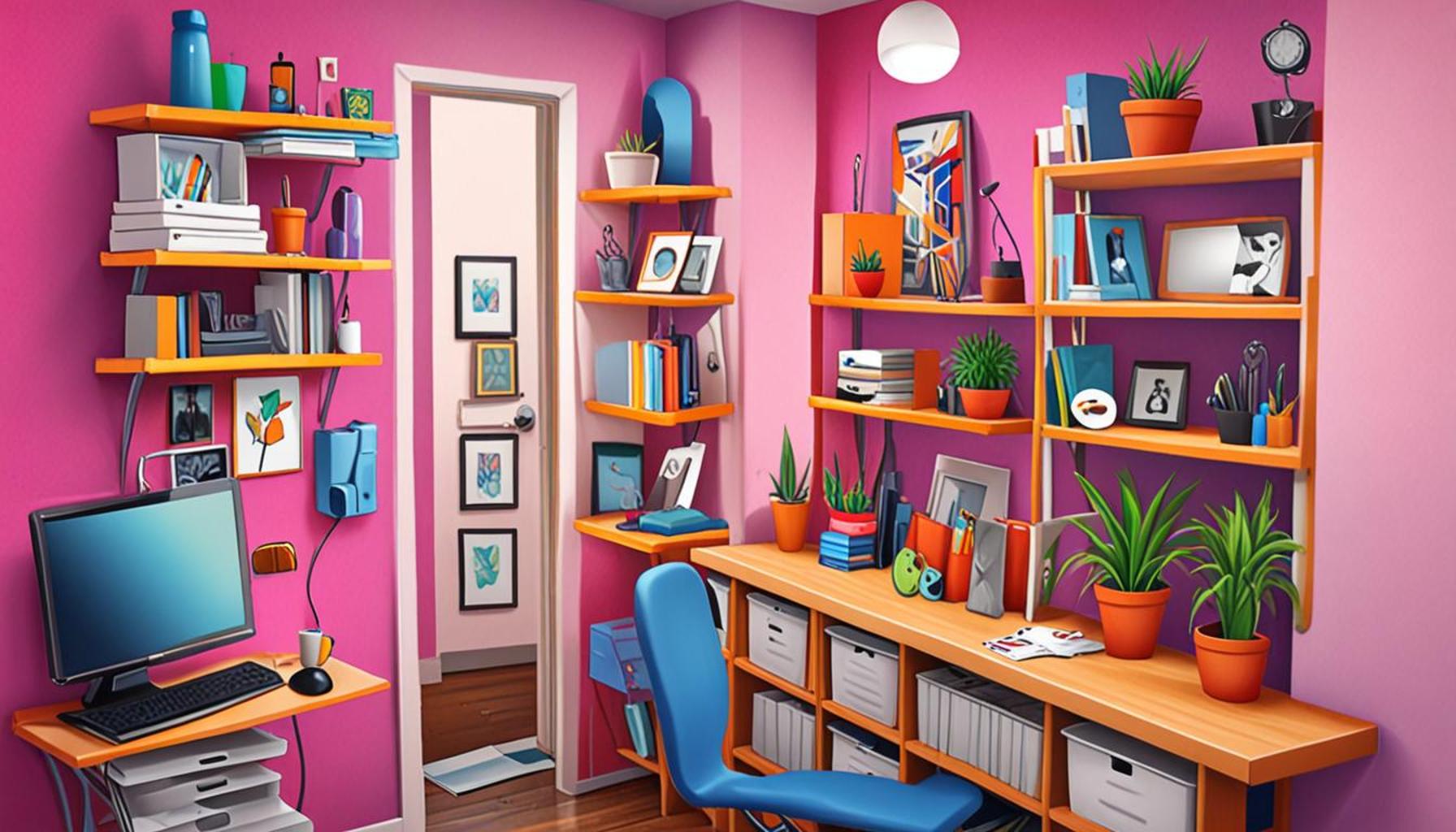
- Reorganization: Utilize creative storage solutions to maximize your home’s space. In Nigeria’s bustling urban areas where apartments tend to be smaller, think vertically. Installing shelves above doorways or using under-bed storage can help create more open and functional spaces. Consider multifunctional furniture, such as beds with drawers or tables that double as storage.
Adopting a minimalist approach offers a wealth of benefits beyond just physical space. It can lead to reduced stress levels, as the mind becomes less burdened by overwhelming choices and physical chaos. Additionally, a minimalist lifestyle fosters improved focus—when surrounded by less clutter, individuals often find it easier to concentrate on goals and priorities. Financially, embracing minimalism usually results in significant savings, as one tends to be less inclined to make impulsive purchases.
Within Nigeria’s vibrant urban centers, where space often feels constrained, the advantages of living with less become even more pronounced. As more people embrace minimalism, the potential for a cultural shift emerges, leading to not just changed homes but altered lifestyles as well. This journey encourages a deeper connection with one’s surroundings and fosters a sense of community through shared practices of sustainability and resourcefulness.
As we delve deeper into the art of detachment from unnecessary items, an array of strategies is waiting to be explored. Whether reevaluating the significance of family heirlooms or implementing multifunctional designs in homes, the principles of minimalism invite everyone to embrace a more profound understanding of what it means to live simply yet purposefully.

RECOMMENDED: Check out this similar article
Understanding the Psychological Impact of Material Attachments
At the heart of the minimalist movement lies a profound understanding of how our attachments to material possessions shape our lives. In Nigeria, where the drive for success is often measured by tangible assets, breaking free from this mentality can seem challenging. The act of detachment is not merely physical; it is a reflection of our mental and emotional states. As you strive to create more space in your life—both symbolically and literally—you will discover that this process can lead to increased clarity, creativity, and an overall sense of fulfillment.
To embark on this journey toward a more spacious existence, it is crucial to first understand the reasons behind our emotional ties to objects. Here, we explore several aspects that contribute to our reluctance to part with belongings:
- Sentimental Value: Many people hold onto items because they evoke memories or relationships. Family heirlooms, gifts, or mementos often trigger nostalgia, making it difficult to let go. However, consider whether these items bring more happiness than burden. Are they truly enhancing your life, or are they simply taking up space?
- Fear of Loss: The fear of losing something important can keep us from decluttering. People often believe that possessions provide security or identity, leading to a reluctance to diminish their collection. By reframing this perspective, you can begin to see that what truly matters is not the items themselves but the experiences they represent.
- Social Pressure: In a society where material wealth is often equated with social status, many feel compelled to hold onto possessions as a means of validation. Decluttering and reorganization challenges this notion, inviting individuals to define their worth independently of material belongings.
Adopting a minimalist mindset can seem daunting, yet understanding these underlying influences can help alleviate the resistance to change. It is essential to approach the process of detachment with compassion towards oneself, allowing for emotional processing as you evaluate the role of each object in your life.
As you navigate this journey, begin to envision a space that reflects your values and priorities. Every item retained should contribute positively to your environment, promoting a sense of harmony and peace. Consider creating a vision board that illustrates your aspirations—this can serve as a guiding light when faced with the temptation to hoard.
The process of reorganization involves creativity and intention. As you decide what to keep, think about how those items can be arranged to maximize functionality and aesthetics. This not only includes decluttering but also demands thoughtful categorization and placement. Storing items close to where they are primarily used reduces the likelihood of chaos and enhances your living experience.
Ultimately, engaging in these strategies will allow you to reclaim your space and redefine your relationship with material possessions. The journey toward detachment will not only clear clutter but also create room for new opportunities in your life. Empressing minimalism in your environment can positively influence other aspects, leading to a more intentional lifestyle. In Nigeria’s bustling urban landscape, the ability to embrace simple living can inspire a greater sense of community and sustainability.
Understanding the Benefits of Detachment and Reorganization
In today’s fast-paced world, the idea of detachment and reorganization resonates deeply with those seeking to optimize their living and working spaces. By strategically minimizing belongings, individuals not only enhance their physical environment but also foster a healthier mental state. Understanding the underlying advantages can encourage a more intentional approach to personal organization.
Emotional and Psychological Benefits
One of the most significant advantages of embracing detachment is the reduction in stress and anxiety. Clutter often serves as a physical representation of mental overwhelm; thus, clearing out excess belongings can lead to a notable sense of relief. Studies have shown that a simplified space can evoke feelings of calm and improve overall well-being. Furthermore, engaging in this reorganization process can instill a sense of achievement and control, transforming one’s outlook on life and productivity.
Enhanced Functionality and Accessibility
Reorganizing your space effectively can make everyday living more functional and efficient. When belongings are arranged with purpose, it becomes easier to locate items and utilize spaces to their fullest potential. This approach encourages individuals to be mindful of what they truly need and what can be set aside. The resulting clarity can lead to improved focus and creativity, aided by a harmonious environment.
Sustainability and Minimalism
Adopting a minimalist approach through detachment promotes sustainable living. By thoughtfully assessing and decluttering material possessions, individuals can reduce waste and make room for a more eco-conscious lifestyle. This philosophy extends beyond personal benefits, influencing broader societal trends toward environmental responsibility. Whether through donating items to those in need or responsibly disposing of non-essential goods, reorganizing our spaces plays a crucial role in advocating for sustainability.
The Community Impact of Fewer Belongings
Being more discerning with possessions can also strengthen community relationships. Shared spaces and communal living arrangements thrive on the concept of detachment and organization, creating environments that are inviting and functional for all. When individuals focus on maintaining only what is necessary, it paves the way for collaboration and shared resources, ultimately fostering a stronger sense of community.
| Category | Benefits |
|---|---|
| Emotional Wellness | Minimized stress and anxiety levels. |
| Functionality | Improved efficiency in day-to-day activities. |
| Sustainability | Encourages responsible consumption and waste reduction. |
| Community Engagement | Strengthens connections through shared resources. |
By exploring these facets, we can better appreciate the significance of detachment and reorganization as not merely a trend but a meaningful lifestyle choice conducive to an enriching and focused life. Transitioning to a life filled with intention, purpose, and clarity starts with understanding the benefits behind scaling down.
RECOMMENDED: Check out this similar article
Practical Strategies for Effective Detachment and Reorganization
Once you have recognized the emotional weight of your possessions, the next step is to implement practical strategies that facilitate detachment and reorganization. It is essential to approach this task systematically, allowing yourself the opportunity to reflect on each decision made along the way. Below are effective methods you can adopt to optimize your space:
The 30-Day Minimalism Challenge
One engaging way to begin the process of decluttering is through the 30-Day Minimalism Challenge. This challenge involves removing one item on the first day, two items on the second, and so on, until the final day when you part with thirty items. This progressive approach not only encourages consistent decision-making but also helps in recognizing patterns in your attachment to belongings. The build-up and gradual release create a sense of accomplishment and motivate you to continue.
Utilizing the Four-Box Method
Another effective technique is the Four-Box Method. This method entails using four boxes labeled: keep, donate, sell, and trash. As you go through each room, items can be quickly categorized into these boxes. This strategy simplifies the decision-making process and ensures a definitive plan for each item. Additionally, involving family members can foster collaboration and help everyone understand the benefits of space optimization.
Reimagining Your Space
Once you have successfully decluttered, it’s time to visualize and reorganize your space. Think about functionality first; a well-organized space not only looks better but also allows for easier navigation and daily function. For small living spaces common in urban Nigeria, consider multi-functional furniture that can serve various purposes without monopolizing valuable space. For instance, a coffee table that doubles as storage or a bed with built-in drawers can significantly impact how you use your environment.
Embracing Digital Solutions
In a tech-savvy age, embracing digital platforms for records and documents is essential. Consider digitizing important papers and documents. Apps like Adobe Scan and Evernote can help you organize your paperwork without physically storing countless sheets. This shift not only saves space but also reduces clutter and enhances efficiency in how you track and retrieve important files.
Establishing a “One In, One Out” Policy
To maintain your newly organized space, adopt a “one in, one out” policy. This means that for every item you bring into your home, you commit to removing an existing one. This practice ensures that your space remains uncluttered and discourages the accumulation of unnecessary belongings. It’s particularly useful for families, as children’s toys and clothes can quickly take over a space.
Making Decluttering a Regular Habit
Routine decluttering practices can help cultivate a lifestyle that embraces simplicity and minimalism. Set aside time each month to review your belongings and keep only what truly matters or is used. This habit can also involve seasonal cleaning or targeted decluttering areas, such as wardrobes or kitchen cabinets. By making these practices part of your regular life, you can sustain the clear and organized space you have worked hard to achieve.
The journey toward detachment and reorganization may feel daunting at first, but employing these practical strategies can ease the process. Each strategy serves to empower you, transforming your relationship with possessions and optimizing your living space for a more fulfilling life. In Nigeria’s vibrant environment, these practices not only promote personal well-being but also a greater culture of conscious consumption and environmental awareness.
YOU MAY ALSO LIKE: Read read another article
Conclusion: A New Era of Conscious Living
In today’s fast-paced world, the journey toward detachment and reorganization is not merely about physical space, but a profound shift in mindset. By embracing the strategies outlined, from setting a “one in, one out” policy to engaging in regular decluttering practices, you can redefine your relationship with your belongings. This process fosters not only an organized living environment but also a sense of peace and clarity.
As urban dwellers in Nigeria navigate the challenges posed by limited space, innovative solutions such as multi-functional furniture and digital document management become essential. By consciously revisiting what we own and its purpose in our lives, we cultivate a lifestyle that aligns with sustainability and minimalism. Every decision to let go of an item can lead to a lighter spirit, offering room for new experiences and personal growth.
The rewards of practicing these detachment techniques extend beyond your home; they inspire a culture of mindfulness in consumption habits and encourage community engagement through donations and sharing. As you embark on this transformative journey, remember that less can indeed be more. Cultivating habits of reorganization and intentional living invites balance and harmony into your life, allowing you to savor the things that truly matter.
Ultimately, the goal is to create not just a living space but a harmonious sanctuary where positivity flourishes and the clutter of unnecessary belongings no longer weighs you down. So take the leap, start your journey today, and discover the profound freedom that comes with optimizing your space through detachment.