Creating Calm Retreats: How to Organize Relaxation Spaces with Fewer Items
Creating a Peaceful Sanctuary at Home
In today’s fast-paced world, marked by unceasing hustle and high expectations, crafting a personal sanctuary at home has become not just a luxury, but a necessity. As urbanization continues to rise, especially in bustling Nigerian cities such as Lagos and Abuja, the need for a calm retreat where individuals can unwind and escape the noise of daily life becomes increasingly vital. A well-designed calm retreat serves as a refuge, enabling individuals to disconnect from their responsibilities and recharge mentally and physically. Interestingly, curating such spaces doesn’t necessitate an overwhelming number of items; in fact, embracing the principle that less is often more can lead to profound transformations.
When embarking on the journey to design your personal oasis, consider the following fundamental aspects:
- Minimalism: Adopting a minimalist approach means intentionally selecting fewer items, which contributes to a more serene environment. This doesn’t mean stark or empty spaces; rather, it’s about choosing essential pieces that resonate with the individual, creating a sense of peace.
- Color Palette: Soft, muted tones—such as pastel blues, greens, and earth tones—can play a significant role in establishing a calming atmosphere. The right colors can influence mood and energy levels, making it crucial to select hues that promote relaxation and tranquility.
- Functional Furniture: Opt for furniture that serves dual purposes. For instance, a coffee table that doubles as storage can help reduce clutter, enhancing the tranquil feel of the space while providing essential utility. This is especially relevant in Nigeria, where space can be limited and practicality must marry aesthetics.
In a vibrant country like Nigeria, where life can be both exciting and overwhelming, having a dedicated retreat can significantly bolster mental well-being. Implementing simple techniques can transform any nook or cranny into an inviting haven tailored specifically for relaxation. Adopting this minimalist method of reducing distractions fosters mindfulness, steering individuals toward a greater appreciation of the present moment.
Establishing Balance for Peace
The key to nurturing a calming environment lies in achieving a delicate balance. Focus on the following elements to enhance the peacefulness of your space:
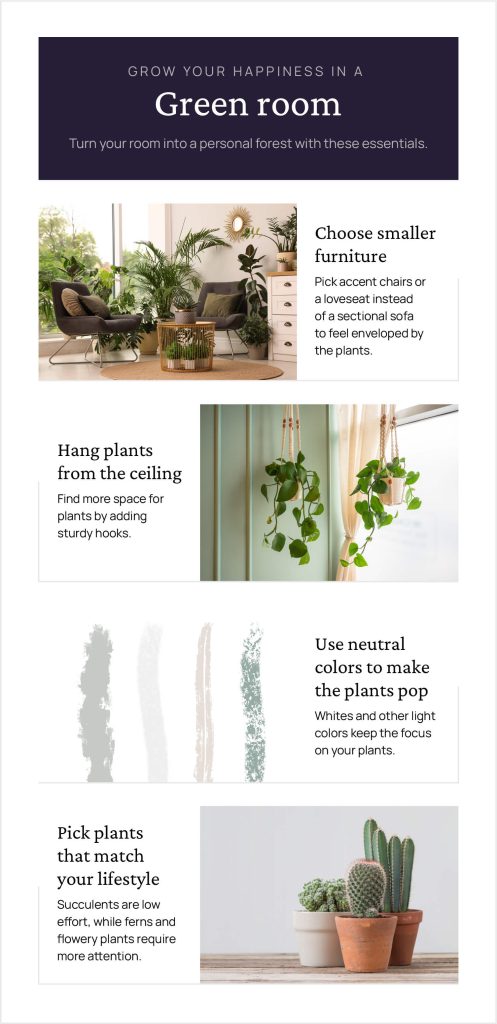
- Natural Elements: Incorporating plants into your design enhances not only the aesthetic but also serves as a natural air purifier, promoting rejuvenation. Indoor plants like snake plants or pothos are beginner-friendly choices that thrive indoors, bringing life to your sanctuary.
- Personal Touches: Adding a few meaningful items, such as family photos or art pieces from local artisans, nurtures a sense of connection to your space. These personal touches can lift your spirits and provide warm reminders of cherished moments and experiences.
- Safety and Comfort: Ensure that the space feels secure and inviting. Utilize cozy cushions, throws, and rugs to create a warm atmosphere that encourages relaxation and a sense of belonging.
Embracing the philosophy of “less is more” opens the door to a calming experience that promotes mental clarity and emotional stability. By maximizing tranquility while minimizing belongings, individuals can transform their living space into the retreat they deserve. This journey into minimalism not only beautifies the home but also fosters an enriched sense of well-being—an invaluable asset in today’s chaotic world. Explore what makes you feel at peace and start turning your ideas into reality, transforming your everyday environment into an extraordinary sanctuary.
YOU MAY ALSO LIKE: Read read another article
Essentials of Designing Your Relaxation Space
When it comes to creating a calm retreat, the first step is to identify the essential elements that will contribute to a peaceful atmosphere. In a world inundated with distractions, simplifying your space can lead to greater mindfulness and a stronger sense of well-being. To maximize the tranquility of your retreat, consider the following foundational aspects:
- Declutter Strategically: Begin by evaluating your existing items and determining what is truly necessary. Emphasize quality over quantity—retain items that evoke positive emotions or serve a distinct purpose in your relaxation process. This curated approach allows each piece to stand out, making your space feel more intentional and less chaotic.
- Utilize Natural Light: Light has a profound effect on mood and well-being. Designing your space to take advantage of natural lighting can create a warm and inviting ambiance. Large windows can be an asset; if these are not available, consider soft lighting options that mimic daylight, such as LED lamps. In regions like Nigeria where sunlight is abundant, harnessing this resource becomes pivotal in crafting a serene environment.
- Incorporate Calming Scents: The olfactory senses are deeply linked to emotions. Integrating elements like essential oil diffusers, scented candles, or even fresh flowers can transform your space. Opt for soothing fragrances such as lavender or eucalyptus, which are known for their relaxing properties, to elevate the experience in your retreat.
- Create Zones: Assign distinct areas within your relaxation space dedicated to specific activities. Whether it’s a reading corner with a comfy chair and bookcase or a meditation nook adorned with cushions, creating separate zones can help you swiftly transition between different states of relaxation.
In Nigeria, where cultural diversity seamlessly blends into daily life, infusing traditional crafts or textiles can enhance the authenticity of your retreat. Think about incorporating elements such as handwoven rugs from the North or locally sourced art that resonates with your identity. Not only do these items add character to your space, but they also foster a deep sense of connection.
The Impact of Sound and Silence
Another often-overlooked aspect of relaxation spaces is the role of sound. Sounds can be incredibly distracting or soothing. Consider the following strategies:
- Incorporate Soft Background Music: Playing gentle instrumental music or nature sounds can enhance relaxation. Platforms like Spotify have numerous playlists specifically designed for mindfulness and tranquility.
- Eliminate Noise Pollution: If your living environment is prone to disturbances, soundproofing elements like heavy curtains or white noise machines can create an oasis of calm amidst the bustle of everyday life.
- Engage in Sound Meditation: Explore the use of sound bowls or chimes that promote a meditative state. Including these tools can enrich your retreat experience, guiding you deeper into relaxation.
Focusing on these foundational aspects will allow you to craft a calming haven that embodies peace while maintaining functionality. Remember, the journey to creating a tranquil retreat is about embracing simplicity and intention, inspiring you to reconnect with yourself and the world around you.
Streamlining Your Space for Serenity
When it comes to creating calm retreats, one of the most profound yet straightforward strategies is the concept of minimalism. By consciously choosing to surround ourselves with fewer items, we can significantly enhance the tranquility of our spaces. Minimalism doesn’t merely focus on reducing clutter; it also emphasizes the importance of each piece within your environment. This intentional selection encourages mindfulness, allowing you to appreciate what you have while clearing mental space for relaxation and creativity.Another engaging aspect of designing a relaxation space is the incorporation of soft textures and soothing colors. By utilizing neutral tones or pastel palettes, you can create a calming atmosphere that promotes peace. Fabrics such as cotton, linen, or wool can add warmth and comfort to the space, turning a room into a cozy retreat. In addition, consider the arrangement of furniture. An open layout can promote a sense of freedom and spaciousness, while strategically placed items can create cozy nooks, perfect for curling up with a book or meditating. You might even evaluate the functionality of your furniture; opting for multi-purpose pieces can help eliminate the need for excess items.Furthermore, the inclusion of natural elements such as plants or natural light can significantly enhance your relaxing space. Not only do plants purify the air, but they also add a layer of life and calmness to any retreat. Natural light, on the other hand, helps encourage positive feelings, boosting your overall mood and wellness.
Choosing the Right Items
When deciding which items to keep in your relaxation space, focus on those that spark joy or hold sentimental value. The goal is to curate a space filled with meaningful items. This could be a piece of art that inspires you, comfortable seating that invites relaxation, or scents that soothe your senses, such as essential oils. By thoughtfully choosing each item based on its contribution to your sense of calm, you can reduce the overall number of possessions while simultaneously enhancing the atmosphere of serenity in your home. The less clutter you have, the more attention you can devote to the moments spent in your retreat, inviting a deeper level of relaxation into your daily life.
CHECK OUT: Click here to explore more
Textiles and Comfort: The Art of Soft Furnishings
Textiles play a significant role in establishing the ambiance of a relaxation space. Not merely for aesthetics, the choice of soft furnishings can affect comfort, warmth, and a sense of refuge. In crafting your calm retreat, consider the following aspects related to textiles:
- Select Comfortable Materials: Choose fabrics that are soft to the touch and inviting. Natural fibers, such as cotton or linen, can contribute to a soothing environment. Consider adding a plush throw blanket to your seating area or investing in a high-quality cushion to elevate your comfort levels. In Nigeria’s warm climate, breathable fabrics will ensure that your retreat remains pleasant without sacrificing coziness.
- Limit Patterns for Calmness: While patterns can vibrantly decorate a space, they can also contribute to visual clutter. Stick to a subdued color palette with minimalistic prints that evoke serenity. Soft pastels or neutral tones can promote relaxation, while bolder colors should be used sparingly as statement accents.
- Layer Textiles for Depth: Incorporate a variety of textile layers to create a sense of warmth and dimension. A combination of a textured rug, layered throws on seating, and a soft wall hanging can invite tranquility. In Nigeria’s culture, consider incorporating traditional textiles, such as Aso Oke or Adire, to enhance both comfort and cultural connection in your space.
Sustainable and Mindful Decor Choices
As you refine your relaxation space, placing an emphasis on sustainable decor can foster an environment of mindfulness. When organizing your retreat, think about the impact your choices have on the world around you:
- Embrace Local Artisanship: Supporting local artists not only enhances your space with unique and culturally relevant items, but it also promotes sustainability. Look for handcrafted decor that tells a story, reflecting the rich traditions of Nigeria. This not only infuses your retreat with character but instills a sense of pride and connection to your roots.
- Invest in Multi-functional Furniture: Choosing furniture pieces that serve multiple purposes can prevent overcrowding while maintaining functionality. For example, a storage ottoman can serve as both seating and hidden storage for blankets, thereby keeping your space tidy. Similarly, a daybed can function as a lounging area during the day and transform into a guest bed at night.
- Natural Elements in Decor: Bringing the outdoors in can create a harmonious atmosphere. Incorporating plants native to Nigeria, like the snake plant or pothos, promotes better air quality while adding a touch of nature to your retreat. Creating a green corner filled with potted plants can serve as a visual and emotional anchor, reminding you of the tranquility of natural landscapes.
By focusing on the textiles and the thoughtful integration of sustainable decor, you can shape a serene environment that nurtures the soul. Prioritizing comfort and intention in your choices will cultivate a haven for relaxation, helping to ease the burdens of daily life while embracing the essence of your surroundings.
CHECK OUT: Click here to explore more
Conclusion: Embrace Minimalism for Inner Peace
Creating calm retreats within your home is not merely about aesthetics; it is a transformative practice that inspires relaxation and rejuvenation. By deliberately choosing fewer items and focusing on quality over quantity, you unlock the potential for a tranquil environment where stress dissipates and serenity thrives. As highlighted in this article, textiles play a vital role in crafting your haven; they enhance comfort and warmth while promoting a visually soothing atmosphere. Opting for natural fabrics, subdued colors, and thoughtful layers can significantly elevate the ambiance of your space.
Furthermore, integrating sustainable decor options and supporting local artisans cultivates both mindfulness and a sense of community. The incorporation of multifunctional furniture not only maximizes space but also enhances functionality, aligning with the minimalist ethos. While bringing in nature through plants enriches the environment, it also serves as a reminder of the beauty inherent in simplicity.
Ultimately, your calm retreat reflects your unique preferences and cultural background, making it an expression of your identity. As you embark on this journey of creating relaxation spaces with fewer items, remember that the essence lies in peace, comfort, and connection to your roots. As the world outside continues to evolve, let your retreat remain a sanctuary—a place where clarity is found, burdens are lifted, and tranquility reigns.