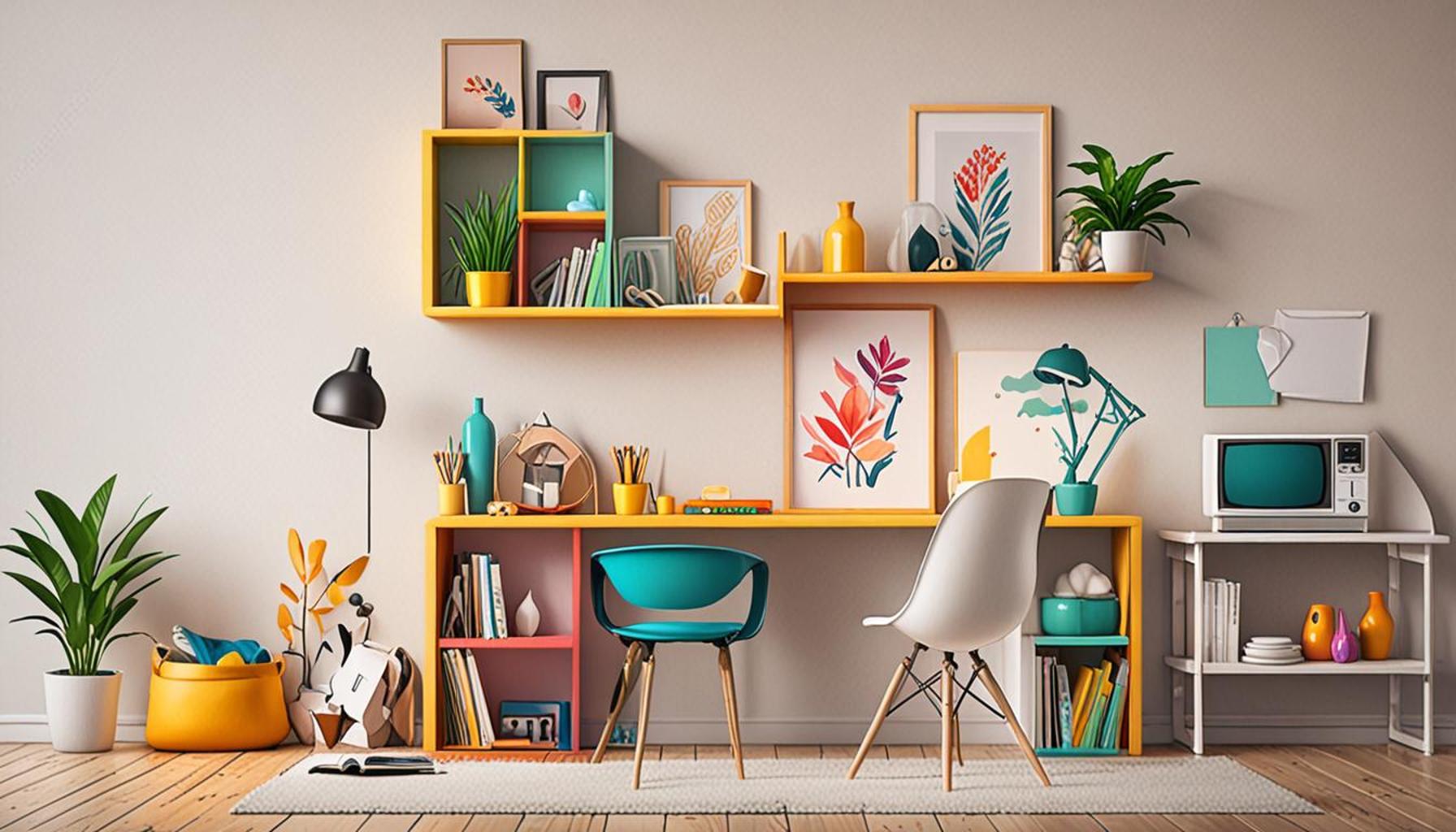
Creating a Clutter-Free Lifestyle: How Decluttering Affects Our Personal Relationships

Understanding the Importance of Decluttering
In today’s fast-paced world, a cluttered environment can create a chaotic mind. It’s easy to accumulate items—souvenirs from journeys, clothes we rarely wear, or even gifts that have lost meaning. But what if simplifying our space could also simplify our relationships?
Decluttering isn’t just about removing physical items; it involves reassessing our values and priorities. Through this process, individuals can gain a clearer understanding of what truly matters to them, leading to more fulfilling connections with friends and family.
Improved Communication
Improved communication is one of the most important benefits of decluttering. A tidy space can lead to clearer conversations. For instance, when hosting a family gathering, a well-organized home allows guests to focus on the dialogue rather than being distracted by disarray. In cultures such as Nigeria, where communal interactions are central, maintaining a neat environment can significantly enhance these social exchanges. When distractions are minimized, individuals are more present and engaged, enabling deeper and more meaningful conversations that can bridge generational gaps.
Reduced Stress
Reduced stress is another critical advantage of a decluttered space. Clutter often contributes to anxiety, impacting mental health and affecting interactions with others. Studies have shown that individuals in cluttered environments can experience increased levels of stress hormones, leading to irritability and conflict in relationships. A peaceful environment fosters emotional well-being, enhancing our ability to connect with others. For instance, families in bustling urban areas like Lagos may find that a simplified home allows for a serene refuge amidst the city’s frenzy, improving overall family dynamics.
Time Efficiency
Adopting a simplified living approach greatly enhances time efficiency. Families can spend more time together when home organization is prioritized. Less time spent searching for items means more quality moments shared with loved ones, from casual Saturday afternoons to critical family discussions. Imagine a father who no longer needs to rummage through piles of laundry to find his children’s lost toys; instead, he can engage in enriching conversations or activities with them, fostering stronger bonds and memories.

In Nigeria, the concept of community is deeply embedded in our culture. A clutter-free home can create an atmosphere that encourages gatherings and strengthens bonds among family and friends. Imagine welcoming visitors into a serene space instead of one filled with disarray, and the powerful conversations that can ensue.
Conclusion
This article will investigate how adopting a clutter-free lifestyle not only clears physical spaces but also nurtures and enhances our relationships. By focusing on these areas, individuals can learn to appreciate the profound connection between their physical environment and emotional well-being. Join us as we dive into the transformative effects of decluttering and discover ways to create harmony in your personal life.
RECOMMENDED: Check out this similar article
Benefits of Decluttering: Enhancing Connections
As we delve into the effects of decluttering on personal relationships, it’s crucial to recognize the multifaceted advantages that come with a more organized life. Beyond creating a visually appealing space, decluttering opens the door to improved relational dynamics. Here are some key ways in which a clutter-free lifestyle can transform our interactions:
Fostering Empathy and Understanding
When we declutter our personal spaces, we often find ourselves confronting the emotional weight of the items we have held onto. This process allows for an introspective journey that can lead to greater empathy and understanding in our relationships. As individuals reflect on their possessions, they also reflect on their experiences and emotions tied to those items. This newfound awareness can translate into being more considerate and empathetic towards others. For example, a Nigerian mother who takes the time to declutter may come to appreciate her children’s individuality, resulting in stronger family cohesion.
Encouraging Shared Goals
A clutter-free environment makes it easier for families to align their objectives and priorities. Shared goals are foundational to nurturing relationships, and simplicity in our surroundings can act as a catalyst. Imagine a household where everyone is focused on maintaining a tidy space. Here are some ways to cultivate collective ambitions:
- Scheduling regular decluttering sessions together
- Creating a vision board to highlight family aspirations
- Crafting a family mantra centered on minimalism and mindfulness
By moving towards a shared vision of a clutter-free lifestyle, family members bond over the common task of supporting each other in achieving simplicity, thereby solidifying their relationships. In urban centers like Abuja, where space can be limited, working together to keep the home streamlined can significantly enhance family unity and communication.
Creating a Sense of Belonging
A decluttered home cultivates a sense of belonging, which is critical for nurturing relationships. When living spaces are organized and inviting, individuals feel more inclined to host gatherings or simply spend time together. The warmth and openness of a tidy environment create an atmosphere where interactions flourish. For instance, when a family in Ibadan invests in decluttering their living room, friends and relatives are more likely to drop by, spurring spontaneous gatherings and deep conversations. These moments contribute to forming lasting memories, reinforcing a sense of community and friendship.
Empowerment through Decision-Making
Lastly, the act of decluttering encourages an ongoing process of empowerment through decision-making. The choices we make about what to keep and what to let go of can transform how we approach relationships. This skill in determining what is essential can influence how we prioritize people and commitments in our lives. For example, a young professional in Lagos who learns to declutter their work and home spaces may also feel empowered to prioritize their friendships and meaningful connections over transient social obligations.
In summary, decluttering extends far beyond a mere organizational task; it breathes life into our interactions. By fostering empathy, encouraging shared goals, creating a sense of belonging, and empowering decision-making, individuals can unlock a healthier, more engaged approach to their personal relationships. The journey toward a clutter-free lifestyle is indeed a pathway to relational fulfillment.
| Advantages | Effects on Relationships |
|---|---|
| Enhanced Communication | A tidy environment fosters clear and open discussion, allowing individuals to express their feelings without distraction. |
| Reduced Stress Levels | Decluttering minimizes stress, enabling nurturing environments that enhance emotional connections. |
| Increased Quality Time | Less clutter means more room for quality interactions and shared experiences that strengthen bonds. |
| Empowerment and Collaboration | Working together to declutter promotes teamwork and shared goals, essential for personal growth within relationships. |
As we dive deeper into the connection between decluttering and personal relationships, it becomes evident that the physical and emotional space we create through decluttering plays a significant role. By eliminating physical clutter, individuals can invoke a sense of peace and mental clarity that facilitates more profound connections with others. When surrounded by order, partners and family members may find themselves more inclined to engage in thoughtful conversations, setting the stage to address any underlying issues without the confusion that clutter fosters.Additionally, a decluttered home is often perceived as a more welcoming space, inviting friends and family to visit. This openness helps strengthen bonds, as shared moments become more accessible and enjoyable. Fostering this inviting atmosphere not only enhances existing relationships but also attracts new connections based on shared values of minimalism and intentional living.Moreover, tackling the clutter collectively empowers relationships. When two or more individuals unite to declutter their environment, they create opportunities for collaboration and shared responsibility. This mutual engagement not only reinforces relationship dynamics but also aids in the practical decision-making skills that are vital for a healthy partnership. Thus, embracing a clutter-free lifestyle is not merely about tidiness, but also about cultivating the essential emotional architecture that supports enduring, meaningful relationships.
SEE ALSO: Click here to read another article
Building Trust and Communication through Space
The link between a clutter-free lifestyle and improved relationships extends into the realms of trust and communication. A disorganized space can often lead to misunderstandings and miscommunications among family members and friends. As individuals engage in the decluttering process, they create opportunities to voice their thoughts, needs, and preferences regarding their shared environment. This open dialogue fosters an atmosphere of trust that is essential for any strong relationship.
The Power of Transparency
Transparent communication is key when sharing living spaces. Engaging in decluttering together allows individuals to express their desires for their environment and facilitate discussions about boundaries and expectations. For example, roommates in a bustling university in Ibadan may confront clutter challenges that stem from differing lifestyles. By openly discussing what is essential for each member’s comfort—be it study materials or cooking utensils—they can establish a balanced approach to sharing the space. The act of decluttering becomes less about removing items and more about creating agreements that enhance mutual respect and understanding.
Strengthening Relationships through Shared Experiences
Decluttering not only simplifies our surroundings but also generates shared experiences that can bond individuals in profound ways. When families embark on this journey together, they engage in a voyage of memories tied to certain items, which can reignite old stories and laughter. Imagine a Nigerian family sorting through memorabilia from past celebrations, sharing anecdotes that bring them closer. Such moments can solidify emotional bonds and enhance the family’s sense of identity.
Encouraging Conflict Resolution
A cluttered environment can be a breeding ground for conflict. When people are overwhelmed by their surroundings, small disagreements may escalate into larger issues. However, decluttering encourages conflict resolution by providing a platform for discussion. When a couple in Lagos, for example, decides to declutter their bedroom, they may uncover lingering tensions tied to personal items. Addressing these concerns during the process can lead to a more harmonious living situation. Through collaborative efforts to create a comfortable space, partners can learn to navigate difficulties, further strengthening their relationship.
Creating Opportunities for New Beginnings
Decluttering can also signify fresh starts in personal connections. Letting go of items tied to past experiences can help individuals release emotional burdens and make room for personal growth. For instance, a young woman in Enugu who has recently ended a relationship might find solace in decluttering the space shared with her ex-partner. This process serves as more than just an organizational task; it becomes a symbolic act of moving forward and inviting new relationships into her life. A clutter-free environment enables one to focus on the future, making way for healthier connections.
Ultimately, the process of decluttering offers profound insights into how our environments reflect and influence our relationships. From bolstering communication to promoting trust, the act of letting go might be the key to nurturing deeper connections with those around us.
RECOMMENDED: Check out this similar article
Final Thoughts on a Clutter-Free Lifestyle and Personal Relationships
In our fast-paced world, the significance of adopting a clutter-free lifestyle cannot be overstated, especially when it comes to nurturing personal relationships. As we have explored, the act of decluttering transcends mere organization; it becomes a catalyst for enhancing communication, trust, and emotional bonding among family members and friends. The process invites individuals to share their feelings and experiences, fostering an environment where mutual understanding thrives.
By confronting clutter, we not only tackle physical disarray but also address the emotional weight tied to objects. This journey empowers us to navigate conflicts, build more robust connections, and embrace new beginnings in our relationships. Moreover, it encourages a collaborative spirit that can bridge gaps among diverse lifestyles and individual needs—whether in a bustling city like Lagos or a serene village in Nigeria.
As we reflect on the interconnectedness between our environments and relationships, it becomes clear that decluttering creates a fertile ground for personal growth and connection. Therefore, consider taking the first step toward a cleaner space today. Releasing the old can lead to welcoming new possibilities, ultimately transforming our personal lives for the better. Embracing this journey not only redefines our living spaces but also enhances the very fabric of our relationships, making room for love, respect, and understanding to flourish.