Crafting Digital: Exploring Art and Design Projects with Online Tools
Exploring the Creative Transformation in the Digital Era
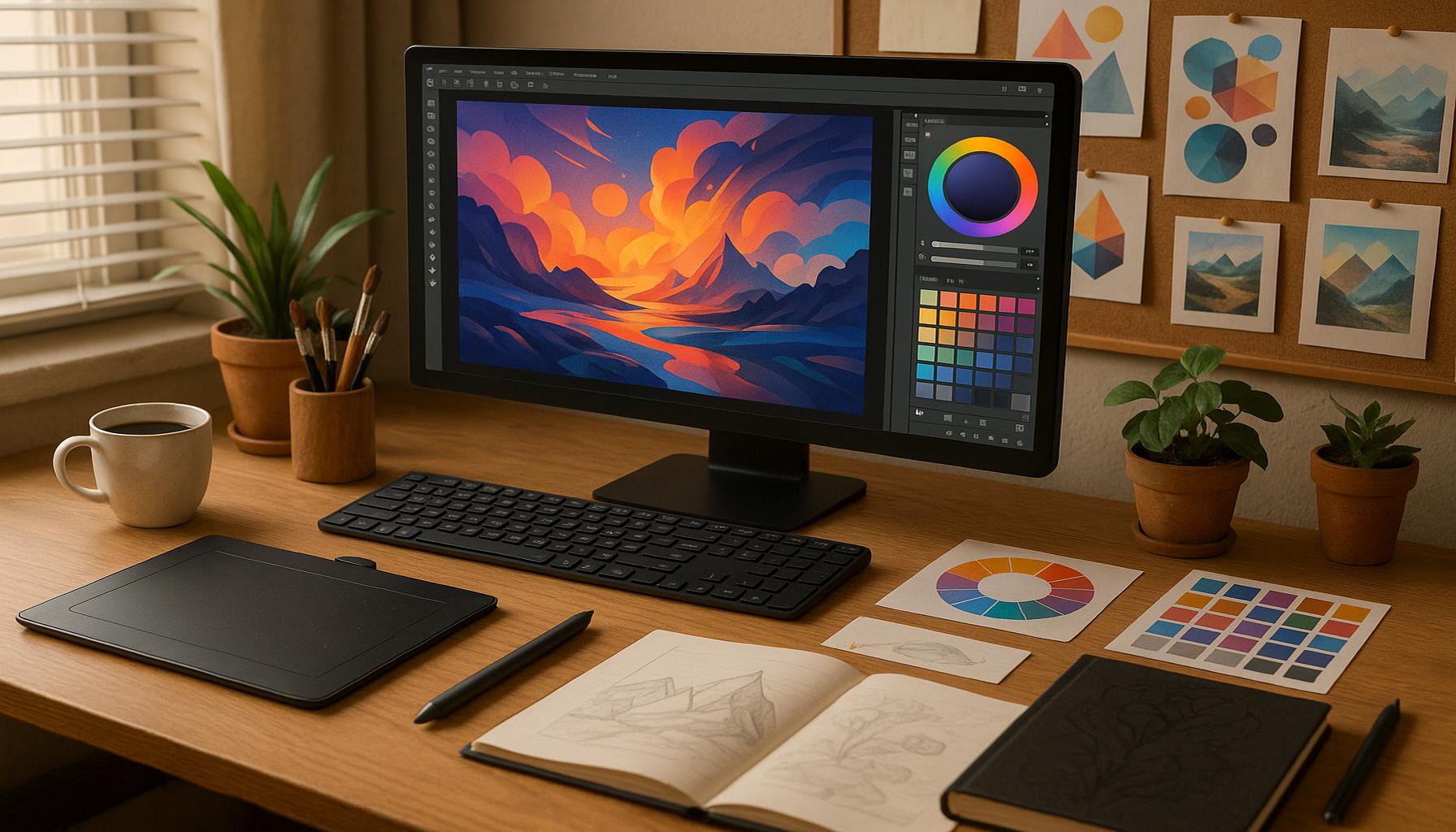
As the digital era reshapes various facets of human experience, creativity is standing at the forefront of this transformation. With the influence of technology, individuals at every skill level—be it aspiring hobbyists or seasoned professionals—are finding new and engaging ways to express themselves through art and design. The widespread availability of innovative online tools has not only democratized art creation but also expanded the definitions of creativity and artistic expression.
The landscape of digital creativity offers a vast array of platforms equipped with features that cater to diverse artistic needs. For instance, graphic design has become more accessible than ever, with user-friendly platforms like Canva and Adobe Spark providing templates, stock images, and intuitive interfaces. These tools enable users to create eye-catching graphics for social media, marketing materials, and personal projects, eliminating the barriers that once made graphic design the purview of trained professionals. A notable example is the explosion of small businesses utilizing these tools to launch unique branding campaigns without needing expensive design services.
In addition to graphic design, the field of 3D modeling is gaining traction among creatives. Websites like Tinkercad are designed for all skill levels and even provide tutorials to help newcomers develop their design skills. With the rise of 3D printing technology, creators can take their digital designs into the physical realm, creating everything from prototypes to artistic sculptures. This technological convergence encourages experimentation and fosters unique outcomes that promote innovative thinking in both educational settings and entrepreneurial endeavors.
Another captivating aspect of digital creativity is the ability to animate. Utilizing software like Blender and Animaker, artists and storytellers can breathe life into characters and concepts through motion, sound, and visual effects. These animation tools enable creators of all backgrounds to explore narratives in dynamic ways, often leading to collaborations that combine storytelling and technology. The rise of platforms like YouTube has further enabled animators to showcase their work to a global audience, fostering a vibrant community of creators.
The tools available today often include features that enhance creative potential, such as collaborative options where users can work on projects in real time, share resources, and provide constructive feedback. As a result, the digital creative landscape fosters a sense of community, inspiring individuals to share knowledge and techniques—a movement exemplified by forums, social media groups, and workshops that focus on teaching others.
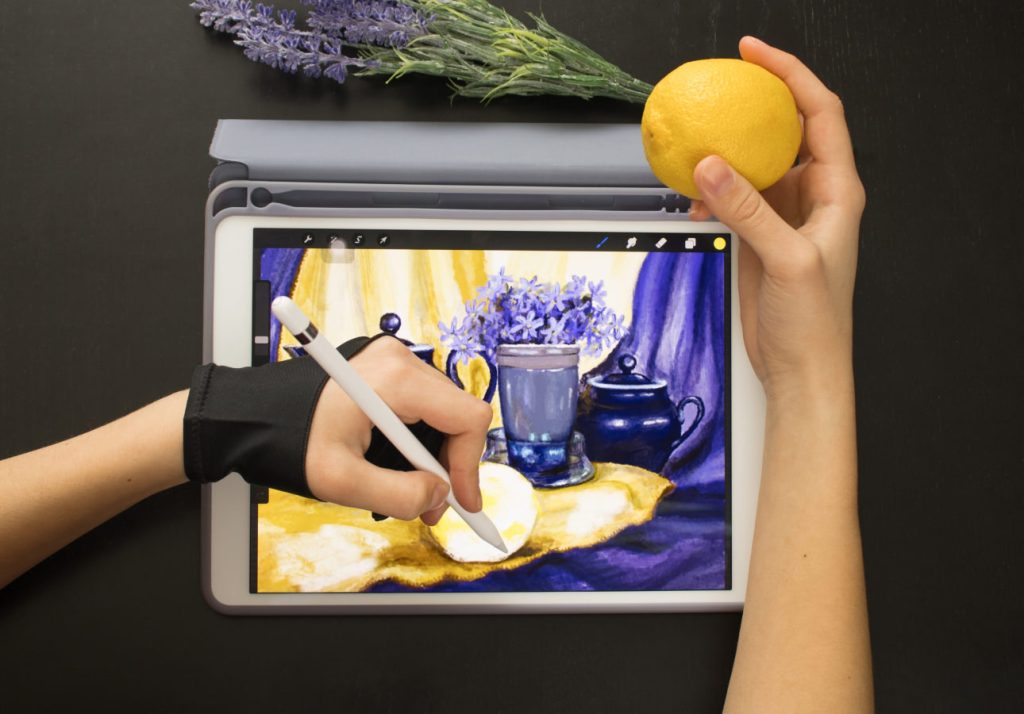
As you set forth on your digital crafting journey, you may find that you uncover hidden talents or deepen your existing skills. This convergence of technology and artistry is not only about the tools; it is about joining a community that thrives on learning and sharing ideas. Together, let’s explore the exciting possibilities that digital crafting unveils, as it continues to reshape the artistic landscape in the United States and beyond.
DON’T MISS: Click here to discover the art of transforming your dishes
Unlocking Artistry: The Spectrum of Online Creative Tools
As the realm of digital crafting continues to expand, the variety of tools available is growing at an unprecedented rate. These platforms cater to several artistic disciplines, empowering anyone with an internet connection to embark on creative projects. The ability to craft digital art is no longer confined to those with formal training; instead, it welcomes a diverse group of creators, each exploring their unique style and vision.
One of the most exciting aspects of this digital revolution is the sheer number of tools available across various art forms. Here is a breakdown of some popular categories of online tools that enable artists and designers to unleash their creativity:
- Graphic Design: As previously mentioned, tools like Canva and Adobe Spark lead the charge in making graphic design more approachable. With customizable templates and drag-and-drop features, users can easily create social media graphics, infographics, and marketing materials.
- Digital Painting and Illustration: Platforms such as Procreate and Adobe Fresco provide artists with the ability to create stunning digital illustrations. These applications mimic the textures of traditional painting, allowing for an authentic artistic experience.
- Video Editing: The rise of video content has led to a surge in demand for video editing tools. Platforms like WeVideo and Filmora enable users to edit videos seamlessly, incorporating text, graphics, and soundtracks to enhance storytelling.
- Photography Editing: Online tools like Pixlr and Fotor offer efficient photo editing solutions that appeal to both amateur photographers and social media enthusiasts. From applying filters to retouching images, these tools help individuals enhance their photographic visuals effortlessly.
In addition to these key categories, the integration of community features within many platforms sets digital art apart from traditional forms of creativity. Many online tools provide forums, tutorials, and social media integration, creating spaces for users to collaborate, critique, and celebrate one another’s work. For instance, platforms like DeviantArt and Behance foster networks of artists who can showcase and discuss their creations, forming bonds that enhance their craft.
The educational potential of these platforms should not be underestimated; many digital tools come equipped with tutorials, webinars, and community support that can significantly shorten the learning curve for newcomers. For example, sites like Skillshare and Udemy offer courses focused on a variety of digital art and design skills, from mastering Photoshop to creating engaging animations. This accessibility allows more individuals to experiment and discover their artistic voices than ever before.
Moreover, the rise of mobile applications has enabled artists to create on-the-go, ensuring that inspiration can be captured anytime, anywhere. The portability of smartphones and tablets allows creators to design and edit their work during commutes, in cafes, or at home, blending into the fabric of their daily lives.
In summary, the world of digital crafting is rich with tools and resources that empower individuals to express themselves creatively, collaborate with others, and expand their skill sets. These opportunities are inviting everyone to participate in the artistic movement, regardless of their background or expertise, ultimately redefining what it means to create in today’s digital age.
| Advantages of Online Tools | Description |
|---|---|
| Accessibility | Online tools are available anywhere with an internet connection, allowing creators to work on projects anytime and from any location. |
| Collaboration | Many online platforms offer real-time collaboration features, enabling multiple users to work together seamlessly, which enhances creativity and efficiency. |
| Diverse Resources | A vast array of templates, tutorials, and design assets are readily available, which can significantly improve the quality of projects. |
Crafting digital art and design projects has never been more exciting, thanks to the myriad of online tools available today. The growing accessibility of these platforms supports not only hobbyists but also professionals aiming to enhance their portfolios. Whether you’re integrating digital painting, graphic design, or 3D modeling, the convenience and flexibility offered by online tools make them invaluable assets in the creative process.The benefits of collaboration in these environments cannot be overstated. Users are no longer restricted to solo projects; instead, they can connect with other artists and designers in real time, enriching their projects with diverse input and perspectives. Furthermore, the availability of training materials and community support encourages continual learning and skill enhancement.Lastly, the variety of resources provided, from pre-made templates to extensive libraries of fonts and images, empowers individuals to realize their vision quickly and efficiently. With each new update and tool, we continue to witness how the intersection of art and technology is transforming the way we create. The future of design is here, and it is digital.
DISCOVER MORE: Click here to uncover the art of presentation
Fusion of Technology and Tradition: Reviving Classic Techniques Through Digital Means
While the digital landscape offers innovative tools that can transform the creative process, it also provides a backdrop for reviving traditional art techniques through technology. Artists and designers are increasingly blending classic methods with digital technologies to create compelling works that resonate with audiences on multiple levels. This fusion is not just an aesthetic choice; it enhances the storytelling aspect of digital crafting, grounding it in a historical context while simultaneously pushing it into new territories.
One prime example is the resurgence of calligraphy and typography in digital art. Artists are exploring software like Procreate and Adobe Illustrator to recreate intricate lettering styles that hold strong ties to traditions. Online resources offer tutorial series that teach the basics of calligraphy while providing digital tools that allow for experimentation with fonts and styles. In the hands of a skilled artist, these digital implementations can create visually stunning invitations, logos, and digital artworks that maintain a hand-crafted feel.
Additionally, illustrators are rediscovering traditional techniques such as watercolor painting through digital tools. For instance, Adobe Fresco simulates the flow and layering of watercolors, allowing artists to achieve organic effects without the mess of physical materials. This encourages artists to explore a medium they may have shied away from in the past while taking advantage of undo options and digital enhancements. Online communities thrive on sharing their watercolor creations, leading to unique collaborations and challenges that push artistic boundaries.
In the realm of 3D design, platforms like SketchUp and Blender are enabling users to explore architectural and product design with an emphasis on traditional craftsmanship. Virtual workshops and online courses teach aspiring designers the principles of scale, perspective, and form, making it easier to replicate time-honored techniques in the digital sphere. Users can share their projects in forums, receiving constructive feedback from peers and industry professionals alike, leading to a richer learning experience.
The democratization of tools also extends to crafting techniques such as fiber arts, where digital software plays a role in modern textile design. Programs like Spoonflower allow users to create custom fabric patterns that can bring traditional sewing and knitting projects to life. By merging hand-drawn designs with digital printing technologies, crafters can create unique pieces that tell a story while reflecting contemporary aesthetics.
Furthermore, the rise of augmented reality (AR) is infusing traditional and digital art practices with an interactive element. Artists are exploring AR applications, allowing their creations to be experienced in real-world settings through smartphones. This adds another layer to their work, engaging audiences in new ways and blurring the lines between the actual and the virtual. For instance, an artist might create a mural that, when viewed through a specific app, triggers animations and sounds, transforming a static image into an immersive experience.
As these traditions are reimagined through online tools, they create opportunities for collaboration across global boundaries. Artists can connect with others who appreciate similar techniques, sharing methods and influences that may be specific to their cultures or experiences. The result is a melting pot of ideas that respects historical foundations while innovating toward the future, ultimately enriching the digital crafting landscape.
DIVE DEEPER: Click here for personalized crafting ideas
Conclusion: Embracing the Future of Art and Design
The journey through the realm of digital crafting underscores a profound evolution in art and design, driven by the transformative potential of online tools. By marrying technology with traditional art forms, contemporary artists are not only reviving classic techniques but are also expanding creative frontiers. As we’ve explored, the tools available today—from sophisticated illustration software to interactive augmented reality—empower creators to push beyond conventional boundaries and express their visions in innovative ways.
This fusion of the old and the new creates an enriched dialogue within the art community, facilitating collaborations that transcend geographical constraints. Artists globally are harnessing resources like virtual workshops and online forums to share knowledge, techniques, and cultural influences, cultivating a vibrant ecosystem where creativity knows no bounds. Digital platforms provide a space for expert tutorials, collaborative projects, and the exchange of ideas that nurture each artist’s growth through constructive feedback and support.
As the landscape of crafting continues to evolve, it is crucial to acknowledge the enriching possibilities that lie ahead. By embracing these digital tools, artists not only revolutionize their own practices but also contribute to a collective narrative that honors traditional roots while heralding an exciting future. The art of crafting digital is a call to all creators to explore, innovate, and connect, ensuring that the sanctity of artistry lives on in new, dynamic forms. With every pixel and stroke, we are reminded that the journey of creation is as limitless as our imagination.