Cooking with Kids: How Cooking Can Foster Creativity and Teamwork
Engaging Children in the Culinary World
Involving children in the kitchen goes beyond simply preparing meals—it’s a dynamic way to foster their creativity and hone their teamwork skills. Cooking with kids provides a unique, hands-on experience that not only teaches them essential culinary skills but also helps them grasp important life concepts while engaging in a fun activity. This enriching experience can unlock their imagination and encourage a collaborative spirit, turning the kitchen into an ideal classroom.
Key Benefits of Cooking Together
- Enhances creativity: Children are naturally curious and creative. When cooking, they can experiment with different flavors, textures, and presentation styles. For example, they might decide to add an unexpected spice to a dish or arrange food into artistic designs, transforming a simple salad into a colorful masterpiece that reflects their personality.
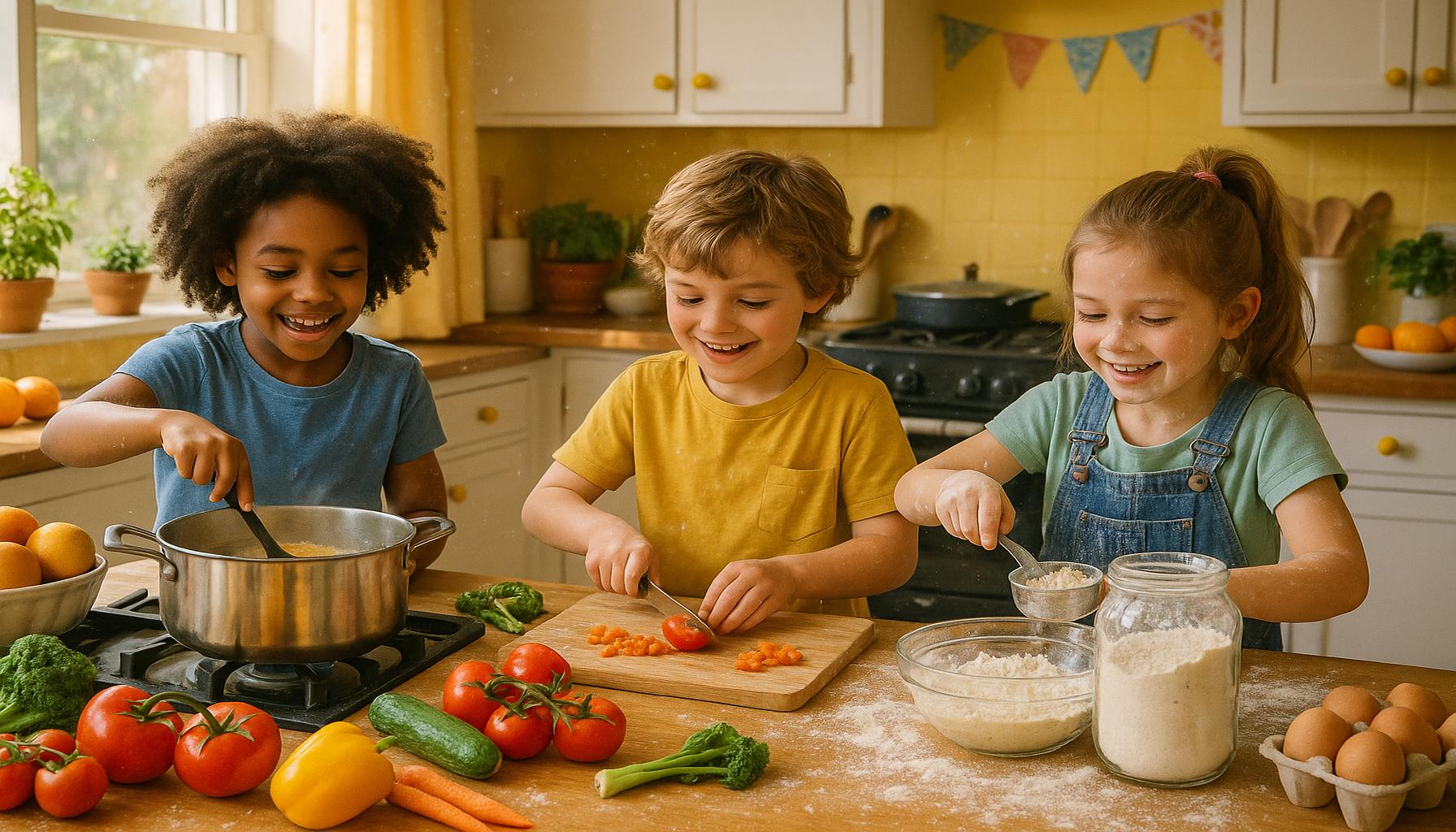
- Teaches teamwork: Cooking together provides a wonderful opportunity for kids to engage in collaborative problem-solving. As they share tasks—whether chopping vegetables, stirring a pot, or measuring ingredients—they learn to communicate effectively and cooperate with others. This teamwork is vital, not only in the kitchen but also in school projects and group activities, helping them develop essential social skills.
- Boosts confidence: Completing a recipe successfully instills a sense of achievement in children. When they follow through on a cooking project—from prep work to plating the final dish—they gain confidence in their abilities. This newfound self-assuredness can translate to other areas of their lives, encouraging them to tackle challenges with enthusiasm and resolve.
- Promotes healthy eating: Children who take part in the cooking process are more likely to try new foods and develop healthy eating habits. By being involved in decisions about what ingredients to use and how to prepare them, kids become more invested in their meals. For instance, a child who helps make a colorful stir-fry may be more inclined to enjoy the vegetables they helped chop.
As families across the United States recognize the multifaceted benefits of cooking with kids, a wealth of resources and recipes is readily available to inspire these culinary adventures. Websites, cookbooks, and community classes abound, offering parents creative and engaging ways to integrate fun with education in family cooking. Such experiences not only enhance culinary skills but also create lasting memories and bonds that families can cherish for years to come.
In conclusion, cooking with children is a delightful way to cultivate essential life skills, promote healthy lifestyle choices, and, most importantly, create treasured moments together. As they whisk, knead, and stir their way through various recipes, families are building foundations for a lifetime of healthy eating, creativity, and teamwork.
Unlocking Creativity through Culinary Exploration
One of the most exciting aspects of cooking with kids is the potential it holds for unleashing creativity. The kitchen can be a vibrant playground where a child’s imagination can run wild. By engaging with various ingredients, colors, and cooking techniques, children can approach a recipe like a blank canvas, allowing their personality to shine through. In fact, studies suggest that children who participate in creative activities are more likely to excel in problem-solving and critical thinking skills, essential tools in both academic and social settings.
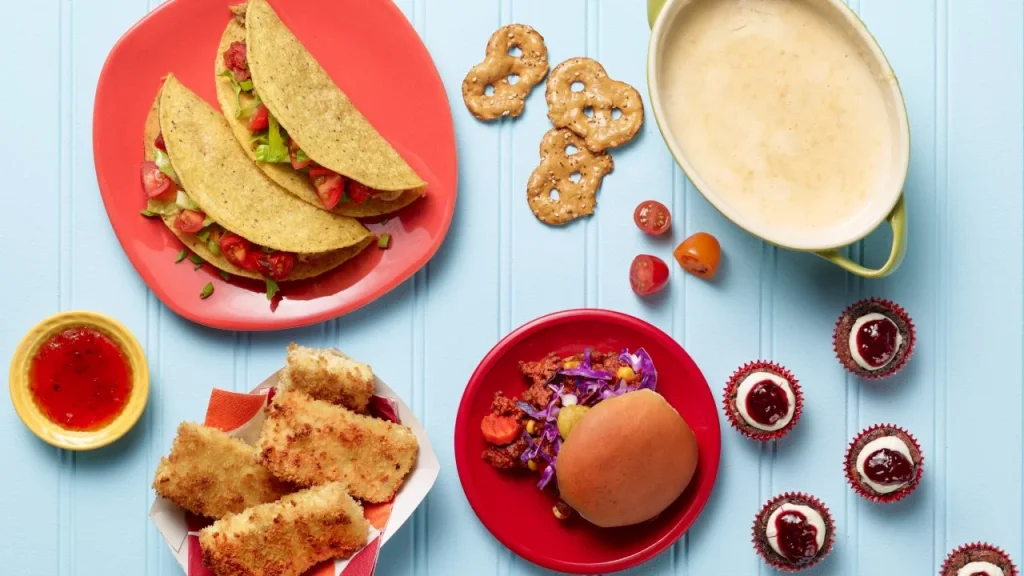
Encouraging children to experiment is key. When preparing a dish, instead of strictly adhering to a recipe, parents can invite their young chefs to suggest alterations or substitutes. For example, if a pizza recipe calls for pepperoni, your child might propose using a mix of colorful bell peppers instead. Such a choice not only encourages them to think creatively about flavors but also opens discussions about nutrition and food choices, fostering a healthier approach to cooking.
Hands-On Learning: A Recipe for Success
Cooking is inherently a tactile experience, which makes it an effective vehicle for hands-on learning. Children learn best when they can touch, feel, and manipulate materials, and cooking provides a sensory-rich environment. Measuring flour, washing vegetables, or cracking eggs involves physical actions that strengthen fine motor skills while also reinforcing basic math concepts like counting and measuring. These tasks, although simple, lay a foundation for more complex skills as children grow.
The collaborative nature of cooking is equally important as it promotes teamwork. When families unite in the kitchen, each person can assume specific roles, creating a mini-ecosystem of responsibility. Parents can designate tasks based on skill level and interests, encouraging children to step outside their comfort zones. Younger kids might excel in simple tasks like washing produce or setting the table, while older siblings can take the lead on chopping or supervising baking times. This distribution of tasks fosters a sense of accountability and helps children learn to rely on one another, further enhancing their teamwork skills.
From organizing a chaotic kitchen to celebrating the pride of a shared meal, cooking provides a unique platform for children to experience the power of collaboration. According to experts, engaging in family cooking not only improves communication skills but also deepens familial bonds. The simple act of creating something together cultivates trust and respect among family members, creating an environment ripe for open discussion and learning.
In this age of technology, where children may often be engrossed in screens, cooking offers a refreshing way to disconnect. By immersing them in the cooking process, families can establish traditions, encourage a spirit of creativity, and cultivate essential life skills. Embracing cooking as a family affair leads to delicious outcomes, both on the plate and in lasting familial connections.
Cooking with kids offers a wealth of opportunities not only to bond as a family but also to cultivate essential life skills that can enhance their daily interactions. In a kitchen environment, creativity is sparked as children are encouraged to explore various ingredients, flavors, and cooking techniques. Through experimentation, they learn that not every creation will yield a delicious result, but this process itself can inspire innovative thinking and problem-solving skills. By allowing children to express themselves in a culinary setting, we provide a platform for them to develop their unique palettes and personal preferences.Moreover, cooking inherently requires teamwork. When children participate in preparing a meal, they learn to communicate effectively, delegate tasks, and share responsibilities. These activities foster a sense of belonging and enhance their ability to work collaboratively towards a common goal. For instance, while one child measures ingredients, another might be responsible for chopping vegetables, all while managing to discuss their favorite meals and why they enjoy them. Such interactions not only create lasting memories but also build a foundation for strong interpersonal skills that they will carry into adulthood.The cooking experience can also be enriched by including multicultural recipes, which can broaden a child’s understanding of global cuisines and cultural significance. Engaging with different cooking traditions invites children to appreciate diversity, fostering respect and empathy towards various cultures. This not only makes the cooking experience educational but also deepens their appreciation of teamwork, as they learn to share and celebrate differences in a constructive manner. In essence, cooking with kids is a multidimensional activity that does more than simply fill bellies; it nourishes creativity and instills teamwork while reinforcing essential life skills that will benefit them throughout their lives. Encouraging a joy of cooking can truly transform mealtime into an engaging and valuable experience.
Creating Lasting Memories through Shared Experiences
Cooking with kids goes beyond the food itself; it is about building lasting memories. When families gather in the kitchen, the atmosphere transforms into one of excitement, laughter, and learning. These moments serve as a foundation for cherished experiences that children will carry into adulthood. Engaging in cooking activities allows children to create stories around their meals. Maybe it’s a mess from flour flying across the counter or a competition to see who can shred the cheese the fastest—each event becomes a thread woven into the fabric of the family narrative.
Part of this narrative can involve exploring cultural heritage through culinary traditions. Cooking traditional family recipes introduces children to their backgrounds, fostering a sense of identity and belonging. For instance, a family might dedicate a weekend to making homemade tamales or pasta from scratch, teaching kids not just how to cook but also why these dishes are significant. Such activities instill pride and passion for their roots while providing an avenue for learning about different cultures and customs.
Encouraging Healthy Eating Habits
In a world dominated by fast food and processed snacks, cooking with kids provides a unique opportunity to promote healthy eating habits. As children actively participate in meal preparation, they develop a better understanding of food, nutrition, and cooking techniques. This involvement often translates to healthier choices as they learn to appreciate the fresh ingredients they wield. Studies indicate that children who help in the kitchen are more likely to eat a wider variety of fruits and vegetables, which can combat issues of picky eaters.
Additionally, parents can use cooking sessions as an opportunity to discuss dietary choices and food sourcing. By incorporating lessons about local vegetables, the benefits of eating seasonal produce, and sustainable practices, young cooks can become more conscious consumers and advocacy for healthy living. Such discussions can also ignite a lifelong love for cooking as a part of a balanced lifestyle.
Building Confidence and Independence
Cooking demands a certain level of independence, which can significantly help in building confidence among children. Allowing kids to take charge—choosing the recipe, preparing ingredients, and following through to the meal’s completion—can boost their confidence tremendously. As they see the fruits of their labor on the dinner table, they learn the value of perseverance and the rewards of hard work. Parents can nurture this independence by gradually passing over more responsibilities, teaching them how to make decisions and navigate challenges in a controlled environment.
Incorporating cooking into family routines not only enhances productivity but empowers children to express their individuality through the food they create. When siblings collaborate on a dish, they learn valuable lessons about negotiation and compromise. For example, varying flavor preferences can ignite lively debates, requiring each child to voice their opinions and make collaborative decisions. This dynamic promotes essential conflict resolution skills that are invaluable in both personal and team settings as they grow.
Overall, the act of cooking with kids serves as a multifaceted platform to develop lifelong skills and foster creativity and teamwork. Embracing these experiences can lead to a generation of empowered, inquisitive individuals ready to explore the world—and their place within it—one meal at a time.
Conclusion: The Transformative Power of Cooking Together
In summary, cooking with kids is not merely an act of preparing meals but a dynamic process that enriches family relationships, personal development, and lifelong skills. Through shared moments in the kitchen, families cultivate creativity and teamwork, allowing children to express themselves while working collaboratively to achieve delicious outcomes. The mess and noise of cooking transform mundane routines into delightful adventures that resonate for years to come.
As children taste the fruits of their labor, they gain a sense of accomplishment, enhancing their confidence and fostering independence. By sharing culinary traditions, families also deepen their cultural ties and create a rich tapestry of memories that can be passed down through generations. Furthermore, instilling healthy eating habits during these cooking sessions lays a strong foundation for nutritious lifestyles that can positively impact overall well-being.
Understanding the various dimensions of engaging children in the kitchen highlights a motivating approach for parents and guardians. The lessons learned extend far beyond cooking skills. They encompass creativity, resilience, and a strong sense of community. Investing time in cooking with kids not only equips them to be better cooks but also nurtures caring, responsible individuals who understand teamwork and collaboration.
So, why not roll up your sleeves, don some aprons, and embark on a culinary journey together? Each moment spent cooking is an opportunity to discover new flavors, strengthen bonds, and cultivate a future generation of skilled and enthusiastic home cooks who are ready to tackle the world, one delicious dish at a time.