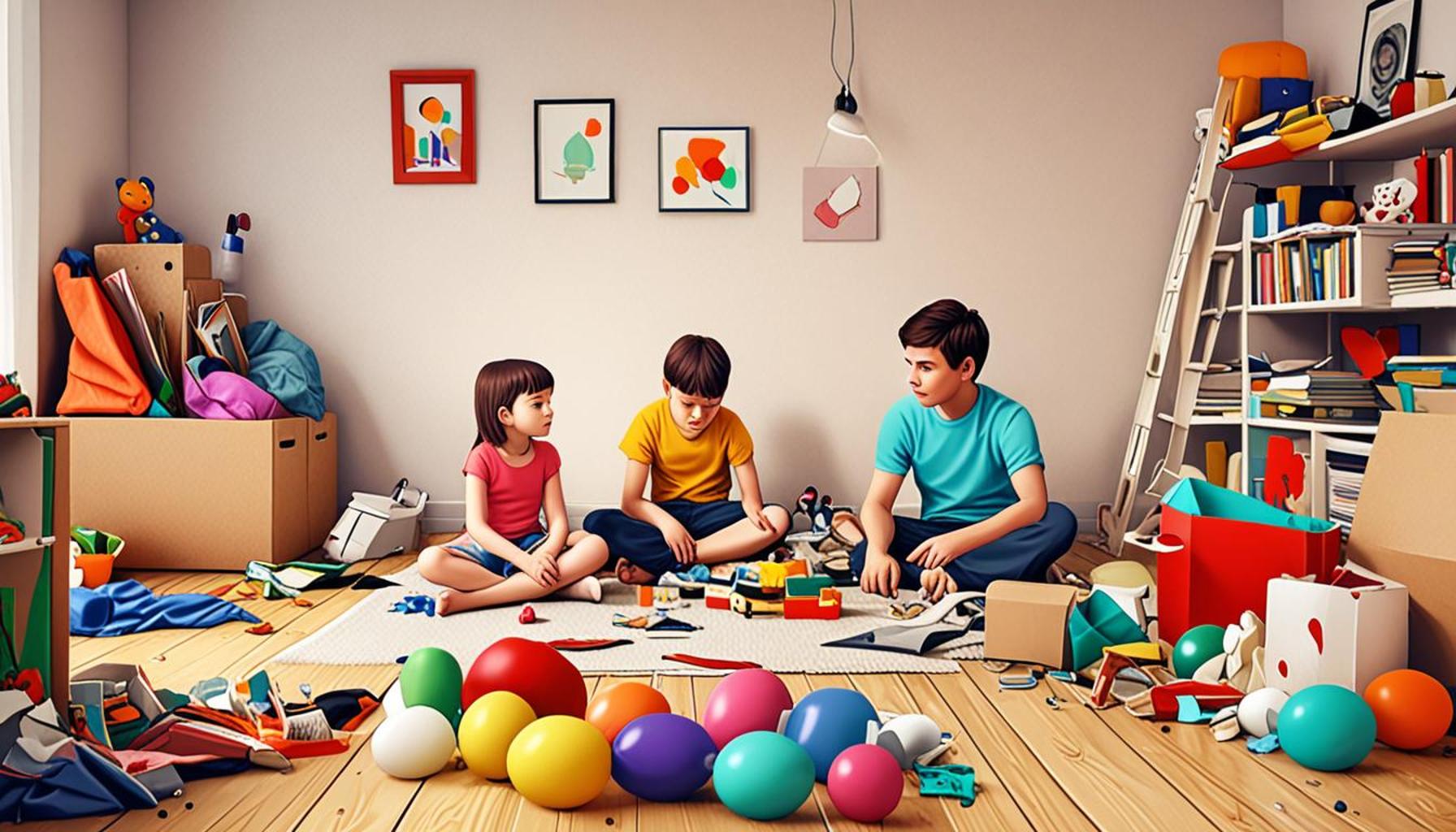
Conscious Detachment: How Reducing Clutter Can Promote a Simpler and Happier Lifestyle

Understanding Conscious Detachment
In our fast-paced world, many individuals are finding themselves overwhelmed by the sheer volume of their possessions. The idea of conscious detachment is emerging as a powerful approach to reclaiming personal space and mental clarity. By learning to let go of unnecessary items, people can pave the way for a more simplistic and joyful lifestyle. This concept invites individuals to evaluate their belongings critically, discern their true value, and discard what no longer serves a purpose in their lives.
The Benefits of Reducing Clutter
Living in clutter can lead to increased anxiety and stress. As studies suggest, a disorganized environment can distract the mind, often resulting in decreased focus and heightened feelings of chaos. Here’s how reducing clutter can transform your life:
- Improved Mental Clarity: A calm environment allows for clearer thinking and better decision-making. For instance, studies have shown that people working in tidy spaces report higher creativity and less frustration.
- Enhanced Productivity: Less clutter means more focus on important tasks. Statistics reveal that individuals who maintain organized workspaces complete tasks more efficiently, contributing to both personal satisfaction and professional success.
- Better Emotional Health: A tidy space has been linked to improvements in mood and a decrease in feelings of overwhelm. In fact, many people find that after decluttering, they experience a sense of relief and accomplishment that boosts overall emotional well-being.
Local Insight into Minimalism
In Nigeria, where vibrant cultures and traditions thrive, the concept of minimalism may initially seem foreign. However, a growing number of individuals are discovering that simplifying their lives can lead to unexpected happiness and a sense of freedom. Local artisans and creative communities are embracing minimalism by:
- Creating beautiful, multifunctional items that reflect the richness of Nigerian culture while serving practical purposes. For example, handcrafted baskets can be used for storage as well as home décor.
- Encouraging sustainable living through conscious consumption, promoting the idea that quality trumps quantity. Initiatives such as upcycling and recycling are gaining traction, helping to foster a culture of mindfulness around ownership and waste.
- Fostering community ties over material wealth, emphasizing that shared experiences and relationships often bring more joy than physical possessions. This shift highlights the value of connection, which is deeply rooted in Nigerian society.
As you explore the concept of conscious detachment, consider the profound impact that reducing clutter can have on your journey towards happiness. Whether you live in a bustling city like Lagos or a tranquil village, the principles of minimalism can enhance every facet of your life. Gear up to dive deeper into the practices and techniques that can usher you into a simpler, more fulfilling existence, where every item you choose to keep serves a purpose and enriches your everyday experience.
ADDITIONAL INSIGHTS: Expand your understanding here
The Art of Living with Purpose
To truly embrace conscious detachment, one must first understand that it requires a deliberate choice to prioritize the essentials in life. This approach goes beyond simply discarding belongings; it involves a thoughtful evaluation of what truly matters. In a country like Nigeria, where cultural expressions are rich and diverse, the act of consciously determining what to keep can lead to a renewed appreciation for one’s heritage and values. Unlike nations where minimalism often reflects a lifestyle choice, in Nigeria, this journey can be a pathway to reconnecting with one’s roots and shared cultural narratives.
The Struggle with Clutter
Clutter often manifests itself in various forms—whether it’s piles of clothes that no longer fit, collections of outdated electronics, or kitchens overflowing with gadgets that have outlived their usefulness. This congestion doesn’t only take up physical space but can also invade our mental space, making it difficult to focus on what’s important. In Nigeria, many families contend with the unique challenges of urbanization, as bustling markets and busy lives lead to the accumulation of items that often serve little purpose but to weigh them down. For instance, you might find a family holding onto wedding attire from decades past, hoping to pass it down, even if it no longer represents their style or fits their needs today.
Moreover, the sentimental attachment to items like family heirlooms or traditional crafts can make the process of detachment even more complicated. Such items often carry historical significance, linking individuals to their ancestry, which complicates the journey of letting go. However, embracing conscious detachment can transform this struggle, allowing items to be appreciated for their past significance rather than just their current presence.
Steps to Achieve Conscious Detachment
To engage in conscious detachment effectively, consider the following steps to guide your journey towards a more organized life:
- Assess Your Items: Take an inventory of your belongings. Assess which items bring joy or usefulness and which serve as mere clutter. One practical method to facilitate this is the “Marie Kondo method,” which encourages individuals to ask themselves whether an item sparks joy. In a Nigerian context, one could reflect on family traditions or cultural significance while determining the worth of an item.
- Set Realistic Goals: Establish small, achievable goals for decluttering. Whether it’s dedicating a weekend to clear out a single room or spending 10 minutes each day to tackle specific areas, progress is still progress. Set goals that honor your cultural heritage, such as identifying items that could be donated to less privileged families during community events.
- Make It a Community Affair: Invite family members or friends to join the decluttering process. This can be a great way to bond and share experiences. In Nigerian culture, communal support can significantly enhance motivation and accountability during this journey. Hosting a “swap meet” where you can exchange items with neighbors can also foster community ties.
- Implement the One-In-One-Out Rule: To maintain a clutter-free environment, adopt the principle of removing one item for every new item added. This helps to foster a mindset of intentional purchasing and can significantly reduce accumulation over time. For example, before buying a new outfit for a wedding, consider donating a piece that no longer fits your current style or needs.
As the journey of reducing clutter unfolds, individuals in Nigeria can begin to experience the tangible benefits that conscious detachment offers, such as clearer living spaces, enriched relationships, and a deeper connection to roots and traditions. Adopting this practice transcends mere organization; it leads to a transformed perspective on life and possessions. Ultimately, conscious detachment not only ushers in external simplicity but also initiates an inward transformation that brings about lasting happiness and fulfillment.
Embracing Minimalism for Mental Clarity
As you embark on the journey of conscious detachment, the act of reducing clutter leads to not only physical space but also significant mental clarity. By letting go of unnecessary possessions, individuals often find themselves less distracted and more focused on what truly matters. This simplified environment encourages mindfulness, enabling individuals to engage more deeply with their experiences, relationships, and daily activities.
The Emotional Benefits of Decluttering
Interestingly, a cluttered space can contribute to feelings of anxiety and overwhelm. By embracing a minimalist lifestyle, many report a notable decrease in stress levels. Psychological studies have shown that when individuals clear their spaces, they also clear their minds, leading to improved emotional well-being. This newfound freedom paves the way for personal growth, creativity, and contentment, fostering a sense of peace that resonates in all areas of life.
Long-term Financial Benefits of Conscious Detachment
Conscious detachment also ties into financial health. By reducing the consumption of unnecessary items, individuals can save money and redirect those funds toward experiences and investments that enhance their lives. This purposeful spending promotes financial stability and encourages mindful decisions about future purchases, further solidifying the connection between lifestyle choices and overall happiness.
| Mental Clarity | Focus and Mindfulness |
|---|---|
| Increased Focus | A clear space leads to a clear mind, enhancing productivity. |
| Reduced Stress | Less clutter correlates with lower anxiety levels, providing emotional relief. |
By understanding the multifaceted benefits of conscious detachment, individuals can appreciate how reducing clutter contributes to a simplified and happier lifestyle. Exploring these concepts further empowers individuals to make intentional choices that reflect their values and aspirations.
SEE ALSO: Click here to read another article
Transforming Spaces and Mindsets
As individuals embark on their journey of conscious detachment, the act of reducing physical clutter reverberates far beyond mere tidiness—in fact, it has the potential to reshape one’s mindset. For many Nigerians, the home is not just a physical space; it is a profound reflection of identity and cultural heritage. When clutter accumulates, it can obscure the essence of the space and detract from the narratives that define a household. By consciously choosing to let go of items that no longer serve a purpose, individuals can create environments that foster peace, creativity, and inspiration.
Embracing Minimalism within Cultural Context
The concept of minimalism, often perceived through a Western lens, finds a meaningful interpretation within Nigerian society as well. Many may assume that minimalism equates to abandoning cultural artifacts or simplifying one’s lifestyle to an extreme degree. However, in Nigeria, it can mean celebrating cultural items that hold significant personal or traditional value, while releasing those that create unnecessary chaos. For instance, a home can benefit from displaying a few cherished traditional artworks rather than having numerous pieces hidden away. This not only elevates the space aesthetically but also encourages storytelling and cultural pride.
Furthermore, the vibrant Nigerian tradition of storytelling can infuse this minimalist approach with depth. As families declutter, they can embrace discussions about the stories behind certain items, allowing memories associated with them to live on without the need to hold onto every physical piece. This process creates not just clearer spaces but also enriched relationships within families, encouraging members to connect over shared histories.
The Psychological Benefits of Decluttering
Research underscores that excessive clutter can lead to increased anxiety and feelings of overwhelm. A cluttered environment can hinder focus and diminish productivity, making tasks feel more daunting. For many, including Nigerians grappling with the pace of urban life, this is all too familiar. Spaces filled with items that no longer resonate can lead to stress, impacting mental well-being and overall happiness.
Through the practice of conscious detachment, individuals have reported experiencing an immense sense of relief once clarity is established in their living spaces. As they engage in this decluttering journey, they often notice improved emotional health, enhanced clarity of thought, and a stronger sense of control over their lives. This transformative effect can motivate others in the community to rethink their spaces, resulting in a collective embrace of a more intentional lifestyle.
Sharing the Gift of Conscious Detachment
The spirit of giving and community is deeply rooted in Nigerian culture, making the paradigm of conscious detachment a potential catalyst for collective growth. Engaging in decluttering does not have to be a solitary venture. Instead, it can invite others to participate, whether it means donating items to local charities or organizing community clean-up days. Beyond sharing physical possessions, this practice can encourage neighbors to discuss their own experiences and philosophies regarding material items and society.
As people witness the effects of conscious detachment in their immediate surroundings, it cultivates a culture of appreciation for simplicity. Schools and community groups can even integrate discussions and activities around decluttering, reinforcing the idea that one’s emotional, mental, and physical spaces are interconnected.
Indeed, the journey towards conscious detachment provides not just a method to reduce clutter but an opportunity to invite deeper connections with oneself, one’s community, and one’s heritage. As Nigerians engage in deliberate choices about what to keep, let go, or share, they pave the way for a lifestyle that is simpler, richer, and abundantly fulfilling.
LEARN MORE: This related article may interest you
Conclusion: A Pathway to Simplicity and Happiness
In a rapidly evolving society like Nigeria, where the cultural tapestry is rich and varied, the concept of conscious detachment emerges as a transformative tool. By reducing clutter, individuals can not only attain a cleaner physical space but can also embark on a profound journey towards emotional clarity and mental well-being. The act of releasing items that no longer serve a purpose encourages a more intentional lifestyle, allowing residents to focus on what truly matters—relationships, storytelling, and cultural appreciation.
The benefits of decluttering extend into the realms of mental health, as studies indicate a strong correlation between clutter and anxiety. As Nigerians embrace the practice of conscious detachment, they begin to experience increased productivity, heightened creativity, and a newfound sense of peace in their daily lives. This change is not just personal; it has the power to ripple through communities, inspiring collective actions such as community clean-up initiatives and cultural sharing, which fosters deeper communal bonds.
Ultimately, the movement towards conscious detachment doesn’t just simplify our lives; it enriches them, allowing individuals to celebrate their heritage while embracing minimalism in a culturally relevant context. As we make mindful choices about what to keep and what to let go, we pave the way for a profound realization: a simpler life can lead to greater happiness and deeper connections with our surroundings. In this journey of decluttering, each individual contributes to a vibrant tapestry of shared values and resonant experiences, building a community that values simplicity and mindfulness.