Building Worlds: Worldbuilding Techniques for Fiction Writers
Understanding the Intricacies of Worldbuilding
Within the vast landscape of fiction, worldbuilding is pivotal for crafting stories that not only entertain but also immerse readers in unique experiences. It requires creativity, attention to detail, and a strategic approach to constructing environments that feel real and engaging. A well-crafted world encourages readers to suspend disbelief and lose themselves in the narrative, making the journey through the story more impactful.
To effectively build a fictional universe, one must consider several core elements:
- Setting: This encompasses the physical environment where the story unfolds. Consider the significance of landscapes, climates, and geography. For instance, in a narrative set in a snow-covered wilderness, the isolation and harsh conditions can become key elements of conflict or character development. Settings ranging from the neon-lit streets of Tokyo to the eerie silence of an alien desert can enhance the emotional weight of your narrative.
- Culture: Cultivating a rich tapestry of traditions, beliefs, and societal norms is crucial to enhancing character interactions. Think about how different cultural backgrounds influence the way characters communicate, celebrate, or face dilemmas. For example, in a world inspired by ancient civilizations, societal roles might heavily dictate character motivations, leading to rich storytelling opportunities.
- History: A timeline of significant events helps to establish context within your narrative. Consider the impact of a great war, a disaster, or pivotal discoveries that shape the present state of your world. For instance, a post-apocalyptic setting can offer characters unique hardships derived from past societal failures, influencing their fears, aspirations, and alliances.
- Magic and Technology: Whether it be a sprawling magic system that colors the fabric of your universe or inventive technology that challenges human limitations, these elements shape the rules and dynamics of your world. Establishing clear parameters for how these forces operate can prevent inconsistencies and create suspense and intrigue, captivating your audience even more.
By paying attention to each of these aspects, writers can weave a vivid tapestry that pulls readers into their stories. Creating rich worlds can transform simple plots into epic sagas filled with adventure, conflict, and profound emotional moments. Think of how J.R.R. Tolkien’s Middle-earth transports readers and how Suzanne Collins’ dystopian Panem reflects societal issues, making them not only entertaining but also thought-provoking.
This article will explore various techniques for worldbuilding that can benefit fiction writers at any stage of their career. Through examples, insights, and practical tips, aspiring authors will learn to bring their imaginative landscapes to life, enhancing their narratives.
Embark on this journey with us to uncover the secrets of crafting worlds that resonate and linger in the minds of your readers. Whether you are an experienced author looking to refine your craft or a budding novelist eager to explore new territories, the art of worldbuilding offers endless opportunities for creativity and innovation.
DIVE DEEPER: Click here to uncover the science behind cooking
Essential Techniques for Effective Worldbuilding
Creating a believable and vibrant world is a formidable task for any fiction writer, yet it can also be one of the most rewarding aspects of storytelling. Utilizing strong worldbuilding techniques can significantly enhance your narrative, making it richer and more engaging. Below, we will delve into practical strategies that can shape your fictional landscapes.
1. Start with a Concept
Before diving into the minutiae of worldbuilding, it helps to have a strong overarching concept. This could be as simple as “What if?” questions that challenge conventional ideas. For example, “What if a society was built entirely around the concept of time travel?” or “What if technology went too far and humanity had to return to a more primitive way of life?” Formulating your central idea early on allows you to forge a consistent direction for your world and helps maintain cohesion throughout your narrative.
2. Create a Visual Blueprint
Much like an architect with a blueprint, having a visual map of your world can be instrumental in the building process. This could include sketching out geographical landscapes, city layouts, or even architectural styles. Resources such as online tools or apps can assist in the creation of maps, helping writers visualize the journey their characters will undertake. Visualization fosters a profound understanding of your environment and heightens realism.
3. Develop Your Characters Within the World
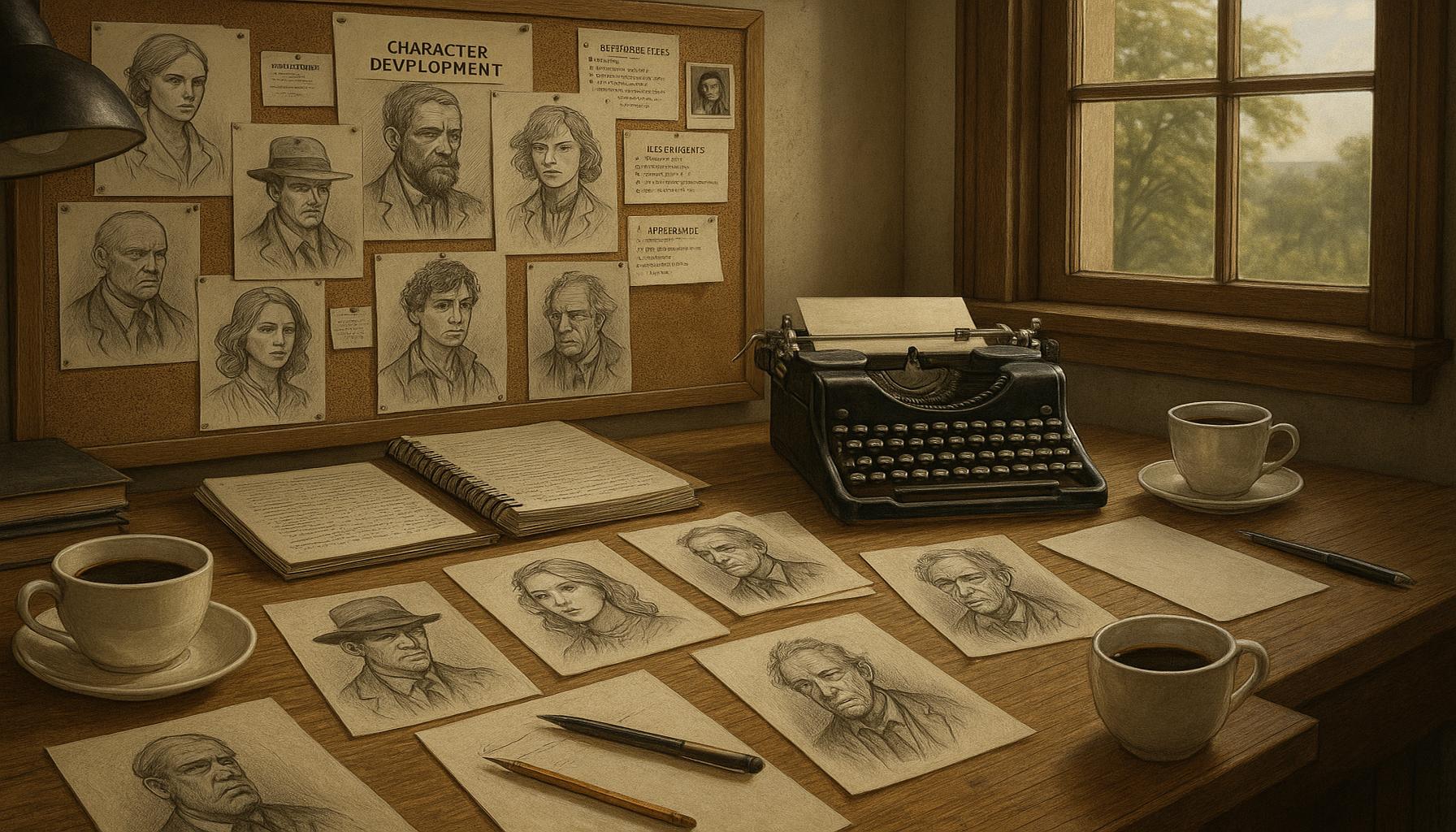
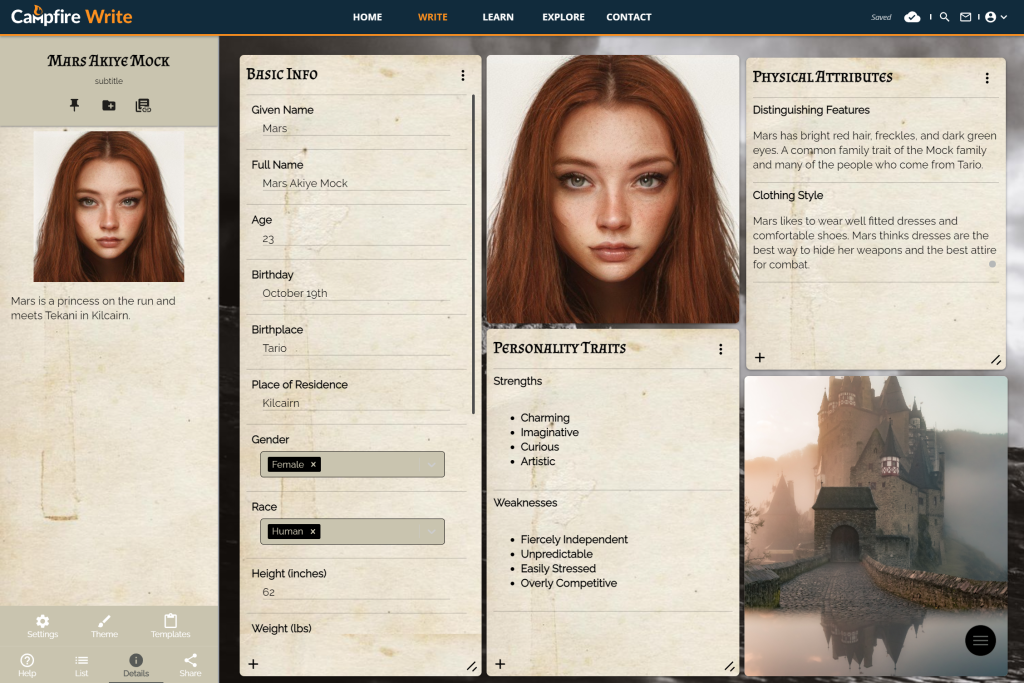
Characters do not exist in a vacuum; their experiences are shaped by the world around them. Consider how the socio-political climate, cultural influences, and historical events impact your characters’ decisions and motivations. Characters who reflect their world in nuanced ways can make the narrative more compelling. To achieve this, answer questions like:
- What societal expectations exist for my characters?
- How does the environment influence their values?
- What are the social hierarchies that dictate their interactions?
Additionally, integrating diverse character backgrounds can enrich the world, reflecting real-world issues and enhancing relatability.
4. Focus on Sensory Details
A great world comes to life through sensory details. Engage all five senses when describing environments and experiences. What do characters hear—the rustling of leaves, distant thunder? What do they smell—the sweetness of blooming flowers or the stench of decay? By weaving these sensory elements into your narrative, you envelop your readers in your world, making their experience more immersive.
5. Integrate Conflict and Challenges
No world is without conflict. Introducing struggles—whether they stem from internal motivations or external threats—can drive your story forward. Consider how the unique facets of your world contribute to conflict. In a society ruled by magic, what happens if magic begins to fail? How would characters react in a dystopian world where technology governs every aspect of life? By aligning challenges with your world’s attributes, you create tension that resonates with readers.
By employing these techniques, writers can lay the foundation for captivating worlds that propel their narratives while deeply engaging their audiences. Worldbuilding isn’t merely a background setting; it’s an integral part of storytelling that enriches every character arc and plot twist.
Exploring Worldbuilding Techniques
Worldbuilding is a pivotal aspect of writing that can transform a simple narrative into a captivating experience. It involves not only the creation of imaginary realms but also the meticulous crafting of cultures, histories, and ecosystems that give depth and authenticity to your story. Here, we delve into essential techniques that every fiction writer can harness to enhance their worldbuilding skills.
1. Cultural Layers
Understanding the cultural layers within your world is crucial. Authors are encouraged to analyze various cultural elements such as religion, language, and social structures. By doing this, you can create societies that feel alive and relatable to readers. For instance, developing unique languages or dialects can add authenticity. Consider how cultural conflicts might influence the plot or character development, providing rich material for storytelling.
2. History and Mythology
Every world has a history that shapes the present. Writers can weave mythological tales and historical events that influence current societal norms. Crafting legends and myths not only enriches your world but also allows exploration of themes like heroism and moral dilemmas. Linking characters’ motivations to this history can create intricate story arcs that keep readers engaged.
| Technique | Benefits |
|---|---|
| Cultural Development | Adds depth and realism to the narrative; reflects on characters’ backgrounds and motivations. |
| Mythology Creation | Fosters connection with audiences through relatable themes; enhances plot tension with historical context. |
Embracing these techniques enables writers to craft immersive worlds that are both engaging and thought-provoking. By balancing the intricacies of culture and history, you can invite readers into a universe that resonates with emotional truths and compelling narratives. As you embark on your worldbuilding journey, remember that each detail contributes to the larger tapestry of your story, turning mere words into a vivid reality. Investigate further how these techniques can mold your narrative’s heartbeat.
DIVE DEEPER: Click here to discover the art of experimental cuisine
Advanced Strategies for Depth and Authenticity
Once you’ve grasped the foundational techniques of worldbuilding, it’s time to delve deeper. The art of constructing a vibrant, immersive world lies in the intricacies that lend authenticity, ensuring that readers not only believe in the existence of this world but also feel emotionally tied to it. Here, we explore advanced strategies that can elevate your worldbuilding from good to exceptional.
1. Develop a Linguistic Framework
Language shapes culture and identity, making it a powerful tool in worldbuilding. Creating unique languages or dialects can add details that define your world’s culture and history. Consider how the use of language reflects societal hierarchies and relationships. For instance, in a futuristic society, might a fragmented language symbolize class divisions? Writers can utilize linguistic diversity through character dialogue, allowing characters to communicate in varying dialects or even ancient languages to enhance immersive experiences. Additionally, incorporating idioms or expressions native to your world fosters authenticity and depth.
2. Historical Context and Lore
No world exists in isolation; its past profoundly influences its present. Generating a rich history filled with key events—wars, discoveries, or pivotal moments—creates a sense of time and continuity. Delve into the timelines of your world, establishing eras that shape political landscapes and cultural developments. For instance, did your world once experience a catastrophic event that altered societal norms? Linking characters’ motivations to historical occurrences can create rich backstories and enrich plotlines. This layered approach pulls readers into the world’s narrative, creating a desire to learn more about its lore.
3. Establish Ecological and Economic Systems
Every world is supported by its own ecosystems and economies, which can significantly affect character behavior and societal development. Consider geographical diversity, climate variations, and resources available in your world. How does an arid environment shape its inhabitants’ agricultural practices? What economic systems—capitalistic, bartering, or perhaps something entirely unique—dominate? By constructing these systems and exploring their ramifications, writers can develop scenarios that demonstrate how environmental and economic conditions influence characters’ lives, decisions, and conflicts, thereby grounding their narratives in a sense of reality.
4. Create Factions, Cults, or Organizations
Conflict often arises from competing interests and ideologies. Introducing factions, cults, or organizations can deepen your world’s complexity, posing moral dilemmas for your characters. Each faction should have its distinct motivations, beliefs, and goals that reflect the world’s culture and history. For example, a powerful guild of mercenaries may operate under a strict code, influencing their interactions with others. Conflict between factions can serve as a catalyst for plot developments, showcasing how your characters navigate these treacherous waters while staying true to their values.
5. Emphasize Daily Life and Rituals
To make your world more tangible, consider the small daily details that humanize it. What are the rituals, festivals, or traditions that the inhabitants cherish? How does everyday life differ across social classes or regions? Portraying typical activities, such as meals, clothing, or religious practices, can add layers to your world and flesh out character motivations. For example, a society might hold an annual harvest festival that reflects their values regarding community and work. By showcasing relatable experiences, writers invite readers to engage deeply with the world, fostering a connection that goes beyond the plot.
By engaging deeply with these advanced strategies, writers can create richly layered worlds. The goal is to cultivate a space where readers can lose themselves, becoming explorers in the narrative landscape, eager to understand its complexities and nuances as fully realized as any character within it.
DIVE DEEPER: Click here to discover how illustrations enhance storytelling
Conclusion: The Art of Worldbuilding
In conclusion, worldbuilding is much more than just creating a backdrop for your story; it is the very framework that breathes life into your characters and narrative. Through foundational techniques and the advanced strategies discussed, writers can construct intricate worlds that engage readers’ imaginations and emotions. By integrating linguistic frameworks, rich historical contexts, and dynamic social structures, you create a sense of depth that allows readers to immerse themselves fully in the environment you’ve crafted.
Moreover, exploring the ecological and economic systems of your world not only adds realism but also enriches character development and conflict. Factions, organizations, and the daily life of inhabitants weave an intricate web that reflects the complexities of human experience. Each choice made in your worldbuilding should serve to deepen connections and evoke curiosity, drawing readers into a universe that resonates with truth.
As you embark on the journey of writing, remember that worldbuilding is an ongoing process, one that invites exploration and evolution. Embrace the details and nuances, and don’t hesitate to let your creativity flow. The more vibrant and authentic your world is, the more your readers will cherish their time spent within its pages. Ultimately, the goal is not just to create a world, but to offer a profound experience that lingers in the minds of your audience long after they turn the last page.