Art in Times of Crisis: How Creating Serves as a Refuge and a Form of Resistance
Art as a Sanctuary
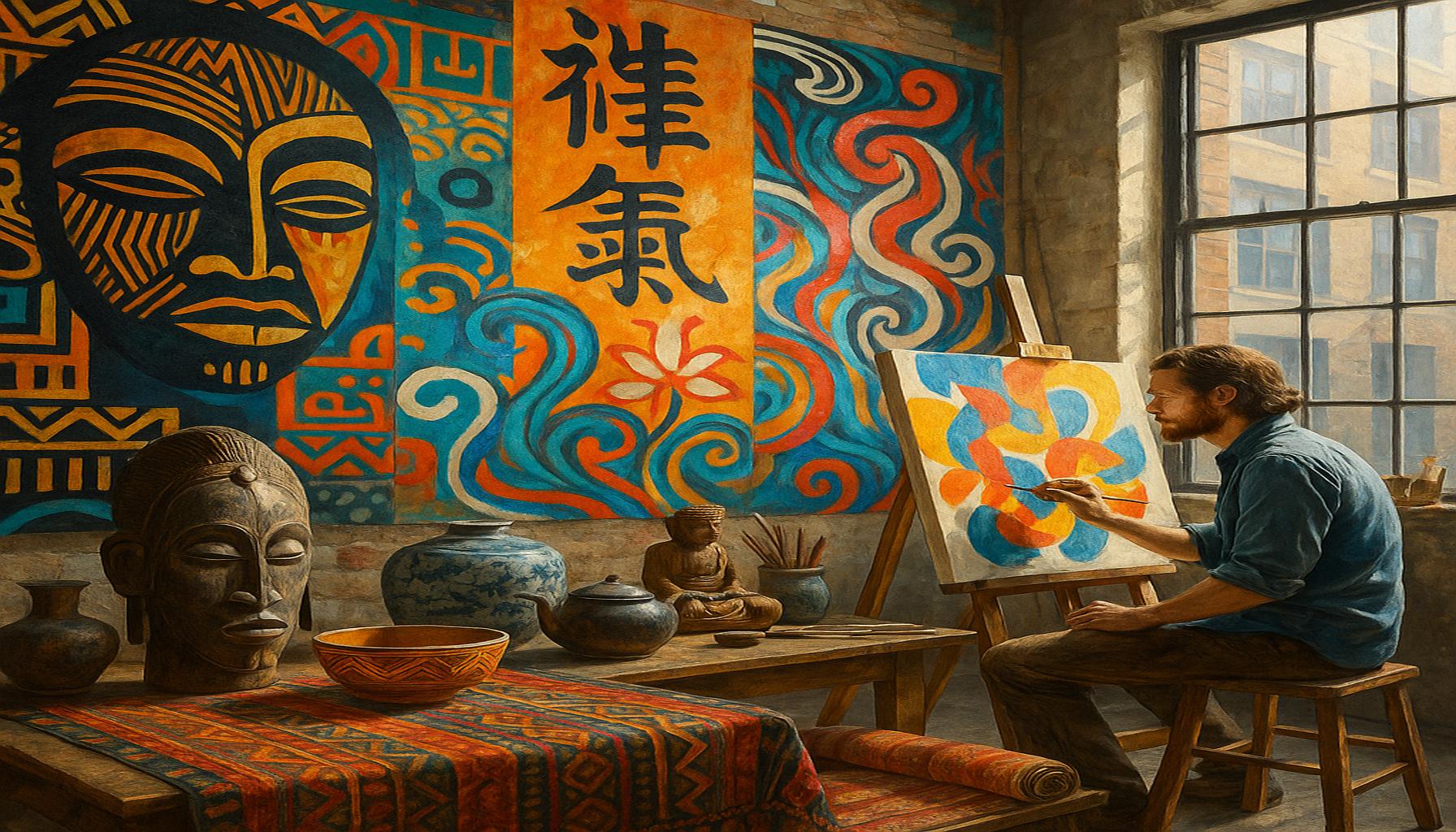
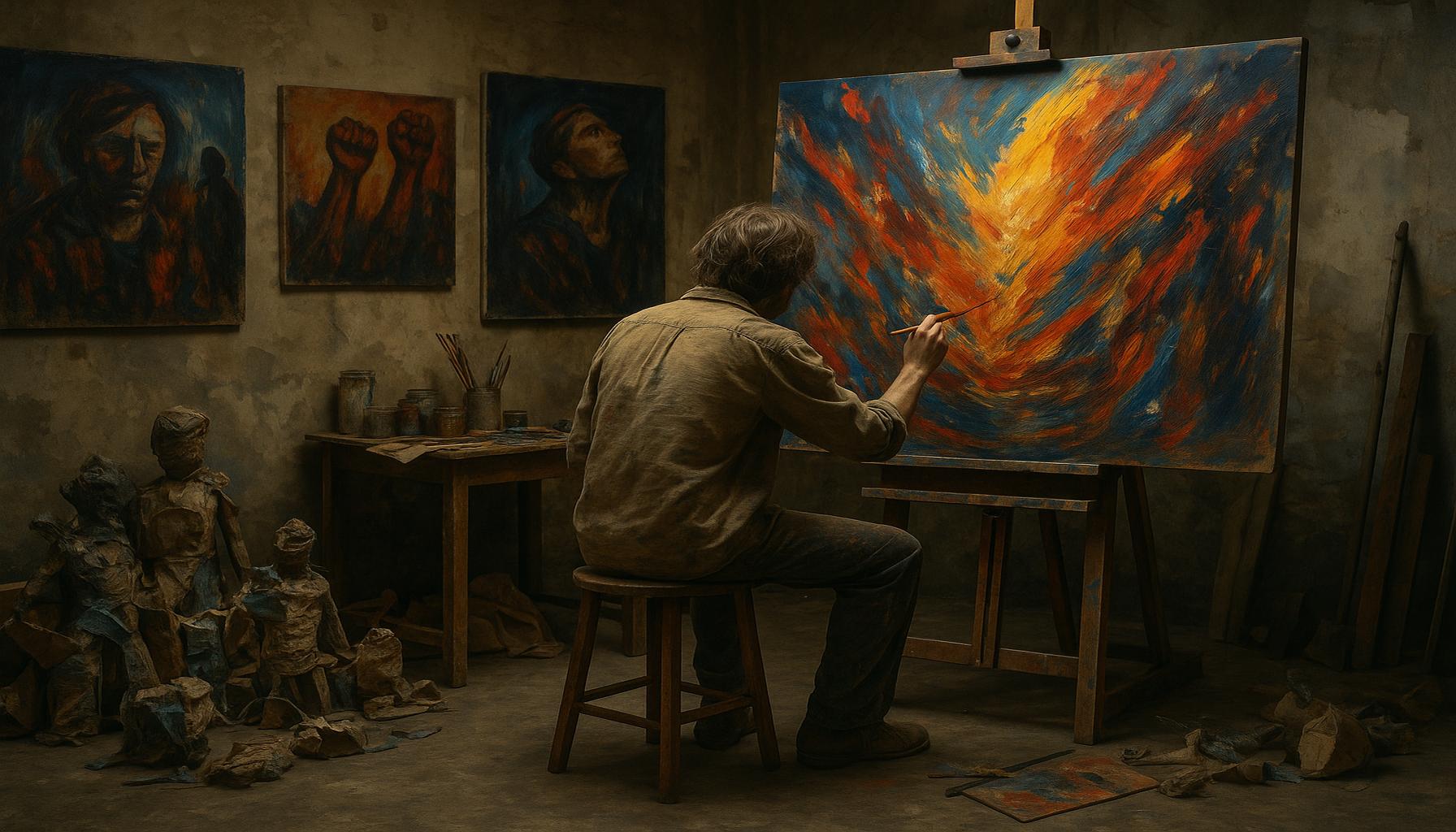
Throughout history, art has emerged as a powerful form of expression during times of turmoil. This transformative force not only allows individuals to share their narratives, but also gives them the means to process their emotions and experiences in a tangible way. When the world appears chaotic and unpredictable, creativity often becomes a refuge, a space where imagination and healing converge. Whether through the intricate strokes of a painter’s brush, the lyrical cadences of a poet’s verse, or the resonant tones of a musician’s melody, artistic creation offers a sanctuary from the chaos of reality and the burdens of the heart.
The Role of Art During Crisis
Art plays several critical roles during periods of crisis:
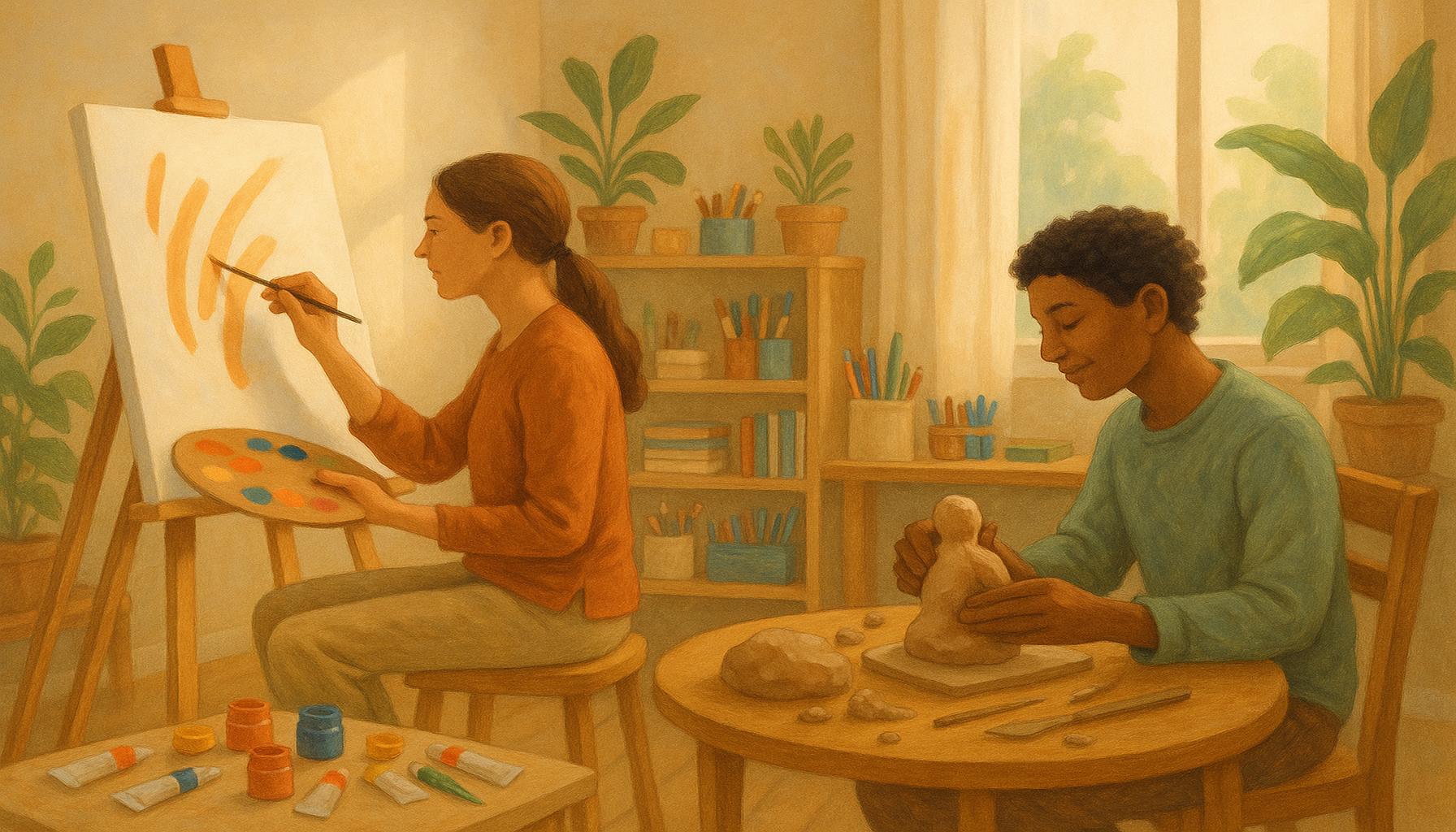
- Emotional Healing: Art can facilitate expression when words feel inadequate. For instance, during the aftermath of natural disasters, survivors have found solace in writing, allowing them to articulate their trauma while channeling grief into creativity. The therapeutic benefits of art therapy have long been recognized, helping individuals to make sense of their pain through drawing or sculpting, creating a safe avenue for emotional release.
- Community Building: Collaborative art projects unite individuals toward a common goal, reinforcing social bonds through shared creativity. Examples include community murals where residents come together to depict their stories, aspirations, or tribulations, as seen in neighborhoods recovering from violence or economic distress. These projects often serve to foster pride and collective identity, establishing a sense of belonging amidst turmoil.
- Resistance and Protest: Throughout history, art has served as a powerful tool for challenging oppression and advocating for change. During the Civil Rights Movement in the United States, music and visual art became vital forms of protest, amplifying voices of injustice. Iconic songs like “We Shall Overcome” transcended borders, uniting diverse communities in their struggle for equality.
From the streets of New York during the AIDS crisis, where artists like Keith Haring used public spaces to raise awareness, to the graffiti artists of the Arab Spring capturing the spirit of revolution, creators showcase resilience and hope in their work. As a visual voice, art not only documents struggles but also celebrates the perseverance of the human spirit in the face of adversity. This phenomenon invites us to explore how creativity can transform personal pain into beauty, and simultaneously act as a catalyst for social change, pushing against injustices that seek to divide us.
Why It Matters
Understanding art’s significance in crises can reveal profound insights about societal resilience and human connections. The creative responses to adversity provoke essential questions about our coping mechanisms and the role of art in inspiring change. As we delve into this topic, we uncover the enduring impact and legacy of art in shaping how we navigate through crises, reminding us of the universal capacity for healing and solidarity in the most challenging times.
By investing in art and creative platforms, societies can foster resilience, inspire dialogue, and encourage a shared vision for a better future. Ultimately, art serves as not just a refuge, but a powerful vehicle for transformation, reminding us all that even in the darkest moments, we can still find light through creativity and expression.
DISCOVER MORE: Click here to find inspiring projects
The Transformative Power of Artistic Expression
During moments of crisis, the urgency for expression becomes paramount. Art serves as a lifeline for individuals grappling with emotional and societal turmoil, offering them a channel to articulate their fears, hopes, and desires. The transformative power of artistic expression is profound, as it not only aids in personal healing but also extends outward to impact communities. For many artists, the act of creating transcends mere aesthetics; it becomes an essential form of survival and resistance against oppressive conditions.
Personal Narratives in Artistic Creation
Artists often draw from their personal narratives during crises to craft works that resonate on a universal scale. The stories conveyed through painting, music, poetry, and dance not only reflect personal experiences but also illuminate the collective struggles faced by communities. In this way, art emerges as a visual and auditory testimony, chronicling experiences that might otherwise remain untold. The poignant works created during the COVID-19 pandemic illustrate this phenomenon; from quarantine-inspired paintings to songs encapsulating feelings of isolation, artists worldwide have expressed shared sentiments that resonate deeply.
- Case Study – The COVID-19 Pandemic: During the pandemic, artists such as Amanda Gorman, whose poem “The Hill We Climb” captivated the nation at President Biden’s inauguration, exemplified how art can provide healing while addressing complex social themes. Gorman’s work inspired countless individuals, reminding them of the potential for unity and resilience in difficult times.
- Case Study – The ‘Black Lives Matter’ Movement: Similarly, murals dedicated to the Black Lives Matter movement illustrate how artists are using their craft to reflect on themes of justice and equity. Public art projects, such as the mural in Washington D.C. that bears the movement’s name, serve as a focal point for activism while fostering communal healing and dialogue.
These examples underscore a critical aspect of art in times of crisis: its ability to give voice to the marginalized and amplify calls for change. Creative works often emerge from the intersection of personal experience and collective memory, initiating crucial conversations that resonate beyond the walls of galleries and theaters. Artists become not just storytellers but conduits for societal reflection—navigating the complexities of identity, community pain, and aspirations for progress.
The Fragile Balance of Creativity and Struggle
Yet, the process of creation in the face of crisis is often fraught with challenges. Some artists report feelings of pressure to produce work that is not only relevant but impactful, which can lead to anxiety and self-doubt. Additionally, access to resources for materials and platforms for showcasing works can become limited during turbulent times. Despite these obstacles, the resolve to create remains unmatched. Artists consistently find innovative ways to share their messages, whether through virtual exhibitions, online performances, or grassroots movements that leverage social media to reach broader audiences.
This ongoing dialogue between creativity and challenge is vital. As we examine how art serves as a refuge and form of resistance, we begin to appreciate the role of creative expression not just as an outlet for individual thoughts but as a catalyst for societal change. The stories artists share during crises not only help them process their realities but also encourage us, as a society, to confront and reshape our world in more compassionate and equitable ways.
Art has long been an essential tool for navigating the tumultuous landscapes of human experience, especially during times of crisis. The act of creating art can become a powerful mechanism for coping and a sanctuary where individuals find solace amid chaos. Creators channel their emotions, experiences, and the societal struggles surrounding them into different mediums, providing viewers with insights that may otherwise remain unspoken. This transformative process often enables artists to articulate their feelings of loss, despair, or hope, contributing to a shared understanding of the collective human condition.Moreover, art serves as a form of resistance, challenging oppressive narratives and inspiring social change. Historical examples abound, with artists using their platforms to confront injustice, question authority, and galvanize movements. For instance, during the periods of war and political upheaval, visual art, music, and poetry have emerged as tools for protest, resonating with the public and creating a sense of unity. The ability of art to evoke strong emotional responses can mobilize communities, highlighting issues that demand attention and fostering a spirit of resilience that thrives even in the darkest times.In the digital age, social media has further amplified the reach of artistic expression, enabling creators to connect globally, sharing their narratives and struggles in ways that transcend borders. The immediacy and vastness of the online world can potentiate support and create a network of hope where individuals feel less isolated. Creators who reflect on their experiences during crises provide not only personal catharsis but also a collective voice that encapsulates the spirit of survival and resistance. This vibrant interplay between creating, expressing dissent, and fostering community can propel societal reflection and action, illuminating paths toward healing and progress.
DIVE DEEPER: Click here to uncover the science of flavor
Art as a Catalyst for Community Solidarity
At its core, art in times of crisis transcends individual experiences, fostering a sense of community solidarity. Collective creation, as seen in movements such as community murals or collaborative theater projects, emerges as a powerful expression of shared identity and resilience. These initiatives connect individuals across diverse backgrounds, creating a tapestry of voices that reflect collective struggles and triumphs. Amidst darkness, the act of coming together to create can spark an undeniable sense of hope and belonging.
The Role of Public Art in Social Movements
Public art serves as a visible reminder of social movements, providing a platform for collective expression. The murals that adorn city walls often tell the stories of communities fighting against systemic injustices. For example, during the height of the Black Lives Matter protests in 2020, murals sprang up across the United States, each articulating messages of unity, resistance, and a call for justice. Streets were transformed into galleries, amplifying voices that have long been silenced.
- Case Study – The ‘Love is Love’ Murals: In response to the fight for LGBTQ+ rights, artists have painted “Love is Love” murals in cities from San Francisco to New York City, celebrating diversity and acceptance. These pieces of art have become symbols of pride and resilience, reinforcing the community’s fight for equality.
- Case Study – The ‘Fearless Girl’ Statue: Installed across from the New York Stock Exchange, Kristen Visbal’s “Fearless Girl” statue serves as a tribute to female empowerment. This piece not only highlights gender inequality but also invites a dialogue about women’s rights in the workplace, showcasing how public art can serve as a form of resistance and inspiration.
Such artworks galvanize public engagement, encouraging community members to reflect on their own experiences and consider their roles in the fight for change. By weaving personal narratives into the fabric of larger societal discourses, artists create a powerful connection that resonates beyond their immediate environments. The resulting dialogues foster a sense of ownership and empowerment, bringing communities together to face common challenges head-on.
Digital Art as a Modern Tool of Resistance
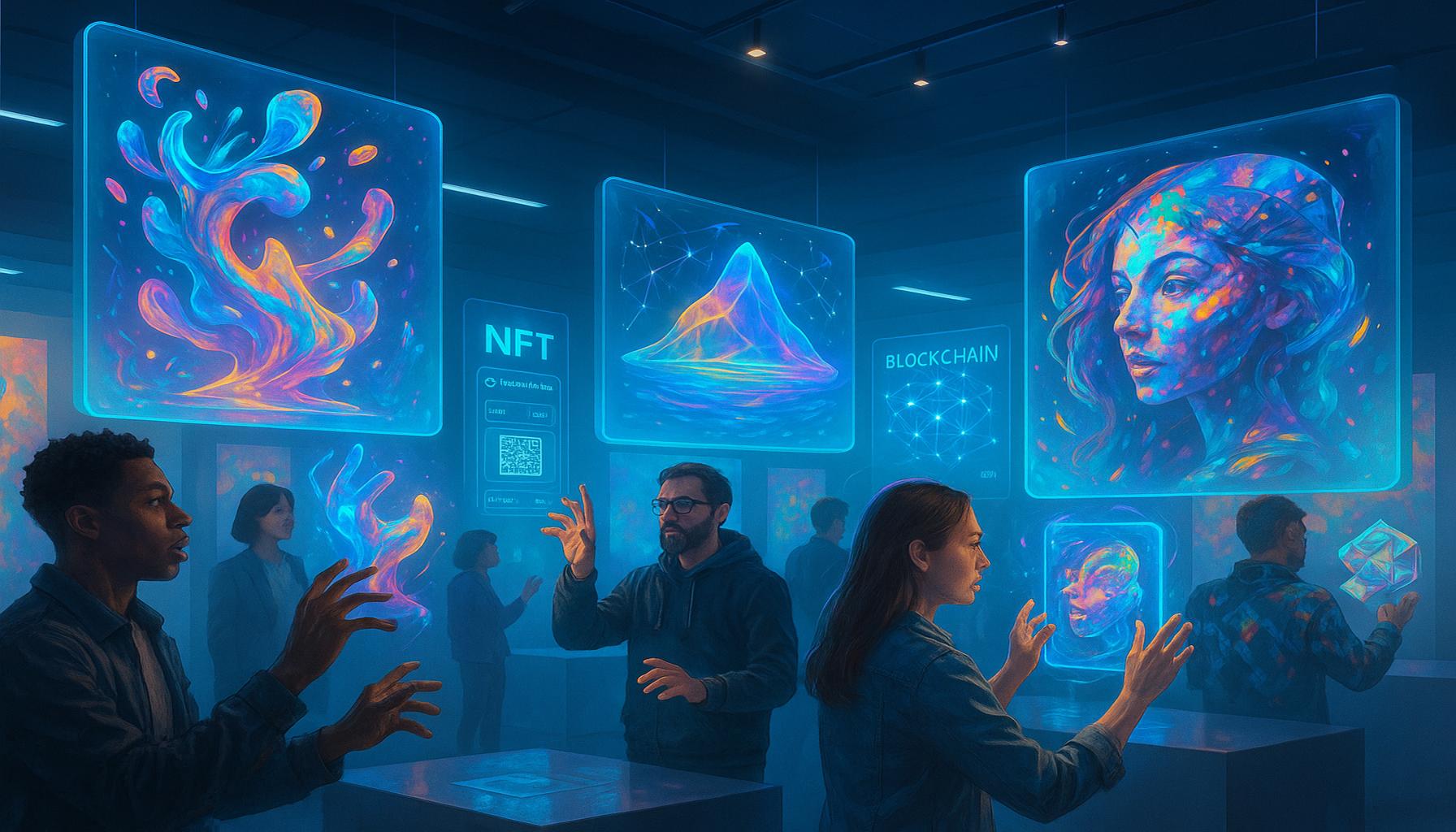
In the age of technology, the digital realm has emerged as a significant platform for artistic resistance. Social media and other online channels allow artists to disseminate their messages widely, often going viral and creating movements that extend beyond geographical confines. Artists today can mobilize their work in immediate reaction to crises, whether they express solidarity during protests or highlight pressing issues affecting marginalized communities.
The rise of digital art formats has also made it easier for artists from diverse backgrounds to share their works, evoking discussions on social justice from anywhere in the world. Platforms such as Instagram and TikTok have showcased the works of creators like The Black Unicorn Collective or @BlackArtists, who address systemic inequality through visual art, poetry, and performance. Their digital footprints amplify their messages, connecting like-minded individuals and cultivating a sense of shared outrage and determination.
Additionally, the transformative nature of digital art allows for quick adaptations, ensuring that artists remain responsive to the evolving landscape of social issues. In this way, creativity equips individuals with the tools to navigate both personal and wider societal struggles. The artistry displayed online serves not just as an escape, but as a reaffirmation of commitment to change and advocacy.
DISCOVER MORE: Click here to inspire your creativity
Conclusion: The Enduring Power of Art in Crisis
In the face of adversity, art emerges as a vital sanctuary, offering a refuge for both creators and communities seeking solace. From community murals to digital expressions, creative endeavors transcend mere aesthetics—they encode narratives of struggle, hope, and resilience. By harnessing the transformative power of creativity, individuals find both personal escape and a means of articulating their shared frustrations, fears, and aspirations. Art not only serves to document societal challenges but also acts as a rallying cry, uniting voices in the pursuit of justice and equality.
As illustrated through pivotal movements like Black Lives Matter and LGBTQ+ advocacy, the role of public art becomes increasingly critical, with murals and installations transforming public spaces into canvases of social dialogue. These works not only represent the unique experiences of marginalized communities but also forge connections, urging society to reflect and engage with pressing issues. Meanwhile, the rise of digital art highlights the adaptability of creative expression in today’s fast-paced environment, allowing movements to gain traction and fostering wider participation across geographic divides.
Ultimately, the resilience of art amid crisis underscores its dual nature as both a refuge and a form of resistance. As the world continues to face uncertainty, we must remember that creativity is not just an antidote to despair; it is also a powerful tool for transformation. Embracing art’s potential invites us to explore the multitude of ways we can contribute to healing and advocacy in our society. The journey of creation, in its many forms, remains a beacon of hope, illuminating the path towards a more united and equitable future.