Emerging Technologies in Anti-Aging Treatments: What to Expect
Exploring the New Frontiers of Anti-Aging Technologies
As science continues to push the boundaries of what is possible, the field of anti-aging treatments is witnessing groundbreaking innovations. These emerging technologies are not only altering our understanding of aging but also providing new avenues for enhancing longevity and vitality. A combination of advanced technologies and innovative research is paving the way for more effective solutions to age-related challenges.
Among the most promising treatments is gene therapy. This technique involves altering an individual’s DNA to mitigate the effects of age-related diseases. For instance, researchers are working on therapies that target specific genetic mutations linked to conditions such as Alzheimer’s disease. By potentially rewiring these genes, scientists hope to prevent or delay the onset of neurodegenerative diseases, offering a new lease on life for many.
Another exciting area of research is stem cell therapy. Stem cells have the unique ability to transform into various types of cells, making them ideal for regenerating damaged tissues and organs. In the United States, clinical trials are underway to explore how stem cells can repair heart damage from aging or restore muscle mass lost over time. The potential implications of this are vast, as improved tissue regeneration could fundamentally change how we approach age-related ailments.
Artificial intelligence is also making waves in the quest for everlasting youth. Using machine learning algorithms, researchers can analyze vast datasets to identify patterns in aging. This technology allows for the development of personalized treatments tailored to individual genetic makeup and lifestyle factors. For example, a person’s unique aging pattern might suggest a specific combination of dietary changes and exercise regimens to improve their longevity and well-being.
The field of nutrigenomics further complements these advancements by exploring how our diet interacts with our genes. This research focuses on creating customized nutritional guidelines that promote optimal health and longevity. For instance, specific diets can be formulated to manage inflammation, a major contributor to aging, by considering an individual’s genetic predispositions.
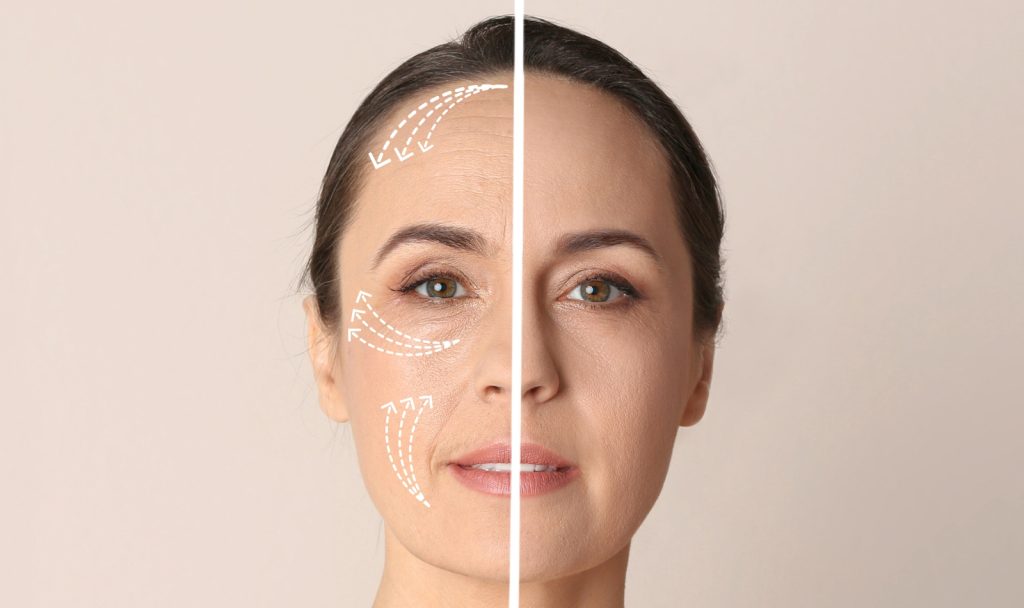
These advancements not only promise to enhance skin appearance but also address underlying health issues associated with aging. By combining these innovative approaches, researchers aim to redefine the aging process itself, turning conventional wisdom on its head. As technology develops at an unprecedented pace, the quest for a longer, healthier life is becoming more accessible and sophisticated.
As we delve deeper into these technologies, it’s essential to stay informed about their potential impact on our lives and well-being. From gene therapy breakthroughs to AI-driven treatments, the future of anti-aging is full of promise, encouraging ongoing curiosity and investigation into these fascinating developments.
DISCOVER MORE: Click here to enhance your knowledge
The Promise of Gene Therapy in Anti-Aging
At the forefront of the anti-aging revolution is gene therapy, a groundbreaking approach that targets the very blueprint of life: our DNA. This innovative technique has gained significant attention for its potential to not only treat but prevent age-related conditions. Researchers are investigating ways to modify or replace malfunctioning genes that contribute to various age-related diseases. The ultimate aim is to rewire our genetic code to counteract the natural decline associated with aging. Evidence suggests that treatments focused on altering genes linked to conditions like cardiovascular diseases and type 2 diabetes could significantly promote longevity and enhance overall health.
Stem Cell Therapy: Regeneration and Renewal
Stem cell therapy represents another leap forward in anti-aging treatments, leveraging the body’s innate ability to heal and regenerate. These cells, capable of transforming into a myriad of other cell types, offer the possibility of repairing damaged tissues that deteriorate with age. Clinical trials across the United States are exploring applications such as:
- Cardiovascular Repair: Stem cells are being tested for their ability to repair heart muscle damage due to aging or cardiovascular diseases, potentially reversing some of the effects of these conditions.
- Muscle Regeneration: Efforts are underway to harness stem cells to restore muscle mass and function lost due to age-related atrophy, which could improve mobility and quality of life.
- Joint Restoration: Research is also focusing on using stem cells to regenerate cartilage in joints, providing relief from osteoarthritis and other degenerative joint diseases.
These promising avenues of research not only aim to rejuvenate specific aspects of physiology but also fundamentally challenge our understanding of aging. With each new study, there’s a growing consensus that the limitations of traditional aging processes may be surmountable.
The Role of Artificial Intelligence in Personalized Treatments
As we enter an era increasingly influenced by technology, artificial intelligence (AI) is revolutionizing the field of anti-aging by enabling a more personalized approach to treatments. With the ability to sift through vast amounts of data, AI can uncover patterns that may not be visible to the human eye. Researchers are employing machine learning protocols to analyze factors such as:
- Genetic Makeup: Tailoring treatments to an individual’s unique genetic profile can enhance their efficacy.
- Lifestyle Choices: AI can integrate data about diet, exercise, and other lifestyle choices to recommend customized longevity strategies.
- Aging Patterns: By recognizing distinct aging patterns in populations, AI aims to prioritize preventive measures specifically for at-risk individuals.
This intelligent approach to healthcare sets a new precedent for achieving not just longer lives, but healthier ones, rooted in the research of what truly contributes to aging well.
As we continue to unveil these exciting technological breakthroughs, it becomes clear that the convergence of science and innovation holds significant promise for reimagining how we approach aging. Each breakthrough invites us to explore the potential of not just prolonging life, but enhancing its quality. The future is vividly promising, encouraging each of us to dig deeper into the wonders these emerging therapies may offer.
Emerging Technologies in Anti-Aging Treatments: Insights and Implications
As the field of anti-aging treatments evolves, new technologies are paving the way for innovative solutions that promise not just longer life but also better quality of life. One of the most exciting advancements is the integration of genomics. Understanding our genetic makeup allows for personalized treatments that can effectively combat the effects of aging at the cellular level. This precision medicine approach not only optimizes the effectiveness of treatments but also minimizes potential side effects, leading to safer and more targeted interventions.Another groundbreaking development is the use of artificial intelligence (AI)</strong) in skincare and health diagnostics. AI algorithms can analyze vast amounts of data to detect early signs of skin aging and recommend tailored skincare regimens. By leveraging machine learning capabilities, these systems improve over time, offering increasingly sophisticated solutions based on individual needs.Additionally, the rise of regenerative medicine holds significant promise. Advances in stem cell therapy are exploring ways to repair and regenerate damaged tissues, opening new avenues in the treatment of age-related diseases. Imagine the potential for skin rejuvenation or even organ regeneration—transforming not just how we age but our overall health landscape.Moreover, nanotechnology is making waves by enabling the delivery of nutrients and medications at the cellular level. This targeted approach enhances absorption and efficacy, especially for topical anti-aging products. As researchers continue to innovate, the future of anti-aging looks bright, opening new horizons for longevity and a youthful appearance.To delve deeper into these emerging technologies and their implications, consider exploring their specific applications and the scientific principles driving these advancements. This journey into the world of cutting-edge anti-aging treatments promises not only to enlighten but also to inspire greater interest in personal health and wellness strategies for the future.
| Category | Description |
|---|---|
| Genomics | Personalized treatments based on genetic makeup for optimal effectiveness. |
| Artificial Intelligence | Utilization of AI for personalized skincare regimens and early diagnosis. |
| Regenerative Medicine | Stem cell therapy for repairing aging-related damage and tissue regeneration. |
| Nanotechnology | Targeted delivery of nutrients and medications for enhanced efficacy. |
These technological advancements not only rewrite the narrative around aging but also encourage individuals to take a proactive stance toward their health and beauty. Engaging with these emerging technologies offers a compelling glance into the vibrant future of anti-aging treatments.
DISCOVER MORE: Click here for the benefits of vegan sunscreen!
Innovations in Pharmacology: The Promise of Senolytics
The pursuit of longevity has sparked interest in senolytics, a class of drugs designed to target and eliminate senescent cells—cells that have stopped dividing and contribute to aging and age-related diseases. Senescent cells accumulate over time and secrete harmful inflammatory factors, which can lead to tissue degeneration and contribute to chronic conditions such as osteoarthritis, diabetes, and heart disease. By removing these cells, senolytics promise to not only slow down the aging process but also improve the health span, the period of life spent in good health.
Recent studies have showcased the potential of various senolytic compounds, including natural substances like quercetin and the synthetic drug ABT-263. In preclinical trials, these compounds have shown not only to reduce the burden of senescent cells but also to improve physical function and vitality in animal models. For example, researchers at the Mayo Clinic observed that treatment with senolytics improved the health and mobility of mice, highlighting the potential of these compounds to address age-related decline in humans as well.
Regenerative Medicine: Tissue Engineering and Biomaterials
Tissue engineering is a cutting-edge field aiming to repair or replace damaged tissues and organs through the use of biomaterials, cells, and biochemical factors. By mimicking the biological processes of the body, researchers are working on developing implantable tissues that can restore function lost due to aging. One prominent example is the development of 3D-printed organs, which could revolutionize transplant medicine by providing readily available replacement tissues tailored to individual patients.
Moreover, advancements in materials science are enabling the creation of biologically compatible scaffolds that promote cell growth and tissue integration. For instance, researchers are developing biodegradable scaffolds that allow for the gradual incorporation of natural tissue while avoiding the complications associated with synthetic implants. These innovations could greatly enhance recovery from surgeries related to aging, such as joint replacements or cardiovascular interventions.
Wearable Technology: Real-Time Health Monitoring
The explosion of wearable technology is creating a new frontier in anti-aging treatments. Devices like smartwatches and fitness trackers are more than just gadgets; they track vital health metrics such as heart rate, sleep patterns, and physical activity. By gathering real-time data, these devices allow individuals to monitor their health more closely and make informed lifestyle choices, which can positively impact aging. For example, wearable technology can help identify irregular heart rhythms or signs of decreased physical activity, prompting early interventions.
Moreover, companies are developing wearables specifically targeting age-related health concerns. Devices that monitor skin hydration and UV exposure, for instance, can help users make decisions that counteract premature skin aging. As technology continues to advance, the integration of AI with wearables could lead to predictive analytics, offering personalized recommendations for diet, exercise, and wellness strategies tailored to an individual’s unique health profile.
As these innovative technologies continue to emerge, they highlight a significant shift in how society approaches aging, moving from a reactive to a proactive stance in health management. The collaborations between pharmaceutical, biotechnology, and IT sectors are paving the way for breakthroughs that may redefine the aging experience for future generations.
DISCOVER MORE: Click here to learn how to combat stress and protect your skin
Conclusion: The Future of Anti-Aging Technologies
The landscape of anti-aging treatments is undergoing a remarkable transformation, driven by groundbreaking innovations in pharmacology, regenerative medicine, and wearable technologies. As we have explored, the development of senolytics holds immense potential in targeting senescent cells, promising not only to mitigate signs of aging but also to enhance quality of life throughout the aging process. Furthermore, the strides made in tissue engineering and biomaterials signify a leap forward in how we can repair and regenerate damaged organs, offering hope for a future where age-related ailments can be significantly reduced or effectively treated.
Additionally, the rise of wearable technology has empowered individuals with real-time health insights, enabling proactive health management. These innovative devices are not just about monitoring fitness; they are tools that can guide decision-making to prevent age-related decline. The integration of artificial intelligence with these technologies is also paving the way for personalized approaches to health and wellness, making treatments more targeted and efficient.
In conclusion, the convergence of these emerging technologies signifies a shift towards a holistic understanding of aging, blending science and technology to redefine what it means to grow older. As research progresses and these technologies become more accessible, individuals can anticipate not only longer lifespans but healthier, more vibrant lives. The future of anti-aging treatments is bright, and staying informed on these advancements could be key for anyone eager to embrace the next era of longevity.