
The Importance of Sunscreen in Winter Skincare Routine

The Importance of Sunscreen in Winter Skincare
The chilly days of winter may give the impression that sunscreen is unnecessary, yet this is a common misconception that can have serious repercussions for your skin. Many people believe that the lower temperatures correspond with a decrease in sun exposure, but in reality, UV rays continue to pose significant risks to skin health during the colder months. Understanding why sunscreen remains a crucial element of your winter skincare routine can help protect your skin all year round, ensuring it remains healthy and vibrant despite the external conditions.
Why You Should Use Sunscreen in Winter
Here are some key reasons to consider integrating sunscreen into your winter skincare regimen:
- Snow Reflection: One often overlooked aspect of winter is the way sunlight interacts with snow. Sunlight reflects off snow, intensifying UV exposure by up to 80%. This means that even when you think you’re shielded from harmful rays, the snow is amplifying their impact. In fact, skiers and snowboarders are at heightened risk, as they are often outdoors for extended periods in bright, reflective environments.
- UVA Damage: While UVB rays are primarily responsible for sunburn and tend to be weaker in winter, UVA rays can penetrate through clouds and still cause long-term skin damage. These rays contribute to premature aging and increase the risk for skin cancer. Research has shown that about 95% of the sun’s ultraviolet radiation that reaches the Earth consists of UVA rays, which means they are a serious concern regardless of the season.
- Skin Dryness: The winter air can be particularly harsh, leading to dryness and compromised skin barriers. Cold temperatures and low humidity levels can sap moisture from your skin, making it more vulnerable to UV damage. When skin is dehydrated, it is less capable of protecting itself from environmental aggressors, further emphasizing the importance of sunscreen during these months.
Long-term Benefits of Sunscreen
Incorporating sunscreen into your routine can aid in preventing various skin conditions, including skin cancer and premature aging. According to the Skin Cancer Foundation, regular use of sunscreen can reduce the risk of developing melanoma by 50%. Many dermatologists recommend using a broad-spectrum sunscreen with at least SPF 30, even when you’re indoors or in overcast conditions. This is particularly vital for those who spend extended periods near windows, as UV rays can penetrate glass, leaving your skin exposed.
Choosing and Applying Sunscreen Effectively
As we delve deeper into this topic, you’ll discover how choosing the right sunscreen and applying it correctly can be a game changer for your skincare regimen. Look for products labeled as “broad-spectrum,” which protects against both UVA and UVB rays. Additionally, consider formulations that contain moisturizing ingredients to combat winter dryness. For effective usage, apply sunscreen generously to all exposed skin at least 15 minutes before heading outdoors. Remember to reapply every two hours or more frequently if you’re sweating or in direct contact with snow.
In conclusion, winter may bring the cold, but it does not provide a respite from harmful UV rays. So, slip on your favorite winter gear, grab your sunscreen, and step into the season armed with the knowledge to protect your skin. By prioritizing sun protection this winter, you’re investing in a healthier, more youthful complexion all year round.
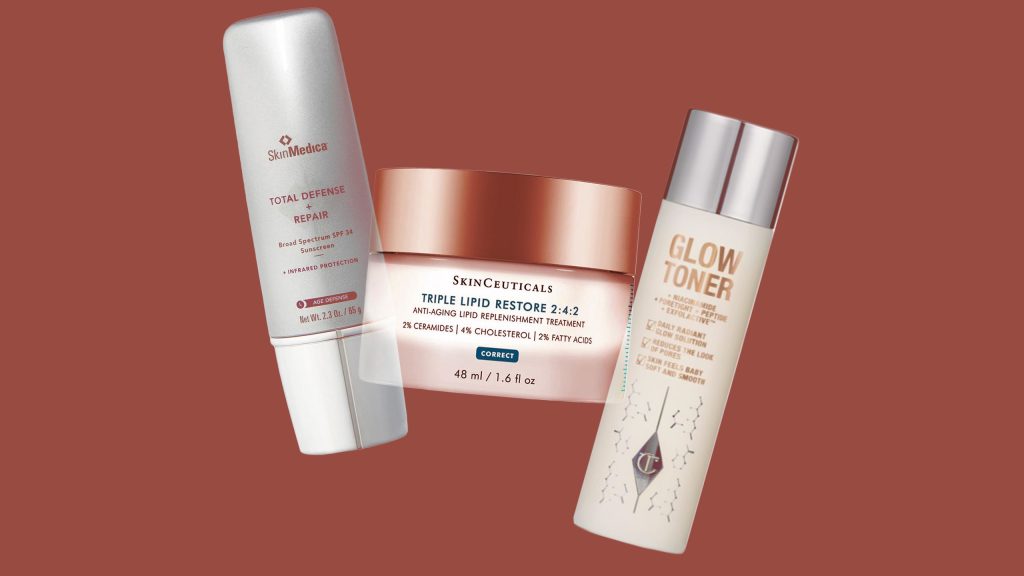
DISCOVER MORE: Click here to learn how to adapt your skincare by climate
Understanding UV Radiation in Winter
To grasp the importance of incorporating sunscreen into your winter skincare routine, it is essential to understand the nature of UV radiation. The sun emits two types of ultraviolet rays that can affect your skin: UVA and UVB. While UVB rays are known for causing sunburns and are more intense in the summer, they are not the only rays to be cautious of during the winter months. UVA rays, on the other hand, are consistently present throughout the year and can penetrate through clouds and window glass. This means that even on overcast days, your skin is still at risk of exposure.
Winter Activities and Enhanced UV Exposure
Individuals engaging in winter sports and spending extended periods outdoors often underestimate the risks posed by UV rays. The American Academy of Dermatology emphasizes this as skiers, snowboarders, and hikers can be exposed to intensified UV radiation due to altitude and reflective surfaces. For example, at high altitudes, the atmosphere is thinner, allowing more UV rays to reach your skin. Furthermore, when sunlight reflects off snow, it can increase UV exposure by as much as 80%, leading to an acute risk for those who venture into snowy landscapes.
Impact of Winter Elements on Skin Health
Aside from UV exposure, winter presents its own set of challenges for skin health. The combination of harsh winds, low humidity, and indoor heating can lead to skin dryness and irritation. This compromised skin barrier makes it even more critical to implement a proper skincare routine that includes sunscreen. A double whammy occurs as parched skin often results in slower healing processes for any damage inflicted by UV rays, making daily sun protection even more vital.
- Intensified UV Exposure: With snow and ice reflecting sunlight, you’re faced with higher levels of UV radiation than anticipated.
- UVA Penetration: UVA rays can penetrate deep into the skin and cause long-term damage, which is why protection is necessary, even on cloudy days.
- Skin Vulnerability: Cold weather leads to dryness, making your skin an easy target for UV damage.
As winter progresses, it’s important to remind yourself that sun safety should be a year-round pursuit. The damaging effects of UV rays do not hibernate during the colder months; instead, they continue to pose a threat that necessitates vigilance. By adopting the habit of applying sunscreen regardless of the season, you equip yourself with the best defense against skin damage and maintain your skin’s health and vitality year-round.
The Importance of Sunscreen in Winter Skincare Routine
As the winter months roll in, many people mistakenly believe that sunscreen is no longer necessary. However, UV rays can be just as damaging in winter as they are in summer, making it essential to incorporate sunscreen into your daily skincare routine regardless of the season. Not only do these harmful rays penetrate through clouds, but they can also reflect off snow, increasing exposure significantly.
Moreover, winter conditions often lead to dry skin, which can be exacerbated by sun exposure. Sunscreen acts as a protective barrier that helps hydrate the skin while preventing damage from UV radiation. Many formulations available today offer additional benefits, such as antioxidants that help combat skin aging. When selecting a sunscreen, look for a broad-spectrum option with at least SPF 30 to achieve optimal protection.
Additionally, applying sunscreen can reduce the risk of developing sunspots and uneven skin tone, making it an essential step in combating winter skincare challenges. As we strive for healthy, radiant skin all year round, understanding the benefits of sunscreen in winter is the key to maintaining our skin’s integrity.
| Category | Details |
|---|---|
| Protects Against UV Damage | Even in winter, UV rays can penetrate and harm your skin. |
| Prevents Skin Aging | Regular use can decrease fine lines and wrinkles caused by sun exposure. |
Incorporating sunscreen as part of your winter skincare routine is crucial for maintaining healthy skin. With the right knowledge and product selection, you can enjoy winter while keeping your skin protected and hydrated.
DIVE DEEPER: Click here to uncover the truths about natural ingredients
The Role of Sunscreen in Preventing Long-Term Skin Damage
While many people may only consider sunscreen as a tool to prevent immediate sunburns, its significance extends far beyond temporary relief. Regular application of sunscreen is crucial in combating long-term skin issues such as premature aging and skin cancer—two conditions often overlooked during the winter months. Research indicates that consistent use of sunscreen can reduce the risk of skin cancer by up to 50%, as noted by the Skin Cancer Foundation. This statistic is especially pivotal as the reality of skin cancer rates continues to rise in the United States. According to the American Academy of Dermatology, one in five Americans will develop skin cancer in their lifetime.
Choosing the Right Sunscreen for Winter
As winter temperatures drop, it’s essential to choose a sunscreen that suits the unique challenges presented by the season. Opt for a broad-spectrum sunscreen that provides protection against both UVA and UVB rays, with a minimum SPF of 30 for adequate coverage. Additionally, consider cream-based formulas that not only offer sun protection but also aid in moisturizing the skin, which can counteract winter dryness. Look for ingredients such as hyaluronic acid, glycerin, and antioxidants like vitamin C, which can enhance your skin’s hydration and provide further protection against oxidative stress—a concern heightened in winter.
- Broad-Spectrum Protection: Ensure your sunscreen guards against both UVA and UVB rays for comprehensive coverage.
- SPF 30 or Higher: Selecting a sunscreen with adequate SPF is essential for effective protection even in winter conditions.
- Moisturizing Ingredients: Look for formulas that hydrate the skin while protecting against UV rays to combat winter dryness.
The Importance of Reapplication
One crucial aspect of sunscreen use that is often underestimated is the necessity for reapplication. While summer days may compel individuals to reapply every two hours due to intense sun exposure, many forget that winter requires the same vigilance, especially after sweating or towel drying. A general rule of thumb is to reapply every two hours, but this may vary based on the activity level. Those engaged in winter sports might need to refresh their sunscreen more frequently due to the increased removal from sweat or physical contact with gear.
Furthermore, consider layering your sunscreen application. This method involves using a hydrating serum beneath your sunscreen, providing additional moisture, while the sunscreen acts as a shield. This combination not only fortifies the skin against UV rays but also defends against the harsh winter elements that can cause irritation.
Education and Awareness on Skin Protection
Public awareness campaigns such as “Don’t Fry Day” remind individuals about the importance of sun safety year-round. Educational initiatives have demonstrated that individuals equipped with knowledge about UV risks are more likely to adopt protective measures. By disseminating information about the dangers of UV exposure—even in winter—health organizations and dermatologists highlight the significance of adopting a proactive skincare routine that prioritizes sunscreen application.
Adopting sunscreen as a staple in your winter skincare routine is a crucial step toward ensuring long-term skin health. Remember, your skin does not take a break from the sun’s harmful rays just because the seasons change. Keep your skin well-protected, moisturized, and healthy throughout the winter months by incorporating sunscreen into your daily regimen.
DIVE DEEPER: Click here to discover the evolution of acne treatments</p
Final Thoughts on Winter Sunscreen Essentials
As we embrace the winter months, the importance of incorporating sunscreen into our skincare routine cannot be overstated. While many view sun protection as a summer-only necessity, the truth is that harmful UV rays continue to pose a significant threat even when the temperature plummets. With reflections off snow and cloudy skies, the potential for skin damage remains high, making it essential to prioritize broad-spectrum sunscreen as a staple in your daily regimen.
By diligently applying a suitable sunscreen with at least SPF 30 and reapplying it regularly—especially if participating in outdoor sports—you not only guard against immediate sunburn, but also combat the long-term consequences of premature aging and skin cancer. The addition of moisturizing ingredients can further enhance your skin’s resilience against winter’s harsh elements, ensuring that it remains hydrated and protected.
Moreover, raising awareness about the significance of year-round sun protection is vital. Educational campaigns that inform the public about UV risks foster a culture of proactive skincare, encouraging individuals to recognize that safeguarding their skin is crucial at all times of the year. As you enjoy winter activities, remember that your skin deserves the same level of care and protection, no matter the season.
Incorporate sunscreen into your winter skincare routine today and take a significant step toward achieving lasting skin health. Protect your skin—it’s worth it.