The impact of stress on acne: how to manage your emotions for healthier skin
Understanding the Connection Between Stress and Acne
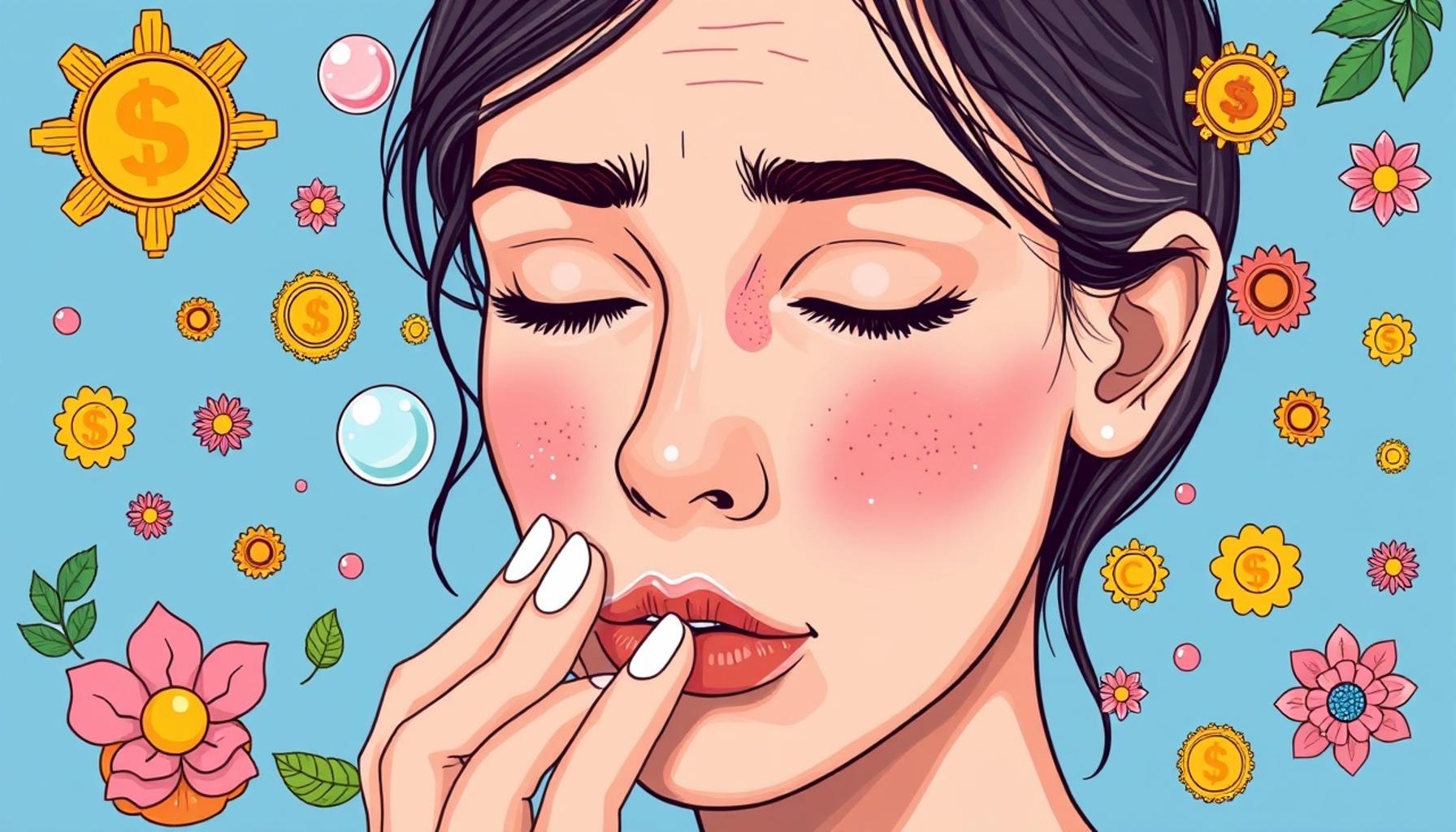
Stress can be an insidious factor that contributes to skin issues, particularly acne. While many focus on external treatments, few recognize how emotional health plays a vital role in skin conditions. The influence of stress on our body is profound, leading to changes that can exacerbate acne.
How Stress Affects Your Skin
When you experience stress, your body reacts in several ways that can severely impact your skin’s health and appearance. Among the most notable consequences of stress are:
- Hormonal Changes: Elevated levels of cortisol, often referred to as the “stress hormone,” can significantly boost oil production in your skin. Excess oil leads to clogged pores, a primary contributor to acne formation. For example, during stressful events such as final exams or high-stakes presentations, many individuals find themselves breaking out due to these hormonal fluctuations.
- Inflammation: Stress can trigger inflammatory responses throughout the body. This inflammation can worsen existing acne and make new breakouts more likely. Conditions such as eczema and psoriasis, which can also be exacerbated by stress, share similar inflammatory pathways with acne.
- Behavioral Factors: Stress may cause individuals to indulge in poor dietary choices, such as consuming high-sugar or high-fat foods, which can further compromise skin health. Additionally, stress can lead to disrupted sleep patterns, increasing the likelihood of skin problems as the body fails to repair itself properly overnight.
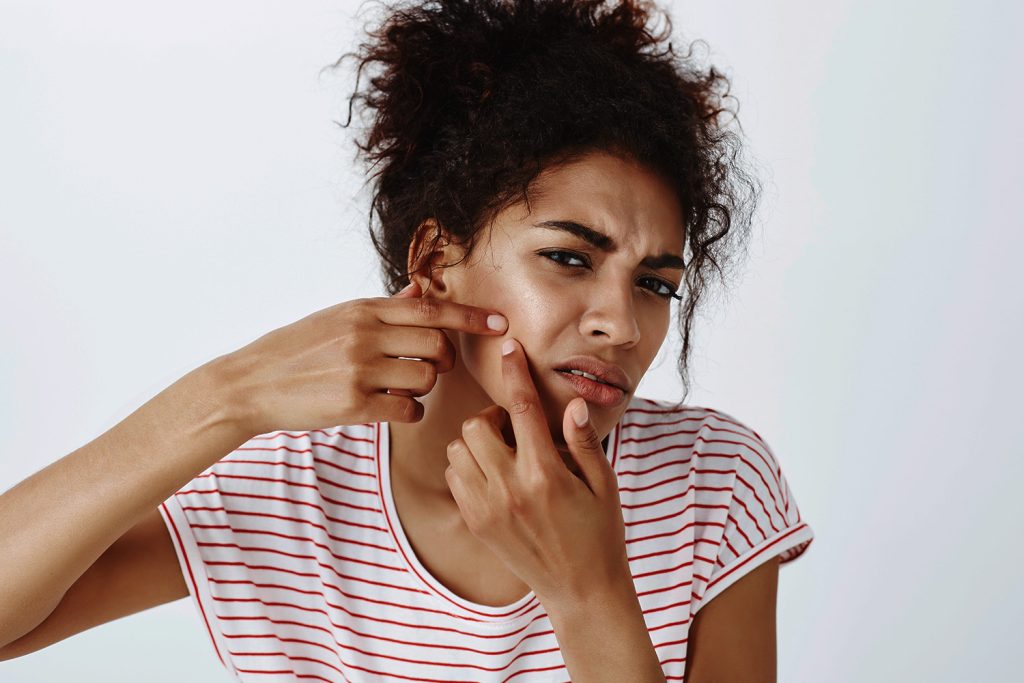
These factors create a vicious cycle where acne leads to more stress about one’s appearance, further compounding skin issues. Recognizing the symptoms of stress can be the first step toward healthier skin. By understanding your emotional triggers—whether they stem from work, relationships, or personal expectations—you can empower yourself to take control not just of your skin but your overall well-being.
Effective Stress Management Techniques
To combat the detrimental effects of stress on your skin, consider adopting a multifaceted approach to stress management. Here are some strategies that may prove beneficial:
- Mindfulness Meditation: Practicing mindfulness meditation can significantly reduce anxiety and promote clarity, which in turn can help mitigate stress-related skin issues. Even spending a few minutes each day focusing on your breath can foster a sense of calm and improve emotional resilience.
- Regular Exercise: Engaging in regular physical activity releases endorphins, often referred to as the body’s natural mood lifters. Activities such as jogging, yoga, or swimming can alleviate stress while also promoting healthy blood circulation to the skin, potentially reducing acne severity.
- Balanced Nutrition: Eating a well-rounded diet rich in antioxidants, healthy fats, and vitamins is crucial for skin health. Foods like fruits, vegetables, nuts, and whole grains support your body’s stress response and help maintain overall wellness, contributing to clearer skin.
By actively managing stress, you pave the way for not only clearer skin but also a more balanced life. Delving deeper into your emotional health can reveal vital insights into promoting a healthier you, both inside and out. Research shows that individuals who balance stress management techniques with skincare routines often experience more effective results.
DISCOVER MORE: Click here to learn how nutrition impacts your skin
The Physiological Mechanisms Linking Stress and Acne
Understanding how stress influences acne requires a closer look at the physiological mechanisms at play. When you face stress, your body activates the hypothalamic-pituitary-adrenal (HPA) axis, initiating a cascade of hormonal changes. This activation leads to an increase in cortisol production, which not only heightens oil production in your sebaceous glands but also alters your skin’s barrier function. Studies have shown that individuals experiencing chronic stress often have higher cortisol levels, correlating directly with increased acne severity. For instance, a study published in the Journal of Investigative Dermatology noted that individuals with heightened cortisol responses during stressful situations exhibited more pronounced acne lesions compared to their less stressed counterparts.
Furthermore, stress can also stimulate the release of androgens, a group of hormones including testosterone, which can increase oil production in the skin. This hormonal cocktail contributes to the formation of acne as excess oil clogs pores, creating an environment conducive for bacteria such as *Propionibacterium acnes*, which thrive in these conditions and exacerbate inflammation. According to a research study in the Archives of Dermatological Research, elevated levels of androgens were significantly associated with both the severity of acne and the occurrence of cystic lesions, which are often more challenging to treat.
Emotional Impact and Skin Health
Beyond the biological responses, the emotional impact of stress can also affect how you treat and manage your skin. When you’re feeling overwhelmed, it may lead to negative self-perception and heightened anxiety about your appearance. The distress often associated with acne cannot be overlooked; it can affect your social interactions, professional life, and overall mental health. For instance, studies have indicated that individuals with acne are more likely to experience depression and social anxiety, perpetuating the stress cycle even further. The American Academy of Dermatology has highlighted that this psychological burden can lead to individuals withdrawing from social events, exacerbating feelings of isolation.
Moreover, people under stress may turn to unhealthy habits as coping mechanisms, which can have detrimental effects on skin health. Consider these common responses:
- Skipping Skincare Routines: In times of high stress, individuals may neglect their skincare routines, foregoing essential products that help to manage acne, such as cleansers or topical treatments that reduce inflammation.
- Increased Smoking and Alcohol Consumption: These habits can further dehydrate and irritate the skin, leading to breakouts. Research from the Journal of Clinical and Aesthetic Dermatology indicates a clear link between smoking and acne severity.
- Poor Sleep Quality: Stress often disrupts sleep patterns, leading to inadequate rest. The body repairs itself during sleep, and insufficient sleep can exacerbate acne problems, as noted in studies published in the Sleep Medicine Reviews.
Recognizing these emotional triggers not only enables individuals to take proactive measures for their skin but also highlights the interconnectedness of mental and physical health. Psychological treatments, such as cognitive-behavioral therapy, have shown effectiveness in reducing acne’s psychological impact, leading to better overall skin outcomes. The path to managing stress effectively and its impact on acne begins with awareness and strategic action. By understanding the underlying mechanisms, you can implement practices and lifestyle changes that support both your emotional well-being and skin health.
One critical aspect of understanding the relationship between stress and acne is recognizing how stress triggers hormonal imbalances that affect skin health. When under stress, our body releases cortisol, a hormone that can lead to increased oil production in the skin. This excess oil can clog pores, resulting in acne outbreaks. Additionally, stress affects various factors, such as inflammation levels and immune response, both crucial components in maintaining clear skin.Managing emotions is essential for better skin health. Incorporating stress-reducing techniques such as mindfulness meditation, yoga, and deep-breathing exercises into your daily routine can significantly improve not only your emotional well-being but also the condition of your skin. Studies have shown that individuals who practice mindfulness regularly often experience fewer acne flare-ups. Engaging in physical activity, such as aerobic exercise, is also beneficial. It not only helps to reduce stress levels but can enhance blood circulation, promoting healthier skin through better oxygenation and nutrient delivery.Apart from psychological strategies, focusing on nutrition can play a significant role in managing stress-induced acne. Consuming a balanced diet rich in antioxidants, vitamins, and healthy fats can support skin health. Foods rich in omega-3 fatty acids, like fish and walnuts, can lower inflammation and help in regulating hormonal fluctuations. Meanwhile, staying hydrated and limiting sugar intake can also work wonders on your skin by maintaining overall health.Lastly, consider journaling as a tool to process emotions. Keeping track of stress triggers and skin changes can provide insights into patterns, aiding you in managing both your emotional state and skin conditions effectively. By employing a comprehensive approach that combines psychological management, nutrition, and mindfulness, achieving healthier skin while navigating stress is entirely within reach.
DIVE DEEPER: Click here to learn more
Strategies for Managing Stress to Improve Acne
Given the intricate relationship between stress and acne, implementing effective stress management techniques can significantly enhance both emotional and skin health. By adopting practices that promote calmness and emotional resilience, individuals can mitigate the negative impacts of stress on their skin. Here are several strategies that have proven effective:
- Mindfulness and Meditation: Research shows that mindfulness practices can substantially lower cortisol levels and improve overall mental health. Techniques such as meditation, deep breathing exercises, and yoga not only help in cultivating a sense of peace but also lead to improvements in skin conditions. According to a study published in the Journal of Clinical Psychology, participants who engaged in mindfulness meditation experienced reduced levels of stress and anxiety, which ultimately reflected in improved skin appearance.
- Regular Exercise: Physical activity is a powerful stress reliever. Exercise releases endorphins, the body’s natural mood elevators, and fosters better mental health. Activities such as running, dancing, or even brisk walking can boost self-esteem and help manage symptoms of anxiety and depression. A 2018 study in the Journal of the American Academy of Dermatology highlighted that participants who exercised regularly reported lower levels of perceived stress and consequently experienced less severe acne.
- Nutrition and Hydration: Diet plays a crucial role in both emotional well-being and skin health. Foods rich in antioxidants, essential fatty acids, and vitamins can combat inflammation and promote healing. Incorporating fruits, vegetables, lean proteins, and healthy fats into your meals supports both your mood and complexion. Furthermore, staying adequately hydrated is critical; studies have illustrated that proper hydration helps maintain skin elasticity and overall health, reducing the likelihood of breakouts.
- Quality Sleep: Prioritizing quality sleep is essential for both mental and physical health. Inadequate sleep can heighten stress levels and aggravate acne. The National Sleep Foundation recommends adults aim for 7-9 hours of sleep each night. Creating a bedtime routine that includes winding down with relaxing activities—such as reading or taking a warm bath—can enhance sleep quality and, in turn, improve skin health.
- Seek Support: Engaging with a supportive community is vital for emotional balance. Whether through friendships, family, or support groups, discussing feelings and experiences can alleviate feelings of isolation. Professional help in the form of therapy can also provide valuable tools for managing stress and improving self-image, which correlates with better skin outcomes.
Incorporating these strategies into daily life requires mindfulness and dedication. By establishing routines that nurture emotional wellness, individuals are more likely to experience a decrease in the stress-related triggers of acne. It is vital to tailor these approaches to suit individual preferences, as what works for one person may not resonate with another. Engaging in self-discovery to determine the best practices not only promotes healthier skin but also contributes to a more balanced emotional state.
As we navigate the complexities of modern life, maintaining awareness of our emotional landscape is crucial. Understanding how stress impacts acne empowers individuals to take a proactive stance in caring for their skin and mental health. Integrating these practices can create a holistic approach to skin care, leading to profound benefits that extend beyond the surface.
DIVE DEEPER: Click here to uncover more insights
Conclusion
The connection between stress and acne is a complex interplay that underscores the importance of maintaining both mental and emotional health for achieving clearer skin. As discussed, stress can trigger hormonal fluctuations that contribute to acne flare-ups, making it essential to address emotional well-being to cultivate a healthier complexion. Implementing strategic stress management techniques—such as mindfulness practices, regular exercise, balanced nutrition, quality sleep, and support systems—can significantly mitigate the adverse effects of stress on the skin.
Moreover, it is crucial to recognize that every individual’s journey is unique. Finding personalized strategies that resonate with one’s lifestyle can make a substantial difference not only in skin health but also in overall happiness and quality of life. By embracing a holistic approach that balances emotional resilience with effective skincare, individuals can unlock new pathways to clearer skin and improve their mental health simultaneously.
Ultimately, fostering a deeper understanding of the link between stress and acne empowers individuals to take control of their skin-care journey. Taking small, consistent steps towards managing stress not only promotes healthier skin but also paves the way for enhanced emotional well-being. As you explore these strategies, let them serve as stepping stones towards achieving the clear, radiant skin you desire, ultimately transforming both your skin and your mindset.