Alternative therapies for acne: acupuncture and aromatherapy as treatment options
Understanding Acne and Alternative Treatments
Acne is more than just a skin condition; it is a prevalent issue that impacts approximately 50 million people in the United States annually, affecting both teens and adults alike. The emotional and psychological toll it can take—such as low self-esteem and anxiety—often drives individuals to seek solutions beyond conventional methods. Alternative therapies are becoming increasingly popular for those desiring a holistic approach to skin health, focusing not only on the symptoms but also on the root causes of acne.
Acupuncture: Ancient Wisdom for Modern Skin
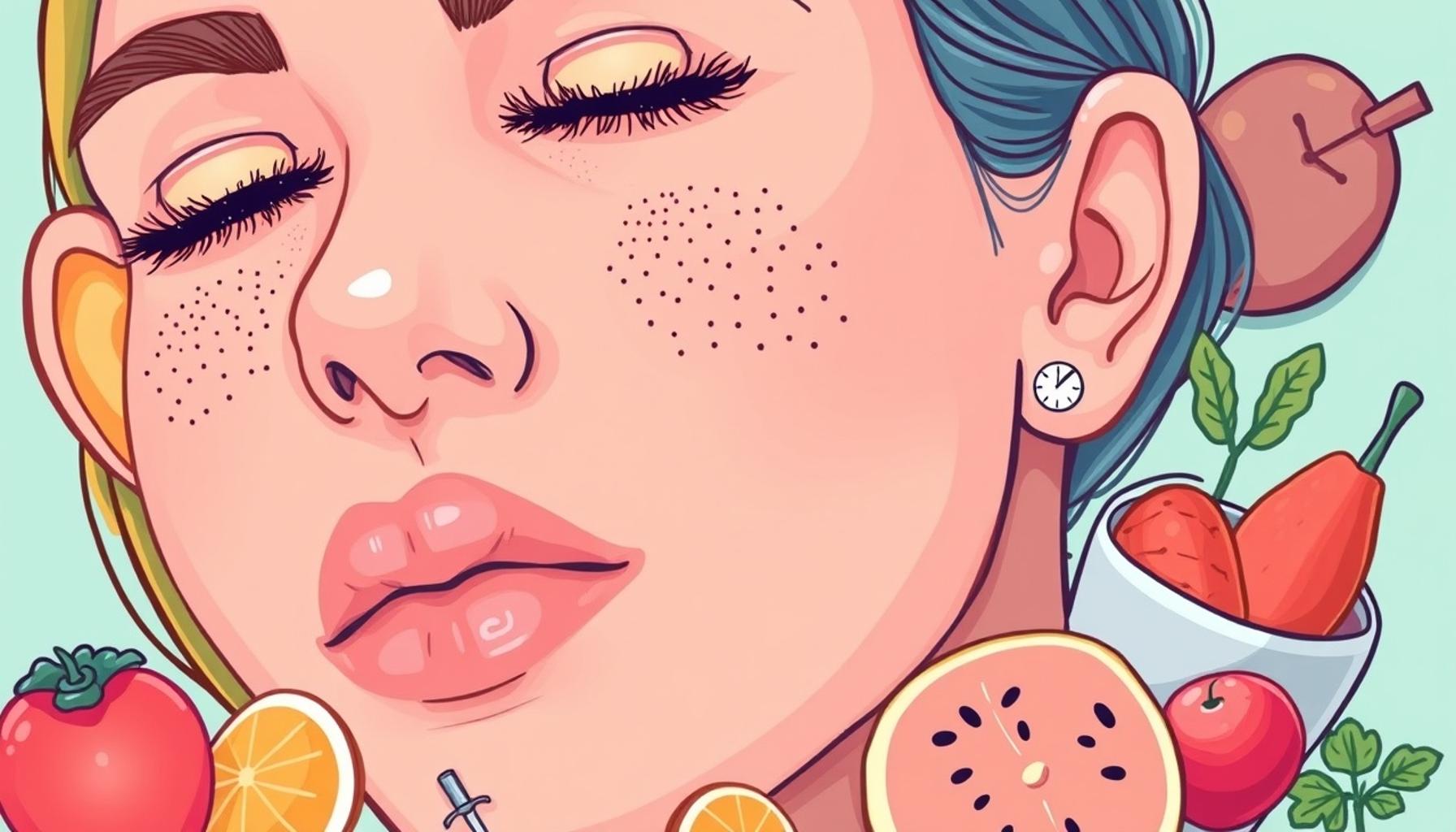
Acupuncture has been used for thousands of years in traditional Chinese medicine and is predicated on the belief that the body has energy pathways or meridians. Practitioners insert fine needles into specific points on these pathways to restore balance and stimulate the body’s natural healing processes. Proponents of acupuncture suggest that it can:
- Balance energy flow: By targeting specific acupuncture points, this therapy aims to regulate energy—known as “Qi”—which can lead to improved bodily functions and skin health.
- Reduce inflammation: Research has shown that acupuncture can lower the levels of inflammatory markers in the body, potentially easing the redness and swelling associated with acne.
- Support overall skin health: Various studies suggest that regular acupuncture treatments may lead to a reduction in acne lesions and an improvement in skin texture.
For those considering acupuncture, it is crucial to seek certified practitioners who can provide tailored treatments based on individual skin types and conditions. Local acupuncture clinics often offer initial consultations to develop personalized treatment plans.
Aromatherapy: Nature’s Healing Essence
Aromatherapy employs the use of essential oils, derived from plants, to promote mental and physical well-being. This therapeutic technique has shown promise in addressing skin issues, particularly acne. Some of the notable benefits include:
- Reducing stress: Stress is a significant factor known to exacerbate acne. Essential oils, such as chamomile and bergamot, can help calm the mind and encourage relaxation, which may subsequently reduce acne flare-ups.
- Enhancing skin healing: Oils like tea tree oil are renowned for their antibacterial properties, helping to combat acne-causing bacteria, while lavender oil is famous for its healing abilities and soothing effect on the skin.
- Improving mood and emotional balance: The pleasant scents of essential oils can elevate mood and diminish feelings of sadness or anxiety, promoting an overall sense of well-being.
Incorporating aromatherapy into daily routines is simple: diffusing oils, applying diluted essential oils topically, or even using aromatherapy candles can foster a calming environment while tending to skin health.
The increasing awareness of these alternative therapies reflects a broader movement towards embracing natural solutions for complex health concerns. By complementing conventional treatments, both acupuncture and aromatherapy offer promising avenues for individuals seeking relief from the burdens of acne, inviting exploration of the interconnectedness of mind and body in achieving skin health.
LEARN MORE: Click here to dive deeper
Exploring Acupuncture as a Natural Approach to Acne
As individuals seek innovative and holistic solutions for acne management, acupuncture stands out as a credible option that bridges ancient healing techniques with modern wellness practices. This therapy has gained traction in various holistic circles for its potential to treat skin conditions by addressing imbalances within the body. Research indicates that acupuncture may provide support for those suffering from acne by:
- Regulating Hormones: One of the critical factors in acne development is hormonal imbalance. Acupuncture may influence hormone levels, leading to a reduction in sebum production and ultimately lessening the occurrence of breakouts.
- Enhancing Circulation: Better blood flow can facilitate the delivery of nutrients to the skin and expedite the healing process. By promoting circulation through targeted acupuncture points, this therapy may contribute to clearer and healthier skin.
- Strengthening the Immune System: A robust immune system helps the body combat skin infections and inflammation. Acupuncture has been shown to stimulate the immune response, possibly providing a safeguard against acne flare-ups.
Many individuals who have turned to acupuncture have reported noticeable improvements in their skin health after a series of treatments, with some even noting a reduction in the severity and frequency of their acne. However, it remains essential for potential candidates to approach this therapy with informed expectations. While acupuncture can complement conventional dermatological treatments, it should not entirely replace them without consulting a healthcare professional.
The Role of Aromatherapy in Acne Treatment
Aromatherapy serves as another alternative therapy increasingly recognized for its potential benefits in managing acne. By utilizing the natural properties of essential oils, aromatherapy not only targets acne directly but also addresses the stress factors that often accompany skin issues. Here’s how aromatherapy can be beneficial:
- Promoting Skin Health: Certain essential oils possess antibacterial and antifungal properties that can help cleanse the skin. For instance, tea tree oil has been clinically proven to reduce acne lesions effectively.
- Offering Stress Relief: The emotional toll of battling acne can contribute to further skin breakouts. Oils like lavender or frankincense can enhance relaxation, potentially mitigating stress-related flare-ups.
- Hydrating and Nourishing: Essential oils can provide moisture and nourishment to the skin when properly diluted. Oils such as jojoba and rosehip can help keep skin balanced and hydrated, which is crucial for individuals prone to acne.
Incorporating aromatherapy into a daily routine can be done seamlessly through various methods, like using essential oil diffusers, applying custom blends topically after dilution, or enjoying scented baths. This approach not only enhances skin health but can also provide an enriching sensory experience that uplifts the mind.
By understanding the unique benefits of both acupuncture and aromatherapy, individuals looking for alternative therapies for acne gain access to diverse treatment options that harmonize physical and emotional well-being. Embracing these holistic practices represents a commitment to exploring integrative care solutions for clearer, healthier skin.
Exploring Alternative Therapies: Acupuncture and Aromatherapy
In the quest for effective treatment options for acne, many individuals are turning to alternative therapies such as acupuncture and aromatherapy, both of which offer unique benefits without the side effects often associated with traditional medication. Unlike conventional treatments, these holistic approaches can address underlying issues, promoting overall skin health.
| Therapy Type | Benefits |
|---|---|
| Acupuncture | Promotes circulation, reduces inflammation, and balances hormones that may trigger acne. |
| Aromatherapy | Utilizes essential oils with antibacterial and calming properties to soothe skin and reduce breakouts. |
Acupuncture, a practice rooted in ancient Chinese medicine, involves the insertion of thin needles into specific points on the body to stimulate energy flow. This can help alleviate stress, a known acne trigger, and promote skin healing by enhancing blood flow. In contrast, aromatherapy leverages the properties of essential oils like tea tree and lavender. These oils can reduce inflammation and irritation, providing a gentle and natural method to combat acne.
Both therapies encourage users to pay attention to their bodies while fostering a more holistic approach to skincare. Whether exploring acupuncture’s stress-relieving benefits or the soothing nature of aromatic compounds, individuals seeking alternatives to conventional treatments may find these therapies enlightening.
DON’T MISS: Click here to discover the connection between nutrition and skin health
Integrating Acupuncture and Aromatherapy for Comprehensive Acne Care
As the quest for effective alternative therapies for acne continues, the combination of acupuncture and aromatherapy presents a holistic strategy that can enhance overall well-being while addressing this prevalent skin condition. By examining the synergy between these two modalities, individuals may discover a more comprehensive approach to treating acne that transcends merely managing symptoms.
One of the compelling aspects of combining acupuncture and aromatherapy lies in their ability to address both physical and emotional components of acne. Research indicates that stress can exacerbate skin conditions due to its impact on hormonal balance and immune function. Therefore, utilizing acupuncture’s calming effects alongside aromatherapy’s stress-relieving essential oils can create a dual-action treatment plan. For example, during an acupuncture session, the practitioner might use a diffuser to release calming essential oils such as chamomile or bergamot, fostering an environment of relaxation and balance.
Targeting Specific Skin Types with Customized Blends
Another major benefit of integrating these therapies is the ability to create tailored treatments. Individuals with acne-prone skin can consult with both an acupuncturist and an aromatherapist to design specialized blends that align with their unique skin types and concerns. For instance, a person with oily skin may benefit from essential oils like lemon or peppermint, which help reduce excess oil and promote a clearer complexion. Meanwhile, acupuncture points specific to acne treatment can be incorporated to maximize the overall effectiveness, targeting deeper systemic issues that may not be apparent on the surface.
Enhancing the Healing Process
In terms of enhancing the healing process, both acupuncture and aromatherapy share an emphasis on natural ingredients and techniques. Acupuncture needles stimulate specific points that may help in reducing inflammation associated with acne. This correlated with the topical application of essential oils rich in antioxidants, like rosemary or geranium, can enhance skin repair and regeneration, leading to improved texture and tone. Furthermore, these essential oils can deliver nutrients directly to the skin while also potentially aiding in collagen production, vital for maintaining youthful skin.
Additionally, the benefits of integration extend to creating a consistent self-care routine. The act of participating in both modalities can encourage individuals to engage more actively in their skincare regimens. By adopting a holistic approach, patients not only confront their acne concerns but also reinforce their mental and emotional health through mindfulness techniques practiced during acupuncture or aromatherapy sessions. The psychological uplift from this compounded care can serve as a powerful motivator for ongoing commitment to skin wellness.
Potential Considerations and Professional Guidance
While the path of integrative therapies shows promise, individuals contemplating these treatments should proceed with informed caution. Seeking guidance from licensed acupuncturists and professional aromatherapists is crucial to ensure safety and efficacy. Both practitioners can offer insight into how best to navigate personal treatment plans while considering all underlying factors contributing to acne. Moreover, it is essential to maintain consistent communication with a dermatologist to harmonize both conventional and alternative therapies, reinforcing the overall treatment framework.
In exploring acupuncture and aromatherapy as alternative therapies for acne, individuals unlock a treasure trove of natural solutions that not only address the skin but also nurture the mind and spirit, forging a pathway towards holistic healing. The potential for improved skin health and emotional well-being presents a compelling case for embracing these alternative therapies in daily life.
DISCOVER MORE: Click here for essential tips on sun protection
Final Thoughts on Alternative Therapies for Acne
As we explore the landscape of alternative therapies for acne, the integration of acupuncture and aromatherapy emerges as a promising frontier. By addressing both the physical and emotional aspects of acne, this combined approach not only targets skin issues but also promotes an overall sense of well-being. The use of acupuncture to reduce inflammation and regulate hormonal balance, paired with the calming and healing properties of essential oils, provides a comprehensive strategy to combat this common skincare challenge.
The customization potential inherent in these therapies further enhances their appeal. Individuals can work closely with trained practitioners to develop personalized treatment plans that suit their specific skin types and emotional states. Such tailored approaches can yield impressive results, transforming use into a proactive, engaging experience that encourages routine self-care while empowering individuals to take control of their skin health.
However, as with any therapy, it is crucial for individuals to proceed thoughtfully. Seeking guidance from licensed professionals is essential to ensure the safety and effectiveness of the treatments. Moreover, maintaining open channels of communication with conventional healthcare providers can help create a well-rounded plan that incorporates both traditional and alternative methodologies.
In the quest for resilient and clear skin, the combination of acupuncture and aromatherapy not only provides natural solutions but also champions a holistic perspective on health. This multi-faceted approach invites individuals to explore new avenues for healing, nurturing not just the skin but also the mind and spirit. For those eager to enhance their skincare journey, diving deeper into these alternative therapies may just reveal the transformative potential they seek.