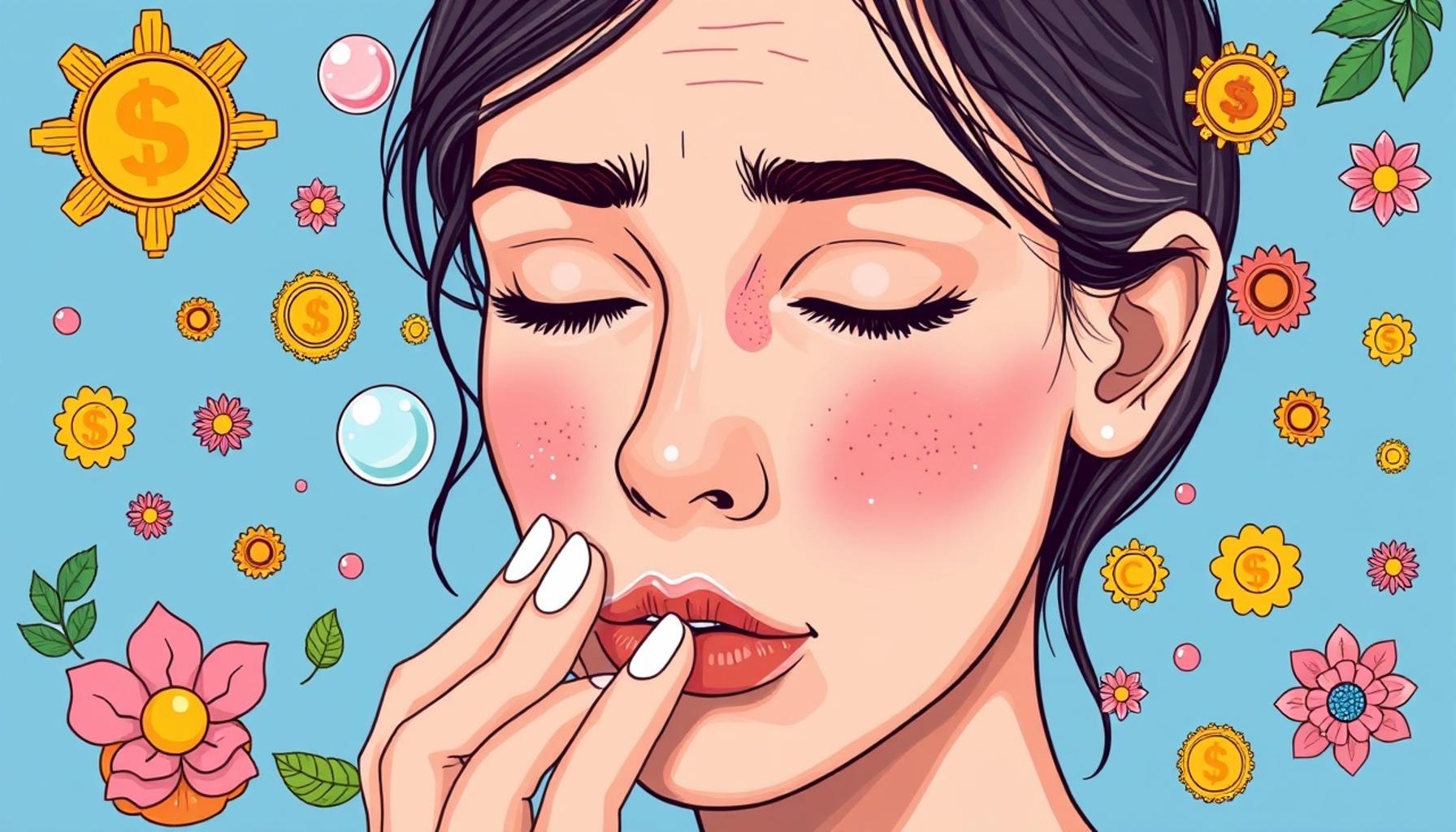
The importance of sleep for skin health: how lack of rest can worsen acne

The Importance of Quality Sleep for Skin Health
How well you sleep often plays a more critical role in your overall health than you might realize. While many individuals focus on diet and physical fitness, the quality of your sleep is an essential, yet frequently overlooked, aspect of well-being that can profoundly influence your health and appearance.
Your skin, which serves as a visible testament to your body’s internal state, can significantly suffer from poor sleeping habits. Studies indicate a direct correlation between sleep deprivation and various skin conditions, with acne being a common issue. For example, a study published in the journal “Sleep” found that individuals who consistently obtained less than 6 hours of sleep experienced more significant acne breakouts compared to their well-rested counterparts.
The Impact of Sleep on Skin
The way sleep affects your skin can be categorized into several key factors:
- Hormonal Imbalance: Insufficient sleep disrupts the body’s hormonal balance, particularly increases in cortisol and other stress hormones. This imbalance can lead to heightened oil production in the skin, ultimately resulting in an increase in acne flare-ups.
- Inflammation: Chronic sleep deprivation elevates levels of inflammation in the body. Inflammation not only aggravates existing skin conditions but can also contribute to new issues emerging. Conditions like eczema and rosacea can become exacerbated, leading to uncomfortable flare-ups.
- Skin Repair: During the sleep cycle, particularly in the deep and REM stages, the body undertakes vital processes of cellular repair and regeneration. Skin cells regenerate and repair themselves during this time, meaning that inadequate sleep can severely hamper this critical restorative function.
In today’s fast-paced culture, where long hours and relentless work often receive more praise than self-care, the importance of adequate sleep can be easily overlooked. Yet, understanding the deep-rooted connection between sleep quality and skin health is key to managing skin issues like acne more effectively. Prioritizing a consistent sleep schedule, which includes opportunities for winding down and adopting healthier sleep hygiene practices, can make a noticeable difference.
To further investigate, consider keeping a sleep diary that tracks your rest patterns alongside your skin’s condition. You may be surprised by how much better your skin looks—and feels—when you prioritize getting a good night’s sleep. By learning more about the significance of sleep in relation to overall health and beauty, one can unlock a new layer of wellness and radiance.

DISCOVER MORE: Click here to delve deeper
How Sleep Deprivation Affects Acne and Overall Skin Condition
When it comes to maintaining healthy skin, many factors contribute to the equation, but one crucial element that is often underestimated is quality sleep. The skin, being the body’s largest organ, reflects our overall health, and when sleep is compromised, it can lead to visible consequences. Acne can worsen noticeably in those who experience chronic sleep deprivation, resulting in a detrimental cycle that complicates skin health.
Research suggests that sleep plays a vital role in regulating skin functions crucial for preventing and healing acne. Without restorative sleep, several physiological changes occur in the body that exacerbate skin issues. Here are primary ways that lack of rest can negatively influence skin health and aggravate acne:
- Increased Stress Hormones: The hormone cortisol surges in response to stress and inadequate sleep. Elevated levels of cortisol can amplify oil production from sebaceous glands, increasing the likelihood of clogged pores and breakout flare-ups.
- Impacts on Immune Function: Sleep is integral to the smooth functioning of the immune system. A compromised immune system due to sleep deprivation can make it challenging for the body to fight off inflammation and bacteria that contribute to acne.
- Altered Circadian Rhythms: The body operates on a complex 24-hour cycle affecting various biological functions, including skin regeneration. Disrupted sleep patterns can challenge this rhythm, leading to uneven skin tone and increased acne formation.
- Subpar Skin Repair: As mentioned earlier, during deep and REM sleep, the body is engaged in cellular repair. Without sufficient sleep, this crucial process is stunted, leaving skin vulnerable to damage, including the persistence of acne scars and blemishes.
Moreover, the social and psychological implications of persistent acne can lead to sleep disturbances, creating a vicious cycle. Individuals may find themselves overly stressed about their skin’s appearance, which can further reduce sleep quality. Acknowledging this relationship is pivotal; understanding how restful sleep is not just a beauty regimen but a fundamental factor in skin vitality can shift one’s approach to skincare.
If you are struggling with acne and suspect that your sleep habits might be contributing to the problem, it may be beneficial to implement strategies aimed at improving your sleep hygiene. Simple changes, such as establishing a night-time routine, reducing screen time before bed, and creating a restful environment, can lead to significant improvements in both sleep quality and skin health.
The link between sleep and skin health is undeniable, urging individuals to consider how prioritizing sleep may serve as a valuable avenue for managing acne and enhancing overall skin appearance. The journey toward clearer skin could begin with a commitment to better nightly rest.
| Category | Details |
|---|---|
| Skin Regeneration | During deep sleep, the body undergoes critical skin repair processes. |
| Hormonal Balance | Sleep deprivation can lead to hormonal imbalances that worsen acne severity. |
| Stress Reduction | Adequate sleep lowers stress levels, reducing the production of cortisol linked to acne flare-ups. |
| Skin Hydration | Sleep enhances the skin’s ability to retain moisture, preventing dryness associated with acne. |
| Cell Regeneration | Sleep plays a vital role in replacing damaged skin cells with new, healthy ones. |
Sleep is not just a way to recharge; it holds the key to maintaining robust skin health. Insufficient rest can compromise the body’s innate ability to repair and rejuvenate, directly influencing conditions like acne. When the body is deprived of sleep, it has less opportunity to fight off inflammation and heal blemishes, resulting in exacerbated skin issues. Importantly, the connection between sleep and skin health is supported by studies showing a direct link between sleep deprivation and increased levels of inflammatory markers, further aggravating stubborn acne.Moreover, sleep contributes heavily to the body’s hormonal regulation. Elevated levels of stress hormones due to inadequate sleep can intensify sebum production leading to clogged pores and breakouts. Thus, cultivating a healthy sleep routine is not merely about comfort; it can significantly impact your skin’s clarity and overall appearance. By understanding the multifaceted benefits of sleep, you may find a new perspective on lifestyle changes that can lead to significant improvements in skin health.
DISCOVER MORE: Click here for insights on tinted sunscreens
The Role of Sleep in Skin Repair and Acne Management
Beyond immediate physiological impacts, the ripple effects of sleep deprivation on skin health can lead to long-term skin complications, particularly concerning acne management. Insufficient sleep impairs the production of essential hormones and proteins that contribute to skin repair. One such critical component is collagen, a protein that helps maintain skin elasticity and structure. During deep sleep, the body optimally synthesizes collagen, meaning that lack of it may enhance the likelihood of wrinkles and sagging skin, not to mention exacerbating the appearance of acne.
Moreover, during sleep, blood flow to the skin increases, allowing for effective delivery of oxygen and nutrients while simultaneously aiding the efficient removal of toxins. A disrupted sleep schedule hampers this crucial process, resulting in a dull complexion and a higher propensity for inflammatory conditions, including acne. A study published in the journal Clinical and Experimental Dermatology found a direct correlation between insufficient sleep and increased skin inflammation, which is a key contributor to acne.
Excessive sleeping can have adverse effects as well; however, the focus remains primarily on maintaining a consistent sleeping pattern rather than the quantity itself. Ideal sleep duration for most adults is between 7 to 9 hours, which has been shown to promote better skin health and minimize acne flare-ups. In the fast-paced lifestyle commonly found in the United States, prioritizing sleep often takes a backseat, causing skin issues to escalate.
Impact of Sleep on Lifestyle Choices Related to Skin Health
The relationship between sleep and lifestyle factors is another area worthy of consideration. Sleep deprivation often leads to poor dietary choices, such as increased consumption of processed foods and sugary snacks—both known triggers for acne. A lack of sleep also affects one’s motivation for maintaining a regular skincare routine or engaging in other healthy habits like exercise, further complicating skin concerns.
Furthermore, the connection between sleep quality and mental health can have profound implications for skin health. Stress and anxiety, often amplified by inadequate sleep, can lead to behaviors such as excessive touching or picking at the skin, directly worsening acne. Evidence shows that stress-induced patterns can lead to increased oil production, causing breakouts to become more severe or persistent.
For those concerned about acne, establishing solid sleep practices can become a minor yet impactful modification with potential benefits. Implementing practices like mindfulness meditation or gentle yoga before bedtime can quiet the mind and ease the transition into more restorative sleep. Moreover, cultivating a calm, nurturing sleep environment—darkening the room, reducing noise, and moderating room temperature—can further promote quality rest.
As more individuals become aware of the significance of sleep not only for mental wellness but also as a cornerstone of skincare, emphasizing its role in combating acne is essential. Acknowledging the profound impact of restful sleep opens the door to multifaceted approaches for enhancing skin health, challenging the common misconceptions surrounding skincare interventions that often overshadow the fundamental need for sleep.
DISCOVER MORE: Click here to learn how to choose natural beauty products
Final Thoughts on Sleep and Skin Health
In conclusion, the importance of sleep for skin health cannot be overstated. As we have explored, the ramifications of sleep deprivation extend far beyond fatigue and irritability; they directly influence various aspects of our skin’s well-being, particularly in the management of acne. The production of vital proteins like collagen, the regulation of hormones, and the enhancement of blood circulation all significantly contribute to maintaining a clear and youthful complexion. Without adequate rest, individuals not only increase their risk of developing persistent acne but may also face a myriad of other skin complications.
Moreover, the connection between sleep, stress, and lifestyle choices adds layers of complexity to skin health. Poor sleep can trigger unhealthy eating habits and diminish motivation for self-care routines essential for skin maintenance. Recognizing that the wellness of our skin is deeply intertwined with our sleeping patterns invites a more holistic approach to skincare—a focus not just on topical treatments but on lifestyle adjustments that prioritize quality sleep.
For those grappling with acne, implementing sleep hygiene practices—such as creating a conducive sleep environment, avoiding electronics before bedtime, and practicing relaxation techniques—can be life-changing. The path to clearer skin may well begin with a night of deep, restorative sleep. As further studies unveil the complexities of sleep and its effects on our skin, embracing this essential aspect of health could very well be the secret to achieving not only a radiant complexion but also overall well-being.