How to Identify and Avoid Harmful Chemical Ingredients in Beauty Products
Understanding the Risks of Common Beauty Ingredients
In the ever-evolving landscape of beauty and personal care, consumers are bombarded with promises of flawless skin, shiny hair, and youthful appearances. However, the journey to achieving that desired look can come with significant risks, particularly when it comes to the ingredients in these products. Recognizing harmful chemicals is not just a trend; it’s becoming an essential part of informed consumerism.
Why Ingredients Matter
Many people may not realize that what we apply to our skin can be absorbed into our bodies, making it crucial to scrutinize the ingredient lists of beauty products. Research indicates that the average woman uses 12 personal care products daily, exposing herself to a cocktail of chemicals. With this cumulative exposure, understanding the potential risks associated with certain ingredients can empower consumers to make healthier choices.
Identifying Hazardous Ingredients
Here are some common ingredients to be aware of:
- Parabens: These preservatives are frequently used to prolong shelf life in products such as lotions and shampoos. Studies suggest they can mimic estrogen in the body, potentially disrupting hormonal balance, which could lead to reproductive issues and increased risk of certain cancers.
- Sulfates: Commonly found in cleansers and shampoos, sulfates are responsible for that bubbly lather we often associate with cleanliness. However, they can strip essential oils from the skin and hair, leading to irritation or dryness, especially for those with sensitive skin.
- Formaldehyde: Often lurking in hair straightening treatments and some nail polishes, formaldehyde is a known carcinogen. Prolonged exposure can cause skin allergies and respiratory issues, raising serious health concerns.
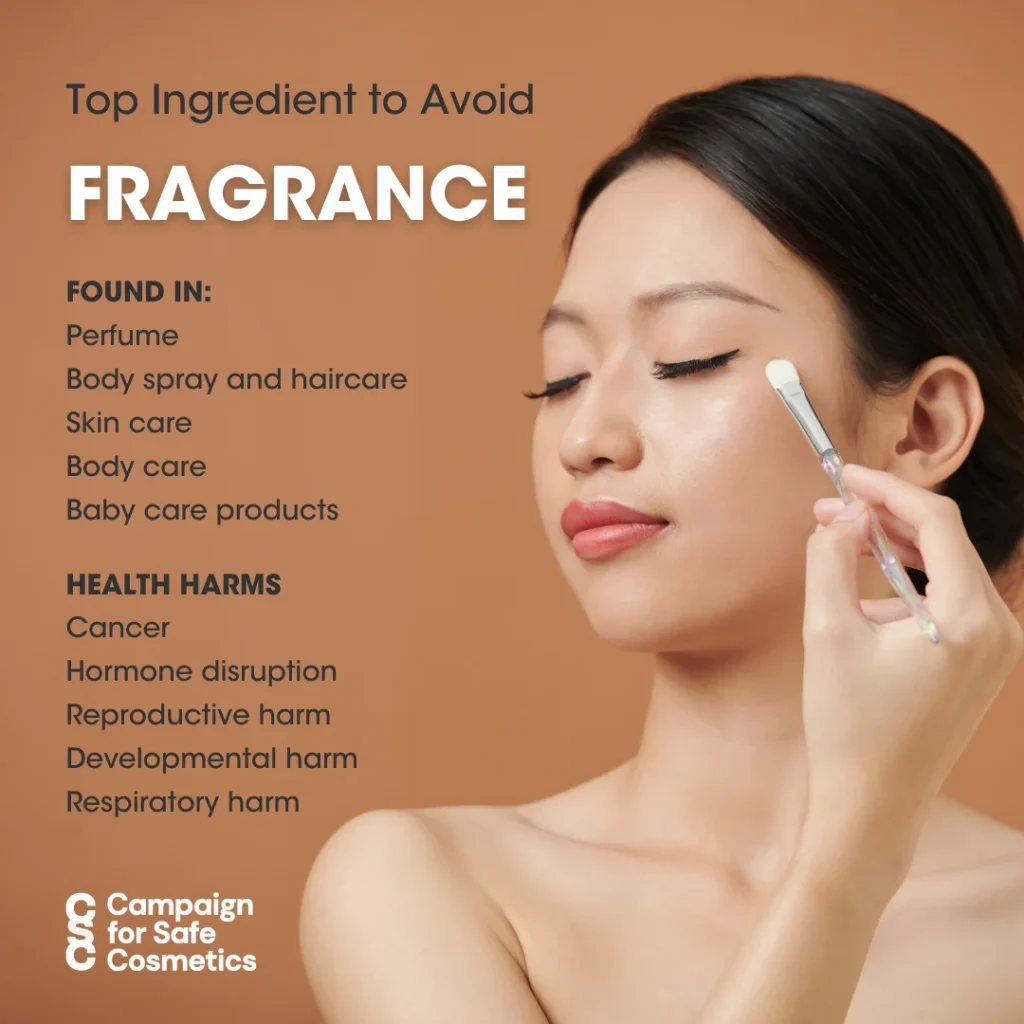
- Phthalates: Commonly used in fragrances, phthalates may disrupt endocrine functions, which affects reproductive systems in both men and women. They’re often labeled as “fragrance” in ingredient lists, making it tricky to identify.
The Clean Beauty Movement
As awareness about these harmful ingredients grows, consumers are increasingly gravitating toward “clean” beauty products, which focus on transparency and natural ingredients. Brands that prioritize clean formulations often provide detailed information about the sourcing and safety of their ingredients, allowing customers to make informed decisions. Recent surveys reveal that many consumers actively search for products that are paraben-free or sulfate-free, driving trends in the beauty industry.
In this era of information, social media plays a significant role in highlighting hazardous ingredients and promoting safer alternatives. Influencers and health advocates often share insights into cleaner products, nudging the industry toward more ethical practices.
Conclusion
Becoming knowledgeable about the ingredients in beauty products is essential for safeguarding your health. By familiarizing yourself with the potential risks associated with parabens, sulfates, formaldehyde, and phthalates, you can make informed choices for your skincare and haircare routines. Taking the time to read labels and educate yourself empowers you to not only protect your health but also to encourage the beauty industry to evolve toward safer, more transparent practices.
DISCOVER MORE: Click here to learn how nutrition impacts your skin
Decoding Ingredient Labels: What to Look For
When navigating the beauty aisle, the plethora of products available can feel overwhelming. However, understanding how to decode ingredient labels is a vital skill for anyone wanting to promote their health while pursuing beauty. Many brands utilize marketing buzzwords to lure consumers in, but knowing what to specifically look for can make all the difference in avoiding harmful substances.
Reading Between the Lines
Ingredients in beauty products are typically listed in descending order of quantity; that is, the ones that appear first are present in the highest concentrations. This simple rule of thumb can help you quickly scan labels to identify potential red flags. Look for the following commonly used terms that are often associated with harmful effects:
- Fragrance: A term that can hide a multitude of synthetic compounds, many of which are linked to allergies and respiratory problems. If listed, it raises questions about what exactly is inside the product, as companies are not required to disclose the specific ingredients in their fragrances.
- Toluene: This solvent, often found in nail polish, can cause serious health risks, including headaches, dizziness, and in severe cases, organ damage. Its presence should be avoided, especially in products that come near the skin or are meant to be inhaled.
- Triclosan: Frequently used as an antibacterial agent in soaps and hand sanitizers, triclosan has raised concerns about its contribution to antibiotic resistance and its potential endocrine-disrupting properties. A red flag that often flies under the radar.
- Ethylene Oxide: Even in small amounts, this hazardous substance can contaminate products like shampoos and hair relaxers. Classified as a possible carcinogen, it’s vital to avoid products that include this harmful ingredient.
Understanding Regulatory Oversight
In the United States, the beauty industry operates under the jurisdiction of the Food and Drug Administration (FDA); however, the agency’s regulation of cosmetics is notably less stringent compared to food and drugs. This means that many toxic ingredients remain unregulated, placing the onus on consumers to educate themselves and advocate for safer alternatives. It’s essential to recognize that while some harmful chemicals have been banned in other countries, such as the European Union, they may still find their way into American beauty products.
Consumers can take proactive steps to educate themselves about toxic ingredients. Resources such as the Environmental Working Group (EWG) and databases like the Skin Deep Cosmetics Database empower individuals by providing detailed safety ratings for a wide spectrum of beauty products based on their ingredient profiles. By leveraging these tools, shoppers can uncover potential dangers lurking in their favorite products, making informed purchasing decisions easier.
Ultimately, taking the time to become savvy about ingredient labels is an investment in your health and well-being. With increasing transparency in product formulations, consumers can navigate the beauty landscape more confidently, opting for products that align with their values of health and sustainability.
Understanding the Ingredients
In the quest for safe and effective beauty products, understanding cosmetic ingredients is crucial. Many beauty products contain harmful chemicals that could pose risks to your health. To start, familiarize yourself with common harmful ingredients like parabens, phthalates, and formaldehyde. These substances are often used as preservatives and solvents, but they have been linked to various health issues, including hormone disruption and skin irritation.
Reading Labels Effectively
Learning how to read ingredient labels is a vital skill. Ingredients are usually listed in decreasing order of their concentration, which means that the first few ingredients typically make up the bulk of the product. Make a habit of checking for harmful additives at the top of the list and avoid products that contain multiple red-flag chemicals.
Utilizing Resources
Numerous online databases and apps can assist you in identifying harmful ingredients. Websites like the Environmental Working Group’s Skin Deep Database offer users insight into the safety of specific beauty products and their ingredients. Additionally, the Think Dirty App allows you to scan product barcodes for instant reviews. These tools empower consumers to make informed choices and avoid toxic chemicals.
Opting for Natural Alternatives
Consider switching to brands that prioritize transparency and use natural ingredients. Look for products that are labeled as paraben-free, sulfate-free, and phthalate-free. Often, these products utilize botanical extracts and essential oils, which not only reduce the risk of exposure to toxic substances but can also provide additional skincare benefits.
| Category | Description |
|---|---|
| Common Harmful Ingredients | Parabens, phthalates, and formaldehyde disrupt hormones and irritate skin. |
| Benefits of Natural Products | Natural products offer safer options that often include beneficial botanicals. |
By educating yourself on these aspects and taking proactive steps, you can significantly reduce your exposure to harmful chemicals in beauty products. The move towards better health through informed choices is a journey worth taking.
DIVE DEEPER: Click here to discover the latest trends in cosmetics
Navigating Safe Options: Alternatives to Harmful Ingredients
As consumers grow increasingly aware of the potential harm lurking within their beauty products, many are on the lookout for safer alternatives. Fortunately, the market has expanded to provide a range of options catering to those seeking beauty without harmful chemicals. Familiarizing oneself with safer alternatives can aid in making better choices for your health and the environment.
Recognizing Safe Ingredients
Understanding safe ingredient alternatives can empower consumers to make informed choices. Here are some widely recognized safe ingredients to look for when perusing beauty products:
- Aloe Vera: Known for its soothing properties, aloe vera is a natural moisturizer commonly used in skincare products. It offers hydration without the need for synthetic additives.
- Shea Butter: This natural fat extracted from the nuts of the shea tree acts as an excellent moisturizer and contains vitamins A and E, promoting skin health without harmful chemicals.
- Coconut Oil: A versatile ingredient, coconut oil is often utilized as a moisturizer, makeup remover, and hair treatment. It offers antimicrobial benefits while nourishing the skin and hair.
- Plant-Based Oils: Oils derived from plants, such as argan, jojoba, and olive oil, are effective for hydration and are rich in antioxidants, providing safe alternatives to synthetic moisturizers.
Brands Committed to Safety
In response to consumer demand for clean beauty, several brands have emerged that prioritize transparency and safety in their formulations. Many of these brands willingly omit harmful ingredients associated with illness and toxicity. Brands such as 100% Pure, Burt’s Bees, and Beautycounter have built their reputations on creating products with safer, natural ingredients, proving that you can have beauty without compromise.
Moreover, there’s been an uptick in the emergence of green beauty retailers that curate collections of products free from toxic ingredients. Websites and stores like The Detox Market and Credo Beauty provide consumers with vetted products, promoting brands that align with safety and sustainability principles.
Tools and Apps for Better Choices
In an age where technology can significantly enhance our shopping experiences, several apps and tools are available to assist consumers in identifying harmful ingredients. Tools such as Think Dirty and EWG’s Healthy Living App allow users to scan barcodes of their beauty products and receive instant reports on ingredient safety. These tools rank products based on their toxicity levels, guiding consumers towards safer alternatives with just a few clicks.
For those looking to stay informed on ongoing developments in beauty regulations, joining online communities or subscribing to newsletters from organizations like The Campaign for Safe Cosmetics can provide up-to-date information on ingredient safety and advocacy efforts. Engaging in these platforms can deepen your understanding of beauty safety and empower your buying decisions.
Ultimately, proactive education and the use of technology can help you navigate the beauty landscape confidently. By recognizing safe ingredients, supporting trustworthy brands, and utilizing available tools, consumers are better equipped to identify and avoid products containing harmful chemicals. The journey toward a cleaner beauty routine is achievable and instrumental for both personal health and broader environmental wellbeing.
DISCOVER MORE: Click here to learn about the benefits of natural ingredients
In Conclusion: Empowering Your Beauty Choices
As we have explored, navigating the beauty product landscape can be daunting, especially with the prevalence of harmful chemical ingredients. However, by arming yourself with knowledge, you can make informed decisions that prioritize your health and the environment. Understanding how to identify harmful chemical ingredients empowers consumers to take control over the products they apply to their skin and hair each day.
From familiarizing yourself with safe ingredients such as aloe vera, shea butter, and various plant-based oils, to supporting brands that prioritize ingredient transparency, every small step contributes to a healthier beauty routine. Additionally, utilizing technology, such as apps like Think Dirty and EWG’s Healthy Living App, can simplify the process of choosing products that align with your values and health goals. These tools serve as valuable resources in a space where information is often convoluted and overwhelming.
As the clean beauty movement continues to gain momentum, it is essential to stay proactive and engaged. Keeping updated with trends, regulations, and new discoveries in ingredient safety can enhance your understanding and help you make choices that not only benefit you personally but also contribute to broader ecological well-being. Remember, your skin deserves the best, and by choosing wisely, you’re not just enhancing your beauty but also promoting a cleaner, safer beauty industry for all.
Ultimately, every informed choice counts in the quest for beauty that is both effective and safe. Let your beauty products reflect the values you hold dear—your health and the health of our planet.