The Influence of Global Culture on the Popularization of Natural Ingredients in Beauty Products
Shifting Paradigms in the Beauty Industry
Across the globe, consumers are increasingly gravitating towards beauty products that incorporate natural ingredients. This paradigm shift is prominently driven by a growing awareness of the impact of chemical additives on health and the environment. As individuals become more informed about the efficacy and benefits of natural formulations, the demand for products that harness the power of botanicals, essential oils, and herbal extracts has surged.
Consumer Awareness
Today’s consumers are more educated than ever before. The internet has given rise to a wealth of information, allowing individuals to make informed choices about the products they use. With a simple search, consumers can discover the damaging effects of synthetic chemicals commonly found in traditional beauty products. For instance, ingredients like parabens and sulfates have faced scrutiny for their potential health risks, prompting a decisive shift toward safer, natural alternatives. Studies have shown that approximately 84% of American consumers are influenced by the ingredient list, seeking products that feature recognizable, natural components.
Cultural Exchange
The beauty industry is also experiencing a fascinating cultural exchange as global traditions and rituals redefine beauty standards. Take, for example, the K-beauty phenomenon that has taken North America by storm. South Korean beauty practices emphasize hydration and skin health, featuring ingredients such as fermented rice and green tea, which are known for their skin-soothing benefits. Likewise, the incorporation of Ayurvedic principles emphasizes using herbs and natural ingredients like turmeric and neem, known for their skin rejuvenating properties. As these practices cross borders, they encourage consumers to appreciate the age-old wisdom behind natural beauty.
Environmental Concerns
In addition to health awareness and cultural exchange, growing environmental concerns are catalyzing the demand for eco-friendly beauty products. Consumers in the United States are increasingly considering the ecological footprint of their purchases. Brands are responding by prioritizing sustainable sourcing practices and minimizing waste. The rise of refillable packaging and cruelty-free certifications reflects this shift toward sustainability. In fact, reports indicate that over 50% of consumers are more likely to buy from companies that demonstrate environmental responsibility. Major brands like Lush and Tarte Cosmetics have garnered a dedicated following by committing to eco-friendly formulations and practices.
While social media platforms play a vital role in amplifying these trends, they also enable beauty enthusiasts to share their experiences. Influencers, bloggers, and everyday users alike post reviews and tutorials that highlight the effectiveness of these natural products, making it easier for others to explore and adopt them. As cultures continue to intertwine and exchange beauty rituals, the industry is poised to evolve, offering a multitude of innovative products that cater to the informed and conscientious consumer.
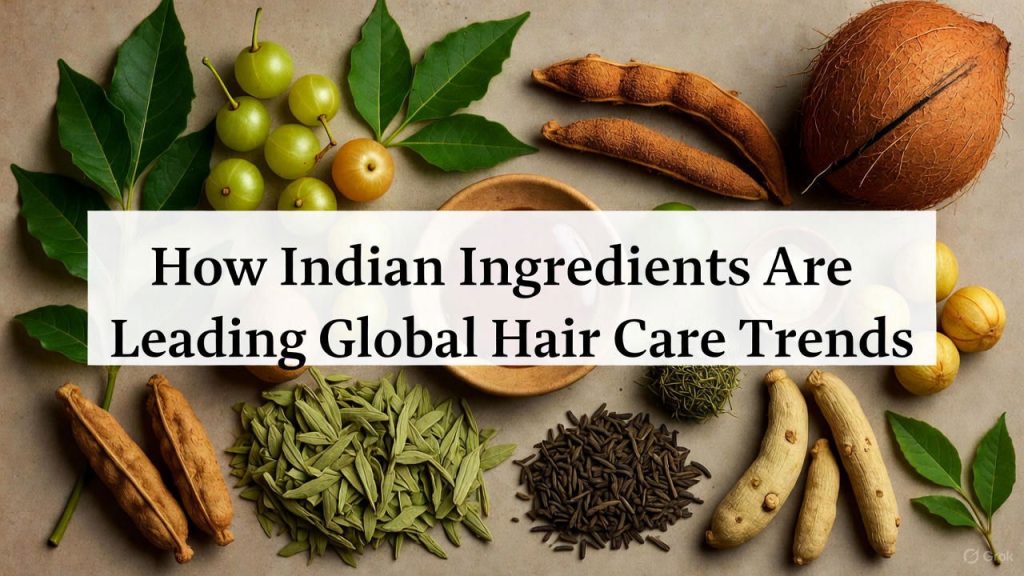
This exploration into the global influences shaping the natural beauty trend reveals how intertwined our choices have become with broader cultural and environmental factors. The beauty market is no longer about mere aesthetics; it is now a reflection of our values and lifestyle. As we navigate this transformative journey, understanding these influences paves the way for future developments in beauty, underscoring the importance of health, sustainability, and holistic wellness in our everyday routines.
DISCOVER MORE: Click here for insights on stress and skin aging
The Role of Social Media in Shaping Consumer Choices
In the digital age, social media platforms have emerged as powerful allies in the promotion of natural beauty products. Users across Instagram, TikTok, and Pinterest are increasingly sharing their personal beauty routines and product reviews, showcasing the effectiveness of natural ingredients. This organic dissemination of information has drastically changed the way consumers perceive beauty products. According to a recent study, 70% of young adults reported that they are more likely to try a product recommended by a social media influencer than one showcased in traditional advertisements.
Influencers as Cultural Curators
Influencers and beauty bloggers have become cultural curators, shaping beauty standards and preferences by introducing their audience to products enriched with natural ingredients. These individuals often share their own stories of transitioning from synthetic to natural options, creating a relatable narrative that resonates with their followers. The authenticity that many influencers bring to their content encourages consumers to explore brands that prioritize natural formulations.
Consumer Trends Driven by Peer Recommendations
The collective influence of social media can be seen in the way trends evolve rapidly across different regions. For example, the global fascination with Korean skincare—which emphasizes hydration and natural ingredients—has led to a noticeable shift in American beauty routines. Consumers are actively seeking out K-beauty brands that feature elements like snail mucin and cica (Centella Asiatica), recognizing their benefits through real-life testimonials rather than through traditional marketing channels. This leads to a wider acceptance of diverse beauty practices that embrace natural constituents.
Visual Storytelling and Engagement
Visual storytelling on platforms like Instagram and TikTok further exemplifies the impact of global culture on the acceptance of natural ingredients. Users frequently post before-and-after photos using products with organic essences, reinforcing the idea that beauty does not necessitate harmful chemicals. The hashtag #CleanBeauty has amassed millions of posts, demonstrating a robust community dedicated to natural ingredients. Additionally, tutorial videos making use of botanical oils or plant-based serums invite viewers to engage with products, ultimately demystifying the process of incorporating these items into daily routines.
Sharing Consumer Experiences
As consumers gain insights through social media, they become more empowered in their purchasing decisions. They are not merely passive recipients of information; they actively contribute to the dialogue surrounding product efficacy and ingredient transparency. This two-way communication fosters an environment where brands are held accountable for their claims, driving them to adopt more authentic practices, such as:
- Transparency in sourcing: By showcasing where and how ingredients are harvested.
- Certifications: Providing proof of sustainability practices and ethical sourcing.
- Ingredient education: Clarifying the benefits of each component included in formulations.
Through shared experiences and the power of online communities, consumers are not just adapting to trends; they are actively shaping the beauty landscape. This evolution signifies a deeper understanding of beauty that encompasses health, sustainability, and cultural appreciation, further enhancing the appeal of natural ingredients in cosmetics.
| Category | Insights |
|---|---|
| Cultural Influence | The rise of global beauty trends has encouraged brands to incorporate natural ingredients, influenced by diverse cultural practices from around the world. |
| Sustainability | Consumer demand for sustainable products is changing the market, leading to a surge in natural ingredient usage, which promotes eco-friendly practices. |
| Holistic Wellness | Natural ingredients are often associated with holistic healing traditions, expanding their appeal to consumers seeking wellness-focused beauty solutions. |
| Global Ingredients | Incorporation of ingredients like Ayurvedic herbs and K-beauty components reflects the acceptance of diverse cultural beauty ideals, attracting a wider market. |
The modern beauty landscape is continuously evolving, deeply rooted in the exchange of global cultures. As beauty brands adopt natural ingredients, they not only cater to preferences for holistic wellness but also solidify their commitment to sustainable practices, highlighting an essential shift toward transparency and health in beauty. These influences contribute to the thriving popularity of natural ingredients, appealing to a diverse customer base eager to explore the cultural richness these products offer. The marriage of tradition with innovation in beauty products not only enhances consumer choices but fosters an engaging narrative around personal care that resonates worldwide. As trends continue to blend with ancient wisdom, the beauty industry finds rejuvenation and strength in the very essence of its ingredients.
DIVE DEEPER: Click here to uncover the effects of pollution on your skin
The Rise of Eco-Conscious Consumerism
The increasing awareness of environmental issues has undeniably played a pivotal role in the growing demand for natural ingredients in beauty products. As consumers become more educated about the environmental impact of synthetic ingredients and packaging, they are opting for *eco-friendly* alternatives that prioritize sustainability. This shift towards *eco-conscious consumerism* is not just a trend but a significant cultural movement, influencing beauty standards and consumer behavior globally.
The Impact of Documentaries and Documented Research
Documentaries highlighting the consequences of pollution and unsustainable practices in the cosmetics industry have gained traction, with films like “Our Planet” and “The True Cost” sparking conversations about ethical consumption. Viewers are not only captivated by these narratives but also galvanized to take action, leading to a cultural shift that values transparency and sustainability in beauty products. Reports suggest that consumers in the United States are increasingly willing to pay up to 20% more for products that boast ethical certifications and sustainable practices.
Cultural Exchange and Cross-Pollination of Ideas
The globalization of beauty standards also means that different cultures are sharing their traditional practices and natural ingredients with one another. For instance, Western consumers are increasingly drawn to Ayurvedic principles that emphasize holistic beauty using ingredients like turmeric and neem—natural elements celebrated in Indian culture for their skin benefits. At the same time, Western brands are adapting these concepts to cater to a market that is becoming more discerning. This cross-pollination exemplifies how *global culture* is leading to a broader acceptance and enthusiasm for *natural beauty solutions*.
Emergence of Clean Beauty Brands
As consumers increasingly seek out natural ingredients, a wave of clean beauty brands has emerged to meet this demand. Beauty startups like *Herbivore Botanicals*, *Essence*, and *Burt’s Bees* exemplify this movement by prioritizing plant-based formulations, ethically sourced ingredients, and minimalist packaging. The success of these brands, seen in their rapid sales growth, reflects a cultural shift where consumers are no longer satisfied with conventional beauty products. According to a recent market analysis, the clean beauty market is projected to grow at a compound annual growth rate (CAGR) of 9.7% through 2025, affirming consumer commitment to natural alternatives.
The Role of Global Events in Bridging Cultural Gaps
The recent pandemic brought forth a renewed focus on personal care and self-love, further enhancing consumer interest in natural beauty products as a means of self-expression and wellness. Virtual beauty conventions have also broadening access to new brands and ideas, allowing people to discover natural ingredients from around the globe. These events foster international dialogue and education, with experts and influencers sharing knowledge about the benefits of local ingredients, thus reinforcing the trend toward natural solutions.
As natural ingredients continue to gain traction, the interplay between culture, sustainability, and consumer choices will be a vital area of exploration. The blossoming interest in botanical-based beauty signifies a movement toward not merely looking good but also feeling good about the choices we make for our skin and the planet.
DIVE DEEPER: Click here to discover the secrets of natural ingredients
Conclusion: A Cultural Renaissance in Beauty
The intersection of global culture and natural ingredients in beauty products marks a pivotal transformation in consumer behavior and industry practices. As the demand for *eco-friendly* solutions continues to rise, fueled by a greater awareness of environmental issues, the beauty industry is embracing this cultural shift. Consumers are notably prioritizing products that align with their ethical principles, a trend evident in the willingness to invest in brands that embody sustainability and transparency.
The increasing prevalence of documentaries and social media platforms amplifying stories around sustainability is creating an informed consumer base that seeks out natural *beauty solutions*. This wave of education is not merely cosmetic; it signifies a broader cultural acceptance of *holistic beauty practices*. Furthermore, the integration of traditional practices from diverse cultures—such as Ayurvedic principles—reflects a rich exchange of ideas, transforming the beauty landscape into a tapestry of global influences.
As the clean beauty market continues its projected growth, brands that authentically embody these values will not only thrive but also inspire further innovation in beauty products. They will likely spur new narratives focused on health, wellness, and environmental responsibility. The emergence of virtual platforms and international events showcases the transformative dialogues around beauty, allowing cross-pollination of ideas that benefits consumers and cultures alike.
Ultimately, the popularity of natural ingredients in beauty products is more than just a trend; it signifies a cultural renaissance where individuals are empowered to make choices that reflect their values, nurture their skins, and create a positive impact on the planet. This journey of exploration into natural beauty has just begun, inviting consumers to discover a multitude of products that resonate with their ethos and contribute to a sustainable future.