The Connection between Nutrition and Skin Health: Natural Ingredients that Make a Difference

Understanding the Role of Nutrition in Achieving Healthy Skin
The condition of our skin is intricately linked to the nutritional choices we make daily. Unlike topical creams or serums that provide superficial benefits, the nutrients we consume play a pivotal role in maintaining skin health from within. As research increasingly highlights this connection, it becomes crucial for individuals to consider how their diet directly impacts skin quality, radiance, and longevity.
Many natural ingredients can significantly contribute to enhancing skin health, creating a foundation for luminous and resilient skin. Exploring these elements can lead to better choices that go beyond temporary fixes. Here are some standout examples:
- Antioxidants: These powerful compounds are vital in combating oxidative stress caused by environmental factors like pollution and UV exposure. Foods rich in antioxidants, such as blueberries, cranberries, and dark chocolate, can help mitigate skin damage and promote a youthful appearance. Vitamin C, found abundantly in citrus fruits, is crucial for the production of collagen, a protein that keeps skin firm and supple.
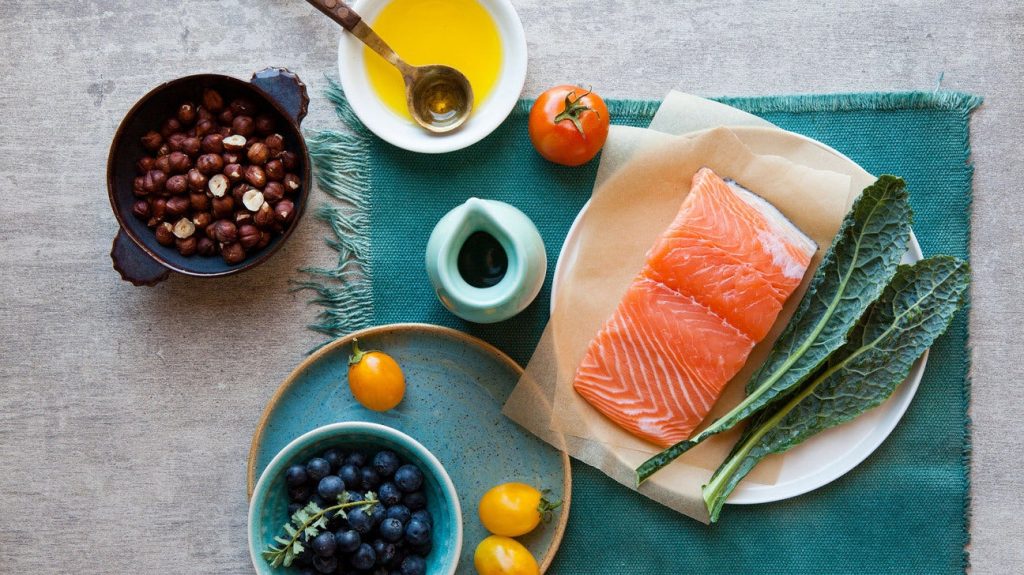
- Omega-3 fatty acids: Essential for maintaining skin elasticity and hydration, omega-3 fatty acids are prevalent in fatty fish like salmon and mackerel, as well as plant sources like chia seeds and walnuts. These healthy fats help strengthen the skin barrier, preventing moisture loss and reducing inflammation, making them particularly beneficial for those with conditions like eczema or psoriasis.
- Vitamins: Vitamins are fundamental to skin health, particularly Vitamin C and Vitamin E. While vitamin C supports collagen synthesis, vitamin E acts as a potent antioxidant that protects the skin from free radical damage. You can find these vitamins in foods such as oranges, almonds, spinach, and avocados, making it easy to incorporate them into a balanced diet.
- Minerals: Zinc and selenium are key to skin healing and repair. Zinc plays a role in regulating oil production and may help with acne management, while selenium is linked to skin’s elasticity and repair processes. Foods like legumes, whole grains, and Brazil nuts are excellent sources that can empower your skin health.
Numerous studies have shown that diets abundant in these natural ingredients are associated with a decrease in visible signs of aging, including wrinkles, fine lines, and dry patches. As American consumers become increasingly health-conscious, the emphasis on integrating such nutrient-rich foods into everyday meals is gaining momentum. Transitioning to a diet filled with whole foods not only enhances your overall health but also promotes a more vibrant complexion.
In this article, we will expand upon the connection between nutrition and skin health, diving deeper into specific natural ingredients and recipes that can transform your skincare regimen. By understanding the synergy between our diets and skin health, we can uncover revolutionary approaches to achieving and maintaining beautiful skin.
DISCOVER MORE: Click here to learn the truth about natural ingredients
The Nutritional Building Blocks for Radiant Skin
To truly appreciate the connection between nutrition and skin health, it is essential to understand that the skin is often a reflection of what we consume. Nutritional deficiencies can compromise the skin’s appearance, resulting in dullness, uneven texture, and even chronic conditions. Understanding how various natural ingredients impact skin health can empower individuals to make informed dietary choices that promote a glowing complexion.
One of the most critical aspects of skin health is maintaining optimal hydration levels. Foods with high water content, such as cucumbers, watermelon, and oranges, not only help keep the body hydrated but also provide vitamins and minerals essential for maintaining skin’s suppleness. Adequate hydration supports cellular function, allowing the skin to repair itself faster and reducing the risk of dryness and flakiness.
Furthermore, let us not overlook the importance of a balanced diet rich in healthy fats. The inclusion of sources such as avocados, olive oil, and nuts promotes the integrity of cell membranes, ensuring your skin retains its moisture and flexibility. These nutrient-dense fats provide essential fatty acids, which are critical for anti-inflammatory properties, combating skin issues such as acne and redness.
Essential Vitamins and Their Effects on Skin Health
Vitamins are indispensable when examining the relationship between nutrition and skin health. Key vitamins, specifically Vitamin A, Vitamin C, and Vitamin D, contribute significantly to maintaining a healthy complexion. Here’s how:
- Vitamin A: Known for its ability to promote cell turnover and repair, this vitamin can be found in foods like carrots, sweet potatoes, and spinach. It plays a crucial role in preventing dryness and ensuring a more even skin tone.
- Vitamin C: As previously mentioned, this powerhouse antioxidant also helps protect against UV damage and boosts collagen production. Foods rich in vitamin C include kiwis, strawberries, and bell peppers, which can easily be paired in salads or smoothies.
- Vitamin D: Often referred to as the “sunshine vitamin,” obtaining enough vitamin D can drastically improve skin conditions such as psoriasis. It can be found in fatty fish, fortified dairy products, and even through moderated sun exposure.
Many individuals might overlook the significant impact nutrition has on skin health, primarily focusing solely on topical solutions. However, by incorporating these essential vitamins and natural ingredients into your diet, you create a holistic approach that can reveal transformative effects on your skin. Whether it’s sipping on a smoothie loaded with greens or crafting a dish rich in omega-3 fatty acids, every bite offers the potential to refresh and revitalize your skin from the inside out.
As we delve deeper into the world of natural ingredients that make a difference for skin health, we will uncover more surprising and effective foods that can elevate your skincare routine. By recognizing the profound relationship between what we consume and how our skin reflects those choices, we are one step closer to achieving that radiant glow we’ve always desired.
When it comes to enhancing skin health, understanding the intricate connections between nutrition and dermal vitality can be nothing short of enlightening. Our skin is often a reflection of our internal wellbeing. Consuming a diet rich in natural ingredients that are known for their dermatological benefits can significantly improve skin texture, elasticity, and overall appearance. Let’s delve into some exceptional natural ingredients that play a transformative role in skin health.
| Natural Ingredients | Benefits for Skin Health |
|---|---|
| Avocado | Rich in vitamins E and C, which promote skin healing and hydration. |
| Green Tea | Packed with antioxidants that protect against free radical damage and support anti-aging. |
| Honey | Natural humectant that retains moisture and has antibacterial properties for combating acne. |
| Almonds | High in fatty acids and vitamin E, promoting skin elasticity and reducing inflammation. |
Incorporating these natural ingredients into your daily regimen—whether through diet, skincare products, or both—can lead to remarkable improvements in skin health. As we continue to explore the influential role of nutrition, it becomes increasingly clear that our dietary choices hold the power to enhance not just our internal health but also how we present ourselves to the world through our skin.
DISCOVER MORE: Click here to learn about the benefits of essential oils
Powerful Minerals that Nourish the Skin
While vitamins have long been heralded for their contributions to skin health, minerals also play pivotal roles that are often overlooked. Essential minerals such as zinc, selenium, and copper provide foundational support for skin vitality, functioning as crucial players in cellular function and repair.
- Zinc: This powerful mineral is integral for the skin’s healing process and is vital for maintaining the structural integrity of various proteins like collagen and elastin. A diet rich in pumpkin seeds, chickpeas, and lentils can ensure adequate zinc levels, helping to address conditions like acne and eczema. Zinc’s anti-inflammatory properties can also alleviate redness and irritation, making it a must-have in the diet for clearer skin.
- Selenium: Serving as an antioxidant, selenium helps combat oxidative stress, preventing premature aging. It can be found in foods such as Brazil nuts, seafood, and whole grains. A study published in the *Journal of Cosmetic Dermatology* highlighted that individuals with low selenium levels were more susceptible to sun-induced skin damage, emphasizing the importance of this mineral in skincare.
- Copper: Often overshadowed by other minerals, copper is essential for collagen synthesis and aids in skin repair. Foods rich in copper, including shellfish, nuts, and seeds, equip your body to maintain skin elasticity, thus enhancing its appearance and reducing sagging.
Beneficial Phytonutrients for Skin Resilience
Turning our attention to phytonutrients, these naturally occurring compounds in plants boast remarkable skin-health benefits. Their protective properties not only shield the skin from environmental pollutants but also provide anti-aging effects that promote a youthful appearance.
- Polyphenols: These antioxidants, found abundantly in foods like green tea, berries, and dark chocolate, offer excellent protection from UV damage. Research indicates that regular consumption of polyphenols can diminish skin redness and enhance elasticity, reducing the visible signs of aging.
- Flavonoids: Present in a wide range of fruits and vegetables, especially onions, kale, and grapes, flavonoids are known to have anti-inflammatory properties that can soothe the skin. Their ability to support blood circulation also aids in delivering essential nutrients to skin cells, fostering a more vibrant and nourished appearance.
- Carotenoids: These pigments, which give carrots and sweet potatoes their bright orange color, are not just eye-catching; they are rich in antioxidants that support skin health. Foods high in carotenoids, such as pumpkin and mangoes, can help protect the skin from sun damage, providing a natural defense against harmful UV radiation.
Incorporating these minerals and phytonutrients into your daily diet can lead to remarkable improvements in your skin’s health. While many may reach for creams and serums in the quest for radiant skin, the truth lies in the foundational support that comes from within. By making conscious dietary choices filled with natural ingredients rich in vitamins, minerals, and phytonutrients, anyone can unlock the potential for more radiant, supple skin.
LEARN MORE: Click here to discover the benefits
Conclusion: Unlocking Radiant Skin through Nutrition
The undeniable connection between nutrition and skin health has gained significant attention, particularly as consumers become increasingly aware of the benefits of harnessing natural ingredients. From essential vitamins and minerals to potent phytonutrients, the foods we choose to nourish our bodies directly impact our skin’s appearance and vitality. Understanding the roles of key components like zinc, selenium, and carotenoids allows us to make informed choices that not only enhance our well-being but also promote a natural glow.
As discussed, the incorporation of nutrient-dense foods such as leafy greens, nuts, and colorful fruits can provide the necessary support for skin repair and rejuvenation. The protective qualities of phytonutrients further reinforce the importance of a diverse diet rich in anti-inflammatory and antioxidant compounds. It is clear that reaching for creams and treatments in isolation is not the complete solution; instead, a holistic approach that prioritizes nutrition will yield the most remarkable results.
In light of this knowledge, it is worthwhile to explore and embrace a lifestyle that values food as a foundation for skin health. By integrating these powerful natural ingredients into our daily meals, we can pave the way towards achieving not only healthier skin but also a revitalized sense of self. Ultimately, the journey towards radiant skin begins in the kitchen, making nutrition an essential component to consider in any skincare routine.