
How Nutrition Affects Skin Health and the Aging Process
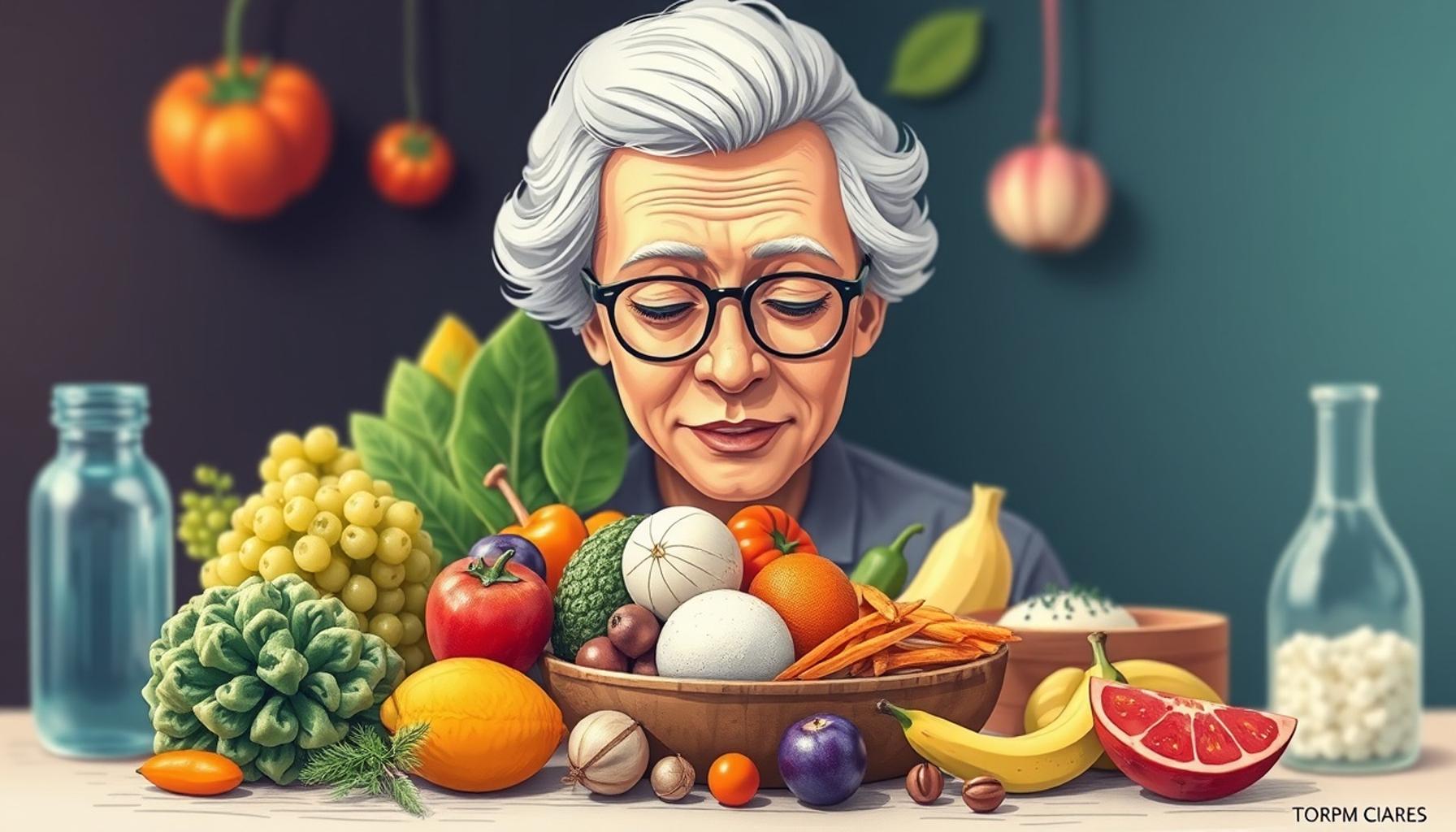
The Importance of Nutrition for Skin Health
The skin serves not just as a protective barrier but also as a mirror reflecting our internal health. In recent years, scientific studies have shed light on the significant role nutrition plays in enhancing skin vitality and mitigating the aging process. Observing how specific dietary choices can impact our skin’s appearance opens a fascinating door to understanding the intricate connection between what we eat and how we look.
A well-rounded diet is akin to a beauty regimen for the skin. Consider the following impactful nutritional elements:
- Hydration: Consuming adequate amounts of water is crucial for maintaining skin elasticity and preventing dryness. Dehydration can lead to a dull complexion and accentuate fine lines. Many experts recommend aiming for at least eight 8-ounce glasses of water daily, though individual needs may vary. Foods with high water content, such as cucumbers, oranges, and watermelon, can also contribute to hydration.
- Vitamins and Antioxidants: Nutrients such as Vitamin C, found abundantly in citrus fruits and strawberries, play a key role in collagen synthesis, enhancing skin firmness. Vitamin E, abundant in nuts and seeds, acts as a powerful antioxidant that helps protect skin cells from oxidative damage caused by environmental stressors like pollution and UV rays.
- Healthy Fats: Omega-3 fatty acids, primarily found in fatty fish such as salmon, as well as in flaxseeds and walnuts, are essential for maintaining skin elasticity and overall hydration. Incorporating these fats into your diet can help combat inflammation and keep the skin supple.
As the skin ages, it naturally experiences changes like reduced elasticity and the onset of wrinkles. Here, nutrition proves to be an invaluable ally in the battle against visible aging:
- Supporting Collagen Production: Including protein-rich foods like lean meats, beans, and legumes can provide the body with essential amino acids necessary for collagen renewal, a vital protein that helps maintain skin structure.
- Stimulating Cell Regeneration: Minerals such as Zinc found in nuts, seeds, and whole grains are paramount for the healing and regeneration of skin cells. Adequate zinc intake can support the skin’s barrier functions, improving overall texture and tone.
- Reducing Inflammation: An anti-inflammatory diet rich in fruits, vegetables, and whole grains can help reduce redness and irritation in the skin. Berries, leafy greens, and spices like turmeric are particularly renowned for their anti-inflammatory properties.
In exploring how nutrition affects skin health, it becomes clear that making informed dietary choices is essential. Consuming a colorful variety of fruits and vegetables, opting for whole grains over refined counterparts, and embracing healthy fats can cultivate skin that glows with health and resilience. The journey towards ageless skin indeed begins on our plates; choosing to nourish the body properly not only benefits aesthetic appearance but can bolster confidence and well-being. By diving deeper into the world of nutrition, one can uncover a wealth of information to aid in the quest for radiant skin.
DISCOVER MORE: Click here to learn about the benefits of natural ingredients

Nourishing the Skin from Within
As we delve deeper into the role of nutrition in skin health, it becomes increasingly evident that the food we consume can significantly influence not only our internal well-being but also the outward appearance of our skin. One of the most striking ways nutrition impacts skin health is through its ability to combat premature aging. Clarifying how certain nutrients contribute to skin vitality reveals the importance of fostering a balanced diet for long-term beauty and health.
The effects of nutrition on our skin can be attributed to various factors, including hydration, nutrient composition, and the body’s biochemical processes. By understanding how specific elements contribute to skin health, we can make informed dietary choices aimed at preserving youthful skin. Below are key nutritional components that contribute to maintaining skin’s resilience and mitigating the aging process:
- Antioxidant-Rich Foods: Foods abundant in antioxidants, such as berries, dark chocolate, and green tea, help to neutralize free radicals in the body. These unstable molecules can wreak havoc on skin cells, leading to premature aging. Incorporating a variety of these foods into your diet not only provides essential vitamins but also empowers your skin to defend itself against environmental stressors.
- Essential Vitamins: Vitamin A, accessible through carrots, sweet potatoes, and dark leafy greens, is crucial for skin repair and regeneration. This vitamin fosters the production of new skin cells and keeps skin smooth and vibrant. Similarly, Vitamin D is significant; it is produced when our skin is exposed to sunlight and also provided by fatty fish and fortified foods, promoting skin health and possibly reducing the risk of skin conditions.
- Minerals for Skin Function: Nutrients such as selenium found in Brazil nuts, and zinc, easily sourced from legumes and whole grains, are essential for skin repair and inflammation reduction. These minerals contribute to a functioning barrier that protects against pollutants and irritants while fostering skin cell regeneration.
Moreover, the impact of dietary fats cannot be underestimated. A sufficient intake of healthy fats, particularly omega-3 and omega-6 fatty acids from sources such as avocados, olive oil, and fatty fish, plays a crucial role in maintaining the skin’s moisture barrier. This barrier prevents trans-epidermal water loss, leading to hydrated and supple skin. When the barrier is compromised, it can result in dry skin, uneven texture, and accelerate the aging process.
Understanding how nutrition affects skin health provides not only transparency into skincare routines but also emphasizes a proactive approach to aging gracefully. By consciously curating a diet rich in diverse nutrients, individuals empower not just their internal systems but also enhance their outward appearance. The dialogue between our dietary habits and skin vitality serves as a reminder that the journey to healthy skin transcends topical treatments; it begins on our plates.
Understanding the intricate relationship between nutrition and skin health reveals a wealth of information about aging gracefully. The foods we consume have a substantial impact on skin elasticity, hydration, and overall appearance. For instance, a diet rich in antioxidants—found in fruits and vegetables like berries, spinach, and carrots—plays a crucial role in combating oxidative stress, a significant contributor to skin aging. These antioxidants work to neutralize free radicals, which can lead to premature wrinkles and skin damage.
Moreover, incorporating healthy fats, such as omega-3 fatty acids found in fish and flaxseeds, is essential for maintaining the skin’s lipid barrier. This barrier is vital for hydration and can significantly reduce the likelihood of dryness and flakiness, common concerns as we age. Additionally, proteins, especially collagen and elastin, are critical for skin firmness and elasticity. Adequate protein intake from sources like chicken, beans, and legumes supports the body’s collagen production, ultimately leading to a more youthful appearance.
Hydration also plays a pivotal role in skin health. Drinking sufficient water can aid in flushing out toxins and contributing to a plump, glowing complexion. Furthermore, avoiding excessive sugars and processed foods can help minimize inflammation and skin problems such as acne and dullness. By making informed dietary choices, individuals can significantly impact their skin health and potentially slow down the aging process.
As we delve deeper into this fascinating subject, the benefits of nutritional awareness become increasingly evident. Exploring specific dietary patterns and their effects on skin health can provide valuable insights, standing as a cornerstone of beauty and wellness.
| Nutritional Components | Impact on Skin Health |
|---|---|
| Antioxidants (e.g., Vitamins C & E) | Combat oxidative stress, reducing wrinkles and enhancing skin tone. |
| Omega-3 Fatty Acids | Maintain skin hydration, promoting elasticity and reducing dryness. |
DISCOVER MORE: Click here to learn about the benefits of acupuncture
The Role of Hydration and Gut Health
While the nutritional components discussed previously lay the groundwork for vibrant skin, the importance of hydration and gut health in maintaining skin vitality cannot be understated. Water is fundamental to nearly every bodily function, including maintaining skin hydration, which directly correlates with the skin’s appearance and texture. Chronic dehydration can lead to dryness and elasticity loss, which acceleration the aging process.
Experts recommend drinking at least eight 8-ounce glasses of water daily, but individual needs may vary based on activity levels and climate. Additionally, hydrating foods like cucumbers, oranges, and watermelons can bolster overall water intake and supply essential vitamins and minerals. By keeping the body adequately hydrated, your skin can better retain moisture, resulting in a plump and youthful appearance.
In tandem with hydration, the connection between gut health and skin condition has garnered increasing attention. Research shows that an unhealthy gut microbiome can contribute to dermatological issues such as eczema, acne, and psoriasis. This link emphasizes the need for a diet rich in probiotics and prebiotics. Fermented foods like yogurt, kimchi, and kombucha enhance beneficial gut bacteria, while fiber-rich foods like bananas and oats boost the growth of these microorganisms.
Moreover, emerging studies suggest that the gut-skin axis plays a critical role in inflammatory responses. An imbalanced gut microbiome can lead to increased systemic inflammation, translating to skin issues. Thus, incorporating a varied diet that supports gut health not only aids digestion but may also lead to clearer, healthier skin as a result of reduced inflammation levels.
- Omega-3 Fatty Acids: Added to the nutrition discussion, omega-3 fatty acids support both skin hydration and gut health. Found in sources such as flaxseeds, walnuts, and salmon, these essential fats optimize skin barrier function and have anti-inflammatory properties that help in soothing conditions like acne and rosacea.
- Glycemic Index Foods: Maintaining a low glycemic index diet by opting for whole grains, legumes, and pulses, rather than sugary treats, can also be beneficial. High-sugar foods can result in spikes in insulin levels, potentially leading to increased oil production and clogged pores, further exacerbating skin issues.
Another facet to consider is the role of collagen, the protein that forms the structural basis of our skin. Nutrients like Vitamin C found in citrus fruits and bell peppers play a pivotal role in collagen synthesis. Additionally, bone broth, which is rich in collagen, has gained popularity as a supplement for those looking to improve skin elasticity and minimize fine lines.
In the intricate tapestry of skin health, it’s clear that hydration and gut health weave vitally together with nutrition. As our understanding deepens, the notion that radiant skin begins with what we consume becomes a powerful tool for those hoping to age gracefully. By being mindful of dietary habits and enriching them with elements that promote hydration and a balanced gut microbiome, individuals can take bold steps in their quest for youthful, glowing skin.
DISCOVER MORE: Click here to learn about the benefits of acupuncture for your skin
Conclusion: Embracing Nutrition for Ageless Skin
In summary, the intricate relationship between nutrition, hydration, and skin health reveals profound insights into how we can support our body’s largest organ as we age. Proper nutrition is essential not only for overall well-being but also plays a critical role in maintaining a radiant and youthful complexion. Nutrients like antioxidants, healthy fats, and hydrating foods serve as powerful allies in combating the effects of aging by neutralizing free radicals, enhancing hydration, and promoting collagen production.
Moreover, the emerging connection between gut health and skin conditions underscores the necessity of a balanced diet that includes probiotics and fiber-rich foods. The realization that imbalance in gut microbiota can lead to breakout-prone skin encourages individuals to take a holistic approach toward nutritional choices, recognizing the ripple effects on their skin health.
As we continue to explore the depth of this connection, staying informed about the foods we consume becomes paramount. Adopting a diet rich in nutrient-dense foods, prioritizing hydration, and supporting gut health can empower people to take control of their skin’s destiny. This comprehensive approach to nutrition not only cultivates physical beauty but also fosters a sense of vitality and confidence.
In the quest for ageless skin, it is clear that what we eat holds the key. By making conscious choices and integrating beneficial foods into our daily lives, we can nourish our skin from within, promoting lasting health and a radiant glow that defies age.