Beauty Trends: The Rise of Organic and Sustainable Cosmetics
The Evolution of Beauty Standards
In recent years, the beauty industry has witnessed a significant transformation. Organic and sustainable cosmetics are not just a trend; they’re becoming a standard expectation among consumers. As people become more environmentally conscious, the demand for eco-friendly products has surged, reshaping the landscape of beauty consumption. No longer are shoppers solely focused on aesthetics; instead, they are looking for products that reflect their values, particularly regarding health and sustainability.
Reasons for the Shift
- Health Consciousness: Many consumers are increasingly aware of harmful chemicals in conventional cosmetics, such as parabens and sulfates, which have been linked to skin irritations and potential long-term health effects. A 2020 survey revealed that over 60% of Americans read labels on personal care products, indicating a strong desire to understand what they apply to their skin.
- Environmental Impact: There’s a growing understanding of how beauty products impact our planet. Ingredients such as microplastics can end up in oceans, harming marine life. As more consumers educate themselves about the ecological footprint of their choices, they are steering towards brands that prioritize the environment in their formulation and production processes.
- Ethical Choices: Shoppers are prioritizing brands that align with their values and promote fairness, including cruelty-free practices. The popularity of initiatives like Fair Trade and support for local artisans reflects a shift towards transparency and accountability within the beauty industry.
Today, the market is flooded with brands offering organic and sustainable options, catering to this growing movement. Key characteristics of these products include:
- Natural Ingredients: Utilizing plant-based components free from synthetic additives, which attract health-conscious consumers. Brands like 100% Pure and Herbivore Botanicals are known for their dedication to using organic ingredients that are beneficial for both skin and overall well-being.
- Eco-Friendly Packaging: Prioritizing recyclable or biodegradable materials, reducing plastic waste in a society that is increasingly aware of pollution. Packaging innovations, such as refillable containers or compostable packaging from brands like Ethique, are gaining traction with consumers.
- Transparency: Brands openly sharing sourcing and production processes appeal to today’s informed consumer base. Examples include companies like Beautycounter, which highlights their commitment to safe ingredients and sustainable practices.
This shift is reshaping consumer behavior and influencing how brands formulate products and market them. Companies are now challenged to prove their commitment to sustainability while also delivering high-quality products. As consumers become more discerning, their expectations prompt innovation within the industry.
Are you ready to explore the exciting world of organic and sustainable cosmetics? This evolving beauty landscape not only promises products that enhance beauty but also protect the environment. Stay tuned as we delve deeper into the myriad options available and the brands leading the charge in this transformative movement.
LEARN MORE: Click here to discover the benefits of natural ingredients for sensitive skin
Emerging Market Dynamics
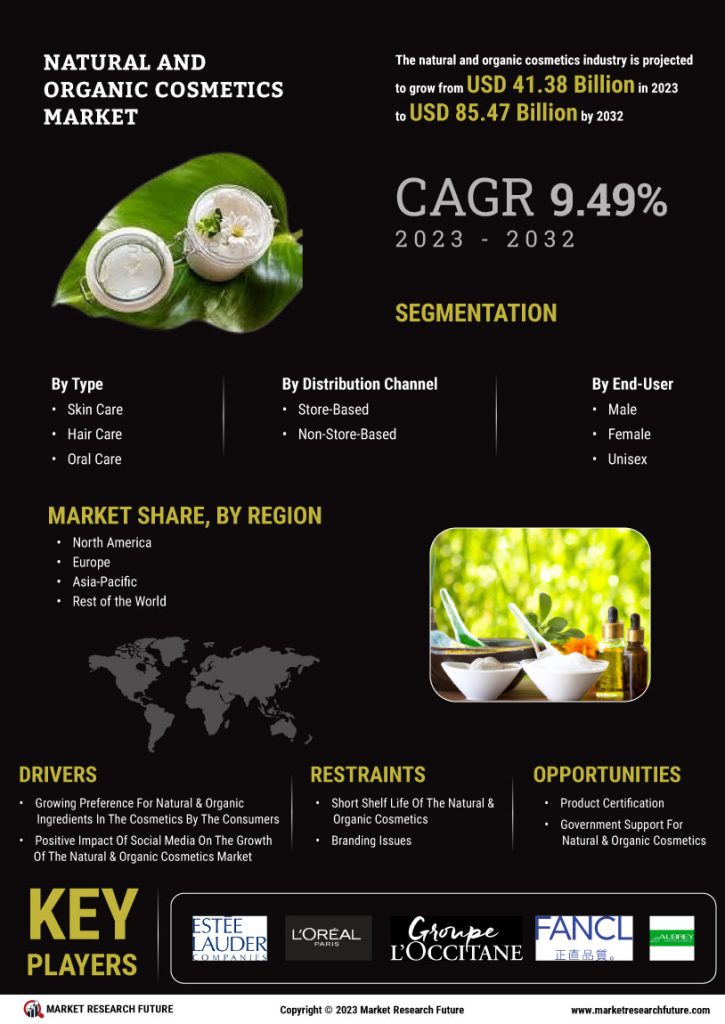
As the demand for organic and sustainable cosmetics continues to rise, the beauty industry is experiencing a radical shift in market dynamics. Brands are scrambling to adapt, often reshaping their entire product lines to cater to the growing consumer base that prioritizes eco-friendly and health-conscious alternatives. This isn’t merely a fad; it is a cultural movement, and its impact is profound. With millennials and Generation Z leading the charge, the landscape of beauty consumption is evolving into one that emphasizes responsibility and mindfulness.
The Consumer’s Role in the Shift
Today’s consumers are more educated than ever before, with access to a plethora of information regarding the impact of their choices on both personal health and the environment. According to a study published by Statista, around 70% of millennial shoppers have actively sought out brands that promote sustainable practices. This empowered consumer mindset fosters market demand for products that are both effective and ethically produced.
Additionally, the rise of social media influencers has given a powerful platform to advocates of organic beauty, providing them an opportunity to educate a broader audience about the benefits of natural ingredients. These voices are changing perceptions, driving the homegrown beauty movement, and making it easier for consumers to identify trustworthy brands. As discussions about sustainability and health become fervent on platforms like Instagram and TikTok, consumers are finding it increasingly necessary to align their beauty habits with their values.
Key Trends in Organic and Sustainable Beauty
The transition towards organic and sustainable cosmetics is marked by several noteworthy trends that are redefining the industry:
- Ingredient Innovation: Brands are now investing in research and development to formulate products with potent, natural ingredients that provide genuine skin care benefits. For example, brands like Tata Harper emphasize using pure, non-toxic ingredients that are 100% free from synthetics.
- Inclusivity: Today’s market emphasizes inclusivity, often extending organic and sustainable offerings to diverse skin tones and types. This inclusive approach can be seen in brands like Fenty Beauty, which has managed to incorporate sustainability in their product range while providing various shades for all consumers.
- Community Engagement: Many brands are now focusing on building communities around sustainability. Initiatives such as local sourcing and partnerships with environmental organizations foster a sense of belonging. For example, companies like Lush actively campaign for environmental awareness and involve customers in their sustainability efforts through initiatives like #LushSpringClean.
The increase in consumer demand is not just influencing product formulations; it’s also changing how brands communicate the substance behind their offerings. Transparency has emerged as a crucial factor in connecting with the modern consumer, with brands needing to showcase not just what is in their products but the stories behind their creation. This environment of trust fosters loyalty and drives further investment in sustainable practices.
As we explore this fascinating terrain further, it’s vital to grasp how this influx of organic and sustainable cosmetics is not just beneficial for individual beauty routines, but also for the health of our planet. The narrative surrounding beauty is changing, presenting consumers with an opportunity to make impactful choices in their beauty routines. Stay tuned as we uncover more insights into this green revolution in the beauty world.
| Advantage | Description |
|---|---|
| Natural Ingredients | Products use plant-based, non-toxic ingredients that are gentle on the skin. |
| Eco-friendly Packaging | Many brands are adopting sustainable packaging to reduce waste and environmental impact. |
| Cruelty-free Standards | Brands are shifting towards ethical practices that prohibit animal testing, catering to conscious consumers. |
| Health Benefits | Organic products often support skin health by being free of harsh chemicals. |
The ongoing shift towards organic and sustainable cosmetics signifies a more conscientious approach to beauty and personal care. More consumers are prioritizing clean beauty as they become increasingly aware of the potential harm synthetic ingredients may pose. This rise reflects a demand not just for products that enhance appearance but also contribute positively to health and the environment. As the industry evolves, we can expect innovations that further enhance the quality and availability of sustainable options for every consumer.
DISCOVER MORE: Click here to learn about the benefits of natural ingredients for sensitive skin
The Intersection of Innovation and Ethics
As brands dive deeper into the realm of organic and sustainable cosmetics, innovation is becoming both a necessity and a differentiator in this competitive landscape. The modern consumer is not only seeking products with natural ingredients but is also curious about the processes behind the creation of these cosmetics. This new trend fuels the demand for ethical practices along every step of the supply chain, prompting companies to adopt more responsible methods of production, packaging, and distribution.
Eco-Friendly Packaging Solutions
One of the most pressing concerns for environmentally-conscious consumers is packaging. The beauty industry, known for its extensive use of single-use plastics, is facing scrutiny as awareness about sustainability grows. Brands are now exploring eco-friendly packaging solutions that align with a more sustainable ethos. For instance, companies like Ethique offer solid shampoo bars wrapped in compostable materials, eliminating the need for plastic bottles. Furthermore, refillable cosmetics are gaining traction, allowing customers to purchase refills instead of new containers, thus reducing waste significantly.
Another promising development is the rise of bioplastics made from renewable resources rather than traditional petroleum-based materials. By positioning themselves as advocates for both beauty and sustainability, brands can not only capture the favor of eco-conscious customers but also reduce their overall carbon footprint.
Regional Sourcing and Local Brands
Increased awareness surrounding sustainable beauty extends beyond ingredients to consider sourcing. Many brands are harnessing the power of local suppliers for their raw materials, minimizing transportation emissions and supporting local economies. This practice also encourages transparency around the origin of ingredients, with consumers seeking products that are sourced ethically and sustainably.
For example, beauty brands such as Alima Pure use carefully sourced minerals from the U.S. to create their makeup products, ensuring high-quality formulations while making a commitment to local responsibly sourced materials. This regional approach not only attracts consumers who are concerned about sustainability but also fosters a connection between the brand and its community.
Holistic Wellness Integration
Another critical element of this evolving beauty landscape is the integration of holistic wellness principles with cosmetic products. Brands are increasingly recognizing the interplay between beauty and well-being, focusing on formulations that benefit not just the skin but also the overall self-care ritual of the consumer. The use of adaptogenic herbs and botanicals in skincare routines exemplifies this trend. Brands such as Herbivore Botanicals are leading the charge by incorporating natural, skin-friendly ingredients that promote a sense of well-being alongside beauty.
This fusion of beauty and wellness aligns perfectly with modern consumer values, encapsulating the idea that what lies beneath the surface is just as important as outer beauty. As consumers become more mindful of the products they use, they increasingly favor brands that cater to their mental and emotional health, creating a comprehensive approach to beauty.
Ultimately, the rise of organic and sustainable cosmetics represents a fundamental shift not just in consumer habits but also in the underlying principles of the beauty industry. As these trends continue to shape daily routines and brand strategies, the beauty landscape stands on the brink of further exciting transformation, paving the way for more transparency, inclusivity, and environmental consciousness in the years to come.
LEARN MORE: Click here for insights on natural ingredients and sensitive skin
Conclusion: Embracing a Greener Future in Beauty
As we observe the rise of organic and sustainable cosmetics, it becomes evident that this movement is more than just a passing trend; it reflects a profound shift in how consumers approach beauty. Today’s shoppers prioritize products that resonate with their values regarding health, ethics, and environmental consciousness. With brands increasingly adopting innovative practices—from using natural ingredients and implementing eco-friendly packaging to sourcing materials locally—the beauty industry is redefining its relationship with both consumers and the planet.
The emergence of holistic wellness within cosmetic offerings signifies an important cultural shift, acknowledging that beauty is intertwined with self-care and mental well-being. Consumers not only desire products that enhance their physical appearance but also those that nurture their inner selves. This growing synergy between beauty and wellness invites brands to offer solutions that elevate the entire experience, thereby promoting a more fulfilling lifestyle.
As the industry moves forward, the potential for further innovation remains vast. Brands that commit to sustainability and ethical practices may not only capture market share but also inspire broader societal changes. They can lead the charge towards a future where beauty standards are grounded in *responsibility* and *sustainability*.
The question now is: how will these trends evolve, and how will consumers continue to hold brands accountable? With increased demand for transparency and ethical practices, it is clear that the beauty landscape will keep shifting towards more sustainable practices, appealing to a generation that values integrity along with aesthetics. As consumers, we hold the power to influence this transformation, paving the way for a more beautiful and sustainable world.