
How to Identify Beauty Products with Effective Natural Ingredients

Understanding Natural Ingredients in Beauty Products
In today’s beauty market, consumers are increasingly drawn to natural ingredients due to rising health and environmental awareness. With an abundance of products claiming to be “natural” or “organic,” discerning which ones are truly effective can be a daunting task. As the consumer movement toward more sustainable and health-conscious products gains momentum, knowing how to identify authentic beauty products based on their ingredients is vital.
Identifying quality beauty products can be challenging, but understanding critical features can simplify the process. Here are key aspects to keep in mind:
- Ingredient Transparency: It is essential to check for clear labeling. Products should detail the source and function of each ingredient. For instance, a moisturizer claiming to contain avocado oil should specify that its hydrating properties stem from this natural source.
- Certification Labels: Look for third-party certifications, such as USDA Organic or Ecocert, which can assure consumers of the product’s authenticity. This certification indicates adherence to strict organic farming and manufacturing processes.
- Research-Backed Claims: Products that reference clinical studies or scientific backing for their efficacy are worth considering. For example, brands might highlight peer-reviewed studies showcasing the effectiveness of a natural antioxidant, like green tea extract, in fighting skin damage.
- Short Ingredient Lists: Fewer, recognizable ingredients often indicate a more genuine product. Many reputable brands prioritize simplicity, which can lead to fewer irritants and allergens in their formulations.
As you navigate through the myriad of options available, it’s important to note that not all natural ingredients are created equal. Some, such as coconut oil and shea butter, are well-regarded for their hydrating properties and skin benefits, while others may be mere marketing gimmicks. They may simply serve as trendy buzzwords aimed at attracting an eco-conscious audience.
Take the time to investigate the effectiveness of specific natural ingredients. For example, understand why tea tree oil is a favored option for acne treatment due to its antibacterial properties, or why aloe vera is heralded for its soothing capabilities. Your skin deserves the best, and understanding what truly works will not only enhance your beauty routine but also contribute to your overall well-being.
Ultimately, being an informed consumer in the booming beauty industry means equipping yourself with knowledge about ingredients and their sources. This not only allows you to make choices that align with your values—like supporting sustainable practices—but also ensures that the products you use contribute positively to your skin health.
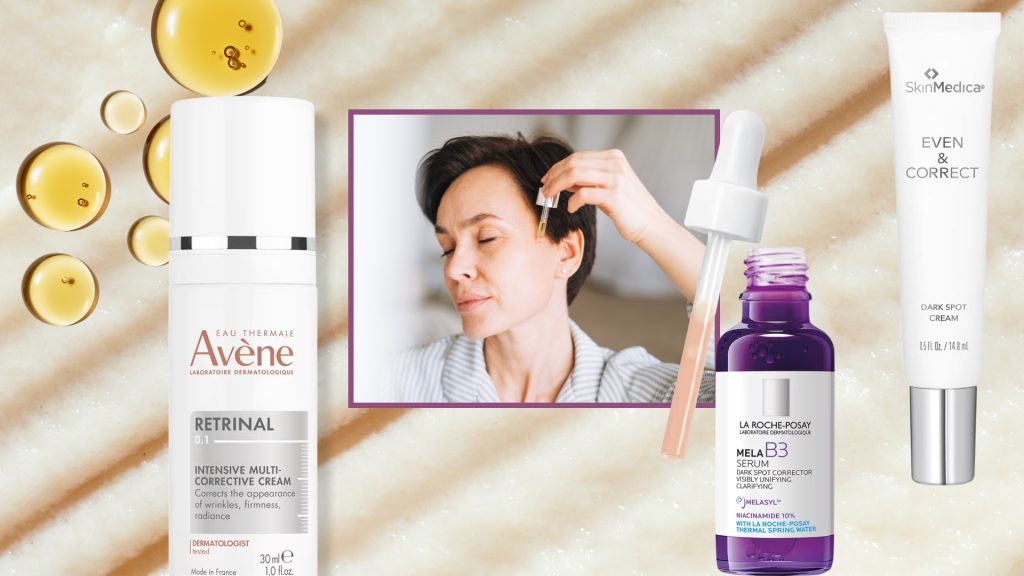
DISCOVER MORE: Click here to learn about natural ingredients that combat skin aging
Decoding Labels and Ingredients
One of the first steps in identifying beauty products that feature effective natural ingredients is to decipher the product labels. Labels often contain a wealth of information, but they can also be misleading. Here are several tips to help break down the information you encounter:
- Know Your Ingredients: Familiarize yourself with common natural ingredients and their benefits. Terms like “jojoba oil,” “shea butter,” and “aloe vera” not only sound appealing but also have proven benefits for skin health. Understanding these benefits can help you identify which products may truly deliver results.
- Watch Out for Fillers and Additives: Products marketed as containing natural ingredients may also include synthetic fillers or preservatives. Ingredients like parabens, phthalates, and sodium lauryl sulfate (SLS) can undermine the effectiveness of natural components. Always look beyond the claims and examine the complete ingredient list.
- Concentration Matters: The ingredient list is organized by concentration, meaning the items listed first make up the highest percentage of the formula. If your favorite natural ingredient is buried deep in the list, it likely won’t provide the benefits you are seeking. Aim for products where beneficial natural ingredients appear near the top.
While dissecting labels is crucial, it’s equally important to consider the sourcing of these natural ingredients. Factors like whether the ingredients are organic, sustainably sourced, or ethically harvested can make a significant difference not only in the efficacy of the product but also in its overall environmental impact. For instance, look for ingredients that are not just labeled as “natural” but are derived from reputable sources that follow organic farming practices.
Additionally, on your quest to find products with true natural efficacy, consider the brand reputation. Research brands known for their commitment to clean, effective formulas. Many brands actively disclose their sourcing and ingredient practices on their websites. Look for testimony and reviews from other users to validate the effectiveness of the products.
In the realm of beauty products, consumer awareness is evolving. Everyday shoppers are becoming savvier and more conscious about the products they choose. Engaging with the wealth of available information can empower you as a consumer and enhance your beauty experience in meaningful ways. By prioritizing products that use genuinely effective natural ingredients, you not only invest in your skin’s health but also support practices that are sustainable and transformative for the beauty industry as a whole.
In the following sections, we will delve deeper into the features of specific natural ingredients, uncovering which elements warrant a spot in your beauty routine and how they stand out in a saturated market.
| Ingredient Properties | Impacts on Skin Health |
|---|---|
| Plant Extracts | Hydration and soothing effects |
| Essential Oils | Boosts aromatherapy benefits and calms skin irritation |
| Antioxidants | Protects against environmental damage and promotes youthful appearance |
| Vitamins | Enhances skin repair and strengthens skin barrier |
Understanding how to identify beauty products laden with effective natural ingredients can revolutionize your skincare routine. Look for products enriched with plant extracts like aloe vera and chamomile, known for their hydrating and soothing qualities. Essential oils, such as lavender and tea tree, not only introduce wonderful aromatherapy but also combat skin irritation effectively. Moreover, products high in antioxidants can enhance your skin’s resilience against environmental stressors while promoting a naturally youthful appearance. Lastly, formulations packed with vitamins can facilitate skin repair and strengthen the skin barrier, empowering you to achieve optimal skin health sensitivity. Exploring these natural ingredients can help identify products that truly benefit your skin.
DISCOVER MORE: Click here to learn about natural ingredients that help prevent skin aging
Understanding Certification and Labels
Once you’ve become adept at decoding labels, another essential aspect to consider is the certification of ingredients and products. These certifications can offer additional reassurance that a beauty product meets specific standards of natural integrity and effectiveness. Below are some key certifications to look for:
- USDA Organic: This certification ensures that a product contains at least 95% organic ingredients. Products with this label typically avoid synthetic fertilizers and pesticides, providing consumers with peace of mind about what they are applying to their skin.
- EcoCert: An internationally recognized certification, EcoCert verifies that the product’s ingredients are sourced from renewable resources and that the manufacturing processes are environmentally friendly. This label indicates a commitment not only to personal beauty but also to global sustainability.
- Leaping Bunny: For those particularly concerned about animal testing, the Leaping Bunny certification ensures that no animal testing was conducted at any stage of product development. This humane approach can often accompany natural brands focused on ethical practices.
Understanding these certifications can aid your search for beauty products featuring effective natural ingredients. However, it’s essential to realize that the presence of these labels alone does not guarantee product efficacy. Effective marketing can sometimes overshadow actual ingredient quality, leading to consumer confusion.
Exploring Efficacy and Sensitivity
Evaluating the efficacy of natural ingredients involves more than just reading labels and certifications. As skin care remains a highly individualized journey, it’s crucial to assess how specific natural components interact with your skin type. Each ingredient carries its unique profile of benefits and potential irritants. For instance:
- Tea Tree Oil: Known for its antiseptic properties, this oil can often help combat acne. However, its potent nature may also cause irritation for those with sensitive skin. Always perform a patch test when trying a new product with this ingredient.
- Rosehip Oil: Revered for its anti-aging qualities, rosehip oil is packed with vitamins and essential fatty acids. It’s generally well-tolerated, but individuals with very oily skin might find it a bit heavy.
- Chamomile: Commonly used for its calming properties, chamomile can be an excellent choice for sensitive skin types. However, those with allergies to plants in the daisy family should approach with caution.
Recognizing which natural ingredients suit your skin can dramatically impact your beauty routine. Consulting with a dermatologist or conducting thorough personal research can make this process smoother, allowing you to experiment wisely.
The Role of Product Formulation
Beyond individual ingredients, the formulation of the product plays a pivotal role in effectiveness. Not all natural ingredients are created equal, and their impact is often dependent on how they are combined within a formula. For instance, pairing a moisturizing ingredient like almond oil with natural exfoliants such as fruit acids can enhance skin absorption and retention. Furthermore, the pH balance of a product can significantly affect the efficacy of its natural ingredients, especially in skincare.
In recent years, the trend has shifted towards clean beauty formulations, which emphasize the exclusion of harmful chemicals and toxic ingredients while still harnessing the power of nature. Many brands are transparent about their formulation processes, proudly showcasing their ingredient integrity through various platforms, including their websites and social media. Engaging with these communities can help consumers gain insights and recommendations for effective natural products.
As the beauty industry continues to evolve, being informed on these multiple layers of product assessment can lead to more informed buying choices, ultimately boosting the health and vitality of your skin. Embracing a proactive approach to understanding the nuances of natural beauty products is indispensable in navigating this exciting landscape.
DISCOVER MORE: Click here to learn about natural ingredients that combat skin aging
Conclusion
In a world increasingly turned towards natural solutions, navigating the beauty aisle in search of effective natural ingredients can feel overwhelming. As we’ve explored, understanding product labels, certifications, and the significance of formulation are crucial steps in making informed choices. Knowledge is power, and arming yourself with information about ingredients like tea tree oil, rosehip oil, and chamomile can guide you towards products that truly cater to your unique skin needs.
The beauty marketplace is rife with claims, and as discerning consumers, critically evaluating the efficacy of these products is more essential than ever. By focusing not only on the ingredient list but also on the overall formulation and the certifications that underline a product’s integrity, you can confidently select items that align with your ethical considerations and wellness goals. Engaging in communities dedicated to clean beauty can provide continuous support, resources, and recommendations that further empower your purchasing decisions.
Ultimately, being proactive in your search for beauty products with effective natural ingredients will enhance not only the health and vitality of your skin but also your overall beauty routine. As trends lean toward transparency and ethical practices in the industry, taking the time to educate yourself on what you put on your skin allows for a more personalized and satisfying beauty experience. The journey to discover the best for yourself begins with curiosity—embrace it, and you’ll find more than just beauty products; you’ll uncover pathways to healthier skincare habits.