The Role of Local Communities in Promoting Emerging Musical Talents
The Role of Local Communities in Music Development
Local communities serve as essential incubators for emerging musical talents, creating a rich environment for artistic growth. Within the diverse cultural tapestry of the United States, various towns and cities are evolving into vibrantly artistic locales that champion local musicians. These communities undertake numerous initiatives to support homegrown talent, solidifying their status as cultural touchstones.
Performance Venues
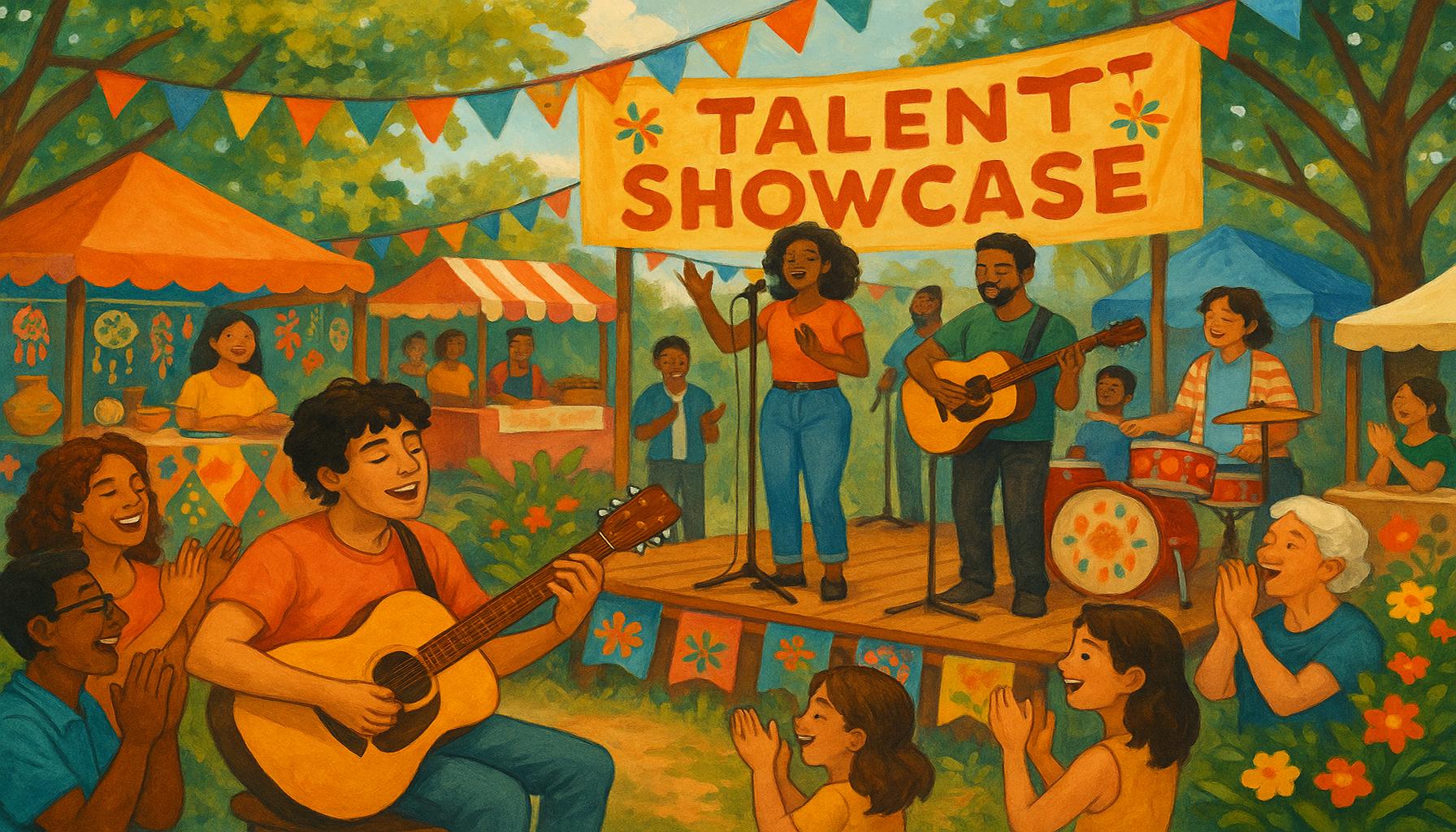
At the heart of this musical renaissance are performance venues, ranging from small clubs and cafes to dedicated theaters and community centers. These intimate settings not only provide a platform for artists to showcase their work but also create a welcoming atmosphere for enthusiasts to discover new sounds. For instance, many cities boast open-mic nights, where anyone from a seasoned performer to a newcomer can take the stage. Events like the “First Fridays” in cities such as Philadelphia and Phoenix revitalize local neighborhoods by featuring live music alongside art displays, showcasing the richness of local talent.
Workshops and Mentorship
Another critical element in nurturing young musicians is the provision of workshops and mentorship opportunities. Experienced artists often conduct workshops that delve into various aspects of musicianship, such as songwriting, performance techniques, and the intricacies of the music business. Programs like Musicians on Call, which brings musicians to healthcare facilities, illustrate how mentorship can also extend beyond traditional settings, demonstrating the transformative power of music in healing and personal growth. Such initiatives allow emerging artists to learn from those who have successfully navigated the industry, ensuring a transfer of knowledge vital for sustaining the local music scene.
Collaborative Projects
Moreover, collaborative projects foster a sense of community and creativity among local artists. Community-driven events, such as local music festivals or pop-up concerts, not only celebrate diversity in musical expression but also open doors for artists to collaborate, experiment, and innovate. These gatherings often culminate in unique musical fusions that reflect the community’s identity, resonating deeply with attendees. For instance, the South by Southwest (SXSW) festival in Austin, Texas, showcases numerous up-and-coming bands alongside established musicians, proving how collaborative environments can elevate visibility.
The Impact of Social Media
In today’s digital age, social media plays a transformative role in amplifying these grassroots efforts. Platforms such as Instagram, TikTok, and YouTube allow local talents to reach broader audiences, breaking geographic limitations that once confined them. Through clever marketing and engaging performances, artists can create a viral sensation from their hometown, as seen with musicians like Lizzo and Billie Eilish, who originated from close-knit communities before skyrocketing to global fame. The interconnectedness of local artists and audiences fosters a supportive network that can lead to significant career advancements.
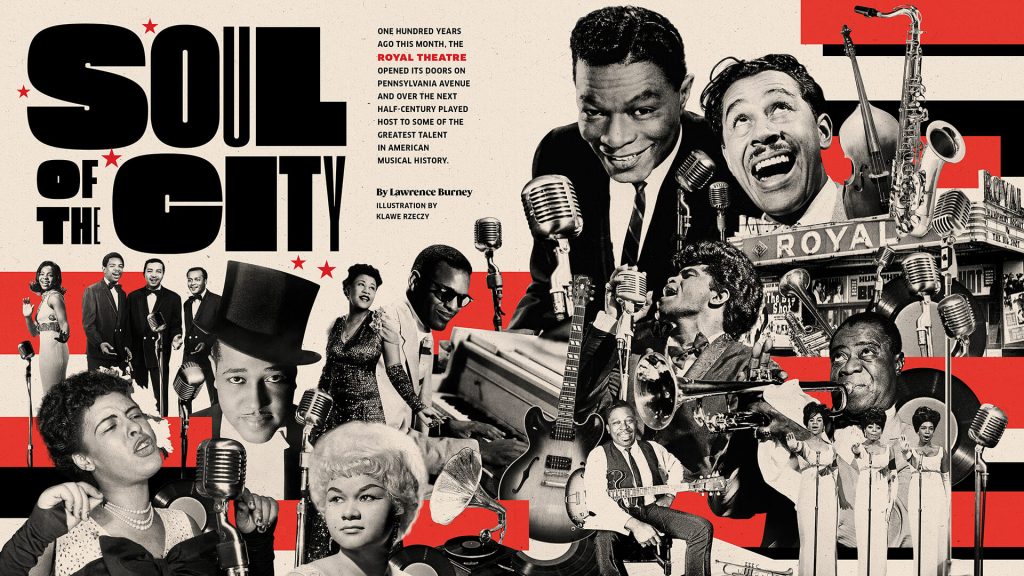
Ultimately, the symbiotic relationship between communities and their local musicians enriches the cultural landscape, promoting a sense of identity and pride. Initiatives aimed at nurturing emerging musical talents have become pivotal players in the larger dialogue surrounding arts and culture in the United States. As communities band together to support these artists—whether through professional guidance, performance opportunities, or even just a simple listening ear—they are not merely fostering individual talent but are bolstering a dynamic ecosystem that celebrates creativity and expression.
DIVE DEEPER: Click here to explore the evolution of musical instruments
Nurturing a Music-Centric Culture
As we delve into the significance of local communities in nurturing emerging musical talents, it becomes evident that the foundation of a music-centric culture lies in its grassroots support. Communities across the United States are embracing their local artists, instilling a sense of pride and identity through music. Towns and neighborhoods are establishing frameworks that not only celebrate musical expression but also elevate the artists who dwell within them.
The Importance of Local Radio and Media
One crucial element in this cultural ecosystem is the presence of local radio stations and media outlets. Unlike mainstream platforms, these grassroots channels focus on featuring local musicians, providing them with the much-needed exposure to wider audiences. Stations such as KEXP in Seattle showcase local talent by dedicating segments to live performances and artist interviews, which can propel undiscovered musicians into the spotlight. This builds an engaged community of listeners eager to support homegrown talent, fostering cultural connection.
Community Events and Festivals
Community events and festivals serve as vibrant showcases for emerging artists, allowing them to connect with their audience in meaningful ways. These gatherings are often rich with programming that highlights various genres and styles, enabling diverse musical expressions to surface. Some notable examples of such events include:
- Newport Folk Festival in Rhode Island, which has a long history of promoting both seasoned artists and emerging stars.
- Coachella’s local acts stage, which has launched the careers of numerous artists over the years.
- Summerfest in Milwaukee, which claims to be the world’s largest music festival, providing a platform for indie musicians alongside major headliners.
These events not only celebrate music but also transform entire neighborhoods into immersive artistic experiences that bring communities together, reinforcing the idea that local talent can thrive.
Support from Local Businesses
The role of local businesses in promoting emerging musical talents cannot be overstated. Coffee shops, bookstores, and restaurants are increasingly hosting live music nights, creating symbiotic relationships with artists and audiences alike. These venues not only offer musicians a stage but also help to create an intimate atmosphere where patrons can connect with the music on a personal level. Additionally, local businesses that sponsor events or contribute to crowdfunding campaigns ensure a sustainable ecosystem where artists can flourish.
By recognizing that their success is intertwined with the cultural vitality of the community, local businesses help to create a thriving arts scene. This investment in the arts not only enhances the attractiveness of a locality but ultimately fosters a sense of belonging and connection for residents and visitors alike.
In summary, the concerted efforts of local radio, community events, and supportive businesses all contribute to a framework that cultivates emerging musical talents. Together, these factors create an environment where young artists can hone their skills, share their narratives, and reach new audiences, setting the stage for a flourishing musical landscape in the heart of America.
The Role of Local Communities in Promoting Emerging Musical Talents
As we delve deeper into the impact of local communities on emerging musical talents, it becomes clear that these communities serve as crucial support systems for aspiring artists. The communal atmosphere fosters innovation, collaboration, and the sharing of resources, which are essential for young musicians aiming to refine their craft. Local venues, such as cafes, community centers, and small music clubs, provide vital platforms where these talents can perform live, gaining exposure and valuable experience in front of an audience.
Furthermore, the supportive network formed within local communities encourages creativity and experimentation. Peer feedback from fellow artists often results in the development of unique musical styles that reflect the cultural richness of the area. Such collaborations not only enhance individual artistry but also strengthen the music scene at large, contributing to a vibrant cultural landscape. Communities that embrace diversity in musical genres enrich their artistic offerings, thereby nurturing a plethora of emerging talents.
This emphasis on collaboration can also translate into mentorship programs, where seasoned musicians guide younger artists, sharing their knowledge of the industry and performance techniques. These relationships provide invaluable insights and help cultivate a new generation of performers equipped to navigate the complexities of a career in music. Additionally, local organizations often host workshops and masterclasses, further fostering skill development among emerging artists.
Local communities also play a vital role in the promotion of musical events. Through festivals and open mics, they create opportunities for networking and community engagement. These events not only showcase emerging talents but also draw the attention of industry professionals and music enthusiasts alike. By supporting local festivals, communities can help artists gain recognition, potentially launching their careers to new heights.
| Category | Benefits |
|---|---|
| Local Performances | Opportunities for exposure and growth. |
| Collaboration | Encourages innovation and exchange of ideas. |
| Mentorship Programs | Guidance from established musicians. |
| Community Festivals | Increase visibility and industry connections. |
With the right support and resources, local communities not only elevate the talents of individual musicians but also contribute to a thriving musical ecosystem that enriches the cultural fabric of society. Through nurturing these emerging artists, communities help to create a legacy of creativity and artistic expression that can resonate far beyond their local boundaries.
DIVE DEEPER: Click here to discover mindfulness techniques through handicraft
Creating Collaborative Ecosystems
In addition to fostering a music-centric culture, local communities play a pivotal role in creating collaborative ecosystems that allow emerging musical talents to thrive. This collaborative spirit goes beyond mere events and business support, extending into education, mentorship, and resource sharing that empower artists at various stages of their careers.
The Role of Music Education Programs
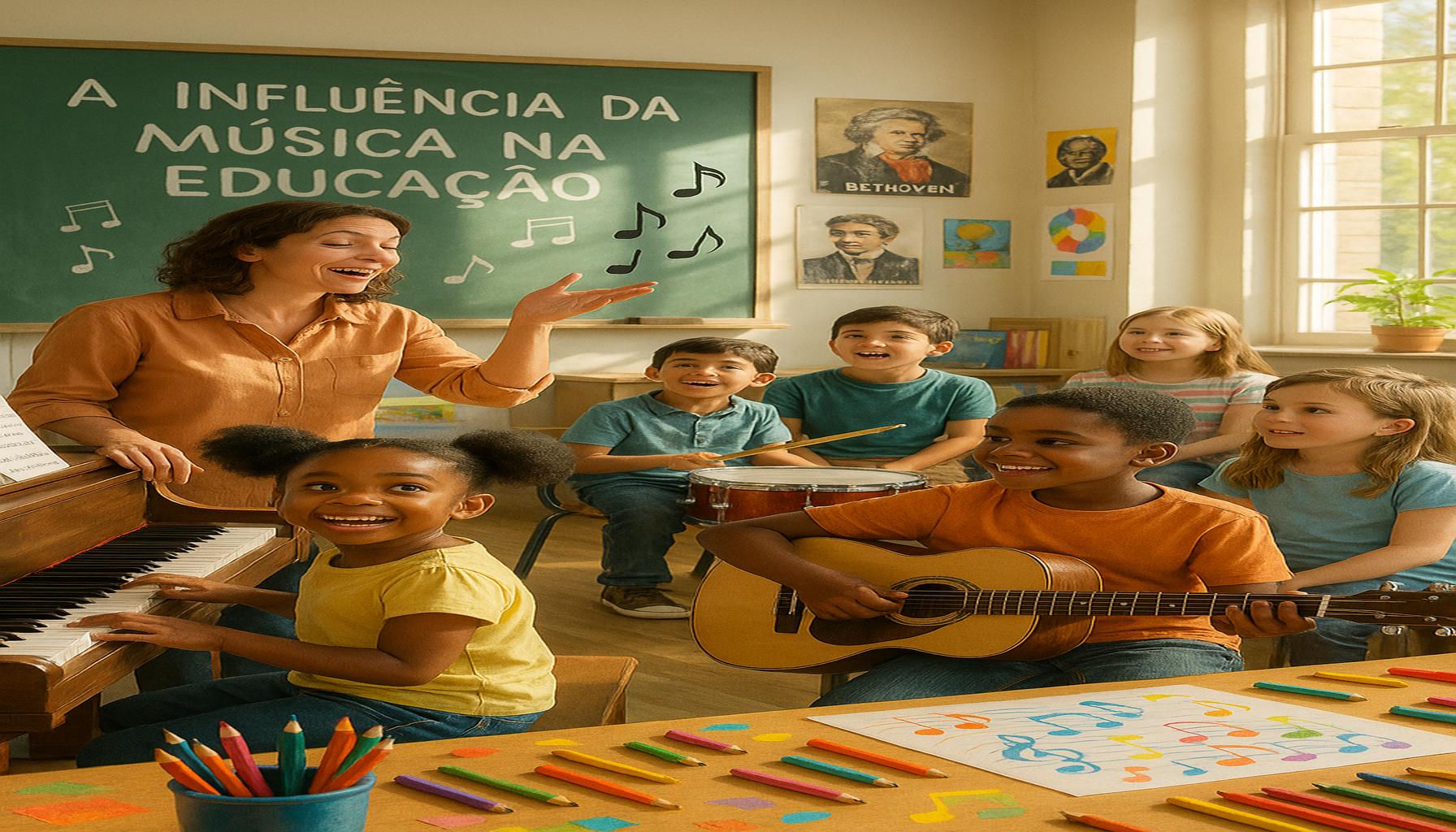
Music education programs in schools and local organizations are critical for cultivating the next generation of musicians. In many communities, educational institutions partner with local artists to provide workshops, masterclasses, and mentorship opportunities. Programs such as the Little Kids Rock initiative, which provides free musical instruments and educational resources to schools, illustrate how communities can empower young musicians and create pathways for artistic expression. By fostering music literacy and performance skills, these programs not only lay the groundwork for emerging talents but also integrate music into the fabric of community life.
Moreover, community colleges and music schools offer affordable courses and vocational training tailored for aspiring musicians. Initiatives such as the Rock and Roll School in Los Angeles welcome diverse skill levels, enabling students to refine their craft while gaining insights into the music industry. This direct access to education ensures that budding artists have the tools they need to navigate the complexities of a musical career.
Collaborative Platforms and Spaces
Another vital aspect of supporting emerging musicians is the establishment of collaborative platforms and spaces, which foster creativity and innovation. Co-working spaces, open studios, and artist collectives have sprung up across urban environments, allowing local musicians to come together, share resources, and collaborate on projects. Makerspaces, which often include recording equipment and rehearsal spaces, enable artists to experiment and produce music without the barriers of high costs.
Furthermore, initiatives like Songspace offer online platforms for musicians to connect with collaborators, create music, and share their work with industry professionals. These platforms provide new avenues for exposure, particularly beneficial for those artists who are less likely to gain traction through traditional means. As musicians engage with one another in these collaborative environments, they invigorate the local scene and contribute to the rich tapestry of cultural expression.
Grassroots Promotion through Social Media
The rise of social media has revolutionized how emerging artists connect with their audiences, particularly at the local level. Platforms like Instagram, TikTok, and Facebook have become indispensable tools for grassroots promotion and community-building. Local musicians can share their music, stories, and promotional content directly with potential fans, fostering an authentic connection that traditional marketing methods may lack.
Communities have witnessed viral success stories where local talents harnessed social media to propel their careers. For instance, the artist Omar Apollo grew his following through engaging posts that showcased his musical journey, ultimately leading to wider recognition and a record deal. This democratization of music promotion allows talent to be recognized for their artistry, regardless of their geographical location or background.
Ultimately, local communities play a vital role in shaping the musical landscape by creating innovative environments where emerging talents can flourish. With the convergence of educational resources, collaborative spaces, and the power of social media, communities stand as the bedrock upon which the future of music is built, nurturing the sounds of the next generation.
DISCOVER MORE: Click here to learn about the psychological benefits of artistic activities
Conclusion
The engagement of local communities in promoting emerging musical talents is a vital aspect of shaping a vibrant and diverse musical landscape. Through education initiatives, collaborative spaces, and innovative use of social media, these communities cultivate an environment where artistic expression can thrive. By fostering partnerships between educational institutions and local artists, communities ensure that young musicians receive the support they need to explore and develop their craft. Programs such as Little Kids Rock not only empower the next generation but also weave music into the cultural framework, enhancing community identity.
The establishment of collaborative platforms has transformed the way artists interact, providing essential resources that lower barriers to entry in the music industry. As musicians come together in shared spaces to create and innovate, they contribute to local culture and amplify the voices of diverse communities. Moreover, the democratization of promotion through social media has allowed even the most grassroots talents to reach wider audiences, as evidenced by artists like Omar Apollo, whose journey showcases the power of authentic connection in the digital age.
Ultimately, the role of local communities extends beyond mere support; it is about creating a nurturing ecosystem that embraces and celebrates emerging musical talents. As communities continue to invest in these initiatives, they not only enrich their local cultural identity but also shape the future of music itself. The synergy of education, collaboration, and accessibility ensures that the next wave of artists has every opportunity to make their mark, encouraging a lasting legacy that resonates far beyond their immediate surroundings.