The Evolution of Musical Instruments: From Tradition to Innovation
The Fascinating Evolution of Musical Instruments
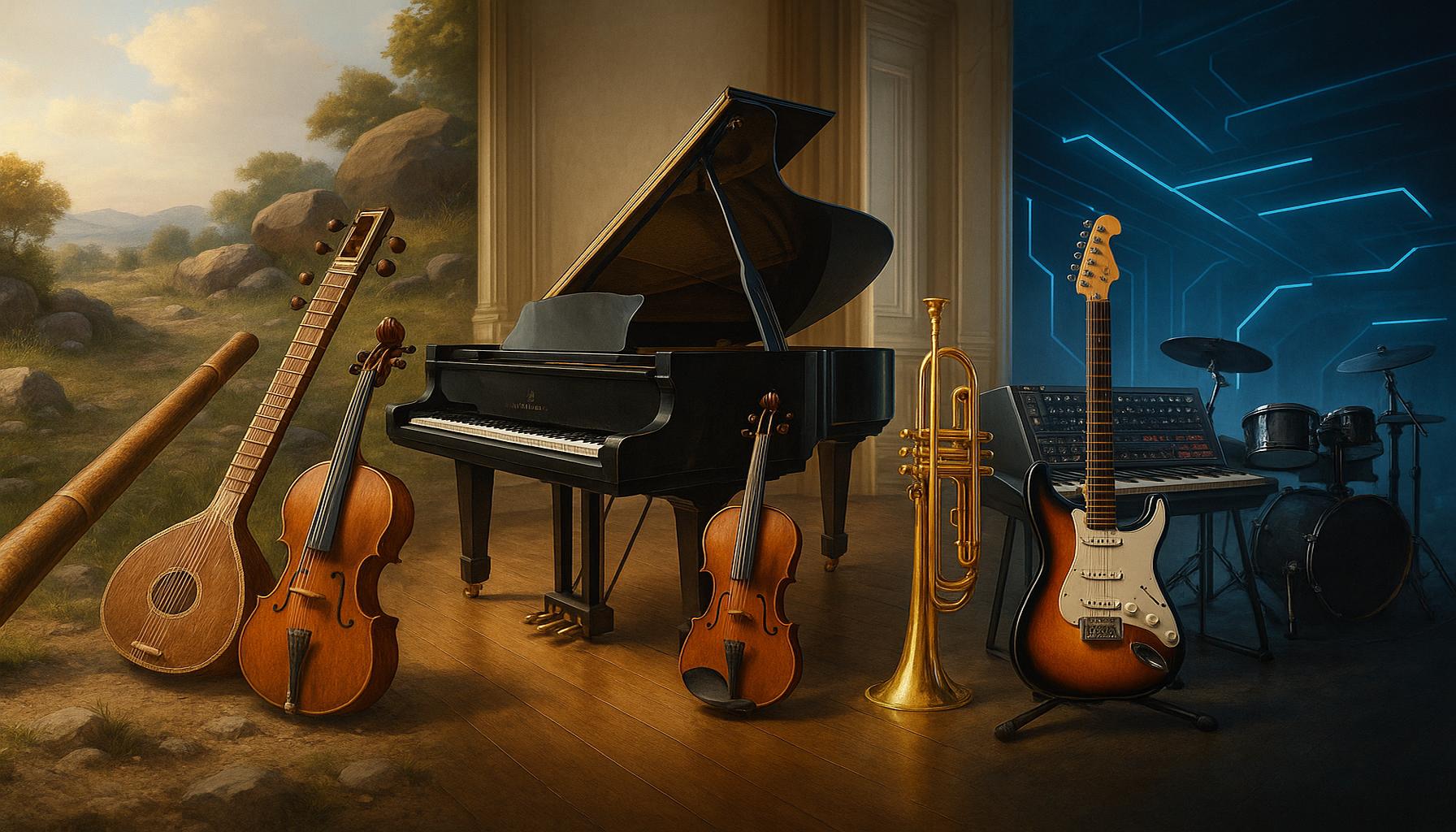
Musical instruments have been an integral part of human culture, acting as vehicles for expression, communication, and connection. Their journey spans thousands of years, showcasing a rich tapestry of innovation and tradition. Initially, instruments were crafted from readily available natural materials, such as wood, bone, and animal skin. For instance, the flute dates back over 35,000 years, with prehistoric specimens discovered in Europe, indicating early humans’ desire to create music for various social and ritualistic purposes.
As societies evolved, so did their instruments. The drum, with its simple yet powerful percussive sound, can be traced across various civilizations—from ancient African tribes using animal skins stretched over hollowed-out logs to the elaborate orchestral timpanis seen in Western classical music. Similarly, string instruments like the guitar and violin have roots in ancient civilizations, evolving from simpler forms such as the lute and rebec to the sophisticated designs we see today.
Key Highlights of Musical Instrument Evolution
- Traditional Instruments: The roots of instruments such as the flute, drums, and string instruments are evident in ancient civilizations like the Sumerians, who created the lyre, and the Egyptians, who played harps and percussion instruments during ceremonies.
- Modern Innovations: The 20th century ushered in a wave of technological advancements, leading to the creation of electric guitars and synthesizers. Instruments such as the Theremin and the Moog synthesizer opened up new realms of sound that transformed genres from rock to electronic music. The rise of digital audio workstations (DAWs) further empowers musicians to experiment with sound production without traditional physical instruments.
- Cultural Influence: Regional music styles significantly influence instrument designs worldwide. For example, the ukulele, originating from Hawaii, reflects the island’s unique musical traditions, while the sitar, prominent in Indian classical music, showcases intricate craftsmanship that aids in producing evocative melodic patterns.
The evolution of musical instruments not only demonstrates exceptional craftsmanship but also mirrors pivotal shifts in musical styles and societal needs. The interplay between tradition and technological transfer is ongoing, leading to a contemporary musical landscape that is both diverse and accessible. Musical instruments today are not only a reflection of cultural identities but are also tools for artistic expression in a fast-paced world. The synergy of innovation and heritage continues to inspire musicians, and investigating this evolving landscape unveils how we redefine the soundscape of the future.
DIVE DEEPER: Click here to uncover the magic of illustrations
From Ancient Echoes to Modern Melodies
The journey of musical instruments, from their primitive forms to the complex devices available today, reveals much about humanity’s relationship with music and innovation. In ancient times, people relied on simple instruments to express their emotions, tell stories, and bring communities together. As cultural needs evolved, so did the ways in which these instruments were designed and crafted. This evolution underlines a remarkable narrative of adaptation and creativity through the ages.
Primitive Instruments: In the earliest societies, musical instruments were basic yet effective. The use of percussion instruments, for instance, can be traced back to ancient rituals and communal gatherings. Early humans utilized logs, stones, and animal skins to create a variety of drum-like instruments that provided a rhythm for dances and ceremonies. Archaeological findings indicate that drums have long played a crucial role in communication, often serving as a means to convey messages across distances. The mouth harp and various forms of flutes represent some of the other significant early instruments, offering insight into the melodic offerings of our ancestors.
Cultural Resonance: The geographical context also significantly influenced the development of musical instruments. Instruments like the didgeridoo from Australia and the berimbau of Brazil reflect unique cultural narratives and functions. Regional materials, techniques, and artistic expressions shaped these instruments, fostering a deep connection between communities and their music. For example, traditional Native American instruments, such as the Native American flute and various drums, are intimately tied to ritualistic practices, storytelling, and spiritual expression.
The Shift to Modern Design
As societies entered the Middle Ages and the Renaissance, the design and complexity of instruments expanded dramatically. European string instruments evolved into the sophisticated violin, cello, and harpsichord we recognize today. These instruments not only demonstrated the technical skills of craftsmen but also began to reflect the artistic trends of their times—ushering in a new era of music that would lay the groundwork for classical music and beyond.
- Orchestral String Instruments: The development of the violin family during the Renaissance revolutionized performance in orchestras, allowing for a greater range of emotion and expression.
- Woodwind and Brass Innovations: Instruments such as the clarinet and trumpet saw technological advancements that improved their tonal quality and versatility, enriching musical compositions.
- The Importance of Keyboards: The invention of the piano, along with the earlier organ, signifies a pivotal moment in the evolution of instruments, blending melody with harmony and paving the way for complex musical arrangements.
These traditional foundations set the stage for the waves of innovation that would commence in the 20th century, where technological advances began to change the landscape of music production irrevocably. The rise of electric instruments, synthesizers, and (later) digital platforms transformed not only the way music was created but also how it was experienced by global audiences.
| Category | Advantages |
|---|---|
| Historical Instruments | Preserve cultural heritage and showcase craftsmanship. |
| Modern Innovations | Enhance versatility and expand the range of sounds available. |
| Digital Instruments | Accessible for beginners, offering educational tools & resources. |
| Hybrid Instruments | Merge sounds of traditional and contemporary, creating new genres. |
The evolution of musical instruments highlights the remarkable journey bridging tradition and innovation. Historical instruments, like the ancient lute or sitar, preserve cultural heritage and exhibit unique craftsmanship. These instruments carry stories of the past, connecting modern musicians with the roots of music. On the other hand, modern innovations in instrument design and technology enhance versatility, allowing musicians to experiment with various sounds and styles. Digital instruments epitomize the democratization of music, making it accessible to beginners with intuitive interfaces and a wealth of educational resources. Furthermore, hybrid instruments merge the sounds of traditional and contemporary elements, fostering creativity and giving rise to new genres that captivate audiences worldwide. The interplay between tradition and innovation encourages musicians and composers to explore endless sonic possibilities. Curious about how these advancements impact the world of music today?
DISCOVER MORE: Click here to dive into mindfulness techniques through handicrafts
From Acoustic to Electric: A New Era of Sound
The transition into the 20th century marked an unprecedented era in the evolution of musical instruments, characterized by groundbreaking technological advancements and innovations. With the industrial revolution’s far-reaching impact on manufacturing, a new class of instruments emerged that forever altered the musical landscape. The onset of electric instruments revolutionized music production, bridging the gap between traditional acoustic sounds and modern electronic vibrations.
The Rise of Electric Instruments: The introduction of the electric guitar in the 1930s, for example, transformed not only the way music was played but also its entire genre. Renowned brands such as Fender and Gibson crafted models that allowed musicians to amplify their sound, creating a more powerful and resonant experience. This development fueled the rise of rock ‘n’ roll, enabling artists like Chuck Berry and Jimi Hendrix to push the boundaries of musical expression. As genres evolved, electric pianos and organs like the Wurlitzer and Farfisa became integral to jazz and pop music, adding rich textures and layers previously unattainable with traditional instruments alone.
Synthesizers and Electronic Music: The 1960s and 1970s ushered in the age of synthesizers, which redefined the concept of musical creation. Instruments like the Moog synthesizer allowed musicians to generate entirely new sounds, expanding the sonic palette available. This innovation laid the groundwork for entire genres such as electronic dance music and synth-pop, with influential artists like Kraftwerk and Depeche Mode leading the charge. The ability to manipulate sound electronically created limitless possibilities, inspiring a wave of experimentation in both composition and performance.
The Digital Revolution
As technology continued to evolve, the music industry entered the digital age in the late 20th and early 21st centuries. Digital audio workstations (DAWs) revolutionized music production, allowing artists to compose, record, and mix music with unprecedented ease and accessibility. Software instruments and virtual synthesizers designed for use on personal computers blurred the lines between traditional instruments and electronic music, democratizing music creation and giving rise to a plethora of new genres.
- Accessibility: Digital platforms such as GarageBand and Ableton Live have enabled aspiring musicians to experiment with sounds and compositions without the need for costly studio time or elaborate equipment, making music creation more inclusive than ever.
- Sampling Culture: The innovativeness of music sampling has led to the integration of sounds from various genres, breaking down traditional barriers and giving rise to crossover genres like hip-hop and electronic music.
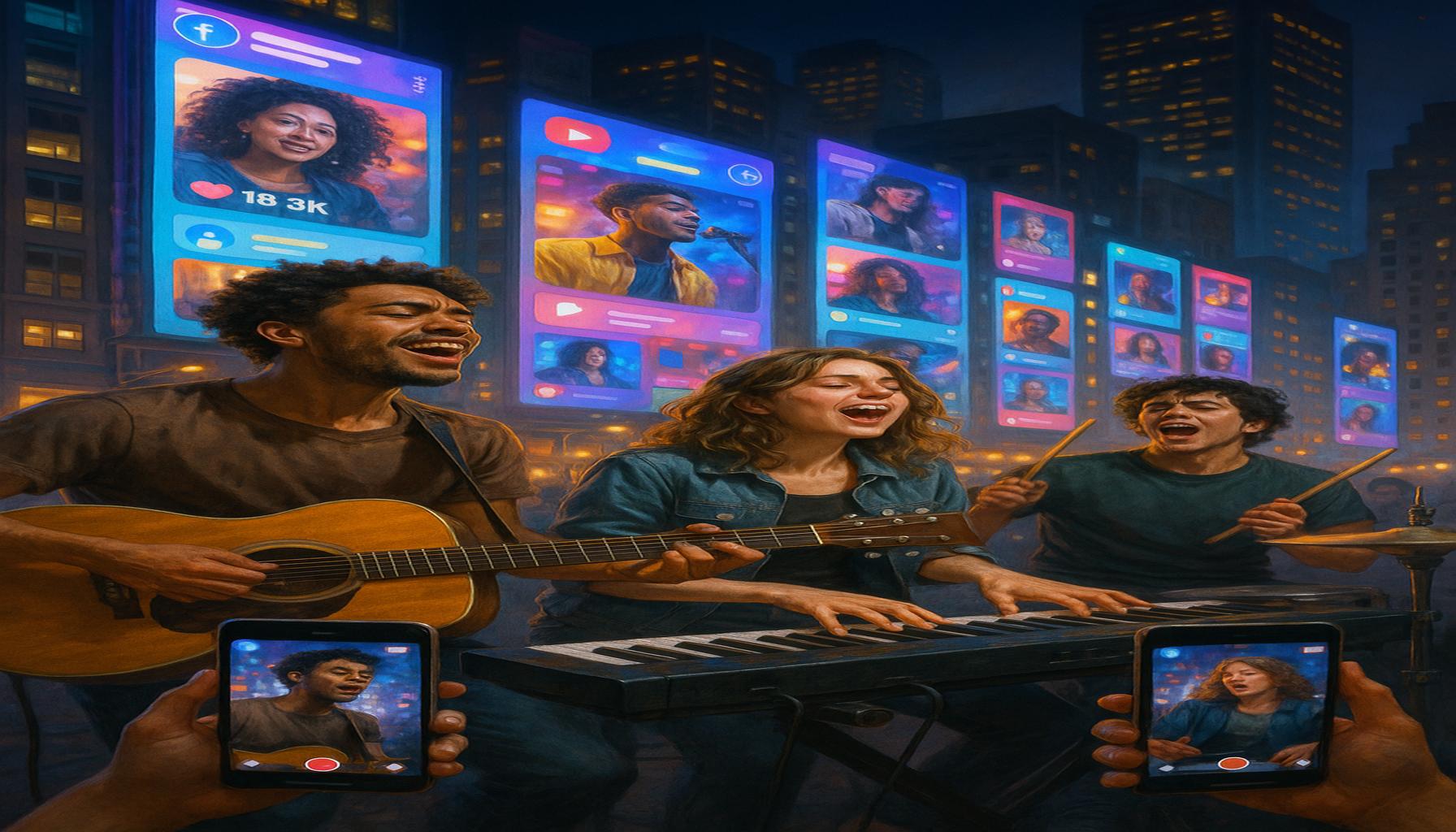
- The Role of the Internet: The internet has drastically transformed how music is distributed and consumed. Artists can now reach global audiences without major label support, reshaping the industry’s landscape.
Instrument makers have not been idle during these advancements. Innovations in materials—such as carbon fiber and advanced polymers—have led to the creation of modern instruments that are lighter, more durable, and more versatile than their predecessors. These innovations represent not merely changes in design but a re-interpretation of what an instrument can be. This has opened the door for contemporary artisans and engineers to explore hybrid designs that merge acoustic and electronic elements, further extending the concept of musical instruments into the realm of innovation.
Through this journey from primitive to advanced, the evolution of musical instruments reflects not only technological innovation but also the changing dynamics of culture and society. The symbiotic relationship between musicians and their tools continues to shape the creation and experience of music, inviting us to ponder how future innovations will inspire new generations of artists and listeners alike.
DIVE DEEPER: Click here to uncover more insights
Conclusion: A Harmonious Journey Through Time
The evolution of musical instruments stands as a captivating testament to the fusion of tradition and innovation. From the primal beats of ancient drums to the electrifying sounds of modern synthesizers, this journey showcases how technology and culture shape our musical landscape. Each era has contributed to the rich tapestry of music, encouraging experimentalism while grounding artists in historical resonance. As we reflect on this evolution, it becomes evident that instruments are not merely tools; they are extensions of the musician’s creativity and a voice for cultural expression.
The transformative leaps brought about by electric instruments and the advent of digital technology have not only expanded what music can be but have also democratized its creation and distribution. Today, a wealth of platforms exists where aspiring musicians can produce and share their work, transcending geographical and financial barriers. This accessibility encourages diverse sounds and genres to flourish, creating a vibrant, inclusive musical community.
Looking forward, we stand at the precipice of further innovations in musical instruments, especially with the integration of artificial intelligence and advanced materials. This trajectory prompts intriguing questions about the future of music: What new sounds will emerge as technology continues to advance? How will artists adapt their creative processes to these innovations? As we move forward, the interplay between tradition and innovation will undoubtedly shape not just the instruments we play, but also the very essence of music itself, inspiring future generations to explore and redefine their artistic expression.