Intersectionality in the Arts: Representation and Inclusion of Diverse Voices in Artistic Practices
The Power of Art as a Reflection of Society
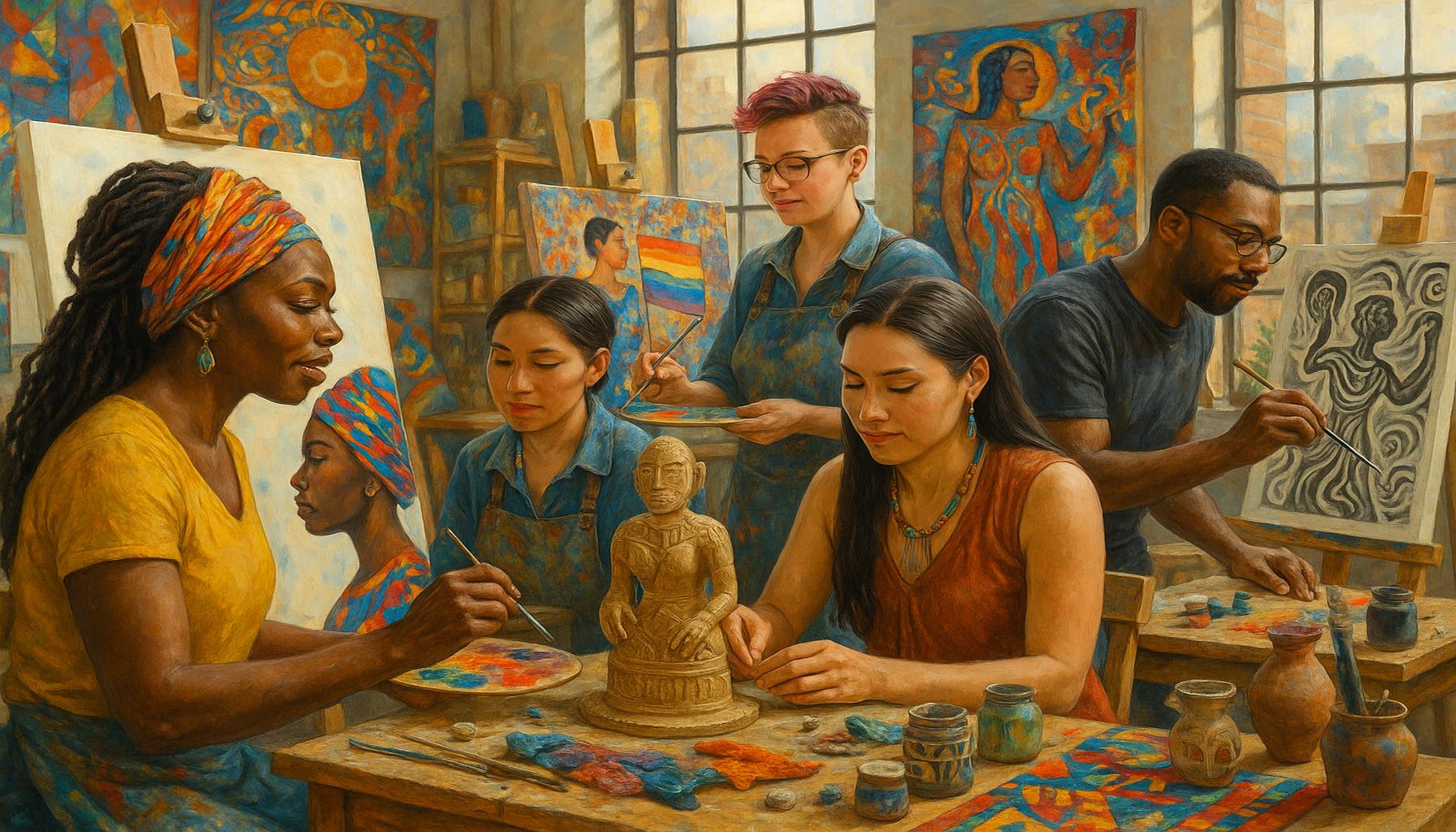
Art has long been recognized as a mirror reflecting the complexities of human experience. In the current landscape, the discourse surrounding intersectionality is more significant than ever, beckoning artists and audiences alike to explore the nuanced ways in which varied identities interact within creative expressions. Artists are no longer confined to traditional boundaries; instead, they are forging new paths that encourage a more holistic understanding of personal and collective narratives.
As the definition of art expands, the inclusion of diverse voices becomes paramount. This multifaceted intersection fosters a spectrum of benefit that enriches both creative output and societal understanding. For instance:
- Authentic Narratives: Artists like Ta-Nehisi Coates and Chimamanda Ngozi Adichie craft literary pieces that resonate deeply with their own identities and lived experiences. Their works invite audiences to see life through a different lens, pushing the boundaries of empathy and understanding.
- Cultural Hybridity: This interplay of different artistic traditions often gives rise to innovative forms such as Afrofuturism, which blends African culture with science fiction. This genre has encouraged artists like Janelle Monáe and Kehinde Wiley to create works that challenge conventional aesthetics and redefine cultural heritage.
- Community Engagement: Street art initiatives in cities like San Francisco and New York serve as vibrant platforms for dialogue among various communities. Artists such as Amy Sherald use murals to address social issues, promoting conversations that resonate within the cultural fabric of these urban environments.
In the United States, there has been a growing movement advocating for representation, resulting in significant shifts within the art world. A fresh generation of artists from marginalized backgrounds are now shaping the dialogue, leading to transformative changes that promise to impact future generations. This includes:
- Broaden Perspectives: Through exhibitions and performances, audiences encounter diverse experiences that may have previously been overlooked. For example, the rise of the #BlackLivesMatter movement has influenced numerous artists to integrate social justice themes into their work, expanding the conversation around race and equality.
- Challenge Stereotypes: Contemporary artists such as Frida Kahlo or Jean-Michel Basquiat pushed back against societal norms, prompting audiences to reassess prevailing views. This ongoing challenge continues to push boundaries, asking profound questions about identity and culture.
- Encourage Inclusivity: Collaboration across disciplines—including film, music, and the visual arts—is becoming increasingly common. Projects that unite artists from various backgrounds are fostering a more inclusive artistic environment, exemplified by initiatives like The Getty’s L.A. Arts in Action, which seeks to merge diverse talents to create innovative works.
Recognizing the significance of intersectionality within artistic practices enriches not only the artistic landscape but also empowers individuals engaged in these dialogues. As we delve deeper into this vibrant territory, it becomes evident that there is potential for transformative change, heralding a new era where art can both challenge and elevate, inspiring deeper connections among communities and individuals.
DIVE DEEPER: Click here to discover worldbuilding techniques
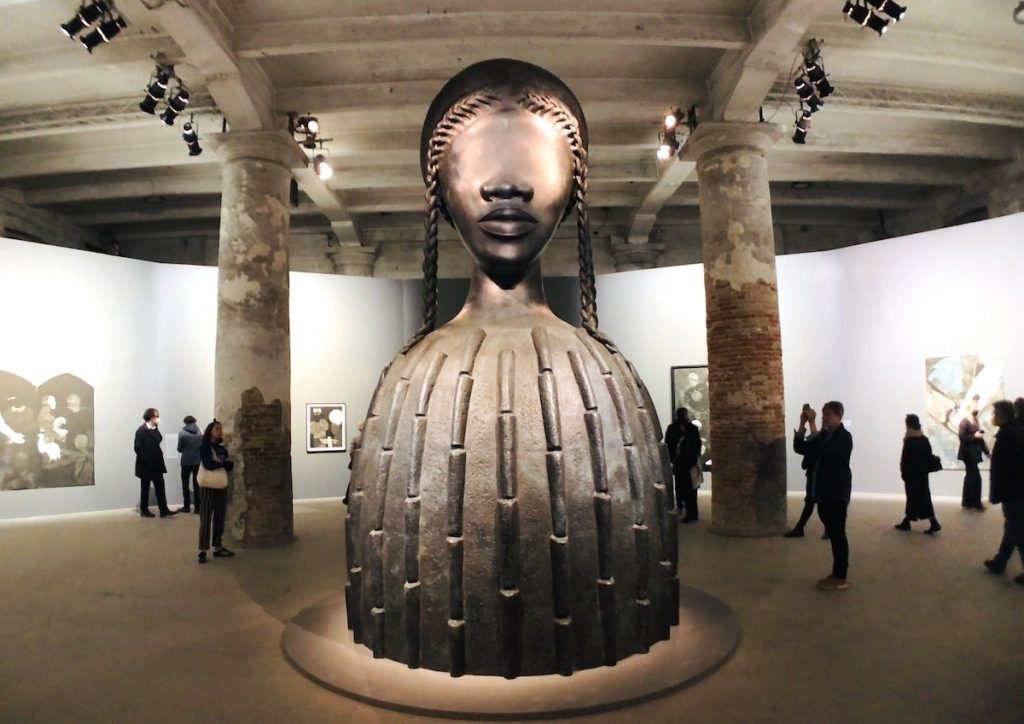
Understanding Intersectionality: A Key Component of Artistic Expression
To truly grasp the evolution of art in contemporary society, it’s essential to understand the concept of intersectionality—a framework that examines how various social identities such as race, gender, class, sexual orientation, and ability intersect, influencing one’s experiences and perspectives. Within the arts, intersectionality serves as both a lens and a tool, allowing artists to challenge prevailing narratives and broaden the scope of representation across diverse communities.
The incorporation of intersectionality in artistic practices shifts the focus from a monolithic, often Eurocentric portrayal of culture to a more inclusive and multifaceted representation. Artists are increasingly harnessing this framework to assert their agency in telling stories that resonate with underrepresented populations. The importance of diverse voices cannot be overstated; they not only provide authenticity but also enrich the creative arts landscape, creating a tapestry of experiences that reflect the true essence of society. Consider the following factors that contribute to this dynamic transformation:
- Media Representation: The rise of streaming platforms has opened doors for artists from diverse backgrounds to present their work broadly, reaching audiences that were once sidelined. Series such as *Master of None* and *Pose* dive deep into the intricacies of personal identity within the lens of race and sexuality while promoting narratives that resonate with many.
- Economic Accessibility: Initiatives aimed at democratizing access to art, such as community art programs and grants for emerging artists, are vital in fostering a creative landscape that includes voices from all walks of life. Organizations like the National Endowment for the Arts support these efforts by funding projects that highlight local artists and diverse communities.
- Education and Engagement: Artistic education programs that emphasize intersectionality encourage students to explore their identities through creative expression. Schools across the United States have started integrating multicultural art histories into their curricula, showcasing artists such as Faith Ringgold and José Clemente Orozco, whose works challenge dominant narratives and encourage dialogue around social justice.
These elements are catalyzing a larger movement toward recognition and inclusion within the arts. Prominent exhibitions like “We the People” emphasize the importance of diverse artistic voices, showcasing how artists can articulate experiences that mirror the struggles and triumphs of multifaceted identities. Such efforts reflect a collective acknowledgement that belonging and representation in the arts matter, influencing broader societal narratives surrounding equity and justice.
As audiences begin to engage with art that incorporates intersectionality, they are compelled to confront their own biases and preconceptions. This shift has the potential not only to broaden the understanding of art itself but also to foster a more empathetic society, where diverse experiences are valued and recognized as crucial to a shared future. With this in mind, the exploration of intersectionality within artistic practices continues to challenge the status quo, paving the way for innovative and thought-provoking creative endeavors that resonate across various communities.
| Advantage | Details |
|---|---|
| Diverse Perspectives | Inclusion of artists from varied backgrounds enriches the artistic landscape, providing multifaceted viewpoints and narratives. |
| Cultural Awareness | Encouraging representation fosters greater cultural sensitivity and acknowledges histories often overlooked, promoting a deeper understanding among audiences. |
| Empowerment Through Art | Artistic practices that emphasize diversity lead to the empowerment of marginalized voices, giving them a platform to express and reclaim their narratives. |
| Community Building | The intersectionality in art encourages collaboration across communities, fostering partnerships that transcend social barriers and create inclusive spaces. |
The representation and inclusion of diverse voices are crucial in challenging the mainstream narratives often dominating the art world. As the sector evolves, it becomes increasingly vital to incorporate the narratives that reflect the experiences of underrepresented groups. For instance, exhibitions that highlight Indigenous artists not only celebrate their heritage but also educate audiences about their struggles and triumphs. Each piece serves as a potent reminder of the rich tapestry of human experience. Furthermore, when organizations prioritize diversity and equity, they simultaneously open avenues for innovative collaborations that merge distinct cultural expressions, enhancing the overall aesthetic and intellectual value of artistic practices. This dynamic interaction is not merely beneficial; it’s essential for a thriving, relevant, and resonant arts community. The conversations started through intersectionality can ripple outward, influencing society’s perceptions and inspiring new dialogues about identity, representation, and social justice.
DIVE DEEPER: Click here to discover more
The Role of Collaborative Practices in Fostering Intersectionality in the Arts
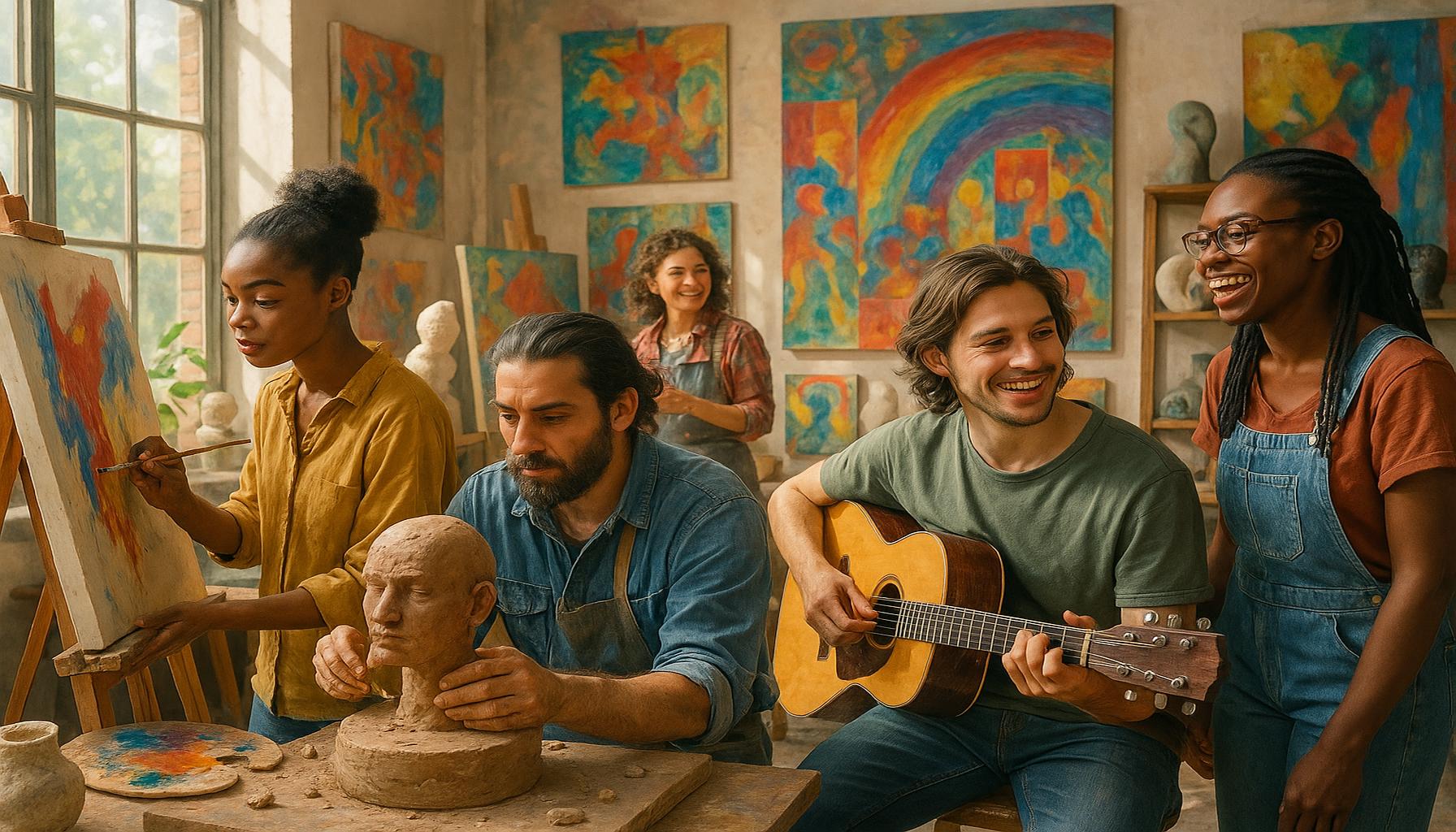
As the discourse surrounding intersectionality continues to shape contemporary artistic practices, the emergence of collaborative projects has become increasingly significant. These collective efforts not only amplify diverse voices but also invite dialogue among individuals from various backgrounds, effectively blurring the lines between disciplines and creating a richer artistic landscape. Collaborative practices provide a platform for artists to draw from their unique experiences, often resulting in innovative forms of expression that reflect a multitude of perspectives.
One notable example is the Black Mountain College revival, where artists, educators, and students come together to explore themes of race, gender, and class through interdisciplinary collaboration. This initiative highlights how collective environments foster creativity by promoting inclusive dialogues and dismantling barriers that hinder artistic expression. By working side-by-side, artists can engage in critical conversations that reflect their communities and challenge normative notions of authorship and creativity.
Additionally, organizations such as Alliance of Artists Communities actively promote collaborative and cross-disciplinary practices. These initiatives facilitate connections between artists from different backgrounds, allowing them to share knowledge and resources in a way that enhances their work and community engagement. Such frameworks are instrumental in creating an artistic ecosystem that thrives on diversity and inclusivity.
- Community-Based Projects: Art produced for and by the community often embodies intersectional elements. Programs like Creative Time focus on public art that engages a diverse audience, foregrounding the experiences of marginalized groups. The annual *Creative Time Summit* brings together artists, activists, and scholars to discuss the role of art in social justice, demonstrating how the arts can be a powerful vehicle for change.
- Digital Platforms: The rise of digital art platforms has enabled artists to collaborate across geographic boundaries. Platforms such as Instagram or DeviantArt allow artists to create and share multimedia projects that showcase diverse voices. These virtual spaces foster global interactions, broadening the reach and impact of intersectional art.
- Interdisciplinary Collaborations: Projects that combine different art forms—such as performance, visual art, and literature—often highlight complex narratives related to identity. Initiatives like the Public Theater’s “Mobile Unit” travel to underserved communities, merging theater with advocacy to raise awareness on issues of equity and representation.
This increasing emphasis on collaborative practices in the arts demonstrates a robust commitment to honoring intersectionality, positioning artists as vital agents of social change. By working together, they dismantle traditional hierarchical structures and create spaces where stories can be shared freely and authentically. Such artistic initiatives not only enrich the cultural fabric of society but also advance conversations about access, equity, and the necessity of representation within the arts.
As dialogues around intersectionality in the arts deepen, artists must remain devoted to questioning their roles, experimenting with forms, and fostering partnerships that reflect the richness of human experience. The commitment to operationalizing intersectionality at various levels of artistic practice invites audiences to participate in a collective journey towards understanding, compassion, and representation, inviting them to reevaluate their relationship with art and its myriad forms.
DISCOVER MORE: Click here to dive deeper
Conclusion: Envisioning a More Inclusive Artistic Future
The exploration of intersectionality in the arts serves as a pivotal framework for understanding and celebrating the diverse tapestry of human experiences. As artists engage with the complexities of their identities, they challenge historical narratives that have often marginalized underrepresented voices. From community-based projects to innovative collaborations across digital platforms, the arts have become a powerful mechanism for amplifying these varied perspectives.
By fostering inclusive dialogue and interconnectivity, the artistic community not only cultivates empathy but also inspires crucial conversations about social justice, identity, and representation. Initiatives that prioritize collaborative practices illuminate pathways for artists from different backgrounds to unite and create works that transcend traditional boundaries. This collective vision signifies a shift toward an artistic landscape that is both reflective of and responsive to the diversity of society.
As we navigate the future, the ongoing commitment to intersectionality within artistic practices invites audiences to actively participate in the dialogue surrounding representation and equity. Artists hold the unique power to reflect and interrogate their communities, ultimately fostering a richer understanding of our shared human experience. It prompts an important call to action for creators, curators, and audiences alike: to engage with art that challenges conventions and embraces inclusivity, thus transforming the arts into a more equitable platform where all voices can be heard and celebrated.
In this evolving narrative, the arts have the capacity not only to reflect society but also to shape it. Now is the time for us to champion a more inclusive vision where the chorus of diverse voices resonates loudly, paving the way for a truly enriched artistic future.