The Importance of Art in Personal Expression: How Artistic Projects Transform Emotions into Creativity
Art as a Medium for Personal Expression
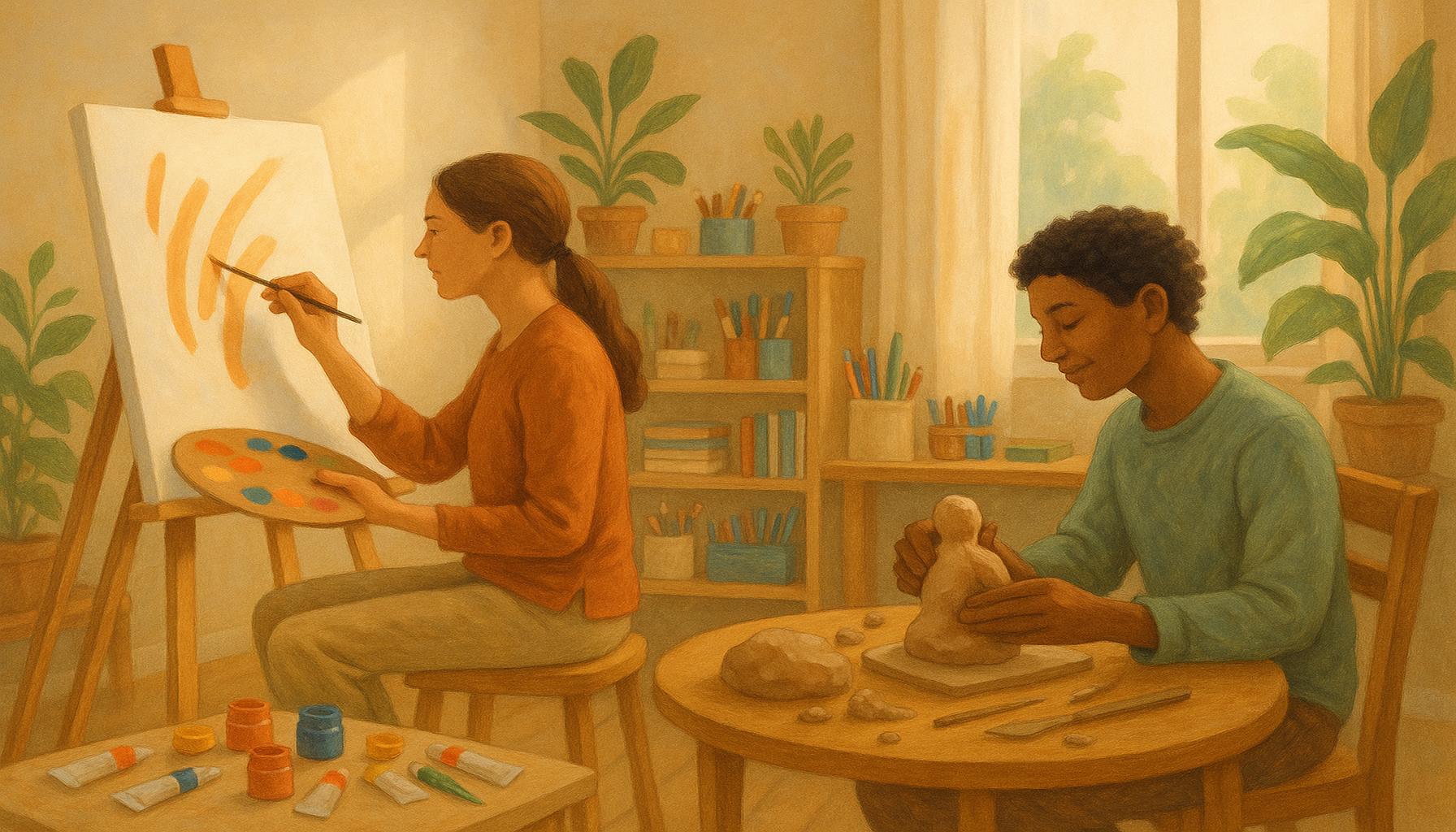
Throughout history, art has served as a profound vessel for personal expression, enabling individuals to convey their deepest emotions and thoughts in ways that often surpass verbal communication. From the vibrant strokes of colors in a painting to the haunting melodies of a song, artistic projects create a unique platform for creativity that resonates with both the artist and the audience.
Consider how various art forms can act as transformative tools:
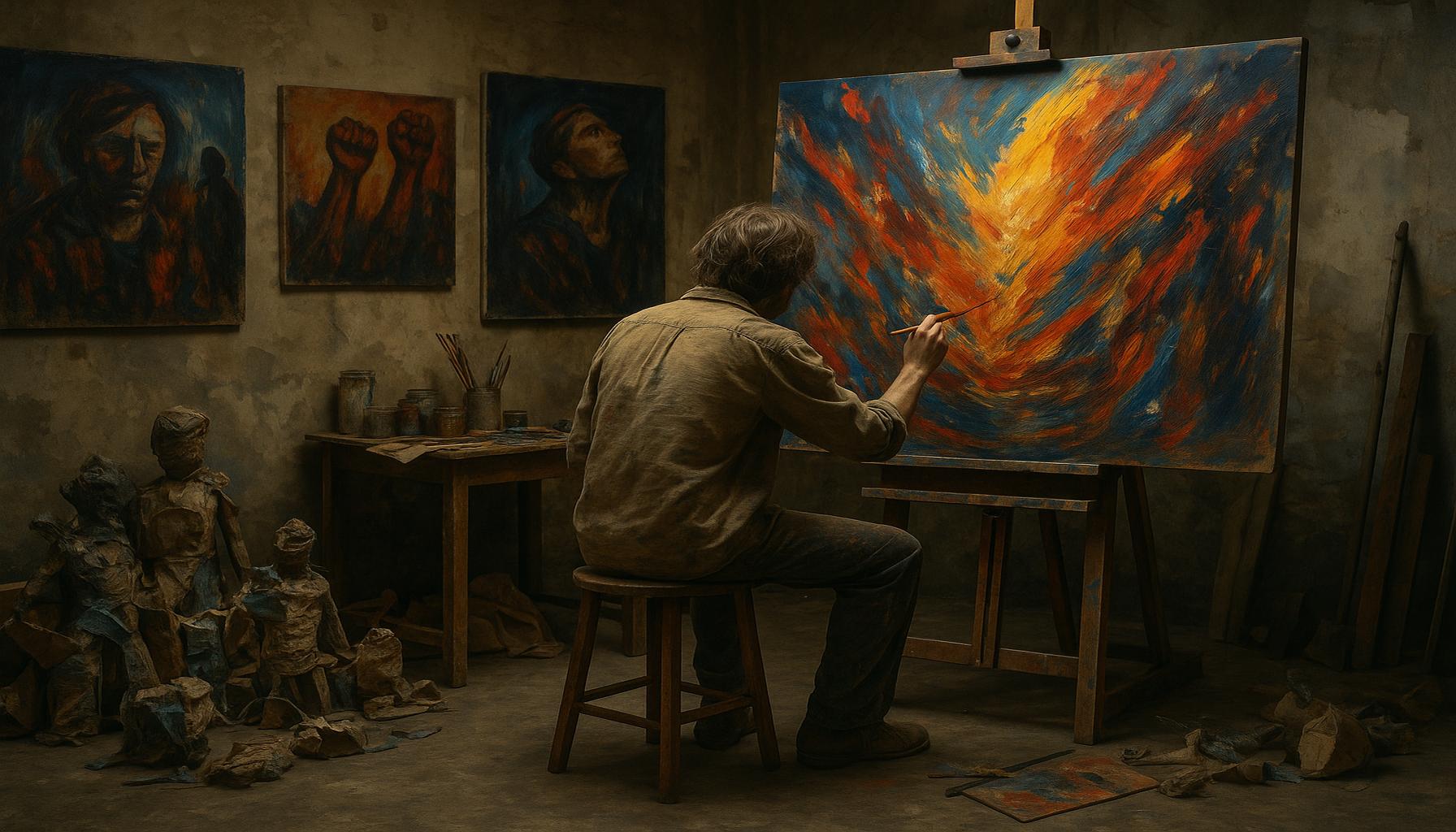
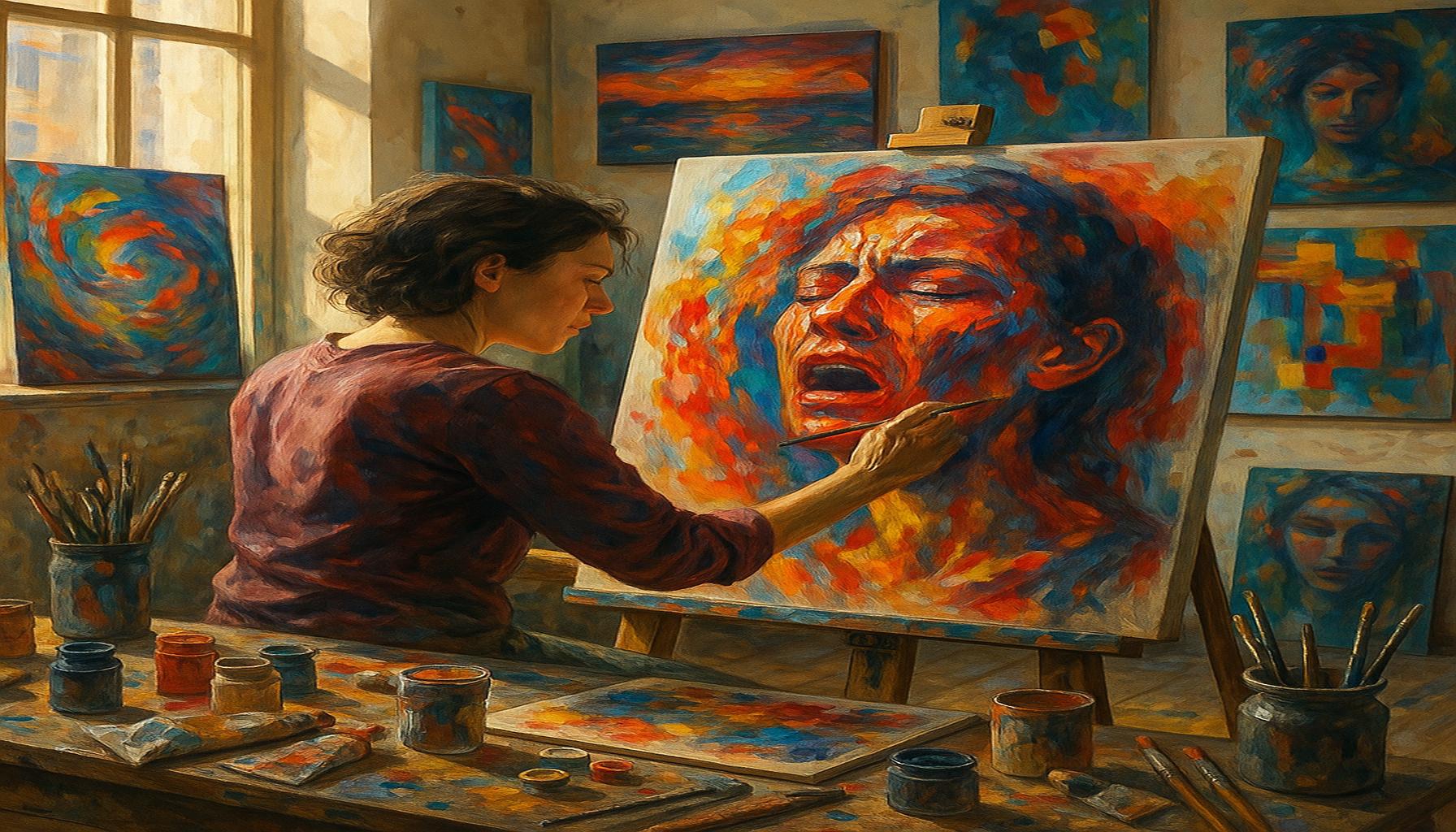
- Emotional Release: Engaging in artistic activities allows individuals to express feelings that may be too complex or painful to articulate. For instance, someone who has experienced loss might find solace in painting or writing, using the medium to express their grief. The act of creating can provide an outlet for intense emotions, serving not just as a distraction but as a form of catharsis.
- Self-Discovery: Art is often a path to self-awareness, with many individuals uncovering hidden aspects of themselves through the creative process. An artist might discover an innate talent for sculpting while trying to express a personal narrative, leading to newfound confidence and a deeper understanding of their identity. The fusion of self-exploration and creativity stimulates personal growth, unveiling layers of the self that had been obscured.
- Connection with Others: Art has the power to forge connections as individuals share their work and experiences, fostering a sense of community. Art shows—whether local exhibitions or themed galleries—provide a space where diverse people can come together to appreciate, discuss, and engage with each other’s creations. Such shared experiences can nurture friendships and enhance social bonds.
The exploration of one’s emotions through art can lead to significant personal growth and healing. Many people in the United States have turned to art therapy, a practice that integrates artistic expression with psychological treatment, as a way to cope with life’s challenges. Through this method, individuals transform pain into beauty, revealing the essential role art plays in mental health. For example, community art programs in urban areas often focus on providing outlets for at-risk youth, allowing them to express their struggles and aspirations through murals and music.
By delving deeper into the connection between artistic expression and emotional well-being, we gain insights into how creative endeavors can reframe our perspectives and enhance our overall quality of life. The journey into art is not merely a pursuit of aesthetics but can also become a conduit for healing and self-actualization. Whether you paint, write, play an instrument, or engage in any other form of creativity, you are participating in a powerful tradition that has shaped human experience across cultures and centuries. Embrace the journey and discover the profound impacts that engaging with art can have on your life.
DIVE DEEPER: Click here to learn more about the connection between literature and visual art</
The Transformative Power of Artistic Expression
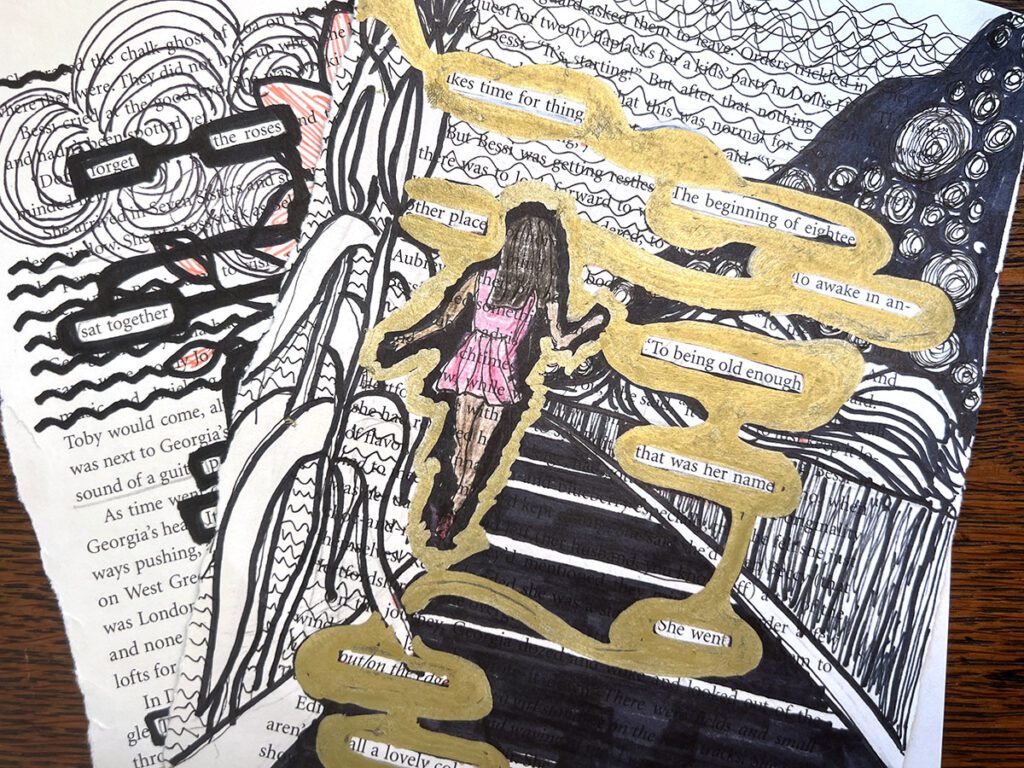
Art is not merely a reflection of the world around us; it is a profound means of transforming emotions into creativity. This transformative power lies in art’s ability to articulate feelings that may remain unspoken, converting the chaos of our inner experiences into something tangible and shareable. Whether through visual art, music, dance, or writing, the creative process enables individuals to articulate their emotional landscapes, often leading to breakthroughs that enhance emotional health and personal understanding.
One of the most significant aspects of engaging with art is the healing potential it offers. Numerous studies suggest that artistic expression can serve as a therapeutic tool, particularly for those grappling with mental health challenges. For instance, creative writing workshops have gained popularity in therapeutic contexts, giving participants the chance to express and process their experiences through storytelling. This method not only aids in emotional release but also fosters resilience, as individuals learn to navigate their feelings and experiences through narrative. Programs like these have seen a profound impact in communities across the United States, empowering people to reclaim their stories amid adversity.
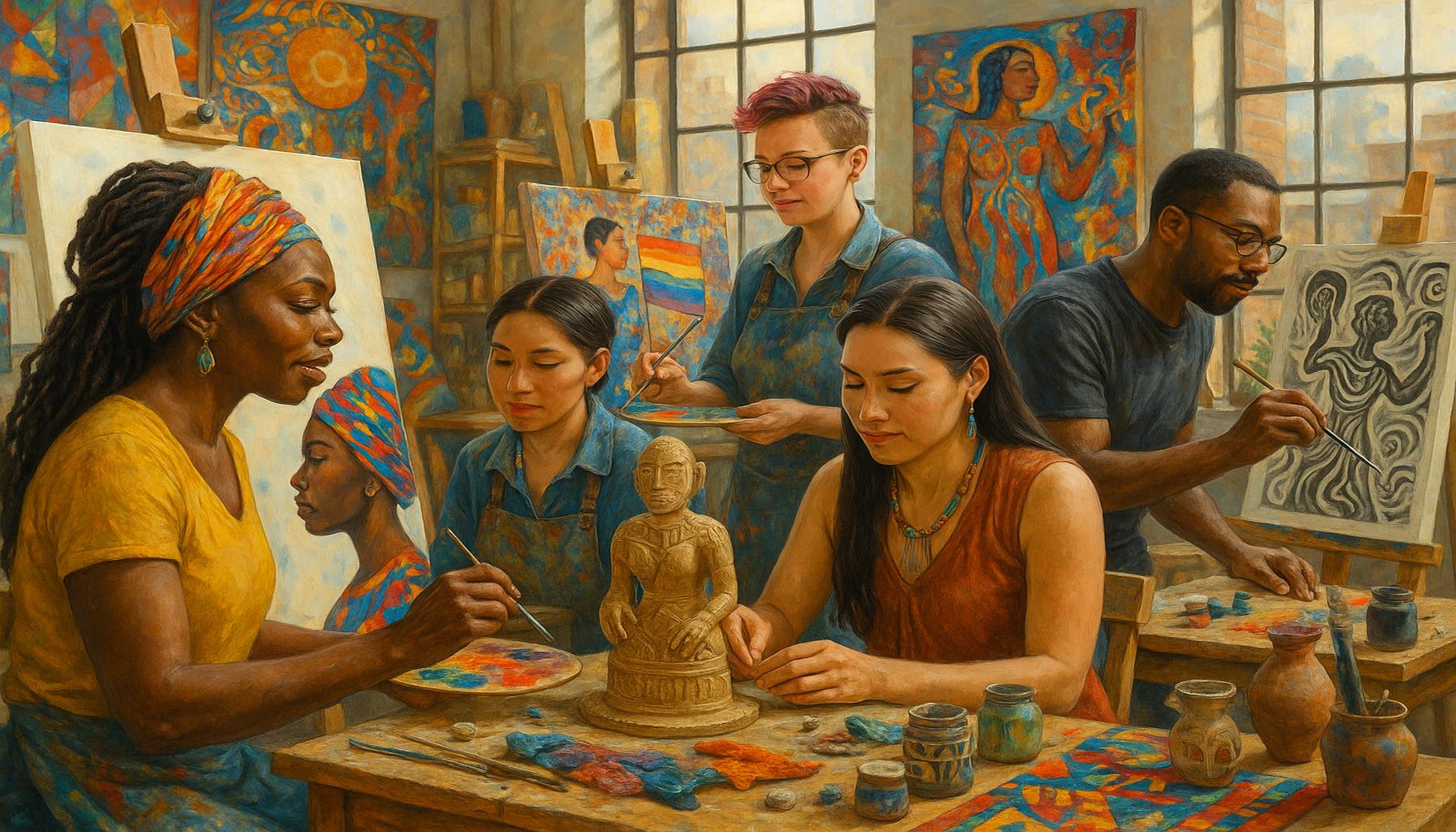
Moreover, artistic projects often create a sense of belonging and shared identity. Community art initiatives, such as mural painting and collaborative installations, invite participants from diverse backgrounds to contribute their views and experiences. These collective endeavors cultivate a rich tapestry of voices, allowing individuals to feel a strong sense of connection not only to their craft but also to their peers. By coming together to create, participants strengthen their community bonds while promoting an understanding of each other’s narratives, fostering empathy and support within the group.
Benefits of Artistic Expression on Emotional Well-being
The benefits of immersing oneself in art extend beyond mere enjoyment; they play an essential role in personal development and emotional well-being. Here are several vital benefits that artistic expression provides:
- Stress Relief: Engaging in creative activities can serve as a calming retreat from everyday pressures. The act of painting, drawing, or composing music allows individuals to enter a meditative state, thereby alleviating stress and anxiety.
- Increased Self-Esteem: Completing an artistic project fosters a sense of achievement and enhances self-worth. As individuals create and refine their work, they build confidence in their abilities, laying the groundwork for future creative endeavors.
- Emotional Regulation: Art encourages individuals to explore the spectrum of their emotions, allowing them to recognize and understand their feelings better. This enhanced emotional intelligence can lead to improved interpersonal relationships.
- Enhanced Communication Skills: Whether through visual narratives or lyrical writing, artistic expression enhances an individual’s ability to communicate thoughts and feelings more effectively, enriching their interactions with others.
Ultimately, embracing art as a form of personal expression empowers individuals to transform their emotional experiences into creativity. Through artistic projects, people are not just creating; they are embarking on a journey of self-discovery, healing, and connection, reinforcing the importance of art in shaping the human experience. As we delve deeper into the intersection of art and emotional well-being, it becomes increasingly evident that this relationship is fundamental to personal growth and fulfillment.
| Artistic Expression | Transformative Power |
|---|---|
| Therapeutic Benefits | Artistic projects serve as a therapeutic outlet, helping individuals process complex emotions. |
| Enhanced Creativity | Engaging in art can spark creativity, leading to innovative solutions in both personal and professional life. |
| Emotional Release | Creating art provides a safe space for emotional release, allowing for healing and personal growth. |
| Community Connection | Art fosters connections with others, creating opportunities for dialogue and shared experiences. |
Art not only serves as a reflection of our inner world, but it also builds bridges to our emotional core. For many, the act of creating can transform anxiety and stress into tangible forms of expression. Recent studies show that engaging in artistic practices can reduce symptoms of depression and improve overall mental health, reiterating the importance of art in personal expression. Art becomes a haven where feelings can be communicated without the constraints of traditional language, allowing individuals to explore their deepest emotions freely. This exploration not only benefits the creator but can also resonate with others, sparking a shared understanding that can foster deeper connections. Moreover, through community art projects or collaborative initiatives, individuals can discover a sense of belonging, breaking down social barriers and promoting inclusivity. Artistic expression, therefore, emerges as a powerful tool for transformation, capable of reshaping perceptions and instigating change within both the individual and the community. The impact of art is profound and far-reaching, making it a vital component in our pursuit of emotional balance and creative fulfillment.
DISCOVER MORE: Click here to unlock the art of storytelling through scrapbooking
Art as a Vehicle for Personal Growth
Artistic expression often serves as a gateway to profound personal growth and self-awareness. Engaging in artistic projects allows individuals to delve deeper into their psyche, unearthing layers of emotion that may have been buried due to societal expectations or personal inhibitions. For example, the practice of expressive art therapy has been increasingly recognized in the United States for its ability to facilitate personal insight and emotional processing. According to the American Art Therapy Association, individuals participating in art therapy often experience greater self-acceptance, improved emotional regulation, and a deeper understanding of their inner conflicts.
In recent years, there has been a surge of interest in utilizing art as a coping mechanism for trauma. Programs such as “Art Against Trauma” have emerged, providing safe spaces for survivors to express their pain and resilience through various art forms. These projects not only empower participants to confront their experiences, but they also promote healing by transforming painful memories into creative expressions. The act of creating art becomes a form of catharsis, allowing individuals to reclaim their narratives and foster a sense of agency over their stories.
Art in the Digital Age: New Horizons for Expression
The rise of digital platforms has revolutionized the way individuals engage with art and personal expression. With social media channels and online communities, artists can share their work, connect with others, and receive immediate feedback, fostering a sense of belonging and validation. This democratization of art allows for diverse voices to emerge, reflecting a broader spectrum of experiences and emotions. For instance, the hashtag #BlackArtistsMatter on platforms like Instagram has not only highlighted the contributions of Black artists but has also created a space for discussions around racial identity and the emotional impact of social issues.
Moreover, virtual collaborations have enabled artists from varied geographical locations to come together, sharing their emotional stories and enhancing their creative processes. These collaborations can take various forms, from online art challenges to collective multimedia installations, showcasing the transformative power of digital art in cultivating community and personal expression.
Art Education: Fostering the Next Generation of Creative Thinkers
While the therapeutic aspects of art are widely acknowledged, it is also crucial to recognize the role of art education in nurturing future generations’ emotional intelligence and creative capabilities. Schools across the United States are increasingly integrating arts education into their curriculums, recognizing its value in developing critical thinking and emotional skills. Programs like “The Arts for Academic Achievement” initiative in New York City have demonstrated that incorporating arts into education significantly enhances students’ academic performance and emotional well-being.
Furthermore, exposing children to art from an early age fosters resilience, adaptability, and a strong sense of identity. Artistic projects encourage children to experiment and take risks in a safe environment, which not only boosts their creativity but also instills a lifelong appreciation for self-expression. As these children grow into adults, their foundational experiences in the arts can lead to a more profound understanding of their own emotions and the world around them, ultimately making art an invaluable aspect of personal expression throughout life.
DIVE DEEPER: Click here to explore the journey of poetry
Conclusion: The Transformative Power of Art in Personal Expression
In a world where the complexities of human emotions often go unvoiced, art serves as a powerful conduit for personal expression and transformation. Through various artistic projects, individuals are not only able to articulate their feelings but also embark on a journey of self-discovery and healing. From the therapeutic benefits of art therapy to the expansive reach provided by digital platforms, the avenues for creative expression have never been more accessible, allowing diverse voices to resonate and flourish.
Moreover, as art education gains momentum in schools across the United States, the implications for young minds are profound. By cultivating an appreciation for art from an early age, we nurture future generations of creative thinkers equipped to navigate their emotions and the world around them. These early experiences lay the groundwork for lifelong engagement with self-expression, transforming challenges into creative solutions and fostering resilience.
The impact of art on personal expression is multi-faceted, continually evolving to meet the needs of individuals across different backgrounds and experiences. Embracing art as a means to process emotions fosters not only healing but also community connections and cultural understanding. Therefore, it is essential for society to prioritize and support artistic endeavors in all forms, ensuring that the transformative potential of art remains a thriving part of the human experience. In essence, artistic expression is not just an outlet; it is a vital component of our emotional landscape, helping us turn raw emotion into creativity, and ultimately, a deeper connection to ourselves and one another.