The Future of Digital Art: Exploring the Boundaries between Creativity and Technology with NFTs and Augmented Reality
Innovative Changes in the Digital Art Landscape
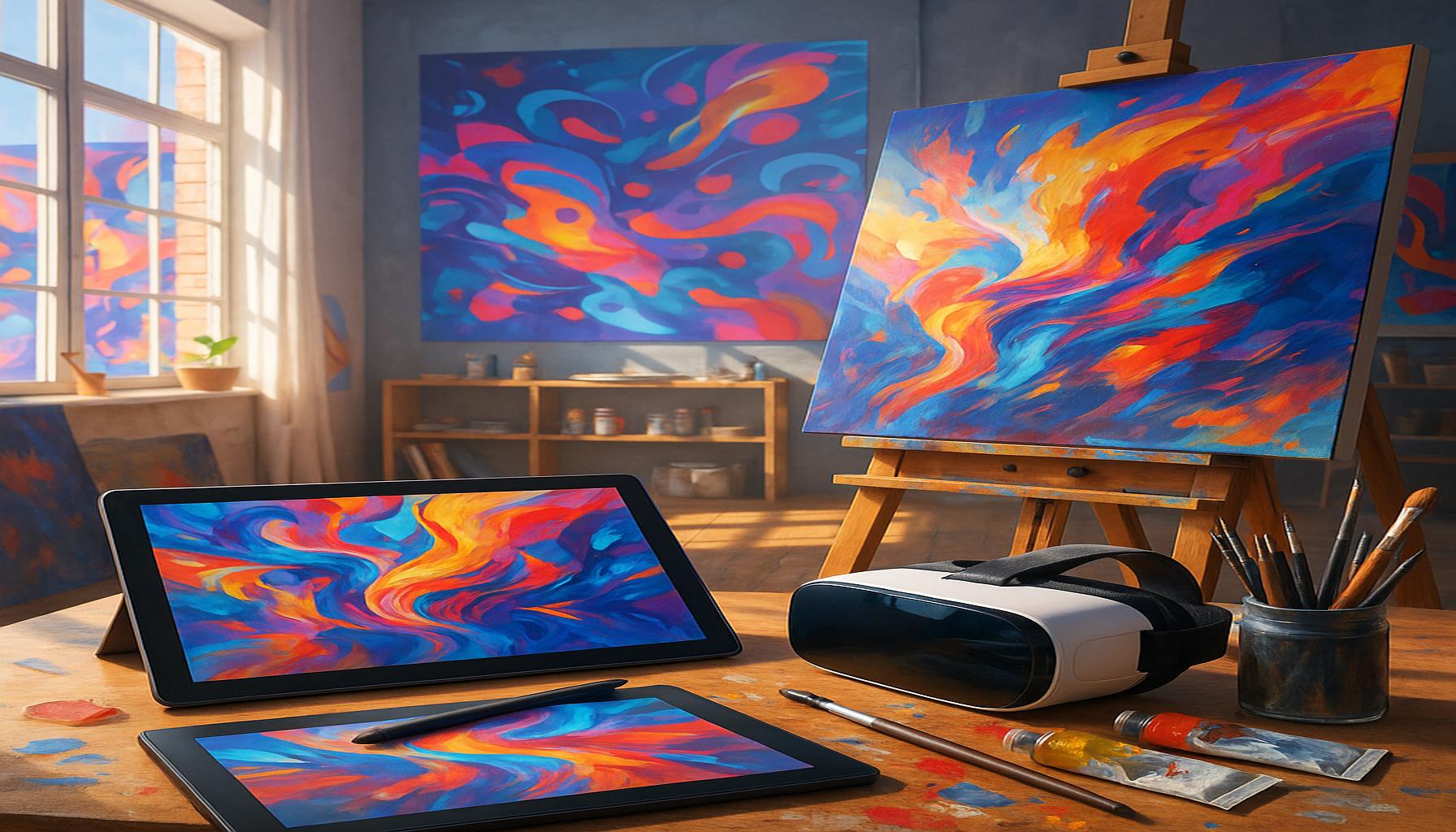
As we navigate through this rapidly evolving technological age, the fusion of creativity and technology redefines the essence of art. Digital artists are at the forefront of this revolution, harnessing tools that were unimaginable just a decade ago. Among the most notable developments are non-fungible tokens (NFTs) and augmented reality (AR), which are dramatically reshaping how art is created, perceived, and owned.
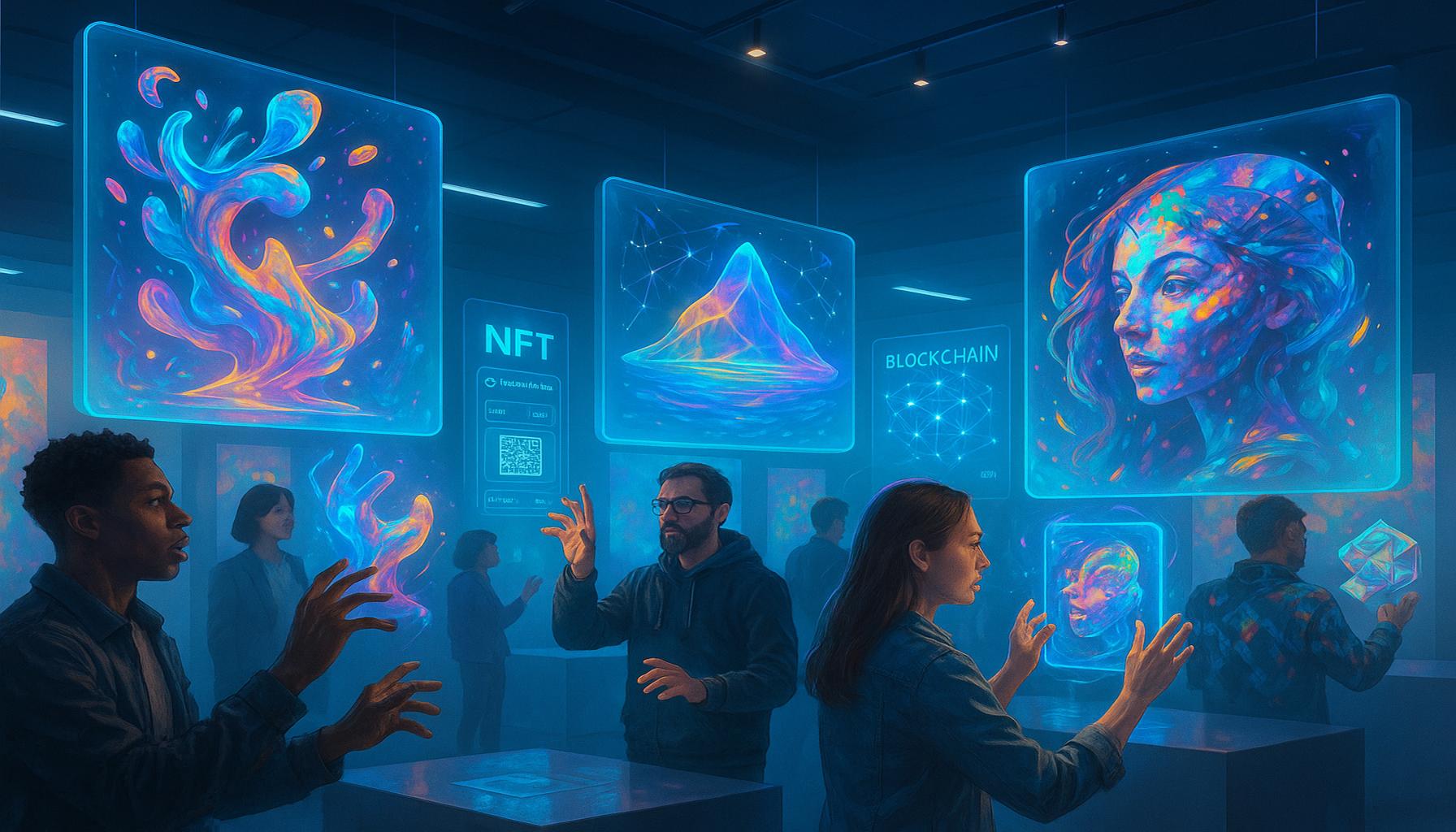
One of the most revolutionary aspects of this transformation is the emergence of NFTs. These unique digital tokens allow artists to sell their works directly to consumers while providing verifiable ownership and authenticity. An excellent example of this is the digital artist Beeple, whose NFT artwork sold for a staggering $69 million in March 2021. This unprecedented sale underscored the value collectors now see in digital art, blurring the lines between traditional art forms and their digital counterparts. Furthermore, NFTs empower artists by eliminating middlemen and enabling them to receive royalties on secondary sales, a game-changing development for many creators.
Meanwhile, augmented reality (AR) is enabling artworks to transcend the limitations of physical galleries. Artists can now create immersive experiences that engage audiences more deeply than ever before. For instance, platforms like Artivive allow viewers to use their smartphones to interact with their surroundings and view animations or additional layers on a static piece of art. This innovative approach to storytelling provides both context and an interactive experience, captivating audiences in new and unexpected ways.
Additionally, the digital art sphere boasts a global reach that is unprecedented. Artists can now showcase their work to a worldwide audience, allowing diverse voices and viewpoints to emerge. A small-town artist from Kansas can now have their work displayed alongside established names in New York or London, effectively democratizing the art world. This access fosters innovation and collaboration, as artists from different cultures can inspire one another and create hybrid forms of art.
The ramifications of these advancements ripple through the entire art ecosystem, impacting collectors and enthusiasts alike. The concept of digital ownership is upending traditional notions of value and provenance in the art world. As consumers become more comfortable with these technologies, they are learning to appreciate and invest in digital art, marking a significant cultural shift.
As we continue to explore these dynamic trends, the future promises a bold new frontier for digital art. The blend of technology and creativity opens endless possibilities, leading us to an era where art exists not just to be viewed but experienced in profound and interactive dimensions. Join us on this journey of discovery as we delve deeper into this fascinating evolution.
DISCOVER MORE: Click here to dive into the world of scrapbooking
Redefining Ownership and Value in Digital Art
The landscape of digital art is undergoing a seismic shift, particularly regarding the concepts of ownership and value. With the rise of non-fungible tokens (NFTs), artists and collectors alike are grappling with new paradigms that challenge traditional definitions. An NFT represents ownership of a unique digital asset, creating a sense of scarcity in the digital realm, which was previously elusive. This has opened doors for artists to monetize their work in ways they couldn’t before, making it possible for digital pieces to be sold at auction houses alongside celebrated artists from history.
In the United States, renowned auction venues like Sotheby’s and Christie’s have begun regularly featuring NFT art, legitimizing the market and attracting a new class of digital collectors. The overwhelming success of NFT sales has sparked a revolution, but it also brings forth challenges. Artists must now navigate intellectual property issues, digital piracy, and the volatile nature of the market. This unprecedented growth may lead to market saturation, leaving artists to distinguish their work in a sea of digital noise.
Nevertheless, the appeal of NFTs cannot be overstated. Some key aspects driving their popularity include:
- Provable Ownership: The blockchain technology behind NFTs enables artists to prove authenticity and ownership, which reduces the risk of fraud.
- Royalties: Artists can embed smart contracts that guarantee them a percentage of future sales, providing continuous income streams as their work appreciates in value.
- Community Engagement: NFT platforms often foster close-knit communities, where artists and collectors can interact, collaborate, and support each other.
As artists continue to explore these opportunities, they are also confronting the question of how to maintain their artistic integrity. The ease of access to digital distribution can sometimes lead to a “race to the bottom” in terms of quality. This dilemma raises essential questions for the future of digital art: Will the focus shift from artistic motivation to financial gain? Or can artists authentically engage in this new medium without compromising their creative vision?
Meanwhile, the integration of augmented reality (AR) is pushing the boundaries of how digital art is created and experienced. AR allows artists to add dynamic layers to their works, inviting audiences into a more immersive engagement. For instance, the platform ARKit developed by Apple enables artists to incorporate engaging animations into their artworks, making it possible for users to experience art in real-time and space. This evolution reflects a new era of storytelling that transcends traditional formats and invites viewers into a shared experience.
As we observe the interplay between NFTs and AR in the digital art sphere, the relationship between technology and creativity grows even more intertwined. The challenge lies in ensuring that as the art form evolves, it remains accessible and uplifting for everyone involved. The coming years will undoubtedly be pivotal, as artists, technologists, and collectors navigate this uncharted territory, collectively shaping the future of digital art.
While the integration of technology in art has transformed the landscape, it is essential to consider the implications and emerging advantages offered by innovations such as NFTs (Non-Fungible Tokens) and Augmented Reality (AR). These technologies not only redefine how art is created and experienced but also expand the boundaries of creativity itself.NFTs, for instance, have revolutionized ownership in the digital realm. Artists can tokenize their work, ensuring that each piece has a unique digital certificate of authenticity. This enhances value and provides artists with the opportunity to profit from their work significantly. The blockchain technology underpinning NFTs ensures transparency and security, fostering trust within the art community. Additionally, artists can benefit from royalties every time their work is resold, which wasn’t possible before. This creates an ongoing revenue stream that was previously unavailable in traditional art markets.On the other hand, Augmented Reality provides immersive experiences, allowing audiences to engage with art beyond traditional viewing methods. By using AR, artwork can be displayed in various environments, giving viewers a sense of presence and interaction. This technology lets creators add layers of information and interactivity to their pieces, streamlining the storytelling aspects and enhancing audience engagement. In essence, these tools exemplify how technology can elevate creative expression while paving the way for new business models and marketing strategies for artists. As the fusion of creativity and technology continues to evolve, it will undoubtedly foster a more dynamic and inclusive art ecosystem. By leveraging these advancements, artists not only cater to a wider audience but also challenge conventional ideas about artistry and ownership, encouraging a deeper appreciation for digital creations.To facilitate a better understanding of the advantages offered by NFTs and AR, the following table provides an organized overview of their key features and benefits:
| Category | Key Features / Benefits |
|---|---|
| NFT Ownership | Secure and verifiable ownership through blockchain technology enhances trust and value. |
| Royalty Opportunities | Ongoing revenue from resales allows artists to earn continuously from their creations. |
| Augmented Reality | Interactive and immersive experiences transform how audiences engage with artwork. |
| Expanding Audiences | Wider accessibility fosters inclusivity and challenges traditional art boundaries. |
As we continue to explore the intersection of art, technology, and commerce, it becomes increasingly clear that the future of digital art is bright, inviting artists and audiences alike to embrace these innovative paradigms.
DIVE DEEPER: Click here to discover more
Unleashing Creativity through Technology
As digital art progressively interlaces with cutting-edge technologies like augmented reality (AR), artists are discovering a myriad of ways to express their creativity far beyond traditional mediums. The incorporation of AR allows artists to bridge the gap between the digital and physical worlds, engendering experiences that are not only visually appealing but also innovative and interactive. This dynamic form of art offers audiences immersive narratives where static images transform into vibrant, animated spectacles, inviting viewers to engage in a multidimensional dialogue.
For example, artists like Katherine Lynn have adopted AR to revolutionize their work, creating installations that react to viewers’ movements or environment. Using mobile applications, patrons can step into a space and see their artistic expressions come to life, whether it be through enhancing a mural with additional layers or providing contextual digital storytelling. Such innovations do not just captivate but challenge how audiences understand and appreciate art. The intimacy of exploring these creations through a smartphone or AR glasses enhances the experience, making it personal and interactive.
Moreover, the marriage of NFTs and AR makes art feel more lifelike and physically tangible. Artists now have the power to mint unique art pieces that exist in both digital and augmented realms—an NFT bestowing ownership while AR enables an engaging display. This duality grants collectors the excitement of not merely possessing a digital file but experiencing their investment in a way that feels authentic and lively. The Floating Duck Project, for instance, allows users to incorporate digital pets in their physical spaces, emphasizing how AR can infuse joy and whimsy into everyday life through ownership of NFTs.
However, the exploration of these new technologies is not without its pitfalls. As the boundaries of creativity expand, artists face a growing pressure to constantly innovate and remain relevant in an ever-evolving market. This dynamic creates a legitimate concern about the sheer pace of change outstripping the development of the essential skills required to harness these technologies effectively. In a report by Art Basel, it was noted that while many artists are enthusiastic about adopting new technologies, there remains a knowledge gap for some. Consequently, professional development and education programs must keep pace with technological advancements to empower artists adequately.
- Accessibility of Tools: Platforms like Procreate and Spark AR offer affordable avenues for new artists to experiment with digital mediums without incurring hefty financial burdens.
- Collaborative Potential: Digital canvases can enable collaboration across varying art forms and disciplines—musicians, graphic designers, and visual artists can all share space seamlessly, leading to unique synergies.
- Environmental Considerations: As concerns about NFT energy consumption rise, emerging eco-friendly blockchain alternatives are gaining traction, ensuring artists can engage responsibly with new technology.
As we venture further into this digital renaissance, the intertwined futures of art, creativity, and technology may yield revolutionary models of expression. The challenge remains for artists to navigate the complexities of this evolving landscape while fostering artistic innovation. By leveraging the capabilities offered by NFTs and AR, the future of digital art beckons with immense potential to reshape narratives, broaden accessibility, and create unprecedented connections between artists and their audiences.
DISCOVER MORE: Click here to learn how to create unforgettable characters
Conclusion
In conclusion, the future of digital art is undeniably intertwined with the rapid advancements in technology, particularly with the integration of NFTs and augmented reality (AR). The landscape of creativity is undergoing a profound transformation, allowing artists to explore new realms of expression that challenge conventions and enhance audience engagement. This evolution is not merely about the tools and frameworks but also about the very essence of how art is perceived and interacted with in contemporary culture.
The adoption of NFTs empowers artists by providing an authentic ownership experience for collectors, while AR introduces an immersive layer that breathes life into art. The combined synergy of these technologies could redefine how stories are told and shared in our increasingly digital world, fostering deeper connections. However, as this frontier expands, artists must also navigate challenges, such as the rapid pace of technological change and the need for continuous skill development.
Furthermore, the accessibility of digital art tools and platforms democratizes creativity, inviting a broader demographic to engage with and contribute to the community. As artists of all backgrounds harness these innovations, the potential for collaborative works and environmentally conscious practices grows, shaping a more sustainable future. Ultimately, exploring the boundaries of creativity and technology promises to create a richer, more dynamic art ecosystem that challenges perceptions and promotes inclusivity.
The journey ahead is filled with possibilities as we continue to witness the transformation of digital art. Every stroke of creativity blended with technology pushes the boundaries further, inviting both artists and audiences alike to delve into this vibrant, ever-evolving artistic landscape.