The Role of Artistic Communities: How Collaborations and Support Groups Encourage Creative Growth
The Importance of Artistic Communities
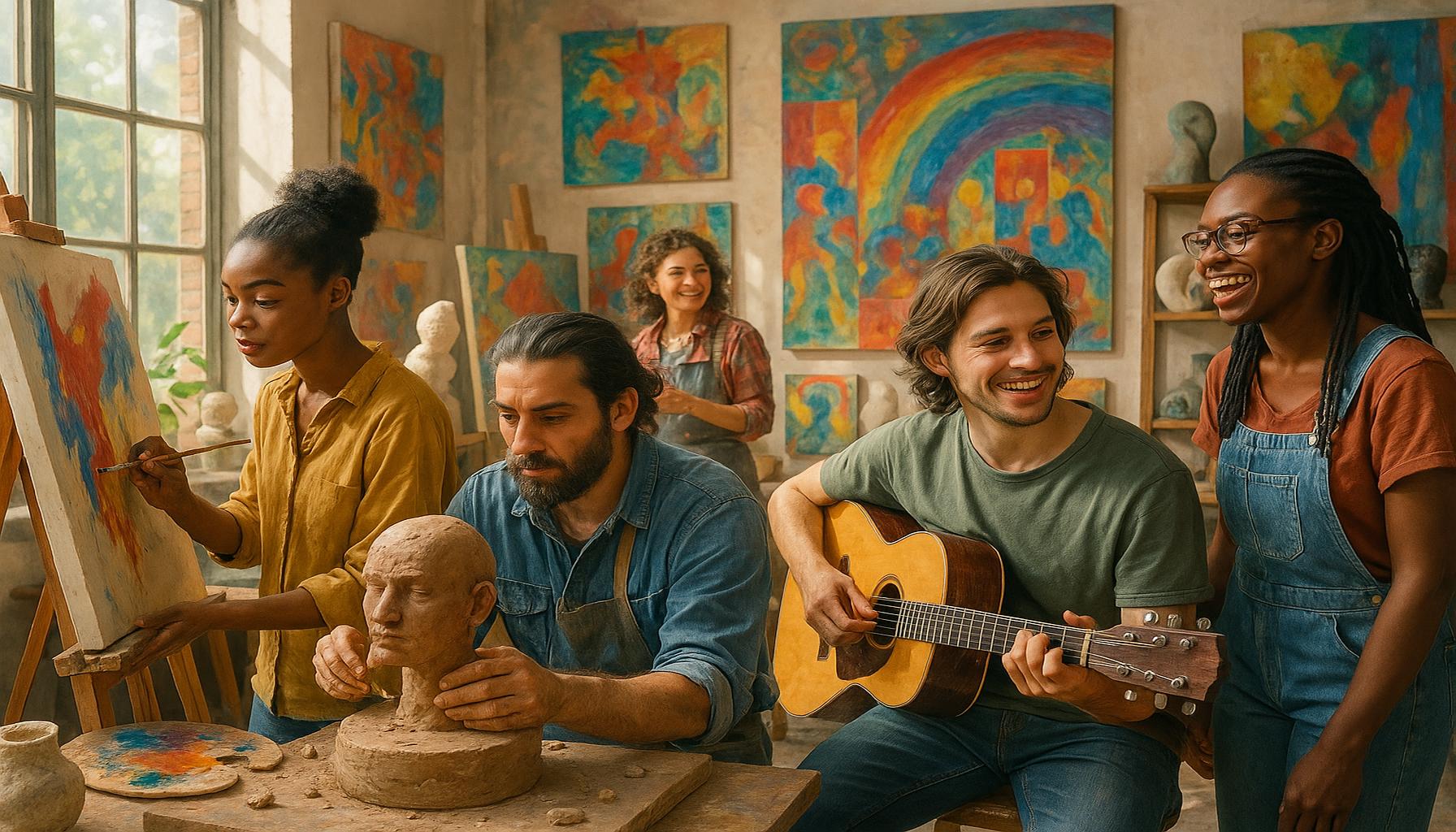
Artistic communities are essential incubators for creativity, functioning as dynamic environments where artists can explore, innovate, and inspire one another. In these vibrant networks, individuals find a sense of belonging that not only fosters their artistic growth but also enhances their emotional resilience. Being in the company of like-minded creatives allows artists to embrace their journeys and tackle the inevitable challenges of the artistic process.
Consider the ways in which creative growth is significantly influenced by community engagement:
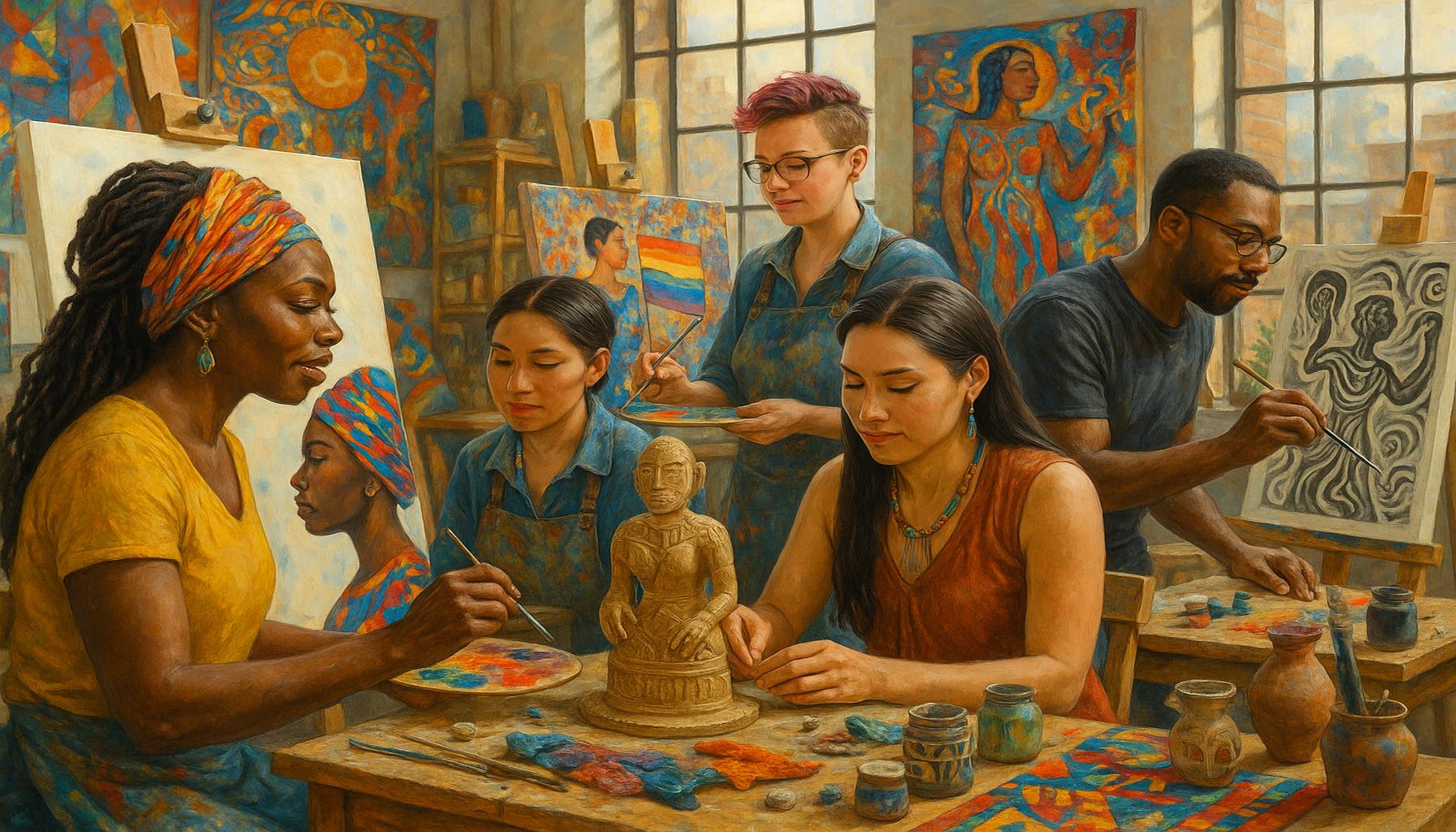
- Collaborative Projects: Engaging in joint ventures can open new dimensions of artistic expression. For example, groups of artists may come together to create a mural that combines various styles and techniques. Such collaborations encourage outside-the-box thinking and bring unique viewpoints into a project, allowing for richer and more textured work than what could be achieved individually.
- Support Groups: Emotional support is invaluable for artists, especially during the highs and lows of their creative journeys. Artist collectives often establish support networks where individuals share not just their successes but also their failures and fears. This open dialogue can be crucial when facing creative blocks or self-doubt, as hearing others’ experiences may encourage perseverance.
- Networking Opportunities: Artistic communities create fertile grounds for networking with both fellow artists and industry professionals. Participating in local art fairs or gallery openings can lead to collaborations that may never have occurred otherwise. For instance, many successful artists in cities like Los Angeles or New York credit their opportunities to showcase their work to connections made at community events.
Moreover, the visibility gained through community involvement cannot be understated. Artistic communities often organize a variety of events such as exhibitions, workshops, and open mic nights, providing platforms for artists to display their work. These activities help not only in honing their skills but also in securing recognition in the competitive art landscape. For example, a local gallery in San Francisco might host a themed exhibition that showcases emerging talent, offering artists a chance to gain exposure and attract potential buyers or collectors.
In conclusion, being part of an artistic community enables creators to redefine their potential and push the boundaries of their creativity. Whether through collaboration, emotional support, or crucial networking opportunities, artists stand to benefit immensely from engaging with one another. In an age where individualism often dominates, the collaborative spirit nurtured within these communities not only enhances artistic practices but also enriches the broader cultural landscape.
DIVE DEEPER: Click here to uncover more
Fostering Creativity through Collaboration
The power of collaboration within artistic communities goes beyond mere partnerships; it serves as a catalyst for personal and professional transformation. Artists drawn together for a shared purpose can explore new forms, break traditional boundaries, and amplify their creative voices. One significant way in which this collaborative spirit manifests is through collective art projects, which not only beautify spaces but also foster a sense of unity among participants.
Consider community murals, a common form of collaboration seen in many urban areas across the United States. Artists often collaborate on these large-scale projects, contributing individual styles and techniques to create a cohesive piece that reflects the community’s identity. A recent initiative in Philadelphia showcased local artists who painted a vibrant mural depicting the city’s rich history and cultural diversity. Such projects not only enrich the tapestry of the community but also allow artists to challenge themselves creatively, refining their skills and discovering new methods of expression.
Moreover, engaging in collaborative art projects can lead to unexpected outcomes. For instance, an artist specializing in photography might team up with a painter and a sculptor to create a mixed-media installation that fuses their unique talents. Such interactions challenge participants to think outside the box, often resulting in artworks that are more dynamic and engaging than if they had worked in isolation. These experiences can be pivotal for an artist’s growth, fostering innovation that propels them forward in their individual practices.
The Role of Support Networks
In addition to collaboration, the role of support groups within artistic communities cannot be overstated. The emotional highs and lows that accompany the creative process can often feel isolating, but support networks provide a crucial outlet for artists to share their struggles and triumphs. Informal gatherings, workshops, or even online forums allow artists to connect, receive feedback, and reflect on their experiences with others who understand the challenges of the artistic journey.
Research has shown that sharing creative challenges can significantly reduce feelings of isolation and anxiety among artists. For example, many support groups host regular “critique nights,” during which participants provide constructive feedback on each other’s work. This practice not only builds critical skills but also fosters a sense of community. Artists learn to celebrate one another’s successes while also navigating failures as a collective, thereby normalizing the ups and downs inherent in artistic careers.
- Promotes Emotional Well-being: Regular interaction with peers can alleviate feelings of loneliness, bolstering overall mental health.
- Encourages Accountability: Art groups often set collective goals, encouraging members to stay productive and inspired.
- Facilitates Skill Development: Learning from others’ experiences can provide new perspectives and techniques that can boost individual practice.
Ultimately, the interconnectedness offered by artistic communities shows that growth is not merely an individual pursuit, but a symbiotic process enriched by collaboration and support. Artists who actively engage within these networks not only enhance their personal creative abilities but also contribute to a richer cultural landscape that benefits all.
The Power of Collaborations
The dynamic environment fostered by artistic communities significantly enhances individual and collective creativity. When artists collaborate, they combine diverse perspectives and skill sets, leading to innovative projects that may not have been possible in isolation. This intersection of ideas sparks new creative pathways, enabling artists to push boundaries and experiment with novel techniques. Participants in such collaborations often report a notable increase in motivation and inspiration. Sharing the creative journey with others provides a sense of accountability, encouraging artists to remain committed to their work. Furthermore, the exchange of constructive feedback within supportive groups can improve the quality of their art and help them refine their craft. Artistic communities also offer invaluable resources, from workshops and mentorship opportunities to exhibitions and funding advice. These resources serve not only to nurture talent but also to provide essential support mechanisms, ensuring artists can dedicate themselves to their creative pursuits without the stress of financial instability.
Building Support Networks
Support groups within artistic communities play a crucial role in emotional and psychological well-being. The creative process can be isolating, often filled with moments of self-doubt and rejection. Being part of a supportive network helps artists navigate these challenges, offering encouragement and validation which can be pivotal to their growth.Moreover, the sense of belonging within these communities fosters a healthy conversation around mental health in the creative sector. By normalizing discussions about struggles related to creativity, artistic communities contribute to a more open atmosphere, where the stigma surrounding mental health can diminish, allowing artists to thrive both personally and professionally.In essence, artistic communities act as breeding grounds for creativity, providing not just the tools and resources needed for artistic development but also a vital support system that nurtures emotional resilience and collective growth. This collaborative environment can lead to the emergence of vibrant art movements, pushing cultural boundaries and enriching society as a whole. To further explore the intricacies of artistic communities and their impact, consider joining local support groups or programs that align with your artistic interests. Being a part of these networks can transform not just your craft, but your entire artistic journey.
DISCOVER MORE: Click here to delve into creative projects
Enriching Artistic Practices through Mentorship and Learning
Another crucial aspect of artistic communities is the element of mentorship. Emerging artists often find themselves seeking guidance from seasoned professionals who can provide insights into the complexities of the art world. Mentorship programs, often fostered within communities, are designed to facilitate these relationships, allowing novice artists to glean knowledge and expertise while seasoned artists find fulfillment in guiding the next generation. This reciprocal exchange of ideas not only bolsters individual artistic practices but enhances the community as a whole.
For instance, organizations like Young Audiences Arts for Learning in the United States pair young, aspiring creators with established mentors, creating opportunities for hands-on experiences and learning through observation. Such partnerships can lead to the development of critical thinking skills and innovative methods, allowing mentees to absorb diverse perspectives and techniques that would otherwise escape them in isolation. This type of engagement nurtures an environment where both mentors and mentees benefit from learning—a dynamic that is invaluable for creative growth.
Workshops and Skill-Building Programs
Workshops and hands-on learning experiences provided by artistic communities serve as further platforms for evolving artistic practices. These events gather artists of various skill levels, creating an environment ripe for skill-building and experimentation. Often led by established artists, workshops provide participants with tools to explore new mediums and methods, challenging them to step outside of their comfort zones.
Programs such as those offered by the Creative Capital Foundation not only provide funding for artists’ original projects but also host skill development workshops that focus on business acumen and professional networking, thus bridging creative aspirations with practical knowledge. Attendees of such workshops report feeling more empowered to pursue their art, armed with both creative and strategic approaches. This impactful combination supports sustainable artistic careers and fosters resilience against the challenges faced by many in the industry.
- Collaborative Workshops: By participating in group workshops, artists can learn from each other’s experiences and techniques, driving collective growth.
- Access to Resources: Artistic communities often share access to studios, materials, and exhibition spaces, allowing artists to experiment freely.
- Diversity of Perspectives: Interaction with artists from various backgrounds contributes to a richer and more textured understanding of creative expressions.
The integration of mentorship opportunities and skill-building workshops within artistic communities amplifies the potential for creative exploration. When artists have the chance to learn from one another and exchange knowledge, they not only develop their individual practices but also contribute to a vibrant culture of shared learning and innovation. This synergy ultimately enhances the entire landscape of artistic creation, ensuring that the arts remain a dynamic and evolving field.
DISCOVER MORE: Click here to dive deeper
Conclusion
In summary, the influence of artistic communities on individual creativity and collective innovation cannot be overstated. Through mentorship and skill-building workshops, these communities cultivate environments where aspiring artists can flourish alongside established creators. The collaborative nature of artistic endeavors not only enhances personal practices but also weaves a rich tapestry of diverse perspectives that fuels the entire art ecosystem. It is within this supportive network that artists transform their ideas into tangible works while gaining essential skills to navigate the complexities of the art world.
Furthermore, as artistic communities continue to adapt and evolve, they increasingly embrace digital platforms and global networks, expanding their reach and resources. This dynamic connectivity allows for the exchange of ideas and techniques across geographical boundaries, enriching artistic expression and fostering a culture of continuous learning. As we witness the growing significance of these collaborative spaces, it becomes clear that investing in and nurturing artistic communities is vital for both individual artistic journeys and the broader cultural landscape.
- Support System: The connections formed within these communities act as a vital support system, helping artists overcome challenges and celebrate achievements.
- Innovation through Collaboration: Creative growth is often sparked by collaboration, where pooling talents leads to groundbreaking artistic practices.
- Empowerment and Advocacy: Strong artistic communities also advocate for the rights and needs of their members, amplifying voices that might otherwise go unheard.
Ultimately, the role of artistic communities is pivotal in shaping an environment that not only celebrates creativity but also fosters growth and resilience, ensuring the arts remain relevant and dynamic. As artists unite with purpose and passion, the potential for profound creative breakthroughs is limitless.