Art as Therapy: Psychological Benefits of Engaging in Artistic Activities
Unveiling the Therapeutic Benefits of Artistic Engagement
In an age where digital distractions frequently pull our attention in numerous directions, the value of traditional artistic activities has risen significantly. These activities, whether through painting, music, writing, or dance, provide a much-needed reprieve from the hustle and bustle of daily life. Psychological research consistently supports the notion that engaging creatively serves as an effective mechanism for emotional release, promoting healing and facilitating personal growth. Numerous studies have pointed to the profound impact that creative practices can have on overall mental health and emotional resilience.
Art as therapy becomes a vital link between human creativity and emotional healing. Below, we discuss several psychological benefits that emerge from engaging in artistic endeavors:
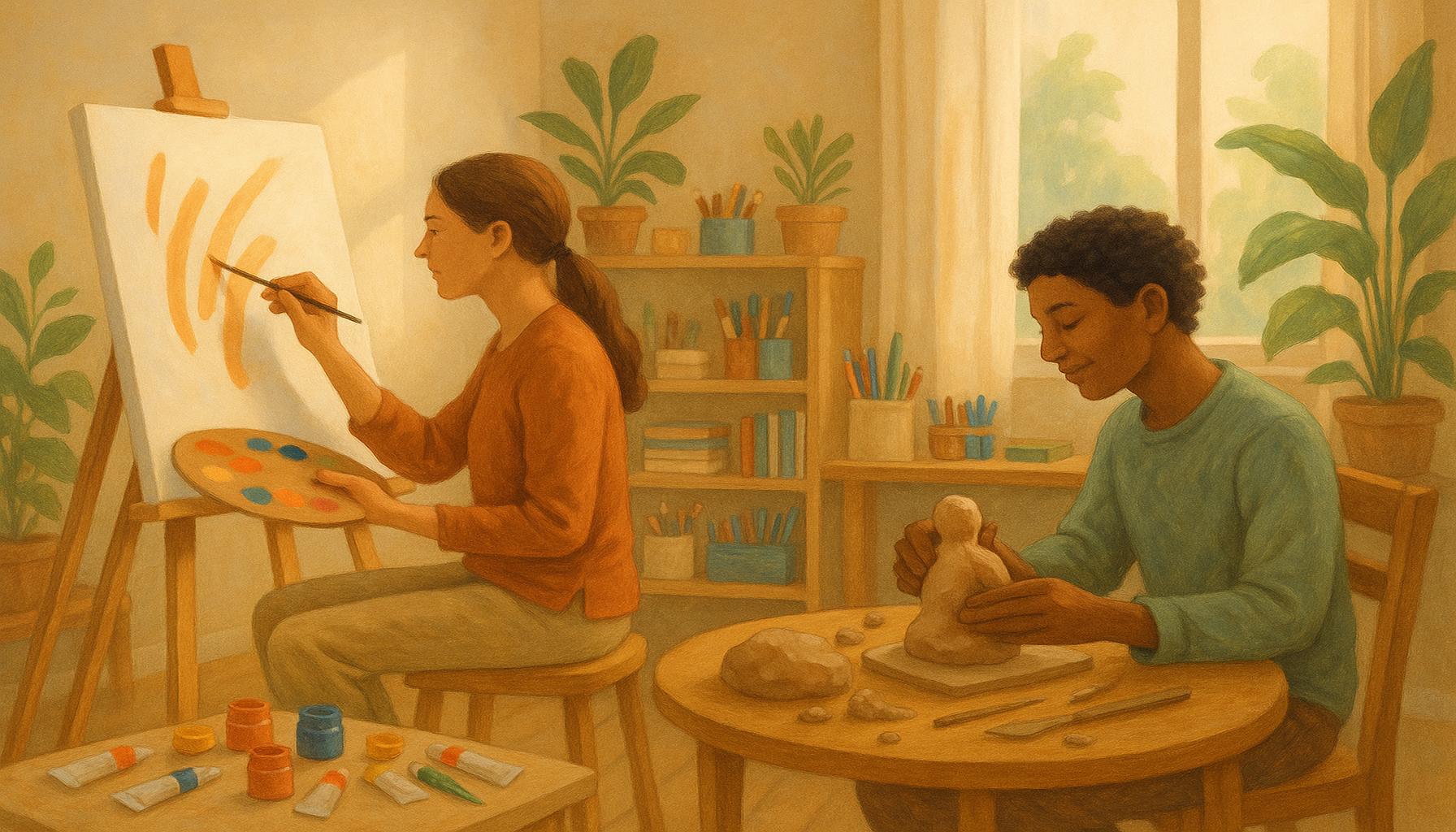
- Stress Relief: Studies have shown that participation in artistic activities can significantly lower cortisol levels, the hormone associated with stress. For instance, a participant in a community painting workshop may experience a marked reduction in anxiety after just a few sessions.
- Improved Mood: The act of creating art triggers the release of endorphins—natural chemicals in the brain that uplift mood and foster feelings of happiness. A simple act like doodling in a coloring book can ignite a wave of positivity.
- Enhanced Self-Expression: For many individuals, articulating emotions can be daunting. Art provides a nonverbal platform for people to convey complex feelings. For example, someone grappling with loss might find solace in creating a visual tribute or writing a poem.
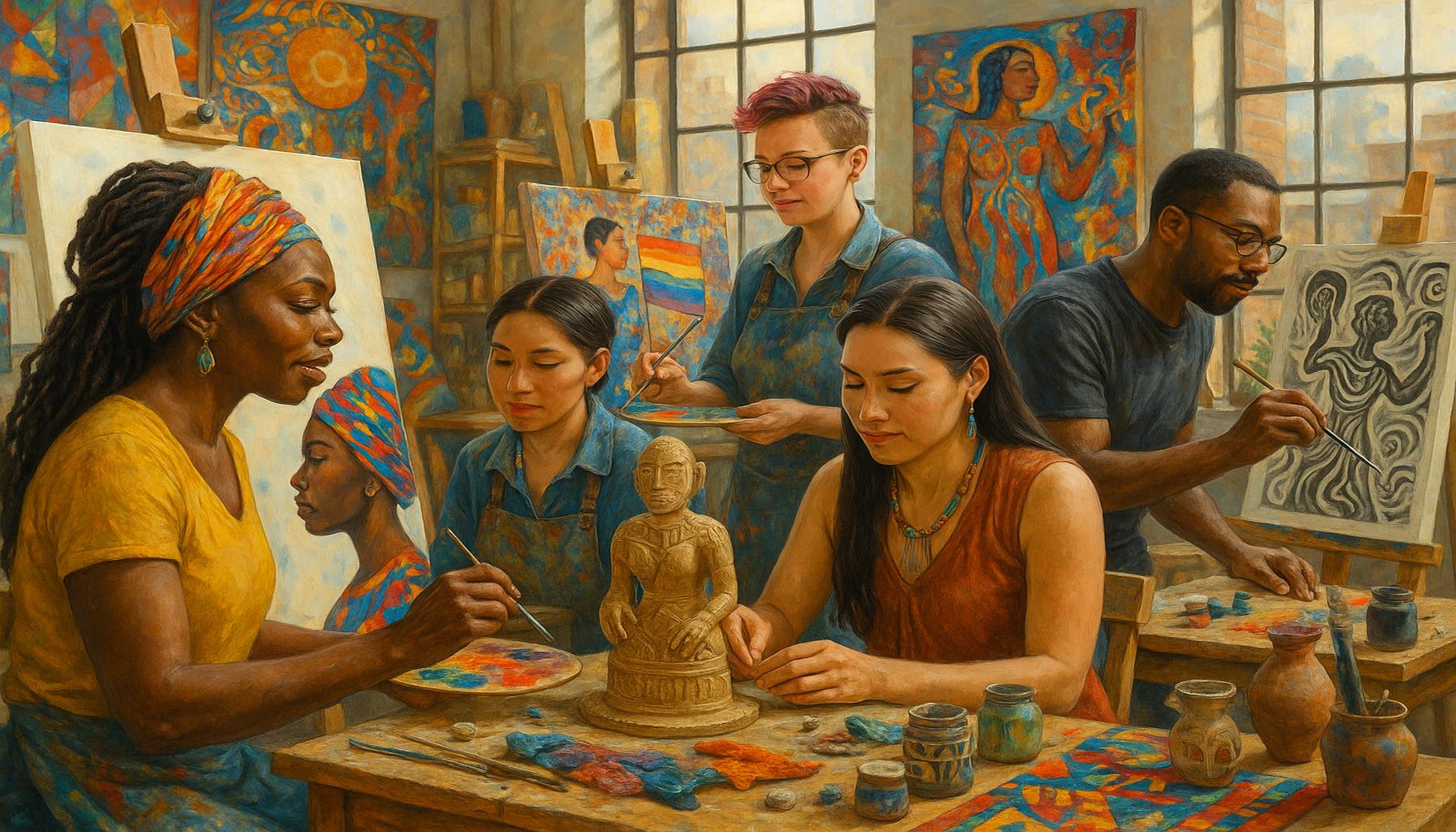
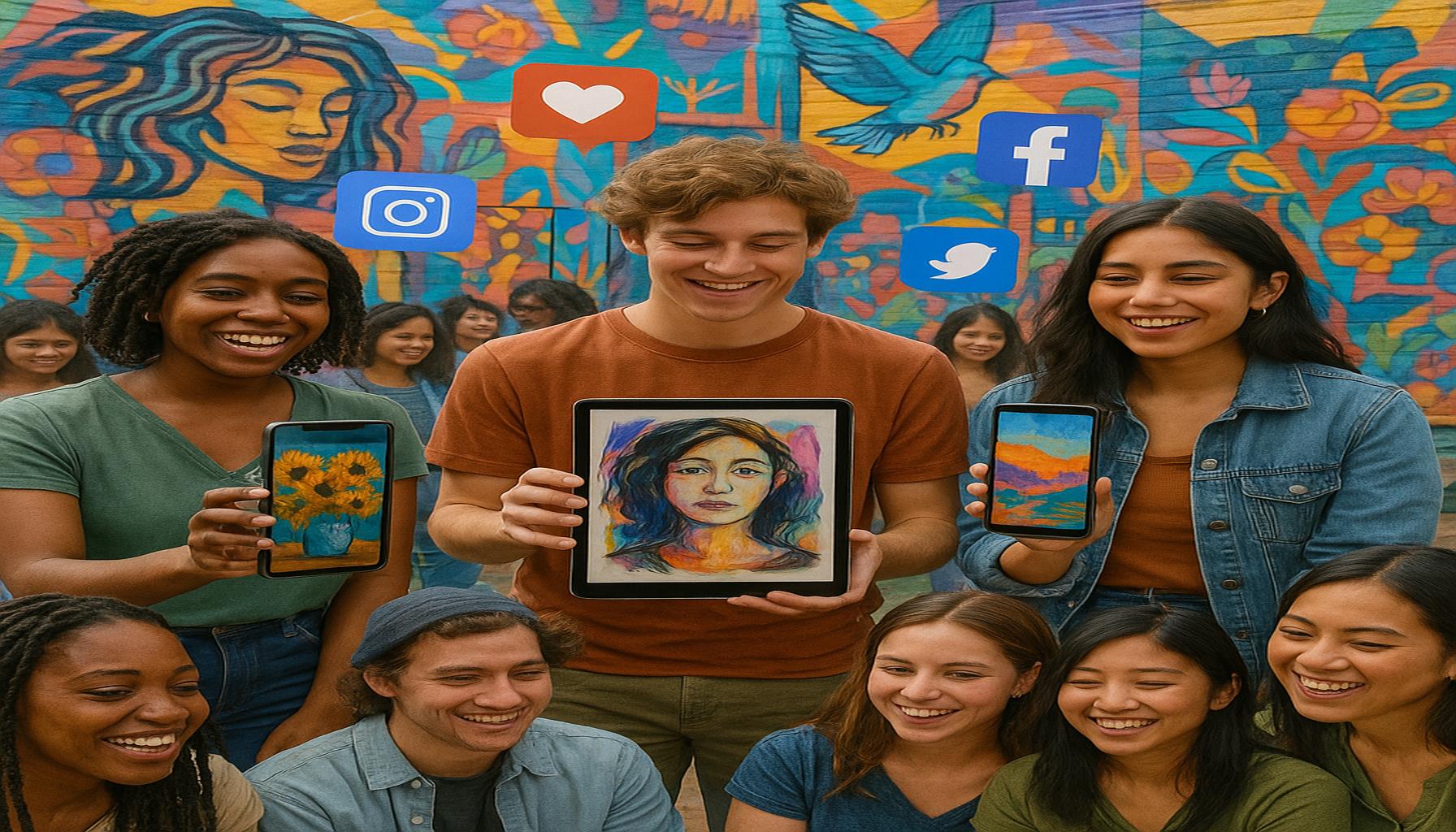
- Social Connection: Art classes or group projects often encourage social interaction. Engaging with others in a creative environment reduces isolation and builds a sense of community, common in initiatives like local art co-ops.
- Cognitive Development: Regular engagement in creative activities has been linked to improved problem-solving skills and enhanced critical thinking. For instance, a student who regularly participates in theater may find it easier to approach academic challenges from varied perspectives.
Across the United States, individuals are increasingly turning to art therapy as a means to navigate the complexities of mental health challenges ranging from anxiety and depression to trauma recovery. Various institutions, including hospitals and community centers, are incorporating creative practices into their therapeutic offerings, demonstrating effectiveness in facilitating emotional healing. Programs like expressive art therapy have become popular in urban areas, allowing participants to explore their feelings in a supportive and safe environment.
As we delve into the various dimensions of creativity’s healing power, we uncover not only how artistic engagement can enrich our lives but also how it serves as a pathway to a healthier, more fulfilled existence. This exploration encourages us all to tap into our creativity, unlocking a world where emotional well-being flourishes alongside artistic expression.
DISCOVER MORE: Click here to dive into sustainable cuisine
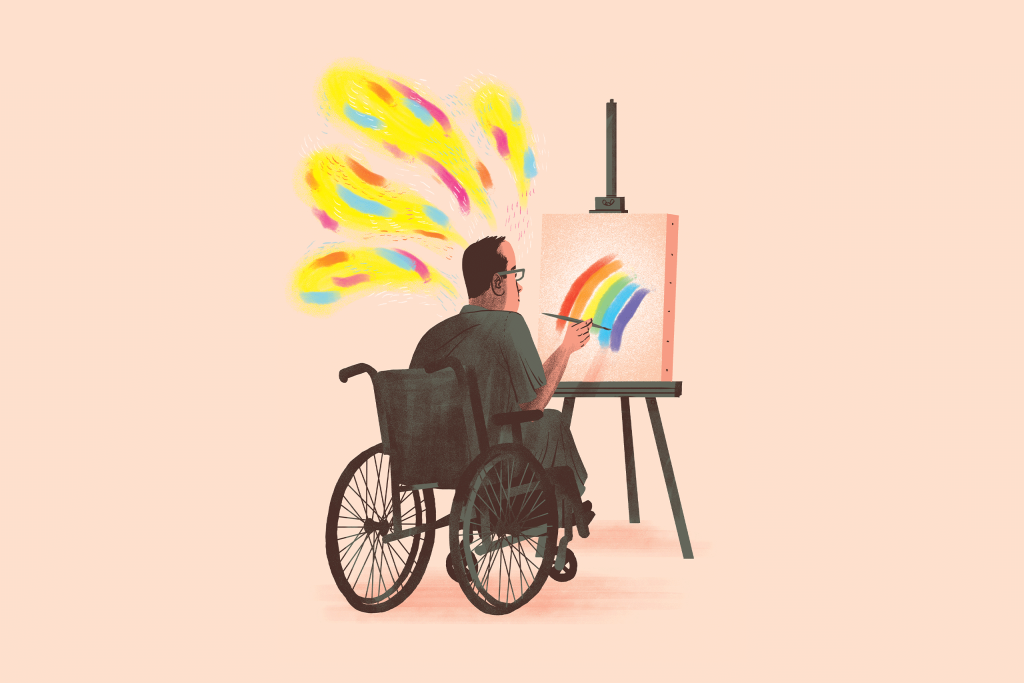
Exploring the Layers of Emotional Healing Through Art
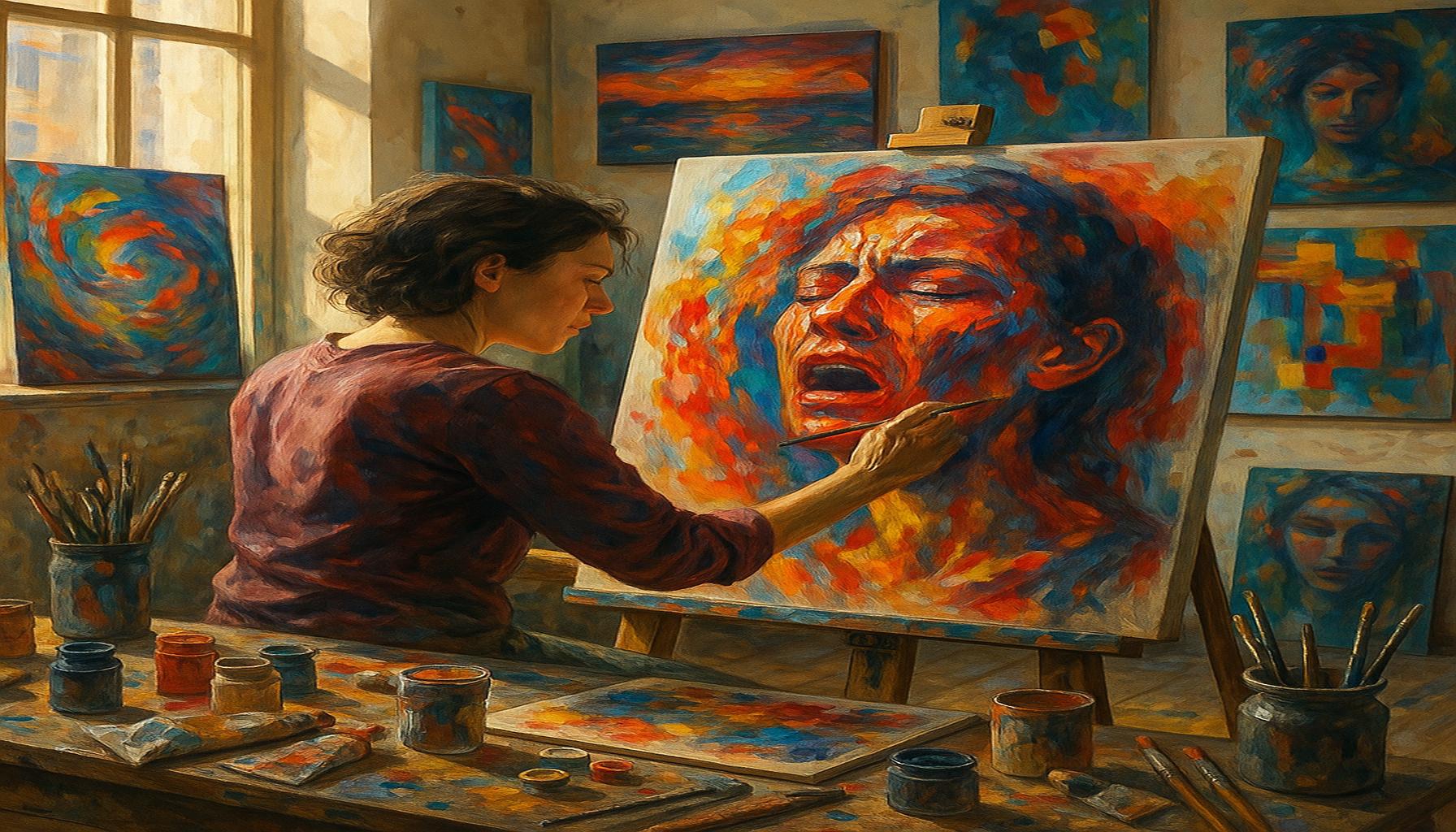
Art as therapy provides a unique approach to addressing mental health challenges, tapping into the innate human desire for creative expression. Engaging in artistic activities allows individuals to connect with their emotions in a profound way, fostering self-discovery and emotional healing. In recent years, mental health professionals have increasingly recognized the importance of integrating art into therapeutic practices. These practices can be especially beneficial for those who find it difficult to articulate their feelings through words alone.
One of the most prominent psychological benefits of artistic engagement is its power to facilitate stress relief. Research indicates that creating art can significantly decrease levels of the stress hormone cortisol. A study conducted by researchers at the Drexel University College of Nursing and Health Professions found that individuals who participated in a 45-minute art-making session reported a notable reduction in their stress levels, showing that even a brief creative outlet can cultivate a sense of calm and tranquility. This is particularly relevant in a society where chronic stress is prevalent, leading to a range of health problems.
Improved mood is another remarkable benefit derived from artistic activities. Creating art has been shown to release endorphins, the brain’s natural feel-good chemicals. Activities like painting, sculpting, or engaging in music can lead to profound feelings of joy and satisfaction. The simple act of working with colors or shapes engages the mind in a way that lifts spirits, creating an emotional release that can combat sadness and anxiety.
- Stress Relief: Engaging in art reduces cortisol levels, promoting relaxation.
- Improved Mood: The creation of art releases endorphins, enhancing feelings of happiness.
- Enhanced Self-Expression: Art serves as a nonverbal medium for expressing complex emotions.
- Social Connection: Group artistic activities foster community and reduce feelings of isolation.
- Cognitive Development: Regular artistic engagement sharpens problem-solving and critical thinking abilities.
The ability to promote enhanced self-expression is particularly significant in art therapy. Many people struggle to articulate their thoughts and feelings verbally, making it difficult to find the support they need in times of emotional turmoil. Art provides a nonverbal outlet for self-expression, enabling individuals to externalize their inner experiences. For example, a survivor of trauma might create a visual representation of their feelings, allowing them to confront and process their emotions in a safe space. This nontraditional communication can often lead to profound breakthroughs in understanding oneself and one’s experiences.
As art therapy practices gain popularity in the United States, mental health institutions are increasingly incorporating these techniques into their treatment programs. Facilities ranging from hospitals to community mental health centers recognize the profound impact that creative engagement can have on their patients. By emphasizing artistic expression, therapists aim to create supportive environments where individuals can explore their feelings without judgment, embracing the therapeutic power of creativity.
In summary, the psychological benefits of engaging in artistic activities are vast and varied. From reducing stress and improving mood to enhancing self-expression and fostering social connections, art therapy unlocks doors to emotional healing. As society continues to embrace mental health awareness, incorporating art into therapeutic practices will likely become an essential component of holistic wellness.
Exploring the Psychological Benefits of Artistic Activities
Engaging in artistic activities has emerged as a powerful form of therapy, with numerous psychological benefits that extend far beyond the canvas or sculpture. As individuals immerse themselves in creative processes, various mental health advantages unfold, making art a valuable tool in promoting emotional well-being. Artistic expression stimulates cognitive functioning, enhances critical thinking skills, and provides individuals with a space to explore their emotions. Through painting, drawing, or sculpting, one can convey feelings that may be difficult to articulate verbally. This non-verbal communication fosters self-awareness and emotional release, often leading to reduced anxiety and depression levels.Moreover, engaging in art can improve mood and increase feelings of happiness. Studies show that the act of creating art releases dopamine, the “feel-good” neurotransmitter, which can elevate mood significantly. Additionally, by creating a tangible representation of their thoughts and experiences, individuals often experience a sense of accomplishment and self-worth. Art classes and workshops also provide social interactions, which are crucial for mental health. Collaborating in group projects or simply sharing one’s art can combat feelings of isolation and encourage community building. This social aspect helps in fostering support networks and boosts overall emotional resilience.Below is a detailed table summarizing the advantages of engaging in artistic activities:
| Category | Advantages |
|---|---|
| Emotional Expression | Art allows for non-verbal expression of complex emotions. |
| Cognitive Enhancement | Engaging in art stimulates critical thinking and creativity. |
| Social Interaction | Art fosters community and support through shared experiences. |
| Mood Improvement | Creating art releases dopamine, uplifting mood and reducing stress. |
The multifaceted benefits of art as therapy present a compelling invitation for individuals seeking solace and healing through creativity. With increasing interest in mental health and holistic approaches, engaging in artistic activities can pave the way for profound emotional well-being. Discovering these avenues can be transformative, revealing hidden potentials and fostering deeper connections within oneself and with others.
DISCOVER: Click here to transform your space
Creative Expression as a Pathway to Understanding
Beyond the immediate psychological advantages like stress relief and improved mood, engaging in artistic activities serves as a profound tool for emotional processing. Many individuals facing mental health issues find it challenging to articulate their feelings, leading to bottled-up emotions and unresolved trauma. Art becomes an essential bridge, allowing one to navigate complex emotional landscapes. Through creation, a painter might uncover feelings of loss or joy buried deep within, manifesting those emotions in colors and brushstrokes that provide clarity and context.
Moreover, there’s a growing body of evidence supporting the efficacy of art therapy in treating specific mental health conditions. For instance, a study published in the Journal of the American Art Therapy Association found that patients with post-traumatic stress disorder (PTSD) showed significant improvement after participating in guided art therapy sessions. The process of creating visual art facilitated emotional processing and helped these individuals reframe their traumatic experiences. Such findings highlight the ability of art therapy to address specific symptoms, offering a complementary approach to traditional therapeutic methods.
Another compelling aspect of art as therapy is its potential to foster social connections. Group art therapy sessions encourage collaboration and communication, breaking down barriers of isolation that often accompany mental health struggles. Participants find comfort in shared experiences and creative exploration, which can lead to new friendships and camaraderie. Engaging in artistic activities within a community setting fosters a sense of belonging and reduces loneliness, which is particularly beneficial for those dealing with mental health challenges.
Art also promotes cognitive development through critical thinking and problem-solving skills. As individuals engage with various mediums—be it clay, paint, or digital design—they start making decisions about colors, forms, and textures. This experimentation requires thought processes that sharpen an individual’s ability to approach problems creatively in other facets of life. Furthermore, the act of reflecting on their artwork encourages individuals to evaluate their emotions and experiences, fostering self-awareness and insight.
- Emotional Processing: Art allows individuals to articulate feelings that may otherwise remain unexpressed.
- Treatment for PTSD: Art therapy aids in reframing traumatic experiences for healing.
- Community Building: Group art activities reduce isolation and cultivate friendships.
- Cognitive Growth: Engaging with art hones critical thinking and problem-solving abilities.
Practices like music therapy also exemplify the diverse applications of art as a therapeutic tool. Research shows that music can evoke powerful emotional responses and facilitate expression in ways that spoken language may not. Whether through playing an instrument, singing, or listening to music, people find avenues for emotional release and exploration. Institutions across the United States, from schools to rehabilitation centers, are beginning to realize that integrating music into therapeutic practices contributes positively to mental health outcomes.
As the understanding of art as a form of therapy continues to expand, therapists and mental health organizations are experimenting with various modalities, from dance and drama therapy to photography and writing. Such innovations speak volumes about the flexibility of art as a healing medium, inviting individuals of all backgrounds to engage and find their unique forms of expression. As the exploration of art and its therapeutic benefits continues, it paves the way for broader acceptance of art therapy in both clinical and everyday settings.
DIVE DEEPER: Click here to discover the culinary influences of pop culture
Conclusion: Embracing Art for Mental Well-being
As we delve into the multifaceted world of art as therapy, it becomes increasingly evident that engaging in artistic activities offers more than just a creative outlet; it provides vital psychological benefits that can enhance emotional well-being and foster healing. From the profound ability of art to facilitate emotional processing to its role in treating conditions like PTSD, art has established itself as a compelling modality for mental health care. The evidence supporting its efficacy continues to grow, bolstering the case for incorporating artistic practice within therapeutic frameworks.
Furthermore, art’s capacity to build community and social connections cannot be overlooked. Participating in group activities fosters an essential support network, reducing feelings of isolation that often accompany mental health challenges. This sense of belonging, paired with the cognitive development derived from creative exploration, equips individuals with the tools to cope with life’s uncertainties.
Ultimately, embracing art in therapeutic contexts encourages broader accessibility, inviting individuals from diverse backgrounds to discover the transformative power of creativity. As we forge ahead in mental health practices, it is crucial for therapists, educators, and communities to recognize and prioritize the integration of artistic expressions in promoting psychological resilience. The journey of art as therapy is just beginning, and its potential to heal and inspire is seemingly boundless. By exploring and celebrating the myriad ways art touches our lives, we open doors to new avenues of healing, self-discovery, and growth.