The Importance of Reading in the Formation of Writers: Cultivating Imagination Through Literature
The Power of Reading for Aspiring Writers
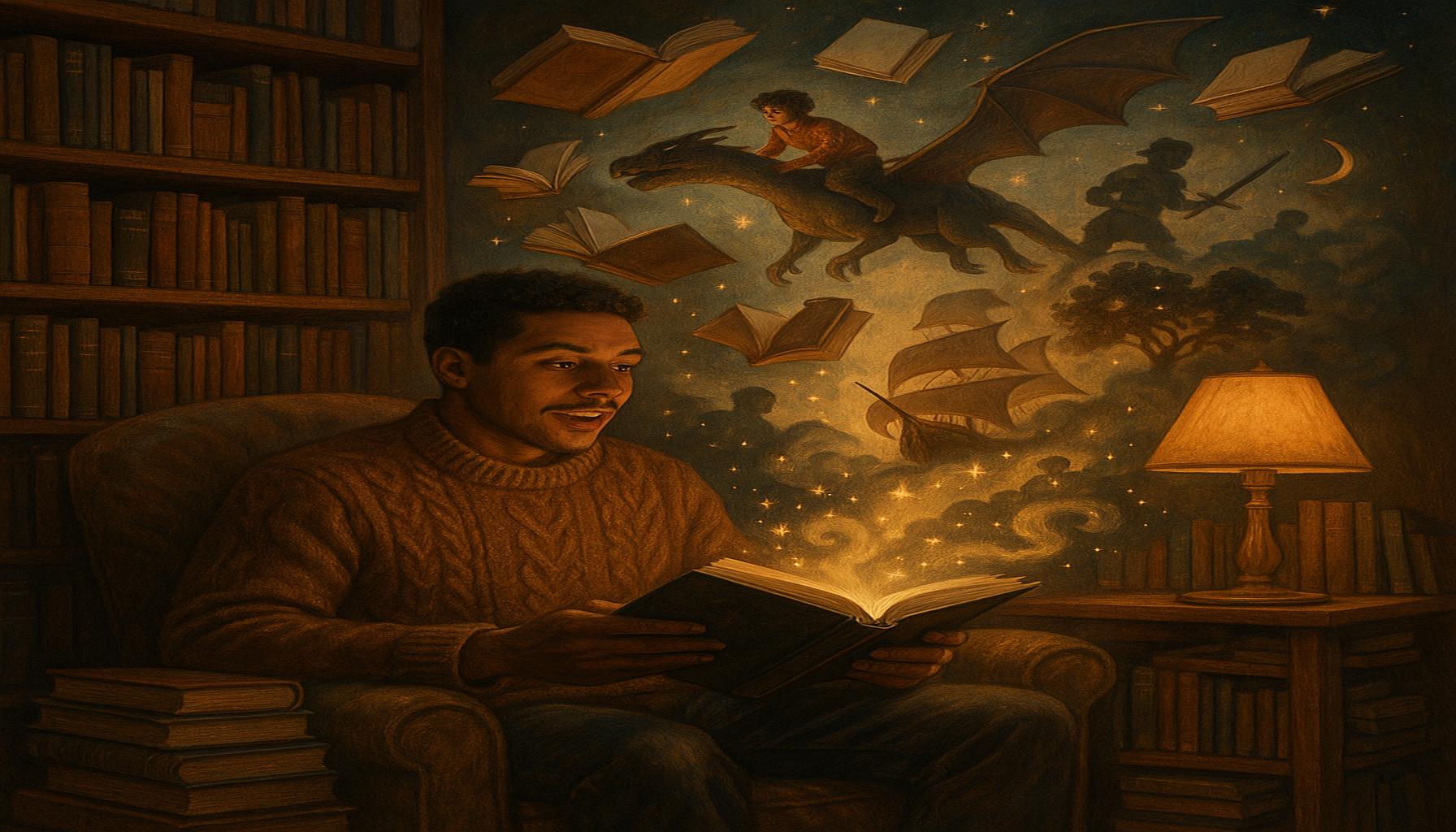
In a world overflowing with visual stimuli, the art of reading often takes a backseat. However, the significance of reading cannot be overstated, especially when it comes to nurturing aspiring writers. Books not only provide knowledge but also act as a catalyst for imagination and creativity. The act of reading transports individuals to different eras, cultures, and experiences, shaping their thoughts and broadening their horizons.
Consider these key aspects of reading’s impact on writers:
- Diverse Perspectives: Reading exposes writers to various cultures, ideas, and life experiences. For example, novels like “The Joy Luck Club” by Amy Tan offer insights into the Chinese-American experience, while “The Help” by Kathryn Stockett reveals the complexities of race relations in the American South. By delving into such works, writers gain a fuller understanding of the world, enabling them to create richer and more nuanced characters.
- Language Mastery: Writers build their vocabularies and refine their writing styles through frequent reading. A regular reading habit introduces an array of diction and syntax, making authors more versatile in their own works. For instance, reading the poetic prose of Toni Morrison can inspire a writer to employ lyrical richness in their storytelling, while the concise and impactful writing found in Hemingway’s texts can teach the value of brevity.
- Storytelling Techniques: Analyzing different narratives helps writers understand structure and character development. Books like “Story” by Robert McKee delve into the mechanics of storytelling, providing valuable insights into plot progression, character arcs, and thematic depth. Such knowledge equips aspiring writers with the tools necessary to construct compelling narratives.
Furthermore, when writers dive into literature, they immerse themselves in a universe where imagination knows no bounds. Each page turned unveils new realms and inspirations that can ignite innovative ideas for their own writing. Classic works such as “Moby-Dick” or contemporary hits like “The Night Circus” transport readers to fantastical settings, showcasing the limitless potential of imaginative storytelling. Engaging with rich prose and complex characters allows writers to cultivate their unique voices while also sparking the fires of inspiration.
As we explore the intricate relationship between reading and writing, it becomes clear that the life of a writer is deeply intertwined with the pages of books they devour. The themes, styles, and philosophies encountered in literature resonate within, compelling writers to experiment, innovate, and ultimately contribute to the literary tapestry of our culture. Join us on this journey to uncover how reading shapes not just writers, but the stories that define cultures and generations.
DIVE DEEPER: Click here to discover the science of cooking

Connecting Worlds: The Role of Literature in Shaping Writers
Reading acts as a bridge connecting aspiring writers to diverse realms of thought and creativity. This connection is crucial, as immersion in literature allows them to explore human experiences beyond their own limitations. As a writer, tapping into this extensive reservoir of knowledge not only enhances their craft but also enriches their imagination. Delving into various genres—whether it’s the dreamy prose of magical realism, the raw honesty of memoirs, or the intricate plots of thrillers—serves as an inspiration for original storytelling.
One major benefit of consuming literature is the development of empathy. When writers immerse themselves in the stories of others, they cultivate an understanding of different cultures, communities, and personal journeys. For instance, reading books like “The Kite Runner” by Khaled Hosseini can evoke compassion for those affected by war, while “To Kill a Mockingbird” by Harper Lee sheds light on social injustice and moral growth. These narratives challenge writers to consider perspectives they may not encounter in their daily lives, broadening their emotional range and allowing them to write from a more inclusive standpoint.
Additionally, authors can derive substantial inspiration from the themes and motifs prevalent in literature. Here are some crucial ways that reading contributes to this development:
- Character Analysis: Engaging with well-developed characters, such as Elizabeth Bennet from “Pride and Prejudice,” helps writers grasp the subtleties of complex personalities and relationships. By examining their motivations, flaws, and growth, writers learn to create multidimensional characters that resonate with readers.
- Genre Exploration: Each literary genre comes with its conventions and expectations. Observing these aspects across genres, from Shakespearean tragedies to contemporary romance, enables writers to play with form and innovate within or even against established frameworks.
- Thematic Resonance: Literature often tackles universal themes, such as love, loss, identity, and redemption. Reading about these themes in various contexts helps writers tap into shared human experiences, enriching their storytelling and connecting with readers on a deeper level.
Moreover, the physical act of reading itself fosters creativity and imagination. As words flow on the page, they paint vivid images in the minds of readers, allowing them to visualize worlds and scenarios that previously existed only in ink. This imaginative leap is invaluable for writers, who benefit from such mental training. Engaging with narrative styles—like the non-linear storytelling seen in works such as “The Sound and the Fury” by William Faulkner—encourages writers to think outside traditional narrative structures and embrace originality in their own approaches.
Ultimately, understanding the importance of reading in the formation of writers transcends mere entertainment. It is a vital practice that profoundly influences not only the technical aspects of writing but also the emotional core that shapes compelling narratives. As we continue exploring this dynamic relationship, it becomes evident that reading is not merely a pastime for writers; it is an essential foundation upon which their creativity and skills can flourish.
The Role of Imagination in Writing Development
Reading is not just a passive activity; it is a catalyst for cultivating a vivid imagination that is essential for aspiring writers. Books transport readers to diverse worlds, introduce them to unique characters, and immerse them in various narratives that enrich the mind. As they navigate through different genres—from fantasy to historical fiction—readers are exposed to various writing styles and techniques that can influence their own creative processes. The act of envisioning characters, settings, and scenarios encourages one to think outside conventional boundaries and fuels creative exploration.Furthermore, exposure to multiple perspectives through literature broadens a writer’s understanding of human experiences. This depth of understanding allows writers to craft relatable character arcs and dialogue that resonate with readers. A study highlighted in numerous writing workshops emphasizes that readers often develop a nuanced awareness of emotions and conflicts, enabling them to write more authentically. In addition to enhancing imagination, reading also helps writers develop a rich vocabulary. When writers encounter new words in context, they gain insight into their meanings and appropriate usage. This expanded lexicon plays an essential role in enabling writers to articulate their thoughts and emotions clearly and evocatively. Ultimately, the more a writer reads, the more tools they acquire to shape their narratives effectively.In summary, offering writers a plethora of experiences, styles, and vocabulary, reading serves as the foundation upon which their creative writing skills are built. Engaging regularly with literature is crucial for writerly growth, as it continually fuels the imagination needed for impactful and compelling storytelling. Therefore, both budding and seasoned writers are encouraged to embrace reading not only as a habit but as a vital component of their craft.
| Advantage | Details |
|---|---|
| Enhancement of Creativity | Reading diverse genres fosters creative thinking, enabling unique storytelling. |
| Broadened Vocabulary | Exposure to new terms in context improves articulation and expression in writing. |
DISCOVER MORE: Click here for fun crafting ideas
Enhancing Craft: The Technical Skills Gained Through Reading
Beyond fostering imagination, the act of reading nurtures writers’ technical skills, which are essential in refining their craft. Literature serves as a model, offering myriad examples of various writing techniques, styles, and narrative devices. By analyzing these elements, emerging writers can adopt and adapt them to build their own unique voices in the literary landscape.
One of the primary advantages of reading widely is the exposure to varied writing styles. Writers can observe how different authors construct their sentences, develop their paragraphs, and curate their overall prose. For instance, a writer familiar with Ernest Hemingway’s terse, economical style can experiment with brevity to enhance the impact of their own narratives. Conversely, the lush, descriptive language of authors like Virginia Woolf inspires writers to elevate the sensory aspects of their work, allowing readers to fully immerse themselves in a vivid textual experience.
Another critical component is the study of narrative techniques. Through reading, writers encounter an array of storytelling methods, from first-person perspectives to omniscient narrators. By analyzing works such as “The Great Gatsby” by F. Scott Fitzgerald, which employs a first-person lens to unveil the intricacies of its unreliable narrator, writers can experiment with perspective shifts in their projects. Additionally, the use of flashbacks or foreshadowing, as seen in works like “Atonement” by Ian McEwan, serves to teach writers how to layer time within their narratives, creating a richer reading experience through sophisticated temporal shifts.
Moreover, aspiring writers develop their lexical range through reading. The process of encountering diverse vocabulary and idiomatic expressions exposes writers to nuanced language, enabling them to articulate their thoughts more precisely and impactfully. Engaging with contemporary poets, such as Ocean Vuong, can inspire writers to experiment with brevity and symbolism, while studying classic authors like Mark Twain can enrich their understanding of dialect and regional vernacular. This broader lexical understanding is crucial for developing a distinct authorial voice that engages readers authentically.
Reading also underscores the importance of editing and revision. Witnessing the polished final drafts of literary works allows writers to appreciate the rigorous process behind crafting a book. Understanding that exceptional writing often stems from extensive editing helps demystify this stage for aspiring authors. This can be evidenced in the meticulous rewrites by authors like John Steinbeck, who often spent months perfecting drafts, a reality that underscores the value of patience and perseverance in literary creation.
Furthermore, the role of reading in establishing a strong network of influences is undeniable. Emerging writers can glean insights not just from texts themselves but also from the authors’ journeys. Engaging with essays, biographies, and interviews offers a contextual understanding of the writing life, inspiring new writers to develop a robust strategy for their own careers, including understanding the ups and downs typical of the writing process.
In sum, the multifaceted nature of reading significantly enhances both the fundamental and intricate elements of writing. As writers continue to explore literature, they equip themselves with the necessary tools and insights that will serve as the building blocks for their creative endeavors. The continual interplay between consuming literature and producing original text fosters a comprehensive learning experience, leading to the cultivation of nuanced and imaginative writers ready to contribute their unique perspectives to the literary world.
DISCOVER MORE: Click here to dive into creative projects
Conclusion: The Unbreakable Link Between Reading and Writing
In the dynamic world of literature, the relationship between reading and writing is one that cannot be overstated. Through the act of reading, writers not only cultivate their imagination but also gain invaluable skills that refine their craft and enhance their narratives. As highlighted throughout this article, the exposure to diverse writing styles enables budding authors to develop their own distinctive voices, while the exploration of various narrative techniques empowers them to captivate readers through innovative storytelling.
Moreover, the benefits extend beyond merely observing established authors’ work. Reading broadens a writer’s lexical range and fosters an appreciation for the intricacies of editing and revision, ensuring that they approach their writing with patience and dedication. By immersing themselves in different genres and perspectives, writers can also foster a rich network of influences that inform their creative journeys and inspire resilience in the face of challenges.
Ultimately, as writers delve into the vast sea of literature, they lay a solid foundation for their own creativity, enriching their writing with the essence of countless voices that came before them. The act of reading not only nurtures the imagination but also equips writers with the essential tools needed to navigate the complex landscape of storytelling. It is this symbiotic relationship between reading and writing that ensures the continuous evolution of literature, inviting new authors to contribute their unique insights and uncharted narratives to the world.