The Intersection of Literature and Visual Art: How Illustrations Can Enrich the Reading Experience
The Transformative Power of Illustrations in Literature
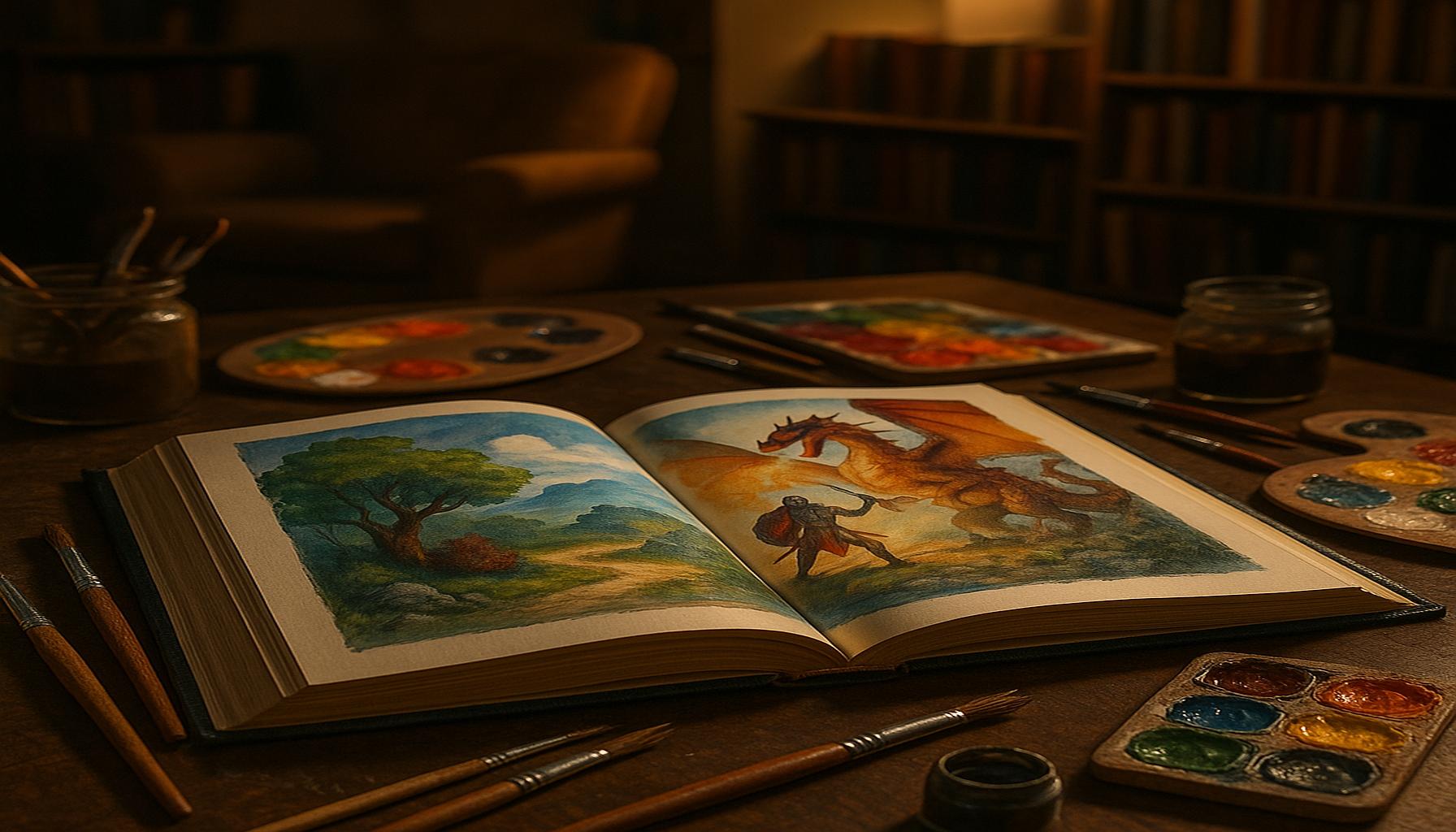
The literary world is a vast and intricate tapestry woven from the thoughts, ideas, and imaginations of various authors. However, when illustrations are interspersed amidst the text, they create not just a more engaging narrative but a transformative reading experience. This intersection of literature and visual art enriches the storytelling process and provides layers of meaning that words alone may struggle to convey.
One significant advantage of integrating illustrations into literature is their ability to enhance comprehension. Complex themes or abstract concepts often present challenges, particularly for younger audiences or those with varying reading levels. An illustration can function as a visual anchor, enabling readers to grasp intricate ideas or emotions that reside within the text. For instance, in a history book discussing the chaos of the American Civil War, illustrations depicting battle scenes help contextually ground the reader’s understanding.
Additionally, emotional engagement stands out as another crucial benefit of illustrations. Images evoke emotions and can result in a visceral response that amplifies the connection to the narrative. A poignant illustration in a book about loss can portray sorrow or nostalgia in ways that merely words might not capture. Children’s literature often employs this technique prominently; the expressive faces of characters in Eric Carle’s works, like “The Very Hungry Caterpillar,” invite readers to empathize deeply with the characters and their journeys.
Moreover, illustrations offer a platform for creative interpretation. They provide readers with the opportunity to see stories from different angles, encouraging personal reflections and insights. Each reader may interpret an illustration uniquely based on their background and experiences, adding richness to the reading experience. For example, the iconic images from Dr. Seuss’s works can be interpreted in various ways, with each reader finding different meanings, humor, or moral lessons in the whimsical and exaggerated visual depictions.
Numerous authors throughout history have recognized the profound impact that skilled illustrators can have on their storytelling. The collaboration of writers and artists has produced timeless classics that are revered by audiences globally. Beyond the aforementioned examples, consider the enchanting illustrations in “The Tale of Peter Rabbit” by Beatrix Potter. Her delicate watercolors not only charm readers but also transport them into a vivid world filled with adventure and mischief.
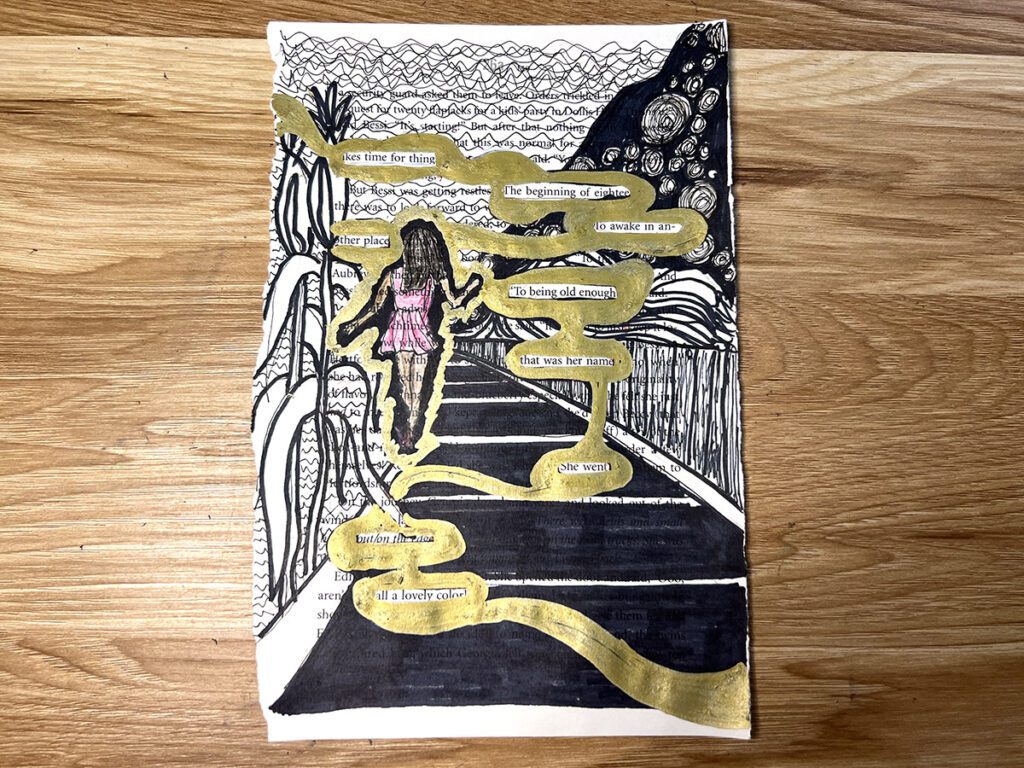
As we continue to navigate the rich relationship between text and imagery, it is essential to appreciate how illustrations have the potential to not only complement but revolutionize the reading experience. They bridge the gap between words and emotions, inviting readers on an immersive journey that transcends the printed page. By exploring this synergy, we can discover new dimensions to how stories are told and understood, revealing deeper connections to the content within.
DIVE DEEPER: Click here to discover how to modernize your favorite recipes
Visual Storytelling: The Role of Illustrations in Engaging Readers
The power of illustrations in literature extends beyond mere decoration; they serve as essential components that enhance the storytelling experience. In various literary genres, the relationship between text and visuals creates a dynamic interaction, allowing readers to engage on multiple levels. As readers coexist in a world full of images, incorporating illustrations helps bridge the familiar with the fantastical, pulling them deeper into the narrative.
One fascinating aspect of this intersection is the way illustrations contribute to world-building. In genres such as fantasy or science fiction, authors often rely on visual representations to flesh out their imagined worlds. A well-crafted illustration can provide a vivid depiction of the alien landscapes or mythical creatures described in the text. For example, consider the iconic illustrations by John Tenniel in Lewis Carroll’s “Alice’s Adventures in Wonderland.” These visuals not only brought to life the quirky characters and bizarre settings but also helped anchor the fantastical elements in a reader’s mind. The images of Alice, the Cheshire Cat, and the Mad Hatter have become synonymous with the story itself, enhancing our collective understanding of the narrative.
Illustrations also play a vital role in targeting specific audiences. For younger readers, picture books with vibrant and colorful art can captivate attention and spark an early love for reading. According to a study by the National Center for Literacy Education, books that integrate illustrations can significantly boost literacy and language development for children. Here, illustrations serve not only as a tool for engagement but also as a mechanism for comprehension through visual literacy.
- Increased Comprehension: Visuals help clarify difficult concepts, particularly for early readers.
- Emotional Resonance: Illustrations evoke feelings, allowing readers to connect with the narrative on an emotional level.
- Creative Interpretation: Art invites different interpretations, making the reading experience unique for each individual.
- Enhanced Engagement: Vibrant visuals capture attention and motivate readers to continue exploring text.
The integration of illustrations within literature is not confined solely to children’s books. Numerous graphic novels, such as “Maus” by Art Spiegelman or “Persepolis” by Marjane Satrapi, exemplify how illustrations can convey complex themes and narratives. These works merge art and text effectively to address weighty subject matter like war, identity, and emotions, showcasing the transformative potential of visual storytelling in adult literature as well.
As such, the impact of illustrations on a reader’s experience extends deeply into the realms of comprehension, emotional engagement, and personal interpretation. This profound relationship invites readers to not only read but to visualize, interpret, and ultimately evolve alongside the narratives they encounter.
The Intersection of Literature and Visual Art: How Illustrations Can Enrich the Reading Experience
Exploring the synergy between literature and visual art unveils a rich tapestry of storytelling that transcends mere text. Illustrations serve as a powerful tool in a reader’s journey, enhancing comprehension and emotional engagement. These vivid images invite readers to immerse themselves in the narrative, creating a holistic experience. Not only do they break down complex themes, but they also offer a visual narrative that complements the text.
Consider classic literary works such as “Alice’s Adventures in Wonderland”. The illustrations by Sir John Tenniel are not merely decorative; they provide insight into Alice’s whimsical world, enriching the reader’s understanding of her experiences. Such examples highlight how artistic visuals deepen the reading experience, making literature more accessible and enjoyable for various audiences.
Furthermore, illustrations can evoke emotions and spark the reader’s imagination in ways that text alone might not. A breathtaking depiction of a character’s journey can become a pivotal moment that reverberates through the reader’s heart and mind. Research has shown that visual storytelling can activate different cognitive processes, making the reading experience more impactful and memorable.
Finally, illustrations in contemporary literature often serve as tools for expression that reflect cultural narratives and social themes. Works by diverse authors, accompanied by artistic interpretations, can challenge norms and present new perspectives in the literary world. This intersection fosters a greater appreciation for both the written word and the artistry of accompanying visuals, inviting readers to engage with literature on multiple levels. As we delve deeper into this fascinating relationship, it becomes clear that illustrations are not mere embellishments but integral components that profoundly influence the reader’s experience.
| Advantages | Impact on Reading Experience |
|---|---|
| Enhanced Comprehension | Illustrations simplify complex themes, making text more relatable and understandable. |
| Emotional Engagement | Artistic visuals evoke feelings that resonate, deepening the connection to the narrative. |
| Cultural Reflection | Diverse illustrations challenge norms and highlight various cultural narratives, broadening perspectives. |
This intersection of literature and visual art presents an exciting landscape for exploration, inviting readers to uncover the profound connections that enrich their experiences with both mediums. As you engage with literature further, consider how illustrations transform narratives into multi-dimensional experiences that can inspire and educate.
DIVE DEEPER: Click here to discover more
The Enhancement of Narrative through Artistic Interpretation
Illustrations serve not only as visual enhancements but also as reinterpretations of the narrative itself. They provide a fresh lens through which the text can be viewed, often revealing subtleties and nuances that might be overlooked by the reader’s imagination. Artistic interpretation plays a substantial role in shaping the reader’s experience, allowing for a multifaceted understanding of the story. This phenomenon is particularly evident in adaptations of classic literature, where varied artistic styles can evoke different emotions and perspectives.
For instance, in the adaptation of “The Little Prince” by Antoine de Saint-Exupéry, various illustrators have created their own versions of the titular character that deeply influence how audiences perceive his journey. Each rendition adds layers of emotional depth, reflecting the illustrator’s unique vision and stylistic choices. This variety not only enriches the reading experience but also encourages discussions about interpretation among readers, further engaging them in literary analysis.
The collaboration between writers and visual artists often leads to innovative storytelling techniques. The graphic novel format embodies this spirit of collaboration, merging distinct styles and narrative forms. In works like “Sandman” by Neil Gaiman, text and illustrations converge in harmonious ways that create an immersive experience. The careful alignment of visuals with the prose creates a sense of rhythm that enhances the reading journey. Gaiman’s blend of horror, mythology, and fantasy is complemented by intricate illustrations, prompting readers to move back and forth between the words and images, leading to a richer interaction with the text.
Furthermore, research highlights the cognitive benefits of integrating artistic elements into literary narratives. According to a study published in the Journal of Educational Psychology, readers exposed to illustrated literature exhibited improved recall and comprehension of the material. Such findings underscore the importance of integrating illustrations as vital components in the learning process. They help in processing information by creating strong associative links between textual concepts and visual imagery, making the material more relatable and easier to remember.
- Memory Retention: Visuals anchor key ideas in the mind, helping readers to remember essential plot points.
- Contextual Understanding: Illustrations can provide cultural or historical context that enhances the reader’s grasp of the text.
- Broadened Perspectives: Different artistic styles can highlight various themes and messages, leading to diverse interpretations.
- Interactivity: Engaging with illustrations promotes a more active reading experience, inviting readers to draw connections and insights.
As we further explore the dialogue between text and imagery, it becomes clear that illustrations not only enrich stories but also act as conduits of emotion and understanding. They invite readers to interpret meaning beyond the words, creating a tapestry of experiences that forms a unique bond with each literary work. Indeed, the intersection of literature and visual art plays a crucial role in enhancing the overall reading experience, making it memorable and impactful for all who dare to delve into these creative worlds.
DISCOVER MORE: Click here to learn how cooking can boost creativity and teamwork!
Conclusion: A Symbiosis of Imagination and Artistry
The intersection of literature and visual art creates a unique synergy that enhances the reading experience, transforming the act of storytelling into an immersive journey. Illustrations are more than decorative elements; they are integral to the narrative, offering readers new avenues for interpretation and emotional connection. By combining text and images, these visual representations deepen comprehension and retention, allowing readers to engage with the material on multiple levels. As highlighted in various studies, the cognitive benefits of illustrated works reveal how these artistic elements help anchor ideas and provide contextual clues that enrich understanding.
The influence of illustrations is especially powerful in adaptations of timeless literary classics. Each artist brings a distinct voice and perspective, allowing timeless tales to resonate with contemporary audiences and inviting diverse interpretations. This dynamic not only nurtures appreciation for the original text but also sparks invigorating discussions among readers about the nature of adaptation and artistic expression.
Ultimately, as we navigate the evolving landscapes of both literature and visual art, it becomes evident that their collaboration stands as a testament to the limitless possibilities of creative expression. Whether through beautifully illustrated children’s books or visually striking graphic novels, illustrations serve as gateways that not only enhance but elevate the literary experience. In a world increasingly driven by visual culture, the fusion of these two art forms opens up a treasure trove of narratives waiting to be explored, inviting readers to dive deeper into the stories that shape our understanding of both the world and ourselves.