Crafting Projects for Kids: Stimulating Creativity and Motor Skills
Engaging the Next Generation through Hands-On Projects
In a world increasingly dominated by screens, crafting projects for kids offer a vital opportunity to engage young minds. These activities not only entertain but also serve as essential building blocks for developing creativity and motor skills. When children immerse themselves in crafting, they embark on a multifaceted journey filled with benefits that extend far beyond mere fun.
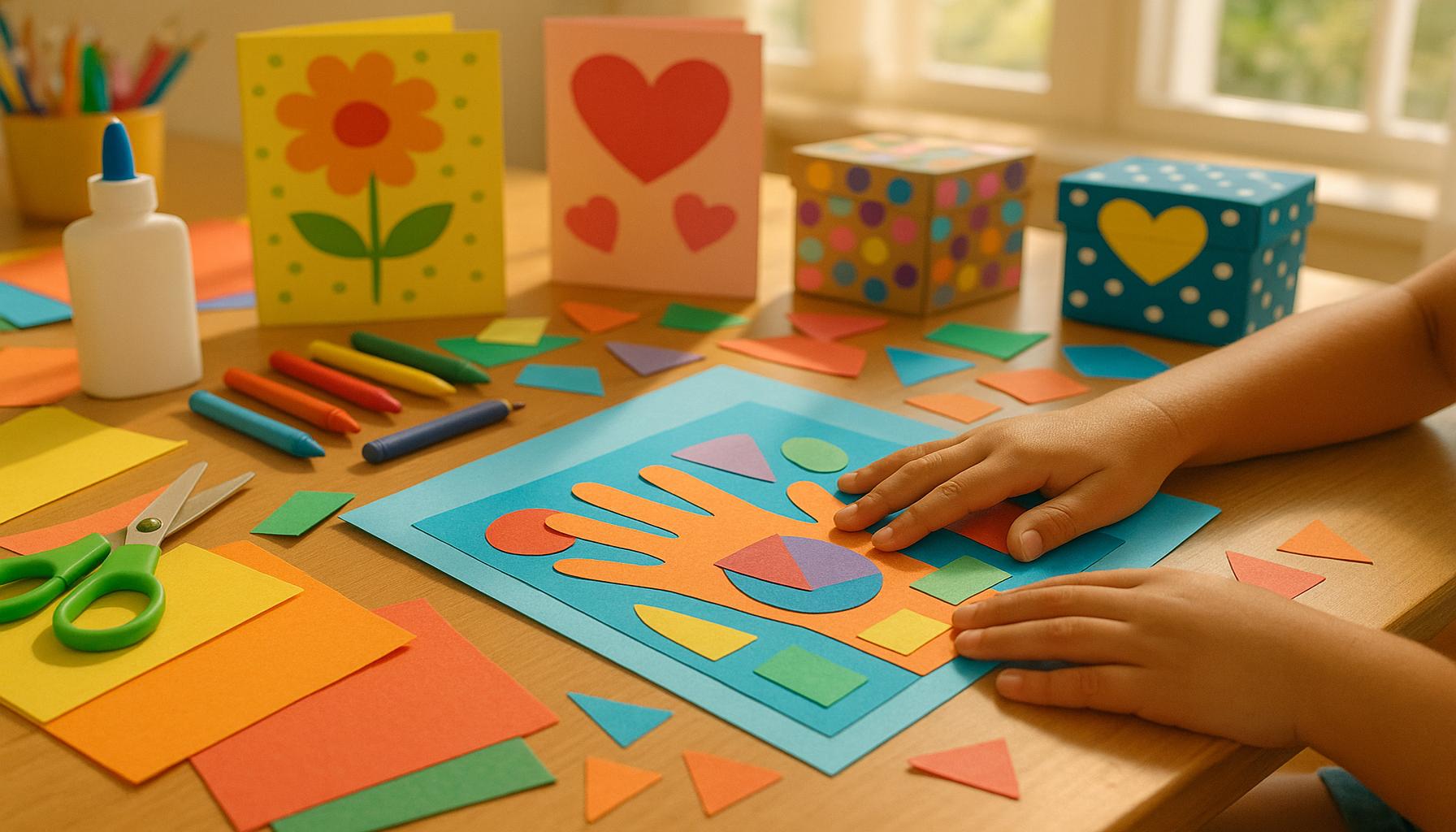
Enhancing Fine Motor Skills: Activities like cutting, gluing, and assembling improve dexterity. For instance, when children cut shapes out of paper or use scissors to create fringes, they are engaging in fine motor tasks that enhance their hand-eye coordination and precision. These foundational skills can contribute to success in tasks such as writing and typing as they grow older.
Boosting Creativity: Crafts allow children to express themselves and explore their imaginations. Whether it’s painting, making collages, or creating sculptures, children have the freedom to innovate. For example, a simple paper plate can transform into a colorful animal mask or a magnificent flying saucer, showcasing each child’s unique perspective and imaginative capabilities. Moreover, engaging in these projects can build confidence in their creative decisions, encouraging them to explore more artistic fields as they develop.
Encouraging Problem-Solving: Kids learn to think critically as they plan and execute their projects. For instance, when faced with a shortage of materials, children must strategize: Do they innovate with what they have or ask for help? Such situations foster resilience and resourcefulness—skills that are invaluable in everyday life.
From simple paper crafts to more complex DIY projects, the options for hands-on activities are truly endless. Engaging in interactive learning experiences can also foster life-long memories and relationships; whether they involve family members or friends collaborating on projects, crafting facilitates bonding and shared experiences.
Popular Craft Ideas
Consider these engaging crafting activities that can spark joy and creativity:
- Making greeting cards: Children can design custom cards for birthdays, holidays, or thank you notes, enhancing personal expression while learning about thoughtful communication.
- Creating homemade toys: Transform common household items into imaginative playthings, such as turning old socks into puppets or paper tubes into rockets, providing both creativity and satisfaction in creation.
- Designing personalized t-shirts: Using fabric paints, kids can design their own clothing, marrying artistic expression with practical outcomes. This project not only gives them a wearable masterpiece but also instills pride in their craft.
Each project opens doors to new techniques and explorations. Additionally, with the right materials and a bit of guidance, kids can unleash their inner artists, transforming simple items into stunning creations. As they engage in crafting, they craft not just objects of art but also personal identities and skills that will benefit them for a lifetime. Encouraging creativity through crafts can enhance a child’s overall development and provide them with the tools they need to thrive in an increasingly complex world.
EXPLORE MORE: Click here for creative gift ideas
Unleashing Potential through Artistic Exploration
Crafting is an engaging gateway that opens doors to individual expression and skill development. Through a variety of crafting projects for kids, children can hone their abilities while diving into a world of imagination. The benefits of engaging in hands-on activities are profound, contributing not only to their creativity but also to their physical development.
Building Coordination and Control: One of the most significant advantages of crafting is the enhancement of children’s fine motor skills. As they navigate tasks that involve coloring, sewing, or beading, their hands become more adept, increasing their coordination and presence of mind. Studies have shown that activities like finger painting not only nurture creativity but also assist in developing grip strength and hand stability. Activities that require precise movements, such as cutting intricate patterns or folding paper, are perfect for refining these motor skills, thereby paving the way for improved academic capabilities like writing and drawing.
Inspiring Imagination with Open-Ended Projects: Unlike video games or scheduled activities, crafting projects provide an open canvas for children to unleash their imaginations. The simple act of gathering materials can spark a flood of ideas—what might begin as a collection of scraps can quickly transform into a one-of-a-kind creation. For example, a child can gather buttons, beads, or fabric remnants to create a unique piece of jewelry, allowing them to make choices that reflect their personal style. This not only promotes independent thinking but also instills a sense of ownership and pride in their work.
Fostering Collaboration and Social Skills: Crafting also encourages teamwork and fosters social interactions. When children work together on a project, they learn to communicate effectively, share ideas, and problem-solve collaboratively. For instance, crafting a mural or building a tower from recycled materials requires discussion and cooperation. Such collaborative efforts can boost confidence and promote friendships, ultimately enhancing their social skills within a communal setting.
As crafting evolves from individual projects to collaborative endeavors, children acquire essential life skills—skills that carry over into other areas of their lives. Not only do children learn how to express themselves artistically, but they also gain an understanding of how to work with others effectively. Consider the following crafting activities that cultivate both creativity and collaboration:
- Nature Collages: Using materials gathered from outside, children can create collages that highlight their unique artistic voice and appreciation for nature, reinforcing concepts of environmental awareness.
- Group Painting Projects: Large canvases allow multiple children to contribute to a single masterpiece, promoting teamwork and the excitement of watching an artwork come together.
- Community Craft Fairs: Organizing events where children display their crafts fosters a sense of community and provides a platform for them to celebrate their hard work.
Through these varied projects, children are not just creating art; they are developing critical abilities that equip them for success in multiple aspects of life. By encouraging crafting projects for kids, parents and educators can provide a platform for growth, allowing children to explore their artistic sides while firmly grounding them in foundational skills needed for their future endeavors.
Crafting projects for kids serve as a vibrant channel for exploration and self-expression, making it an ideal avenue for stimulating creativity and enhancing motor skills. Activities such as painting, sculpting, or simple DIY crafts offer children not just the chance to create but also to develop critical skills essential for their growth. When children engage in hands-on crafting experiences, they experience a significant boost in their fine motor skills. The manipulation of various materials—from clay to paintbrushes—requires the use of small hand muscles, leading to improved dexterity and coordination. As children cut paper, stick materials together, or freely paint, they enhance their hand-eye coordination and boost their confidence in performing daily tasks.Furthermore, crafting encourages creative thinking. As kids brainstorm ideas for their projects, they learn to think outside the box, experiment with different outcomes, and make decisions independently. This kind of creativity is not just about art; it influences children’s problem-solving abilities in every aspect of their lives. The experience of transforming a simple idea into a tangible project ignites a sense of accomplishment and motivates them to tackle new challenges boldly.Moreover, these activities can also strengthen social skills when children work together on crafts. Collaborating on projects fosters communication, teamwork, and sharing, essential elements for building positive relationships. To further inspire engagement in these beneficial activities, consider integrating easy-to-follow project ideas in your home or classroom. Introduce themes, materials, or specific goals to guide their creativity while still allowing room for personal expression. As children embark on their crafting journeys, the resulting growth in both creativity and motor skills will shine through, providing a solid foundation for their future learning experiences. For a deeper dive into the benefits and engaging projects, you’ll find valuable resources and ideas that can ignite your child’s creativity. The world of crafting is waiting to be explored, presenting endless opportunities for children to develop into innovative thinkers and skilled creators.
DISCOVER MORE: Click here for creative family activities
Nurturing Cognitive Development through Crafting
Crafting goes beyond simply wielding scissors and glue; it plays a transformative role in enhancing children’s cognitive development. Engaging in crafting projects stimulates various areas of a child’s brain, pushing them to think critically, solve problems, and make decisions. This hands-on experience is essential in nurturing cognitive skills that are vital for academic success.
Enhancing Problem-Solving Abilities: When children embark on a crafting project, they often encounter challenges that require quick thinking and problem-solving skills. For example, while constructing a 3D model from paper, a child might find that their initial design isn’t stable. This challenges them to reflect on their approach, evaluate their materials, and experiment with new solutions. Such experiences foster a growth mindset, teaching kids that persistence is key to overcoming obstacles—a lesson that extends well beyond crafting.
Boosting Planning and Organizational Skills: Crafting projects also encourage children to plan and organize their work, which are invaluable skills for their academic pursuits. Whether they are assembling a scrapbook or designing a homemade birdhouse, children learn to gather necessary materials, sketch ideas, and outline steps to complete their project. This structure allows them to understand sequencing and the importance of following through on a plan, essential skills in both school and life.
Encouraging Language and Communication Skills: As children craft, they are likely to discuss their ideas, thoughts, and choices with peers or caregivers. This verbalization enhances their language skills, allowing them to express complex ideas and articulate their creative processes. When collaborating on group projects, they practice sharing ideas and providing constructive feedback to one another, which not only builds their vocabulary but also their confidence in speaking and interacting with others.
Engaging STEM Learning: Crafting projects seamlessly integrate elements of Science, Technology, Engineering, and Mathematics (STEM) learning. For instance, activities like building a marble run or creating a solar oven require basic engineering principles, physics of motion, and even mathematical understanding to ensure successful execution. Including a simple crafting lesson in a science project can illuminate complex concepts, making them more digestible and fun. Parents and educators can encourage this integration as they guide children through hands-on activities like these:
- Bottle Rockets: Using simple materials, such as vinegar and baking soda, children can craft and launch their own rockets, learning fundamental scientific principles about energy and propulsion in the process.
- Kaleidoscope Crafting: By assembling a kaleidoscope using mirrors and colorful beads, kids can explore reflections and symmetry, integrating mathematics and art in a delightful way.
- Build Your Own Bridge: Constructing bridges using popsicle sticks or straws helps children apply engineering concepts while experimenting with balance, weight distribution, and design.
The inclusion of these STEM-focused projects not only sharpens the children’s crafting skills but also enhances their curiosity and comprehension of how the world works. Crafting offers an authentic learning experience that ignites a fascination for exploration and inquiry, laying the foundation for lifelong learning.
As children uncover the connections between crafting and cognitive skills, they develop a holistic approach to learning that encourages a balance between creativity and intellectual growth. Parents and educators are encouraged to embrace a variety of crafting projects for kids, understanding the rich tapestry of benefits that these activities provide, both for nurturing their imaginative spirit and fostering essential life skills.
DISCOVER MORE: Click here to unwind with our crafting tips
Conclusion
In today’s fast-paced digital world, the importance of crafting projects for kids cannot be overstated. These activities serve as a vital conduit for not just creativity, but also the essential development of motor skills and cognitive abilities. By engaging in hands-on crafting, children are armed with the tools they need to navigate challenges, fostering resilience and innovative thinking from a young age.
Moreover, crafting offers an unparalleled opportunity to merge learning with play. By integrating simple STEM concepts into crafting projects, children gain real-world context for theoretical ideas, making these lessons both fun and memorable. From building a bridge with popsicle sticks to launching DIY bottle rockets, each project encourages exploration, inquiry, and experimentation.
It’s crucial for parents and educators to recognize that these crafting activities serve as more than simple pastimes; they are foundational experiences that nurture a child’s holistic growth. Children not only learn how to express their creativity but also cultivate essential life skills such as communication, organization, and problem-solving. As we strive to create well-rounded individuals, embracing the art of crafting is an essential step toward encouraging future innovators and leaders.
Ultimately, investing time in crafting projects will yield not only a trove of cherished creations but also a generation better equipped to think outside the box, solve complex problems, and approach learning with a joyful heart. Let’s inspire the next generation to unleash their imagination through crafting, nurturing a vibrant and inventive spirit that will last a lifetime.