Creativity in Motion: Crafting Projects with Zero-Cost Materials to Encourage Invention and Sustainability
Unleashing Imagination with What You Have
In a world where resourcefulness is key, creativity thrives on the notion of using zero-cost materials. This innovative approach not only fosters invention but also champions sustainability, allowing individuals to craft extraordinary projects without breaking the bank. In an era where environmental concerns are paramount, adopting a mindset that values creativity from recycled and reused items has never been more relevant.
Consider the vast array of opportunities that lie within your own home or community when it comes to DIY creativity. For instance, imagine transforming everyday items into works of art. Here are some common materials that can spark your creativity:
- Plastic bottles: These versatile items can be crafted into planters, bird feeders, or even decorative lighting fixtures. With some paint or twine, a simple bottle can evolve into a whimsical fairy garden decoration.
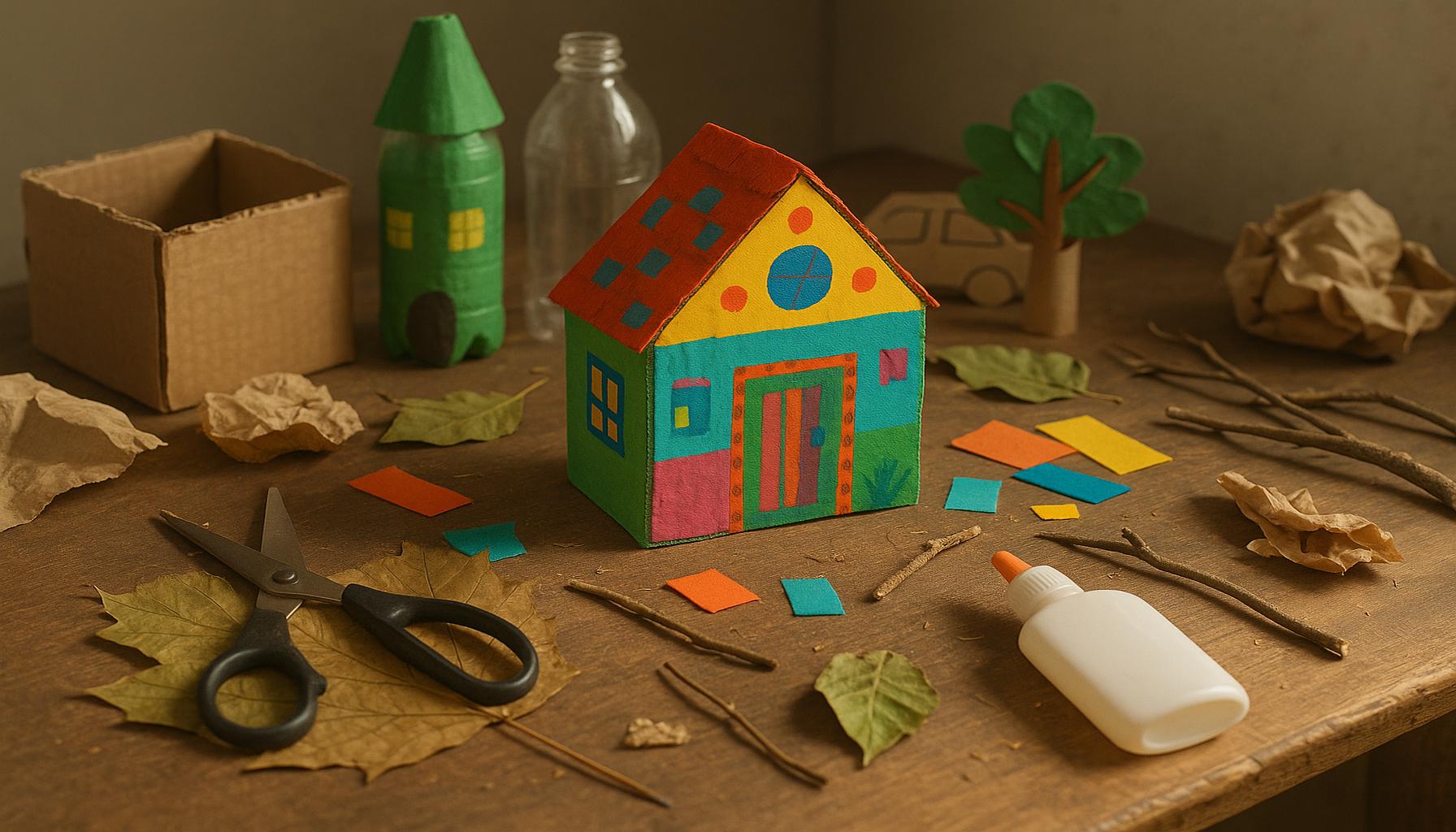
- Cardboard boxes: Not just for shipping, cardboard can be sculpted into imaginative playhouses for children or storage solutions adorned with colorful designs, promoting organization with a twist.
- Scrap fabric: Old clothing or fabric scraps can be transformed into quilts, bags, or even wall art. Patchwork projects celebrate your unique style while keeping textiles out of landfills.
- Wooden pallets: Often discarded, these pallets can be repurposed into stunning furniture pieces like coffee tables or garden benches, bringing a rustic charm to any space.
- Old newspapers: Call upon vintage newspapers for collages, papier-mâché crafts, or unique gift wrapping. The stories they hold can inspire new narratives.
The beauty of utilizing these resources lies in their potential. By tapping into what might otherwise be discarded, you not only reduce waste but also encourage a culture of invention and innovation. Consider how:
- DIY projects can elevate community spaces: Local parks and playgrounds can benefit from community-led projects using reclaimed materials. A simple seating area made from pallets or benches crafted from barrels can create a unique gathering spot that reflects the spirit of the neighborhood.
- Kids can learn valuable skills through hands-on crafting: Schools can engage students in eco-friendly arts to teach them about recycling and the environment, all while helping them develop dexterity through fun projects.
- Individuals can express their unique ideas and solutions: When people create from the raw materials around them, they tell personal stories and address local issues, leading to inventive solutions that resonate with their communities.
As you embark on your creative journey, you’ll discover that limitations can inspire amazing outcomes. Rather than viewing resource scarcity as a drawback, embrace it as a catalyst for innovation. Dive into a world of possibility, where creativity in motion can lead to something remarkable while promoting a sustainable future. Each creation, regardless of its scale, contributes to a collective effort to foster an inventive spirit and to care for our planet, transforming the ordinary into the extraordinary.
DIVE DEEPER: Click here to explore the fusion of flavors
Exploring the Boundless Potential of Repurposed Items
When it comes to fostering creativity and sustainability, repurposing items that would otherwise end up in landfills opens a world of imaginative possibilities. These zero-cost materials are not merely remnants of the past, but rather catalysts for invention that can lead to community enrichment and personal expression. By actively seeking out ways to utilize what we have at our disposal, we can spark a new wave of innovativeness rooted in environmental consciousness.
As you consider your creative journey, it’s helpful to recognize various categories of materials that can be salvaged, transformed, and celebrated. Here are some inspiring ideas:
- Glass jars: These everyday containers can be converted into stunning lanterns, herb planters, or storage units for kitchen staples, minimizing waste while adding charm to your home.
- Old electronics: Outdated gadgets can be disassembled to provide unique components and circuitry for new creations, from art installations to functional pieces like lamps.
- Tin cans: With a bit of cleaning and creativity, tin cans can become vibrant planters, candle holders, or organizers for your workspace, proving that even the most unassuming items can have new life.
- Fabric scraps: Beyond just transforming into quilts, these pieces can be fashioned into delightful toys or wall hangings, showcasing craftsmanship while promoting sustainability.
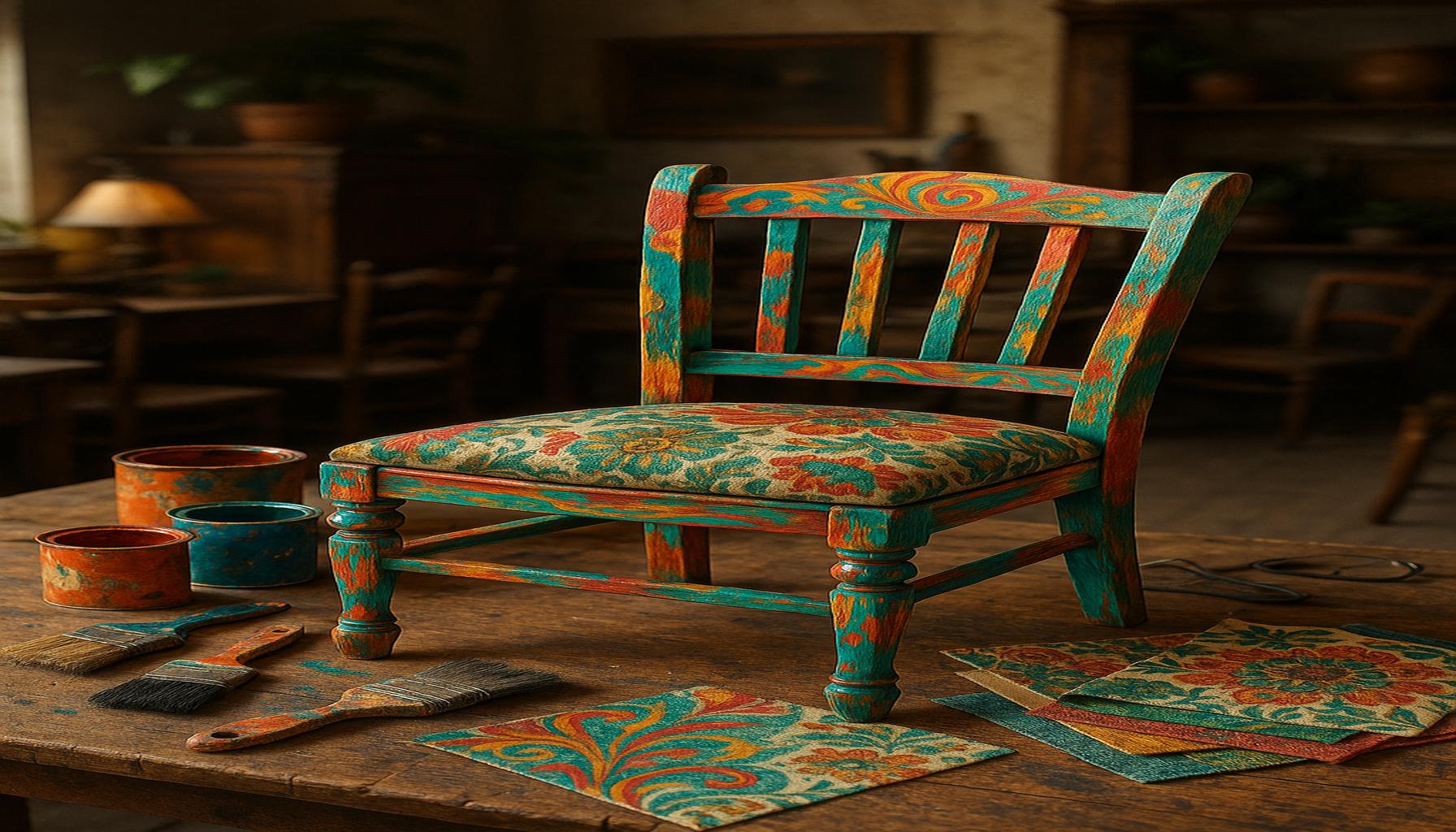
- Worn-out furniture: Instead of discarding old chairs or tables, consider reupholstering or refinishing them, combining creativity with functionality to extend their lifespan.
Moreover, engaging with zero-cost materials not only empowers your creativity but also fosters a community spirit. The act of creating within a collaborative environment can lead to innovative projects that make a meaningful impact. Consider these aspects that amplify community engagement:
- Community workshops: Local art centers or libraries can host workshops where individuals share skills related to crafting with recycled materials, building connections and encouraging collaborative learning.
- Neighborhood swaps: Events where neighbors exchange materials can cultivate a culture of sharing, reducing waste while introducing new creative possibilities.
- Public art installations: Projects using reclaimed items can brighten public spaces, transforming them into vibrant demonstrations of creativity while promoting environmental awareness.
The integration of sustainability within the creative process not only benefits individuals but also cultivates a sense of responsibility towards our planet. By embracing the idea that limits can lead to newfound potential, we unleash an avenue for innovation that champions environmental consciousness. With each project, we redefine the narrative around waste, proving that what may seem obsolete can become remarkable.
As we venture further into the realm of creativity in motion, we’ll uncover practical tips for transforming your home into a workshop, exploring innovative techniques that can enhance your crafting endeavors while contributing to a sustainable future.
| Advantage | Description |
|---|---|
| Environmental Impact | Utilizing zero-cost materials reduces waste and promotes sustainability, aligning with eco-friendly practices. |
| Fostering Creativity | Encouraging innovation through improvisation with materials at hand enhances problem-solving skills and resourcefulness. |
The theme of “Creativity in Motion: Crafting Projects with Zero-Cost Materials” resonates deeply within communities looking to inspire young minds and enhance environmental consciousness. The advantages outlined above illustrate how engaging in projects with recycled or repurposed materials not only promotes sustainability but also sparks inventiveness. By focusing on these two key components, the initiative becomes a pathway for fostering both ecological awareness and the creative spirit.Initiatives that promote hands-on experiences using zero-cost materials can ultimately lead to more sustainable practices in daily life. When individuals, especially children, learn to think creatively with the resources available, they develop a unique skill set that prepares them for challenges ahead. This hands-on approach encourages future innovators to become not only problem solvers but also stewards of the environment, paving the way for a more sustainable future. As interest in these themes grows, communities can further cultivate environments that celebrate resourcefulness and creativity.
DISCOVER: Click here to dive into the delicious connection between film and food
Transforming Spaces: Practical Techniques for Crafting with Zero-Cost Materials
As we delve deeper into the realm of creativity and sustainability, it becomes essential to explore how to effectively utilize and transform zero-cost materials to create impactful projects. Not only can these techniques spark innovation, but they also allow individuals to cultivate their own creative spaces, whether in a home office, garden, or community hub. Let’s examine practical methods to facilitate this transformative journey.
One of the most effective ways to maximize the potential of repurposed materials is through upcycling. This process involves reimagining discarded items into something of greater value, both aesthetically and functionally. Here are a few methods to jumpstart your projects:
- Paint and Polish: An old wooden chair can be revitalized by sanding down any rough patches, applying a fresh coat of non-toxic paint, or using eco-friendly wood oil. This simple transformation can turn an item marked for disposal into a statement piece for any room.
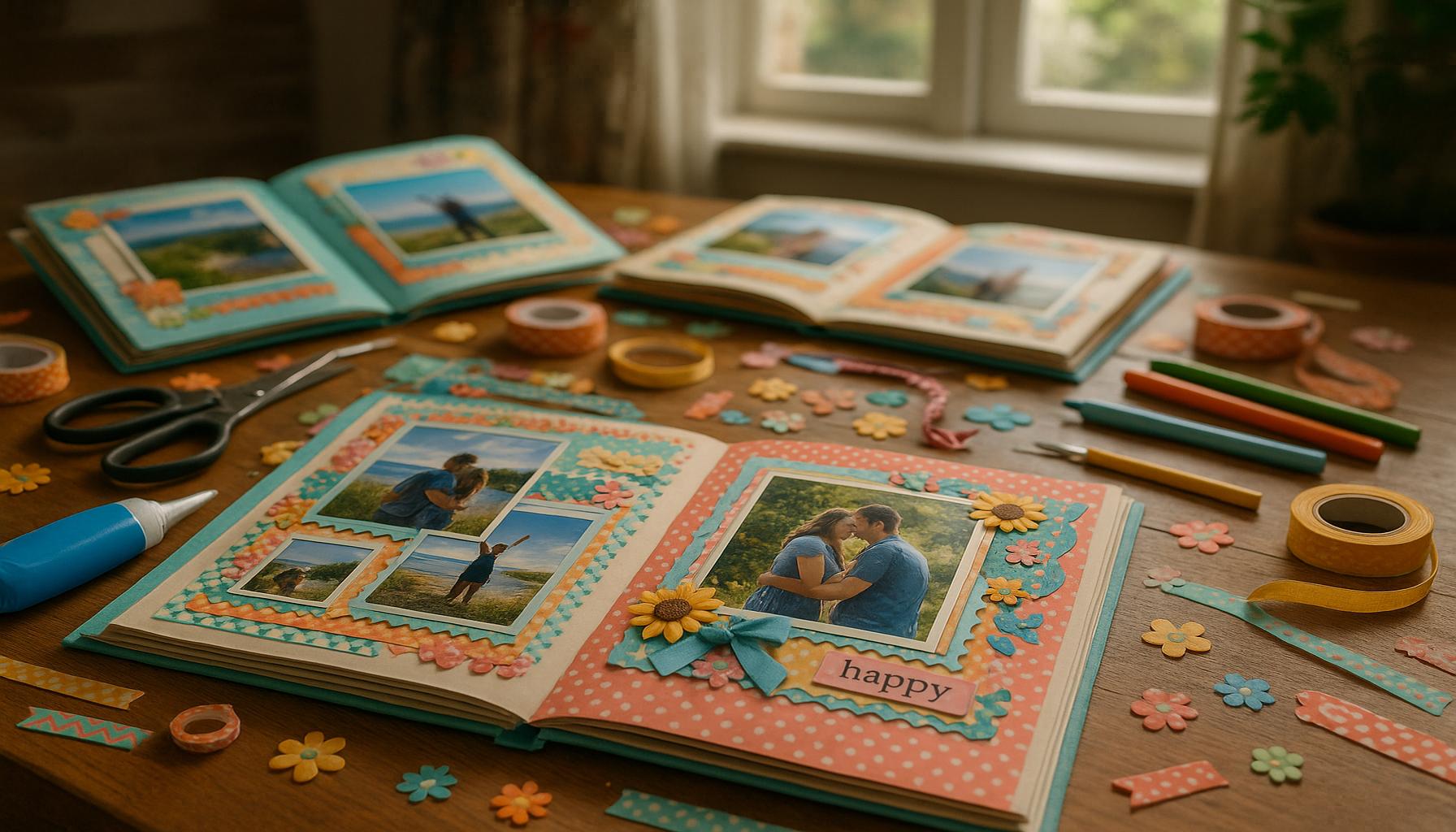
- Collage and Mosaic: Broken tiles, old magazines, or scrap paper can be transformed into dazzling art pieces or home décor items. Engaging in collage work can inspire creativity while also serving as a great way to involve family members and friends, turning a project into a shared experience.
- Functional Furniture: Utilize pallets or crates to craft tables, shelves, or benches. With minimal tools and some strategic assembly, you can create stunning pieces that support sustainable living while showcasing your unique style.
Additionally, incorporating natural elements into your projects can enhance your creative space. Items such as twigs, stones, and leaves can act as both decoration and materials for crafting. These elements can be used in various decorative projects, from wreaths to centerpieces, bridging the gap between nature and creativity.
One cannot overlook the significance of digital resources in this innovative endeavor. The rise of platforms such as Pinterest and Instagram has transformed the way artists and creators share their projects and inspirations. Engaging with these platforms can not only provide a wealth of tutorials and ideas, but also foster a community eager to share their own zero-cost projects. Here are some ways to utilize these resources:
- Follow Hashtags: Search for hashtags like #Upcycling, #DIYProjects, and #ZeroWaste, to discover new ideas and connect with like-minded creators from across the globe.
- YouTube Tutorials: Many creators share step-by-step guides on transforming everyday items into valuable products. Take advantage of these tutorials to refine your skills, learn new techniques, or discover innovative uses for items you already own.
- Engage in Challenges: Participate in local or online DIY challenges to encourage creativity within a deadline. Such events often inspire participants to push their boundaries and attempt projects they may not have pursued otherwise.
Ultimately, enhancing creativity through the use of zero-cost materials is not just about creating tangible items; it’s also about cultivating an environment of continuous innovation and resourcefulness. Each project serves as an opportunity to redefine waste while encouraging others to see potential in what they might typically overlook. As you embark on your crafting journey, consider how these ideas can transform your personal projects into shared movements that champion sustainability and inspire future generations.
DISCOVER MORE: Click here to learn how to modernize your favorite classic dishes
Conclusion: The Future is Crafting Without Cost
As we embrace the journey of creativity through crafting with zero-cost materials, it becomes clear that the potential for innovation and sustainability knows no bounds. This unique approach not only empowers individuals to express their artistic vision but also promotes a culture of resourcefulness that challenges the conventional mindset of waste. By engaging in projects that repurpose everyday items, such as old furniture, discarded paper, and natural elements, crafters can not only create stunningly innovative pieces but also play a pivotal role in the fight against environmental degradation.
The strategies discussed throughout this article—ranging from upcycling techniques to the use of digital platforms for inspiration—serve as a foundation for anyone looking to delve into the world of zero-cost crafting. By harnessing collective ingenuity and sharing experiences, we can collectively cultivate a community that prioritizes sustainability and encourages creative exploration.
As we look towards the future, consider how your crafting projects can not only beautify your surroundings but also promote sustainability. In doing so, you become a part of a larger movement that values both artistic freedom and environmental stewardship. The next time you see something destined for the dump, let it ignite your imagination. Transform it, redefine its purpose, and inspire those around you to do the same. Your creative journey with zero-cost materials not only has the power to innovate but also contributes significantly to a more sustainable world.