The History and Evolution of Culinary Techniques: From Tradition to Innovation
Exploring Culinary Techniques Through the Ages
The timeline of culinary techniques reveals a profound connection to human history, culture, and technological advancement. From the primitive methods of our ancestors to the complex gastronomic arts of today, each advancement in cooking reflects significant social and environmental transformations. This narrative not only highlights the innovations in cooking but also serves as a mirror to humanity’s quest for culinary excellence.
Ancient Techniques: The Birth of Cooking
In the earliest days of human existence, cooking methods were rudimentary, yet they set the foundation for everything that followed. Early humans harnessed the power of fire, discovering that roasting meats over an open flame could enhance flavors and make food safer to eat. This basic technique of roasting was pivotal; it marked the transition from raw to cooked food, profoundly altering diets and social practices. In addition to roasting, early cultures utilized heated stones to cook food or create steam, which laid the groundwork for future culinary practices.
Medieval Methods: The Advancements in Tools and Techniques
The Middle Ages saw the emergence of more sophisticated cooking tools that revolutionized food preparation. The use of clay pots and, later, metal cookware allowed for boiling, baking, and frying, enhancing the flavor profiles and textures of various dishes. The introduction of ovens changed the culinary landscape, enabling the baking of breads and pastries, staples of many diets. Similarly, techniques like fermentation became widespread, leading to the production of cheeses, breads, and pickles, demonstrating early examples of preservation methods that are still essential in modern cuisines.
Modern Innovations: A Culinary Renaissance
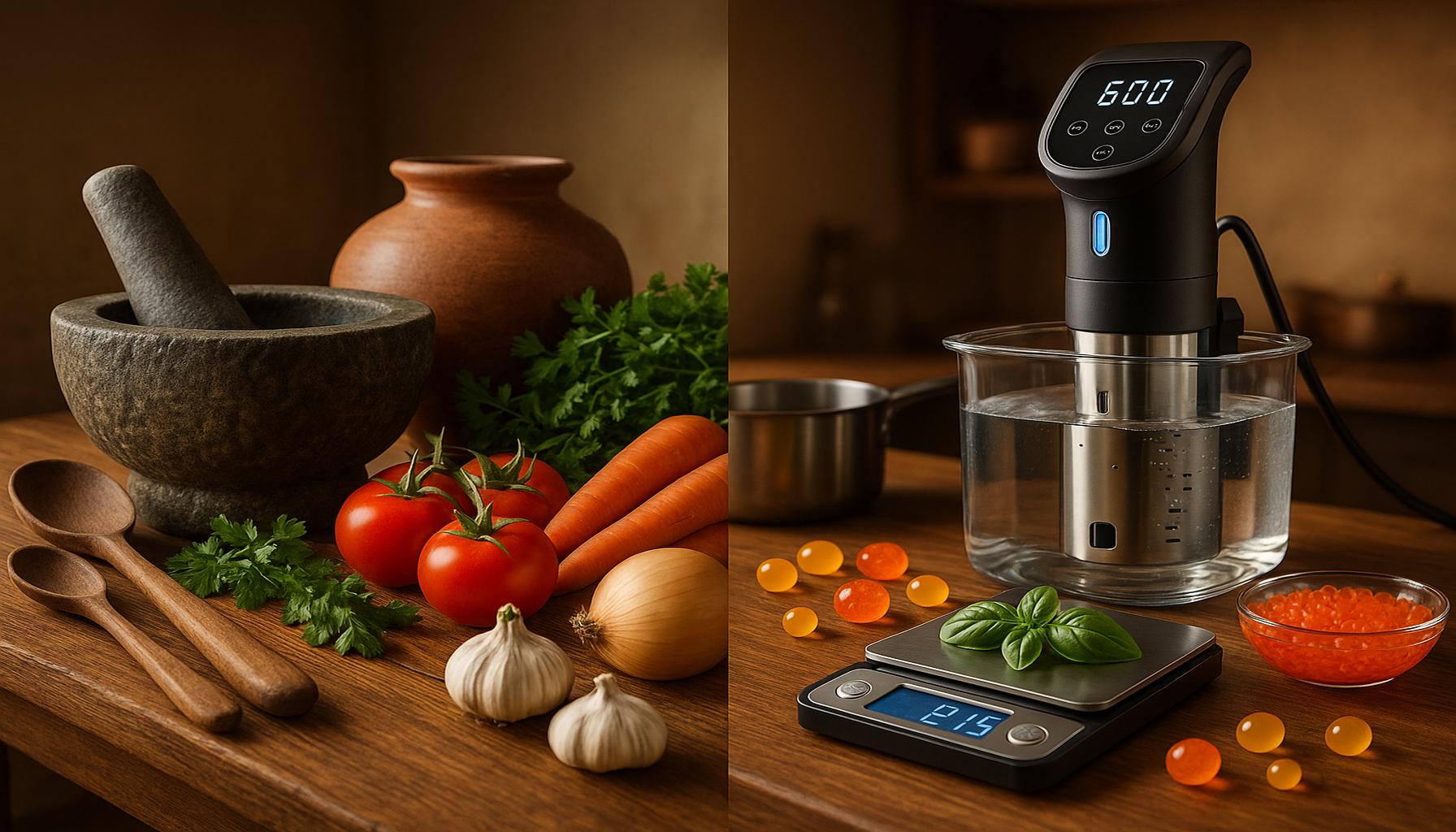
The late 20th and early 21st centuries heralded an era of groundbreaking innovations in culinary techniques. Methods such as sous-vide, which involves cooking food in vacuum-sealed bags at precise temperatures, have gained popularity among chefs for their ability to produce high-quality, consistent results. Another striking evolution has been molecular gastronomy, which combines science and culinary arts to create dishes that are as visually stunning as they are delicious. This approach employs techniques like spherification and foam production to transform traditional recipes into avant-garde cuisine.
The American Culinary Landscape
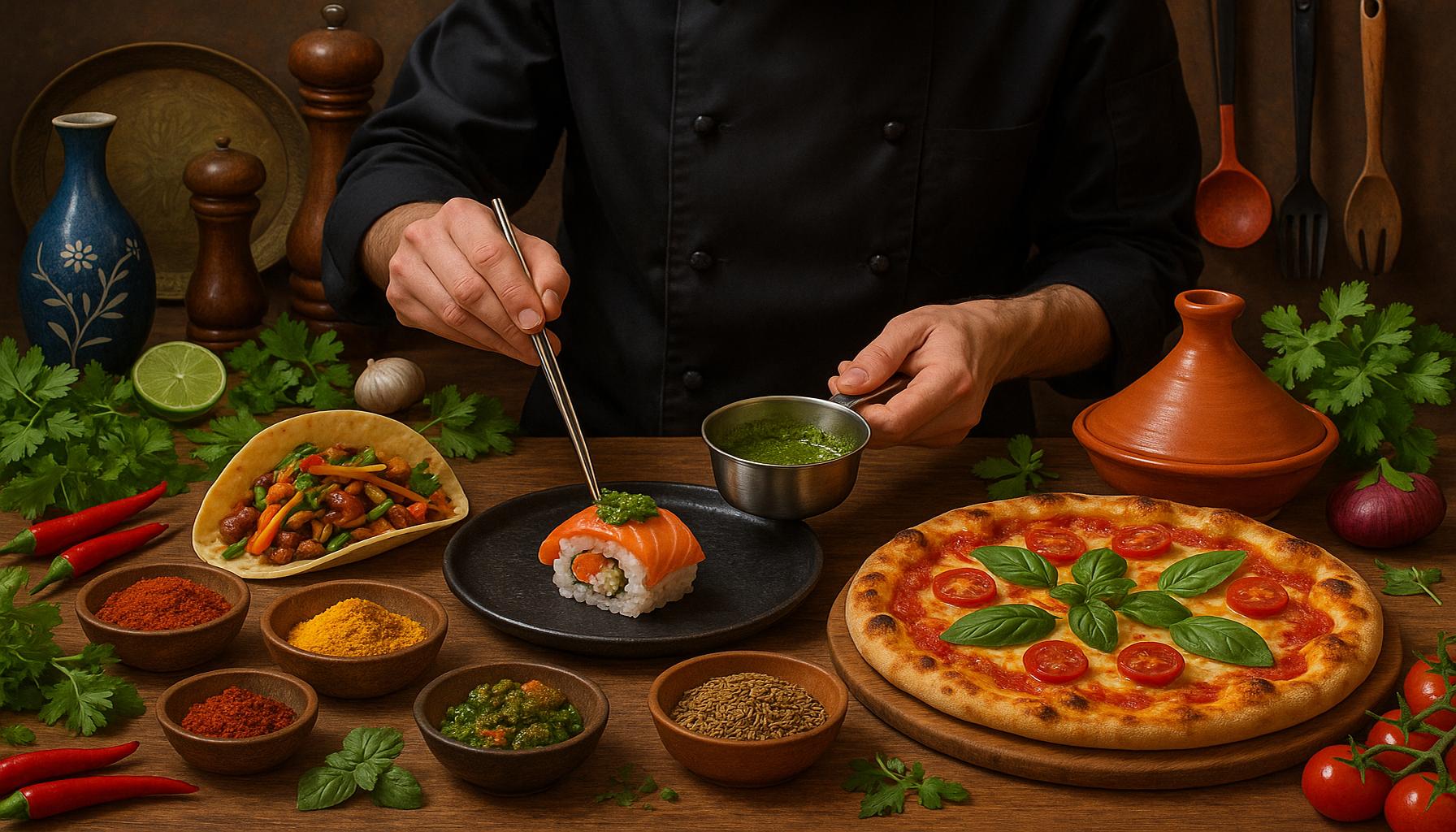
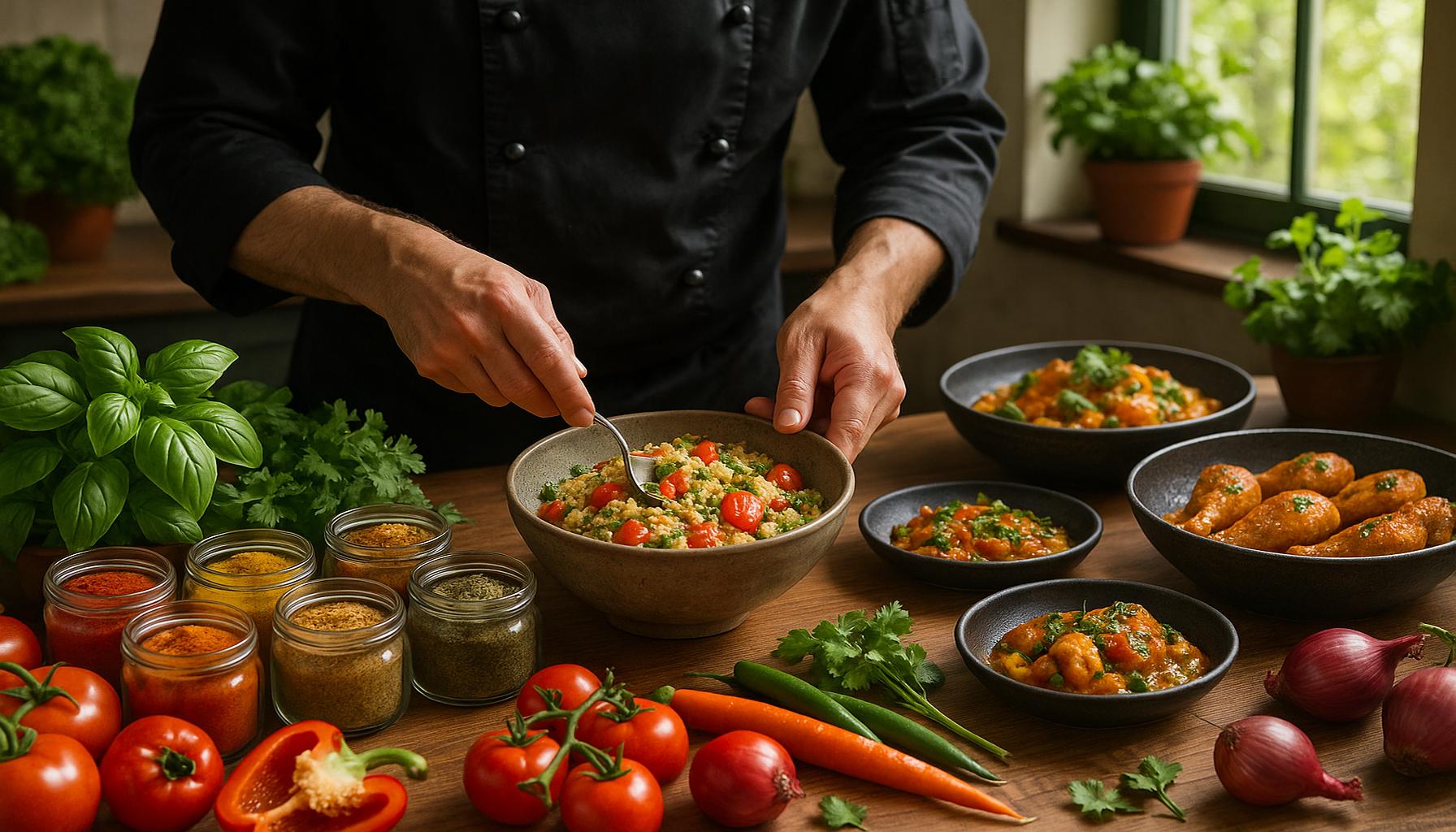
In the United States, the diversity of culinary techniques is richly influenced by the vast array of cultural traditions represented across the country. From the Southern cooking techniques of slow-smoking and frying to the stir-fry methods popularized by Asian immigrants, American cuisine is a melting pot of global influences. Innovative chefs today continue to blend historical methodologies with contemporary trends, resulting in an explosion of unique dining experiences that push the boundaries of culinary art.
As we explore the history and evolution of culinary techniques, we will uncover more than just cooking methods; we will discover how food preparation practices reflect societal changes, embrace innovation, and unite diverse cultures through shared culinary heritage. Join us on this engaging journey, as we bridge the gap between tradition and innovation, unveiling the fascinating stories behind the food we love.
DISCOVER MORE: Click here to explore the reimagined classics
The Culinary Techniques of Antiquity to the Age of Innovation
As we traverse the vast landscape of culinary history, we encounter a plethora of techniques that have shaped our eating practices and cultural identities. The evolution of cooking is not merely a progression of methods; rather, it encapsulates the very essence of human ingenuity and adaptation. It reflects our responses to geographical, social, and technological changes over time.
The Role of Agriculture in Culinary Development
The advent of agriculture approximately 10,000 years ago marked a turning point in culinary techniques. With the domestication of crops and livestock, communities transitioned from nomadic lifestyles to settled farming, enabling them to cultivate grains and raise animals. This agricultural revolution introduced new ingredients, leading to innovative cooking methods that were previously unimaginable. Techniques like:
- Baking: Harnessing heat to create bread, a staple across various cultures.
- Fermentation: Developing probiotic-rich foods such as yogurt and fermented beverages, foundational to diets worldwide.
- Preservation: Utilizing drying, salting, and pickling to extend the shelf life of seasonal produce.
These methods not only broadened dietary options but also laid the groundwork for food preservation, which would become crucial for long winters and travels. They exemplified early human understanding of biological processes, echoing in contemporary techniques used by chefs and home cooks alike.
Regional Flavors and Techniques
As civilizations evolved, so too did culinary techniques, becoming distinct markers of cultural identity. For instance, the ancient Egyptians perfected the art of baking, giving rise to a variety of breads and pastries that would influence Mediterranean cuisine. Meanwhile, in Asia, the invention of the wok introduced stir-frying, a method that maximized flavor while minimizing cooking time. Such innovations reveal how geography, climate, and available resources shaped local cooking styles.
The Renaissance period further propelled culinary methods into the spotlight, marking a time when food transitioned from mere sustenance to a form of art. The establishment of royal courts turned chefs into avant-garde professionals, experimenting with intricate dishes and presentation that would set the stage for haute cuisine. This era gave rise to formal cookbooks, which became the linchpin for culinary tradition, disseminating techniques across regions.
Globalization and Culinary Cross-Pollination
The Age of Exploration in the 15th and 16th centuries marked an essential chapter in the history of culinary techniques. Traveling across continents, explorers brought back new spices, fruits, and cooking methods, leading to a fusion of flavors that would transform cuisines globally. Coffee, sugar, and chocolate, once considered exotic commodities, became staples in many households. The resulting culinary cross-pollination facilitated the development of new techniques, enriching the landscape of global cuisine.
As the narrative of culinary techniques unfolds, it becomes clear that the evolution from traditional methods to innovative practices is a dynamic interplay shaped by culture, geography, and technology. In examining these developments, we not only appreciate the art of cooking but also recognize food as a universal language, bridging divides and fostering connections across diverse cultures.
Culinary techniques have evolved remarkably over centuries, transitioning from ancient practices rooted in tradition to modern innovations that redefine the gastronomic landscape. This transformation is influenced by various factors, including cultural exchanges, technological advancements, and the ever-changing palate of consumers. The fusion of traditional methods with innovative approaches has not only enhanced flavors but also expanded the possibilities within gastronomy.One notable aspect of this evolution is the introduction of new cooking technologies. Techniques such as sous-vide cooking, which emerged from sophisticated food preservation methods, allows chefs to cook food evenly while retaining its moisture and flavor. This method represents a blend of tradition and scientific innovation, capturing the essence of culinary evolution.Moreover, globalization has played a significant role in shaping culinary techniques. The blending of diverse cuisines has given rise to unique dishes that embody the core essence of multiple cultures. For instance, the integration of Asian spices in Western cuisine has created a myriad of flavor profiles that continue to intrigue food enthusiasts.Another important trend in the culinary world is the emphasis on sustainability. Chefs are increasingly turning to local, seasonal ingredients and zero-waste cooking practices. This movement not only preserves traditional techniques but also ensures that innovation occurs in harmony with environmental responsibility. The evolution of culinary techniques is further underscored by the role of food media and gastronomy education. Shows and platforms dedicated to cooking have made advanced techniques more accessible, empowering home cooks to explore and experiment with their culinary skills. Innovative approaches are now more widely disseminated, encouraging an enthusiastic exchange of ideas across the globe.To truly appreciate this journey through time, one must delve deeper into individual techniques, their histories, and their significance in the culinary arts today. Each method tells a story of culture, adaptation, and creativity, showcasing the dynamic interplay between traditional roots and modern innovation.
DON’T MISS: Click here to uncover creative twists on timeless recipes
The Renaissance of Culinary Approaches and Technological Advances
The 18th and 19th centuries were pivotal in the transformation of culinary techniques, ushering in a Renaissance that would redefine how food was perceived and prepared. With the rise of the Enlightenment and scientific reasoning, chefs began to experiment scientifically with heat and ingredients, leading to innovations in cooking techniques. This newfound dedication to culinary science manifested in the form of new cooking technologies and methods that altered traditional practices.
The Influence of French Cuisine
One cannot discuss the evolution of culinary techniques without acknowledging the profound impact of French cuisine. The establishment of the culinary school system and the formalization of cooking as a professional vocation propelled chefs like Auguste Escoffier into the limelight. He is often regarded as the father of modern French cooking and was instrumental in creating the brigade de cuisine, a structured kitchen hierarchy that revolutionized restaurant cooking. Escoffier’s introduction of techniques such as:
- Sous-vide: A method of vacuum-sealing food and cooking it at precise temperatures, preserving flavors and moisture.
- Emulsification: Techniques for combining ingredients such as oil and vinegar into stable mixtures, exemplified in sauces like hollandaise and vinaigrettes.
- Consommé: A process that creates a clear broth through careful clarification, showcasing the importance of technique in achieving flavor purity.
These innovations underscored the principle that cooking could be refined into a science, where precision and technique led to exceptional dining experiences.
The Age of Industrialization and Food Manufacturing
The arrival of the Industrial Revolution in the late 19th century brought about significant changes in culinary techniques as well. Advances in food preservation methods, including the introduction of canning, freezing, and pasteurization, extended the lifespan and availability of ingredients. This period also saw the proliferation of ready-made meals and processed foods, which fundamentally altered eating habits and the notion of home cooking in America and beyond.
In this era, one can witness the first emergence of culinary convenience products: boxed macaroni and cheese, canned soups, and frozen dinners reshaped how people approached mealtime. However, alongside convenience, a counter-movement began to stir; with the rise of the health-conscious consumer came a desire to return to traditional cooking techniques that emphasized fresh, whole ingredients.
Modern Innovations: Molecular Gastronomy and Fusion Cuisine
The late 20th and early 21st centuries have marked an unprecedented era in the history of culinary techniques. The emergence of molecular gastronomy introduced an entirely new dimension to cooking—a blend of culinary art and scientific exploration. Chefs like Ferran Adrià and Heston Blumenthal pushed boundaries by utilizing techniques such as:
- Spherification: Creating liquid-filled spheres that burst in the mouth, adding an unexpected element to traditional dishes.
- Foaming: Utilizing emulsifiers to create airy foams that enhance flavor delivery.
- Cryogenic techniques: Freezing ingredients using liquid nitrogen to create new textures and presentations.
Moreover, the culinary landscape became a rich tapestry of fusion cuisine, where chefs began blending the influences of diverse cultures, marrying flavors and techniques from around the globe to craft new experiences. This era highlights how globalization continues to inform and inspire culinary techniques, turning dining into a celebration of multiculturalism.
As we explore the journey from traditional to innovative culinary techniques, we uncover a tapestry woven with threads of history, culture, and scientific advancement, paving the way for future generations of chefs and food lovers alike. The ability to anticipate the next wave of culinary evolution lies in the understanding of this rich narrative and how it continuously shapes our palate and dining experiences.
DISCOVER MORE: Click here to delve deeper
Conclusion: A Culinary Tapestry of Tradition and Innovation
The journey through the history and evolution of culinary techniques paints a vibrant picture of how food—a universal necessity—has transformed into an art form. From the meticulous methods of ancient civilizations to the grand innovations of the Renaissance, and further into the age of industrialization and modern gastronomy, the evolution of cooking reflects cultural shifts, technological advancements, and changing consumer preferences. Each era brought its own flavors and styles, weaving a rich tapestry of culinary knowledge and practices that continue to inspire chefs and home cooks alike.
As we stand at the crossroads of tradition and innovation, it becomes evident that culinary techniques are more than just methods of preparation; they embody the stories and legacies of our past while poised on the brink of future experimentation. Today’s chefs, leveraging scientific understandings and cultural influences, are redefining dining experiences through the lens of molecular gastronomy and fusion cuisine, making it essential for us to embrace these changes without losing sight of our culinary roots.
The ongoing evolution invites not only professional chefs but also food enthusiasts to explore the interplay of tradition and modernity in their kitchens. By understanding the history of culinary techniques, we are better equipped to appreciate the flavors on our plates, engage with diverse cuisines, and contribute to a future rich with culinary exploration. In this dynamic landscape, the future of cooking holds endless possibilities waiting to be discovered, inviting everyone to participate in this delicious journey.