The Science Behind Cooking: How Chemistry Transforms Ingredients into Flavors
The Intricacies of Cooking Science
Cooking transcends mere sustenance; it is an elaborate orchestration of chemical reactions and scientific principles. Each time we embark on preparing a meal, we engage a host of fascinating processes that not only change the physical characteristics of food but also its flavor, aroma, and nutritional value. By gaining insights into these reactions, both amateur cooks and seasoned chefs can significantly enhance their culinary prowess and the overall taste of their dishes.
Let’s delve deeper into some pivotal elements of culinary chemistry:
- Maillard Reaction: This complex chemical reaction occurs when amino acids and reducing sugars react at elevated temperatures, usually above 300°F (150°C). It is responsible for the enticing brown crust on bread, the rich color of seared steaks, and the depth of flavor in roasted coffee. The Maillard reaction not only contributes to the aesthetics of our meals but also introduces robust flavors that elevate the dining experience.
- Emulsification: This process involves the combination of two immiscible liquids, such as oil and water, into a stable mixture. Emulsification is critical for creating smooth and creamy salad dressings, mayonnaise, and sauces like hollandaise. This is usually facilitated through the addition of an emulsifier, such as egg yolk, which stabilizes the mixture by reducing the surface tension between the oil and water molecules, allowing them to blend uniformly.
- Fermentation: A hallmark in culinary chemistry, fermentation is a metabolic process that converts sugars to acids or alcohols using microorganisms like yeast or bacteria. This ancient technique not only serves as a method of food preservation but also enriches food with distinct flavors and probiotic benefits. Classic examples include the tangy taste of sourdough bread and the complex flavors of cheese and yogurt.
Understanding these chemical processes enables cooks to:
- Create balanced flavors by mastering the interplay between acidity and sweetness, leading to dishes that tantalize the palate.
- Manipulate textures by varying cooking temperatures and methods, from the crispiest fried chicken to the silkiest crème brûlée, each showcasing the versatility of ingredients.
- Experiment with avant-garde cooking techniques, such as sous-vide, which relies on precision temperature control for enhanced tenderness, or molecular gastronomy, which employs scientific methods to deconstruct and reimagine traditional dishes.
Every time we chop, sauté, or season, we are interacting with the principles of chemistry; this engagement opens the door to extraordinary culinary experiences. By mastering these scientific principles, you can elevate not just your cooking skills but also your understanding and appreciation of food. As you dive deeper into the world of cooking science, consider exploring how these reactions influence your favorite dishes, transforming simple ingredients into works of art on your plate.
DISCOVER MORE: Click here to find out how cooking can boost creativity and teamwork!
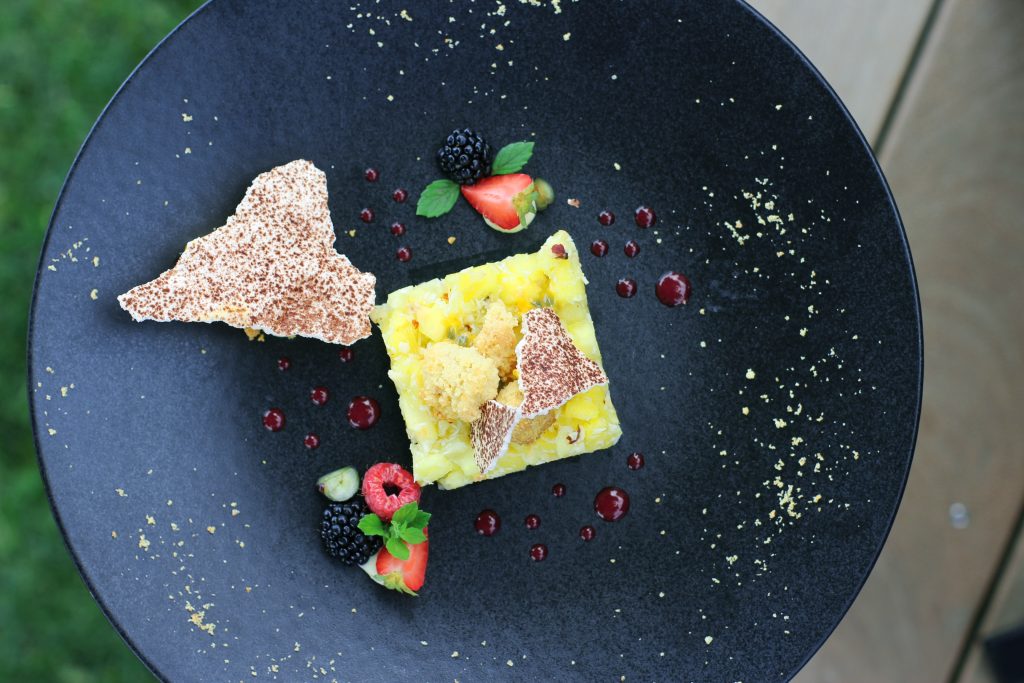
Unlocking the Secrets of Flavor Development
At the core of cooking lies the transformative power of chemistry, which works diligently to elevate our ingredients into something truly extraordinary. As you explore the kitchen, you’ll find that the science behind cooking plays a significant role in how flavors are developed. This intricate dance of molecules and chemical reactions not only creates the tastes we adore but also affects the smell, appearance, and overall perception of our food.
Let’s take a closer look at some essential chemical processes that contribute to flavor development in cooking:
- Acid-Base Reactions: The balance of acidity and alkalinity in food is vital for flavor enhancement. Ingredients like vinegar, citrus fruits, and tomatoes can infuse dishes with brightness and tang when balanced properly. When cooking, the acidity can cut through the richness of fats, creating a harmonious flavor profile that tantalizes the taste buds. For instance, a splash of lemon juice in a creamy pasta can elevate the entire dish, leaving a refreshing finish.
- Starch Gelatinization: When heat is applied to starches found in ingredients like rice, potatoes, and flour, they absorb water and swell, forming a gel-like consistency. This process is essential in creating velvety sauces, the fluffiness of cakes, and the satisfying texture of bread. As starches gelatinize, they also impart a subtle sweetness that adds complexity to our dishes.
- Caramelization: When sugars are subjected to heat, they undergo caramelization, resulting in a beautifully rich flavor and color. This reaction starts at around 320°F (160°C) and produces compounds that deepen flavors, enhancing everything from roasted vegetables to desserts. Think of the luscious, bittersweet notes found in perfectly caramelized onions or the golden hue of a crème caramel – both are products of this enticing chemical transformation.
By harnessing the knowledge of these chemical reactions, you can:
- Achieve profound flavor depth by skillfully integrating various acids and sugars, ultimately crafting dishes that captivate the palate.
- Enhance textures through precise cooking techniques, ensuring that every dish has the desired mouthfeel from crispy fries to smooth purées.
- Experiment with infusions and combinations, utilizing ingredients that interact chemically to form new taste sensations, like adding a pinch of baking soda to chili for a mellow flavor.
As you embrace the concepts of cooking science, you will discover that each technique you employ is underpinned by chemistry. Understanding these interactions not only empowers you in the kitchen but opens your eyes to the myriad possibilities available within the realm of culinary creativity. Next time you cook a meal, think about the science at play; it may just inspire a newfound appreciation for the art of flavor transformation.
The Role of Chemistry in Flavor Development
Cooking is not merely an art; it is a science steeped in the intricacies of chemistry. Understanding how chemical reactions between ingredients enhance the flavors we experience can transform an ordinary dish into an extraordinary culinary adventure. For instance, when we caramelize sugar, a process known as the Maillard reaction occurs, where sugars react with amino acids at high temperatures. This reaction produces complex flavors and aromas that are fundamental to many beloved dishes, from crispy roasted vegetables to perfectly seared meats.Moreover, the chemistry behind cooking extends to how different techniques can alter taste profiles. When ingredients are exposed to heat, moisture, or even acids, they undergo chemical changes that unlock or enhance their innate flavors. This is particularly noticeable in the fermentation process, where sugars are converted into alcohol and various compounds by yeast or bacteria, giving rise to unique flavors in products like bread, cheese, and beer. On the other hand, the manipulation of pH levels can also dramatically alter flavors. For example, when cooking vegetables, adding a pinch of salt can change the acidity balance, highlighting the natural sweetness of the produce. This intricate dance of chemistry not only enriches our culinary experiences but also creates a deeper appreciation for the ingredients we often take for granted.Next, consider how the cooking methods—whether grilling, poaching, or baking—affect the flavor outcome. Each technique involves distinct chemical interactions. Grilling, for example, imparts a smoky flavor through the combination of heat and the Maillard reaction, while baking allows for the gentle transformation of flavors through slow heating and moisture retention.As we delve deeper into the chemistry of cooking, the exciting possibilities for flavor development become increasingly apparent. With every ingredient we add, every technique we employ, and every reaction that takes place, we unlock new realms of taste that elevate our culinary creations. Understanding this science not only enhances cooking skills but also inspires experimentation in the kitchen, urging every home chef to explore the profound impacts of chemistry on the food they create. To further illustrate these concepts, we can take a look at the advantages that a deeper understanding of this chemistry can provide to both novice and experienced cooks alike. Below is a table summarizing some key categories related to the science of cooking:
| Category | Description |
|---|---|
| Chemical Reactions | Understanding how reactions, like the Maillard effect, enhance flavor and aroma. |
| Flavor Enhancement | Utilizing cooking methods to develop unique flavors and textures in dishes. |
DIVE DEEPER: Click here to discover more
The Role of Temperature and Time in Flavor Creation
When it comes to cooking, temperature and time are two fundamental variables that deeply influence flavor development. Each cooking technique adheres to these principles, causing complex interactions among various ingredients that contribute to the overall taste experience.
One of the most impactful factors is the Maillard reaction, a chemical process that occurs between amino acids and reducing sugars when food is exposed to elevated temperatures. This reaction typically begins around 285°F (140°C) and is responsible for the rich colors and distinct flavors of grilled meats, toasted breads, and roasted coffee. Imagine a perfectly seared steak; the golden-brown crust achieved is not merely a visual appeal but a result of the Maillard reaction enhancing the savory flavors and aromas.
Temperature control is equally significant when preparing delicate ingredients. For example, when cooking eggs, gentle heat is necessary to avoid curdling and maintain a creamy consistency. At the molecular level, proteins in eggs unfold and bond together as they heat, creating a soft texture when done correctly. This concept extends to custards and sauces, where overheating can rupture the emulsion, resulting in a grainy finish.
Time is another dimension of cooking that cannot be understated. The slow cooking process allows flavors to meld and develop more profoundly. Braising, for instance, is a technique that combines moist and dry heat to break down tough cuts of meat. As the meat cooks slowly, collagen dissolves into gelatin, lending a luxurious mouthfeel and depth of flavor that can’t be achieved with quicker methods. This explains why a well-cooked brisket or pot roast is often described as ‘melting in the mouth’ – it’s the result of both time and temperature working harmoniously to transform the ingredient’s texture and flavor.
Additionally, the impact of time extends to marinating. The mixtures of acids, oils, and spices used to tenderize and flavor proteins work their magic over time. Ingredients like soy sauce, which contains both salt and sugar, help to penetrate the surface of the meat, enhancing its flavor profile. This transformation occurs as the marinade’s compounds slowly infiltrate the proteins, resulting in a more robust taste. The longer the marination, the more pronounced the flavor will be, but it’s important to strike a balance; over-marinating can lead to a mushy texture due to excessive breakdown of the proteins.
Moreover, the importance of emulsification arises when we consider how mixtures of fat and water can create delightful sauces and dressings. When emulsifiers, such as egg yolks in mayonnaise or mustard in vinaigrettes, are introduced, they stabilize the suspension of fat droplets in water, resulting in a smooth and homogenous blend. This process highlights the significance of ingredients’ proportions and the techniques used to combine them; too little emulsifier can lead to separation, while the perfect balance creates an irresistible smooth texture that complements a dish’s flavor.
Understanding the interplay of temperature and time in cooking allows you to experiment with greater confidence and precision in the kitchen. By mastering these elements, you can unlock a world of flavors, textures, and culinary delights that take your cooking to new heights. Don’t hesitate to delve into the science behind your cooking; it may lead you to new techniques and dishes that truly inspire your culinary adventures.
DISCOVER MORE: Click here to dive into the world of experimental cuisine
Conclusion: Unleashing the Flavor Potential of Chemistry in Cooking
As we’ve uncovered, the science behind cooking is a fascinating blend of chemistry and culinary art. Each technique we employ—whether it’s roasting, braising, or emulsifying—is grounded in molecular interactions that profoundly impact the flavors and textures of our dishes. Understanding these chemical processes not only enhances our ability to create delicious meals but also elevates our appreciation for the craft of cooking.
The principles of heat and time stand out as pivotal forces in this gastronomic journey. The Maillard reaction brings depth to grilled meats while gentle heat preserves the delicate properties of eggs and sauces. Moreover, the transformative effects of time, as evidenced in marinating and braising, showcase how patience can lead to remarkable flavor development. Each step, however minor it may seem, contributes to the symphony of tastes that delight our palates.
By embracing the science behind cooking, we empower ourselves to experiment and innovate in the kitchen. This knowledge not only arms us with the ability to troubleshoot potential disasters but also inspires creativity in our culinary adventures. So, the next time you find yourself drawn to the stovetop, consider the chemistry at play. Whether you’re searing a steak or whipping up a vinaigrette, remember that you are engaging in a magical dance of molecular transformation that ultimately leads to unforgettable flavors and experiences. In the world of cooking, the right blend of science and creativity can turn an ordinary meal into a culinary masterpiece.