The Art of Presentation: Transforming Dishes into Works of Art
Discovering the Art Behind Food Presentation
The visual appeal of food plays a significant role in our dining experiences. In the United States, where food culture is as diverse as its population, presentation has evolved into an intricate art form. Chefs and home cooks alike are now challenged to not just satisfy hunger but to captivate the senses, making the act of dining an immersive experience. Every plate serves not only as nourishment but also as a canvas telling a story, showcasing creativity and tradition.
Elements of Culinary Aesthetics
Whether it’s a gourmet meal in a fine dining restaurant or a casual dish at home, several vital elements contribute to the artistry of presentation:
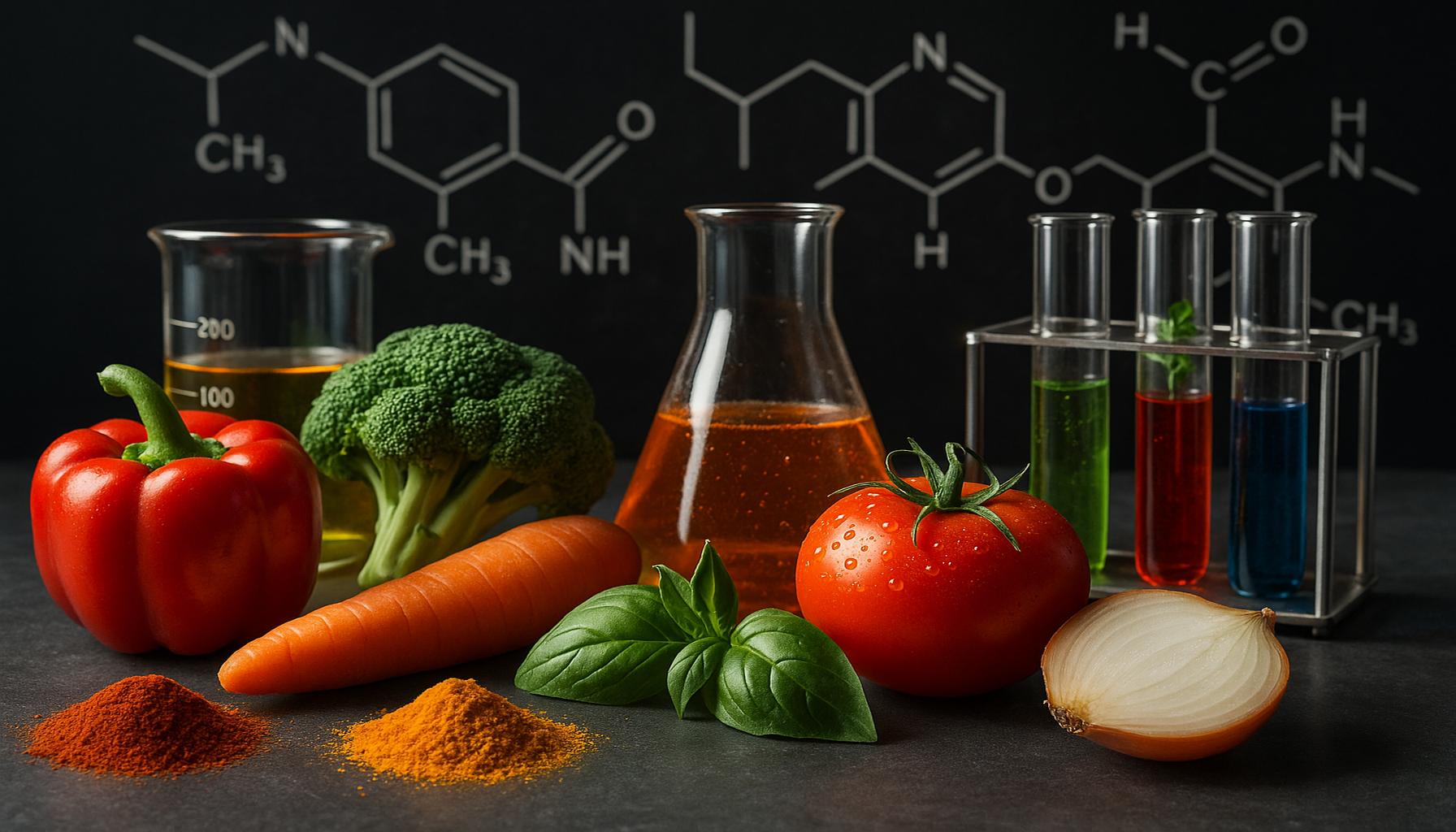
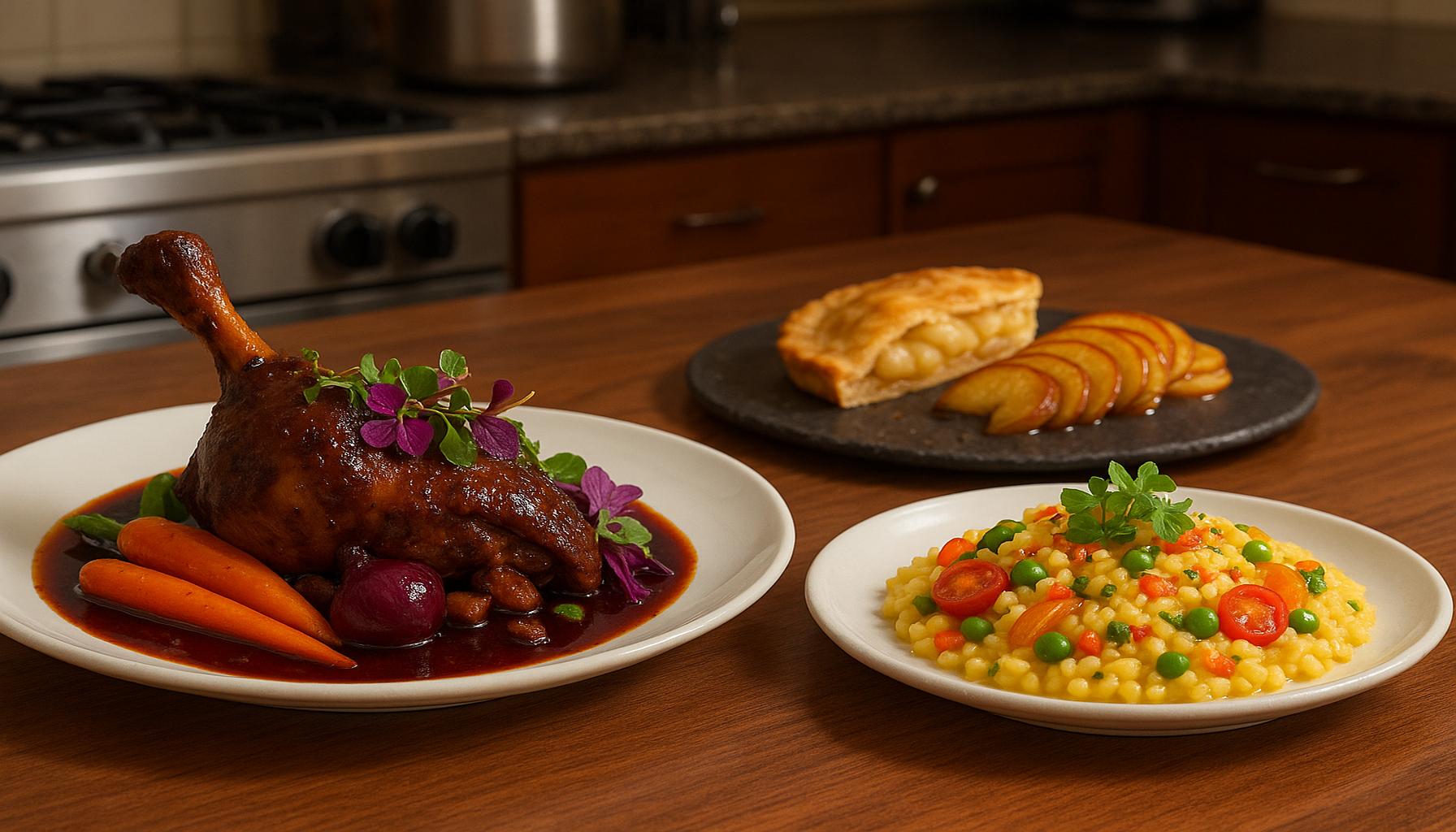
- Color: Vibrant hues can enhance a dish’s appeal and stimulate appetite. For instance, a plate of roasted vegetables can be transformed by the inclusion of deep green kale, orange carrots, and ruby-red bell peppers, creating a colorful spectrum that entices the eye.
- Texture: A variety of textures can make a dish more interesting. Consider a classic layered lasagna where the smooth, creamy ricotta contrasts with the chewy pasta and the crunchy topping of melted cheese. Textural diversity encourages diners to engage more deeply with their food.
- Arrangement: The way food is placed on the plate creates focal points. Techniques such as stacking ingredients, using negative space, or forming geometric shapes can guide the eye and create a sense of intentional design. A well-arranged dish invites diners to explore each component rather than just dive in.
- Garnishes: Thoughtfully added garnishes can elevate a meal. A sprinkle of fresh herbs or a drizzle of balsamic reduction not only enhance flavor but also add final visual touches that can make a dish look gourmet.
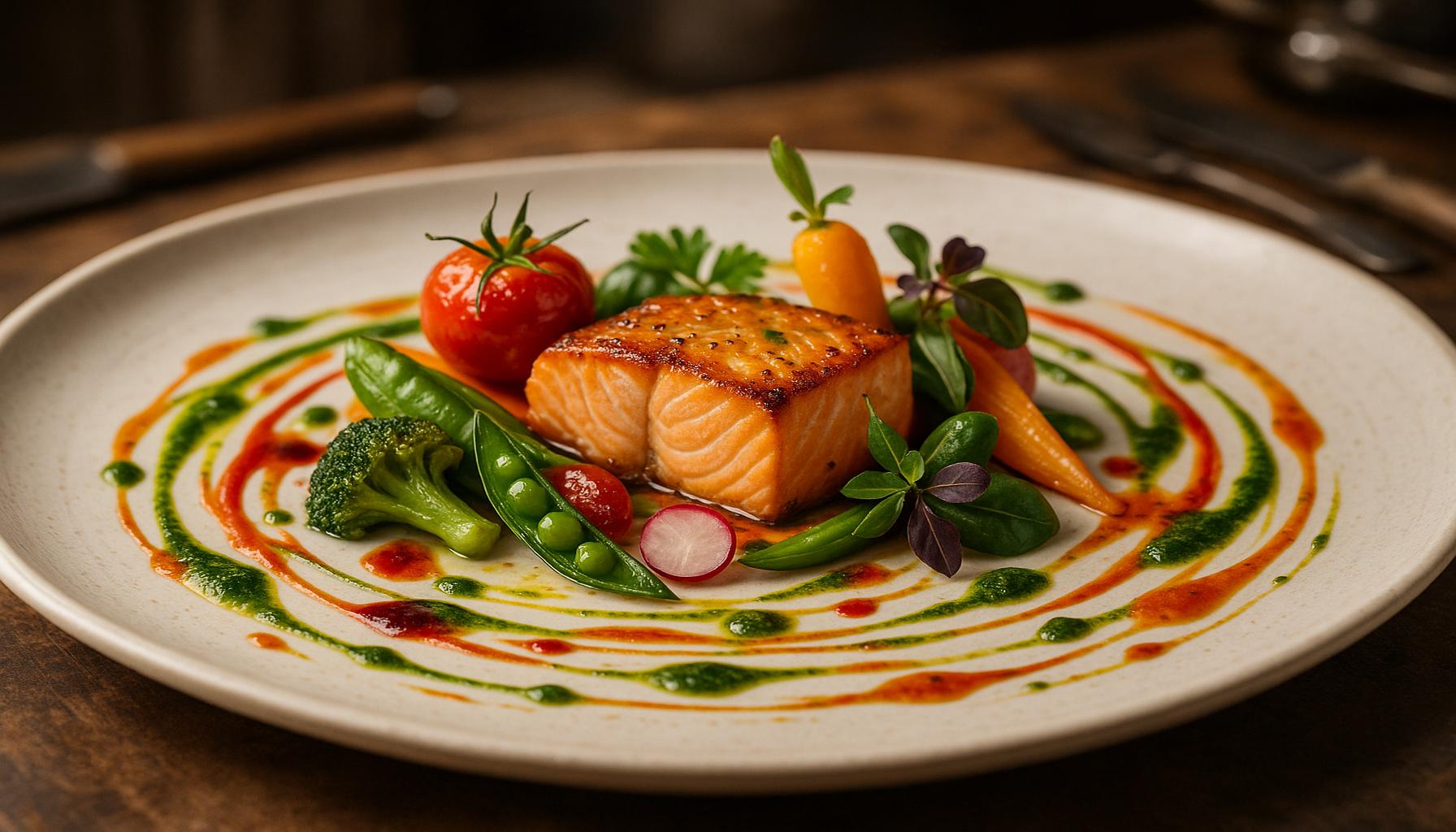
Modern culinary trends emphasize that food should be a feast for the eyes as much as the palate. Creative plating techniques, such as using rings for stacking or swiping sauces across the plate, have become increasingly popular in restaurants and home kitchens alike. This artistic approach to food presentation has led to a new appreciation for the role of aesthetics in culinary experiences.
The Importance of Storytelling
Moreover, presentation often tells a story. It reflects cultural backgrounds, seasonal ingredients, and personal touches. For instance, a dish featuring fresh corn and tomatoes can evoke the warmth of a summer harvest, while winter soups might be presented with a sprinkle of earthy herbs and a splash of cream, embodying the season’s comfort. As diners, we are drawn to plates that evoke emotion and curiosity, transforming a simple meal into a memorable culinary journey.
Delving deeper into the art of presentation can vastly enhance both professional culinary endeavors and home cooking experiences. Whether through culinary classes, online tutorials, or simply experimenting in the kitchen, there is a whole world of creative potential waiting to be uncovered. Join us as we explore the techniques and inspirations behind transforming everyday dishes into stunning works of art.
DISCOVER MORE: Click here to innovate your cooking
Mastering the Techniques of Food Artistry
To truly master the art of presentation, one must delve into various techniques that elevate the ordinary into the extraordinary. Chefs and food enthusiasts alike are employing an array of innovative methods that not only enhance visual appeal but also improve the overall dining experience. This exploration of culinary aesthetics is both an exciting journey and an essential part of modern gastronomy.
Plating Techniques that Wow
Effective plating techniques can dramatically change the perception of a dish. Here are some popular methods utilized in kitchens across the United States:
- Stacking: This method adds height and dimension to a plate. Stacked dishes, such as a tower of grilled vegetables or a layered parfait, draw the eye upward, creating an engaging focal point that captures attention immediately.
- Horizontal Plating: A technique that employs a linear presentation, guiding the diner’s gaze along the plate. This is often seen with sauces swiped artistically across the edge of the plate, leading to a component like a protein or a fresh salad, creating a beautiful tableau that invites hospitality.
- Jarring: This innovative method incorporates clear jars to present layered desserts or salads. Not only does it present a visually appealing display, but it also adds a whimsical quality that resonates especially well at casual gatherings or picnics.
- Use of Color Blocks: Strategically grouping bright, colorful ingredients on a plate can turn a meal into an “art piece.” Creating color blocks with ingredients like vibrant mango, deep green avocados, and rich purple beets can create an alluring dish that uplifts the dining experience.
Additionally, chefs are increasingly turning to ceramics, glassware, and eco-friendly materials for their plates, recognizing that the choice of vessel can profoundly impact the presentation. Unique plates and serving dishes can add textual quality and personal flair to a presented dish, sparking conversation and interest at the dining table.
Playing with Scale and Proportion
Understanding the principles of scale and proportion is essential in creating visually captivating dishes. Composing a plate creatively requires a careful balance among various elements. For instance, large focal ingredients, such as a perfectly cooked steak or a colorful salad, can be complemented by thoughtfully arranged smaller garnishes or sauces that contribute to the overall theme without overwhelming the main offering. This attention to balance not only highlights key components but also encapsulates the harmony of flavors.
In every kitchen across the United States, from fine dining establishments in bustling cities to cozy hometown cafes, embracing these creative plating techniques can lead to an entirely new appreciation of what it means to dine. By transforming simple meals into visually stunning creations, chefs and home cooks alike can engage their guests more fully, transforming dining into a delightful celebration of art, culture, and flavor.
| Aspect | Description |
|---|---|
| Visual Appeal | Food presentation enhances visual aesthetics, making dishes more inviting and appealing to the eye. |
| Enhanced Flavor Experience | An artful presentation heightens the overall dining experience, stimulating anticipation before the first bite. |
| Social Media Appeal | Visually striking dishes are often shared on social media, increasing customer engagement. |
| Creativity and Signature Style | Unique plating techniques allow chefs to express creativity, setting a restaurant apart from competition. |
In our exploration of “The Art of Presentation: Transforming Dishes into Works of Art,” it’s essential to recognize how these various aspects can influence not just the perception of food, but also enhance the overall dining experience. A dish that looks beautiful can elevate a simple meal into a memorable occasion. Potential patrons are often swayed by stunning visual aesthetics, fostering excitement and curiosity. Furthermore, in today’s digital age, sharing captivating food imagery on social platforms has become a critical marketing strategy. Engaging a wider audience through these channels can amplify a restaurant’s presence, establishing its authority in culinary art. As chefs embrace innovative plating strategies, they not only craft delicious meals but also create a signature style that can become synonymous with their brand. The journey into the world of gastronomic artistry is not just about food; it’s about creating an unforgettable experience.
DISCOVER MORE: Click here to learn about modern twists on your favorite dishes
Innovative Garnishing: The Final Touches
Once the main elements of the dish are plated, the art of garnishing comes into play. Garnishes serve both a decorative purpose and an enhancement to the dish’s flavor profile. Chefs today are pushing the boundaries with imaginative garnishing techniques that not only elevate aesthetics but also enrich the overall dining experience.
Textural Variety through Garnishes
Incorporating a range of textures has become a defining characteristic of modern plating. This might involve the use of crunchy elements such as toasted nuts, fried shallots, or microgreens that contrast beautifully with velvety sauces or creamy components. For instance, a dish featuring a rich butternut squash puree can be beautifully complemented with a sprinkle of toasted pumpkin seeds, adding both a visual lift and complex crunch.
Moreover, edible flowers have gained popularity as a garnishing option, adding not just color but an unexpected freshness and elegance to any plate. A simple salad garnished with nasturtiums or violets can transform an ordinary meal into a botanical masterpiece that inspires intrigue and delight.
The Role of Sauces in Presentation
Declaring the sauce as an essential element of presentation would be an understatement. The skillful application of sauce can serve as the canvas upon which a dish is painted. Chef-inspired sauces can be drizzled, speckled, or splashed in creative patterns, inviting diners to admire the artistry. For example, a colorful beet or turmeric puree can be dotted artfully around a protein to accentuate both color and flavor.
Chefs may also choose to serve sauces on the side, allowing diners to mix and match flavors. This approach not only encourages interaction but also allows the presentation to remain clean and sophisticated. The presentation of sauces should be thought of as part of the entire dining experience—after all, it sets the stage for tasting adventures.
Emphasizing Themes Through Presentation
Creating a visual representation that aligns with the theme of the dish can deeply resonate with diners and heighten their dining experience. Drawing inspiration from seasonal ingredients or cultural elements can lead to transformative presentations that tell a story. A winter-themed dish, for example, could capitalize on earthy elements like roasted root vegetables arranged upon a wooden plank, creating the feeling of a rustic cabin in the woods.
Additionally, the integration of local culinary traditions can enhance presentation. A classic American burger can be elevated by furnishing it with a hand-cut fries ring on the side, avoiding traditional plates and creatively using a wooden board instead. This approach taps into a larger conversation about embracing locality while also ensuring that the visual presentation reflects a sense of place and culture.
Ultimately, as culinary creators continue to explore their boundaries, the art of presentation will remain a powerful tool in elevating the dining experience. The journey from kitchen to table has never been just about sustenance; it is an opportunity to engage the senses and evoke emotion through artful food presentations. Each dish becomes a canvas, every component an opportunity to showcase creativity, skill, and passion. With so many emerging techniques and ideals, the conversation around food presentation is sure to evolve continually, inspiring new generations of chefs and home cooks alike.
DISCOVER MORE: Click here to delve into modern twists on classic recipes
Conclusion: Elevating Culinary Experiences through Artful Presentation
In conclusion, the art of presentation transcends the mere act of serving food; it transforms each dish into a visual narrative that engages and delights the diner. The meticulous choices chefs make—from innovative garnishing techniques to the thoughtful application of textures and the masterful use of sauces—culminate in an exquisite gastronomic experience that captivates all the senses. The presentation becomes a canvas, where each edible element plays a role in a larger story, one that speaks to the origin of the ingredients, the creativity of the chef, and the joy of dining itself.
As culinary artistry continues to evolve, it embraces modern concepts and local traditions, redefining what it means to present food. As home cooks and professional chefs alike discover new techniques to enhance visually stunning meals, the dining experience will invariably become more enriched. With food being an integral part of culture and experience, understanding the importance of presentation invites us to appreciate not just the flavors but the artistry behind every plate.
Ultimately, as the dialogue around the visual aspects of cuisine grows, it inspires curiosity and invites food enthusiasts to delve deeper into the realms of gastronomic art. So, the next time you find yourself before a beautifully plated dish, take a moment to appreciate the artistry involved in its creation, and remember that food presentation is not just aesthetics—it is an integral part of the culinary journey that brings us all together.