Experimental Cuisine: Blending Flavors and Techniques from Different Cultures
Revolutionizing Palate Experiences
The culinary world has seen a significant transformation over the past few years, with chefs and home cooks pushing the limits of traditional cooking. This movement, often referred to as experimental cuisine, encourages culinary enthusiasts to blend flavors, ingredients, and techniques from a variety of cultures, resulting in dishes that are as inventive as they are delicious.
At the core of this trend is a deep-seated curiosity about the global landscape of food. Chefs now harness the richness of diverse culinary heritages to create dishes that tell a story of their ingredients and origins. Let’s delve into some of the defining characteristics of this exciting movement:
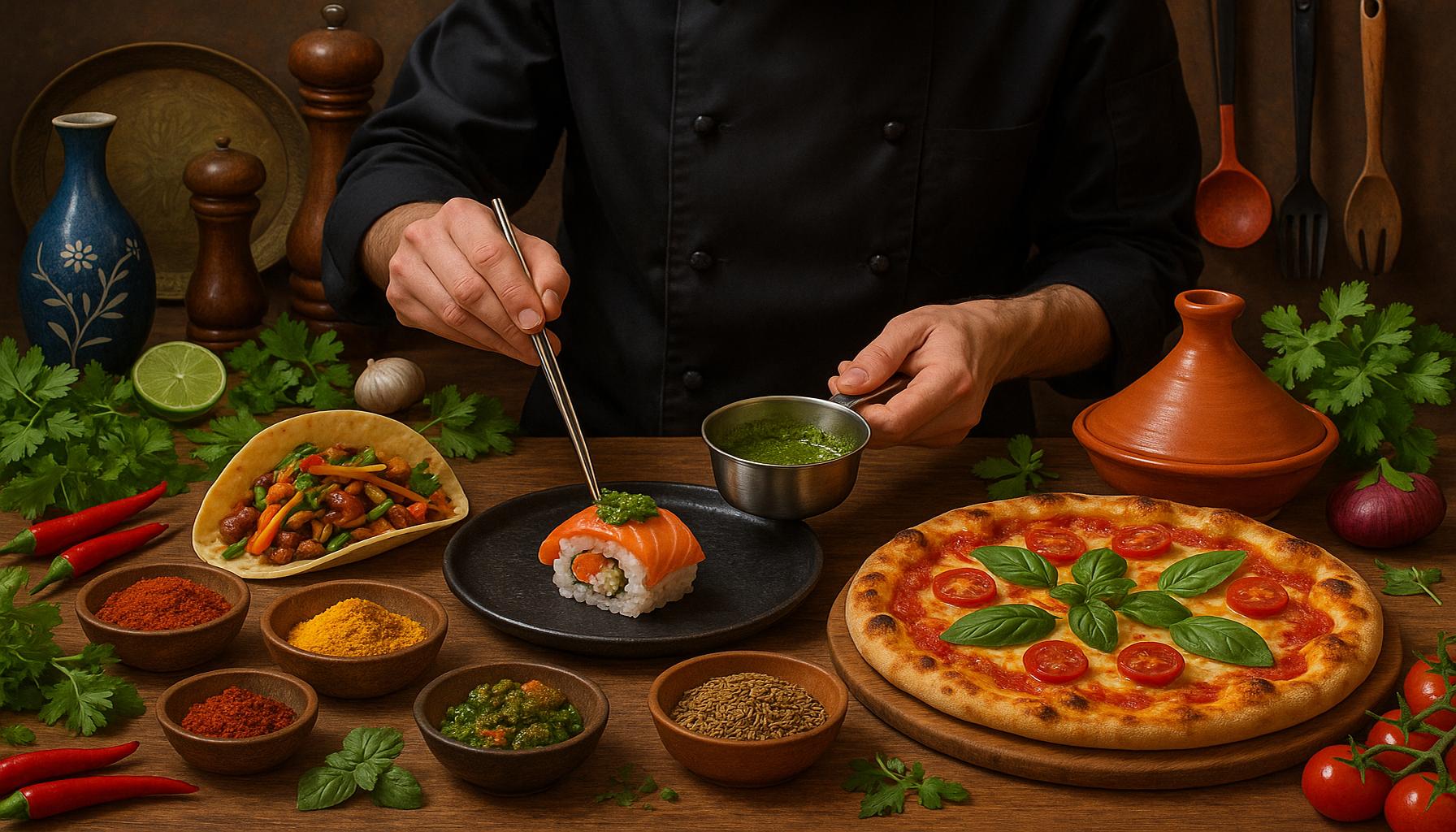
- Fusion Dishes: One of the most exciting aspects of experimental cuisine is the emergence of fusion dishes that merge different culinary traditions. A prime example is the Korean taco, which combines the rich, bold flavors of Korean barbecue with the convenience of a taco, often utilizing ingredients such as kimchi and bulgogi. Another contemporary creation is the sushi burrito, rolling sushi ingredients in a large seaweed wrap, catering to health-conscious diners seeking innovative and portable meal options.
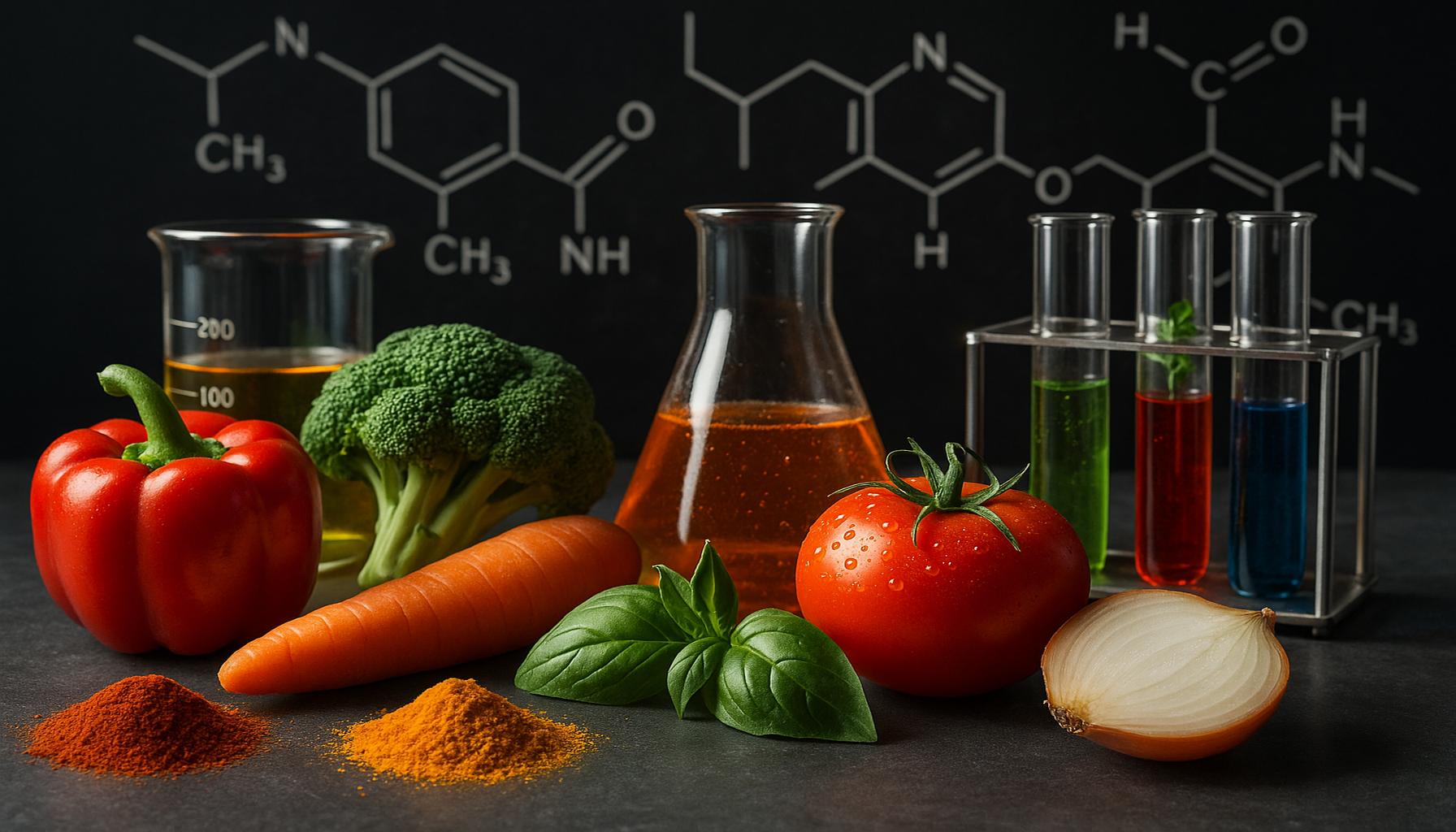
- Innovative Techniques: The world of cooking is continuously evolving due to advancements in technology. Techniques such as sous-vide—a method of cooking food slowly in a vacuum-sealed bag in a water bath—allow chefs to achieve optimal flavor and texture in proteins and vegetables. Similarly, molecular gastronomy utilizes scientific principles to alter food’s physical properties, resulting in dishes like edible helium balloons or spherified flavors that burst in your mouth, creating unexpected dining experiences.
- Local Ingredients: Experimental cuisine also emphasizes the importance of locality by spotlighting regional ingredients. Chefs are increasingly sourcing produce from local farmers’ markets or forming partnerships with local growers, ensuring fresh, seasonal ingredients are at the forefront of their dishes. This farm-to-table ethos not only enhances flavor but also supports the local economy and promotes sustainability.
Beyond the mere act of combining flavors, experimental cuisine serves as a means of crafting narratives that celebrate cultural diversity. Diners are taken on a culinary journey, enabling them to experience not just a meal, but a reflection of global cultures through food. Each bite invites exploration and conversation, often sparking curiosity about the history behind each ingredient or dish.
In the subsequent sections, we will explore notable chefs who are at the forefront of this culinary revolution, discuss specific innovative techniques, and reveal how experimental cuisine is reshaping the modern dining landscape. Get ready to broaden your culinary horizons and engage your taste buds in a way that transcends the ordinary.
DISCOVER MORE: Click here to delve into creative twists on classic dishes
The Canvas of Culinary Creativity
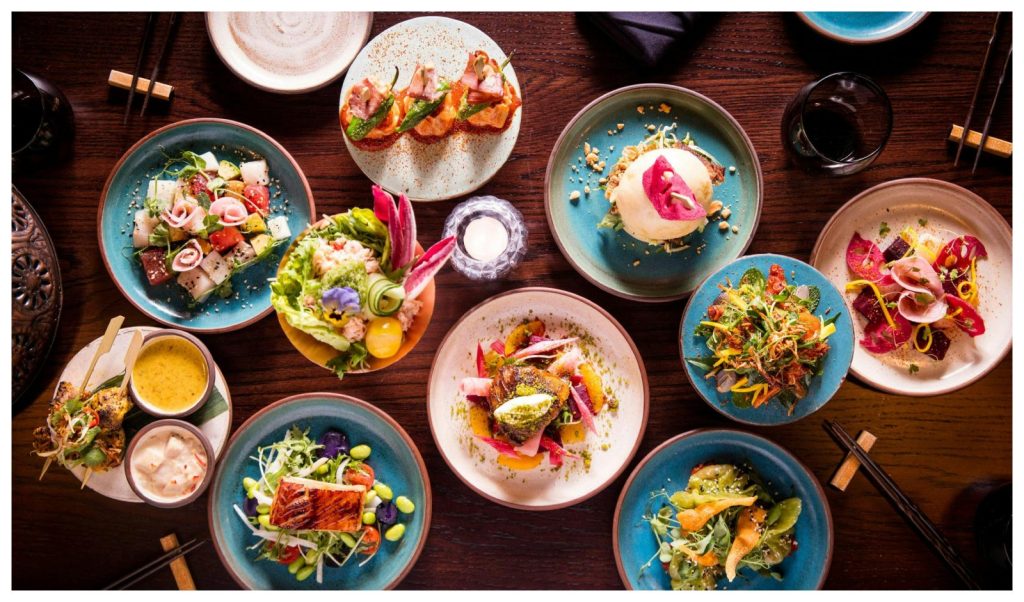
The era of experimental cuisine is characterized by chefs who are not just cooks but storytellers, weaving tales of culture and heritage through their dishes. With a plethora of culinary inspirations at their fingertips, these innovators push boundaries by pairing traditional methods with unique flavor combinations from around the globe. The result is a spectacular display of culinary art where each meal serves as a canvas painted with the diverse colors of international influences.
At the forefront of this movement, chefs are blending spices and ingredients that once seemed incompatible, resulting in unique profiles that tantalize the palate. Let’s dive into some examples that illustrate this exciting culinary evolution:
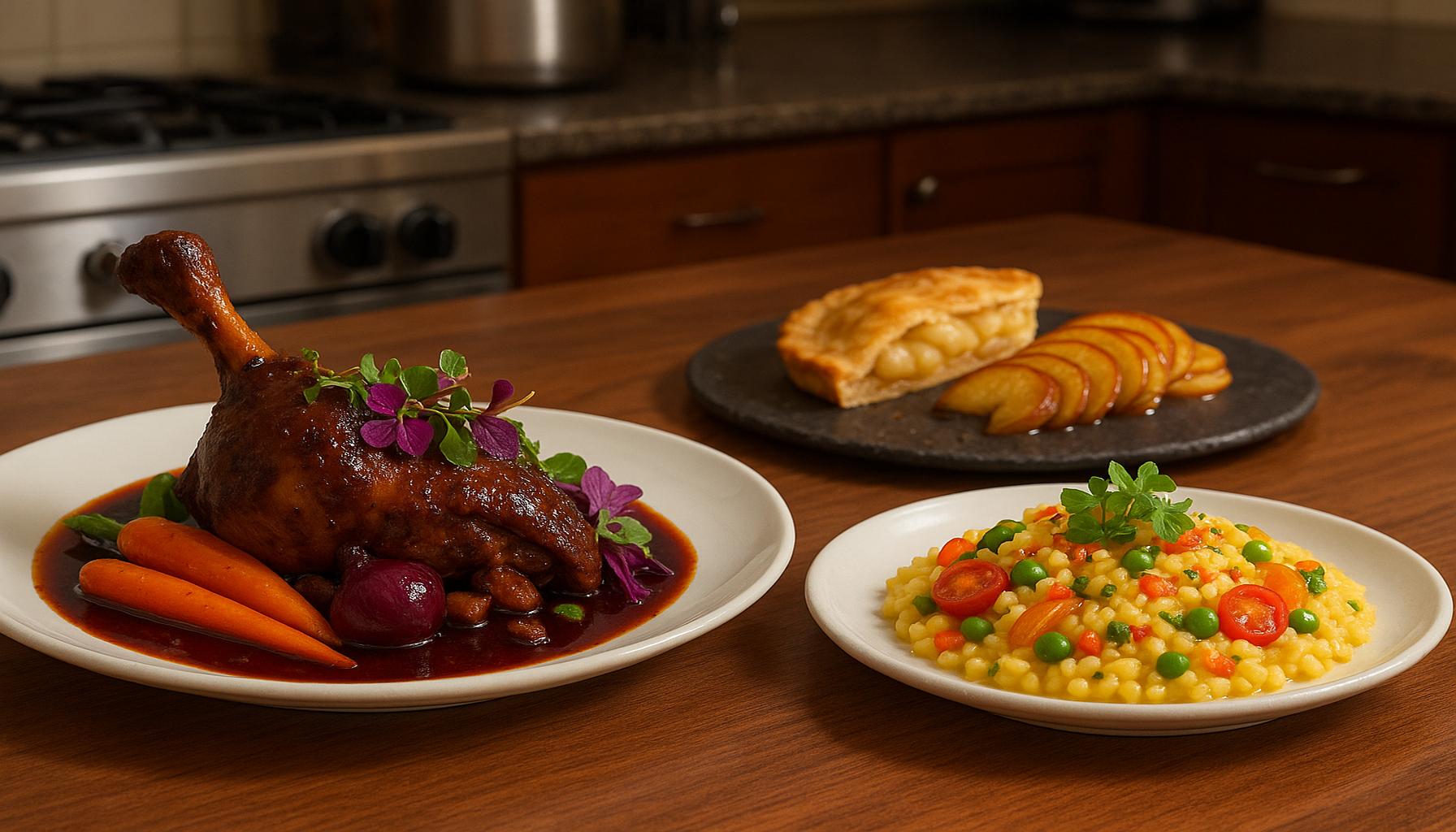
- Globally Inspired Ingredients: Chefs are exploring far and wide for ingredients that can elevate their culinary creations. For example, using Japanese miso to create a savory base for a classic Italian risotto adds a umami punch and intriguing depth to the dish. Another stunning example is the use of saffron from Spain in Indian curries, merging rich histories and tastes to create something entirely new.
- Techniques from Around the World: Techniques play a pivotal role in experimental cuisine. For instance, the Japanese art of fermentation—used traditionally for pickling vegetables—has gained popularity in Western kitchens. Chefs are now fermenting everything from microgreens to local fruits, enhancing flavors while also tapping into the health benefits fermentation offers. This application not only introduces novel tastes but also revitalizes interest in age-old culinary practices.
- Multi-Sensory Dining Experiences: Several restaurants are taking experimental cuisine to the next level by transforming meals into immersive experiences. Dining in the dark, where guests rely on their sense of taste and smell, or incorporating live performances alongside dishes inspired by cultural rituals, each adds a narrative that transcends food alone. This deepens engagement, allowing diners to savor flavors while connecting emotionally to the dishes served.
As we explore the realms of experimental cuisine, it’s essential to recognize the significance of collaboration. The boundaries between different culinary arts blur as chefs draw inspiration from one another, creating cross-cultural partnerships.Prominent chefs, for instance, may host pop-up dinners that spotlight the work of a chef from a different background, showcasing the fruits of their collaboration with diners eager to experience novel tastes.
In the next sections, we’ll highlight pioneering chefs known for their innovative approaches, delve into specific techniques that have revolutionized cooking, and discuss how this fascination with flavor exploration is challenging the conventional dining experience. Prepare to embark on a gastronomic adventure that offers more than just a meal, but a true celebration of the world’s culinary tapestry.
| Culinary Techniques | Cultural Fusion |
|---|---|
| Innovative Cooking Methods | Integration of diverse culinary practices |
| Experimentation with Ingredients | Creation of unique flavor profiles |
The world of experimental cuisine thrives on culinary techniques that push traditional boundaries. Chefs worldwide are embracing innovative cooking methods, such as sous-vide, fermentation, and molecular gastronomy, to elevate their dishes and challenge diners’ expectations. By integrating diverse culinary practices—think Japanese umami with Italian pastas, or Indian spices in French sauces—cooked meals become a vessel for cultural expression and creativity. Moreover, the experimentation with ingredients plays a crucial role in this genre. By sourcing local and global ingredients, chefs create unique flavor profiles that celebrate cultural heritage while inviting diners on a gastronomic adventure. The blending of Asian herbs with African grains or Latin American chilies in a European context showcases how fusion cuisine offers exciting discoveries that redefine dining experiences. This creative approach not only enhances palate enjoyment but also fosters an appreciation for the stories behind each ingredient. Dive deeper into this fascinating culinary world to uncover more about how experimental cuisine is reshaping our relationship with food.
DIVE DEEPER: Click here to discover innovative twists on your favorite classics
A Symphony of Cross-Cultural Collaborations
In the realm of experimental cuisine, the vibrancy of cultural exchanges shines bright through culinary collaborations. Chefs from diverse backgrounds are coming together to curate unique dining experiences that celebrate their heritages while reinterpreting time-honored recipes. The global stage has become a playground for culinary experimentation, encouraging chefs to rethink traditional methods and revisit the very essence of flavor.
One exemplary collaboration that has taken the culinary scene by storm is the fusion of Mexican and Korean cuisines. By incorporating kimchi—a staple in Korean cooking—into classic Mexican dishes, chefs have introduced a wave of exciting flavor combinations. For instance, tacos filled with spicy pork and topped with tangy kimchi offer a delightful balance of sweetness and acidity, showcasing how two cultures can harmoniously interact on a plate. This genre of cuisine, known as mashup cuisine, caters to an audience keen on exploration without losing the core identities of the original flavors.
Another noteworthy innovation comes from the blending of Mediterranean and Southeast Asian influences. Take a traditional Greek tzatziki sauce—made from yogurt, cucumber, and garlic—and add Vietnamese nuoc cham, a fish sauce dipping sauce with lime and chili. This unexpected partnership creates a dressing that is both refreshing and aromatic, perfect for drizzling atop grilled meats or salads. Such combinations invite eaters to experience multiple regions through a single dish, reinforcing the notion that culinary boundaries are increasingly irrelevant.
Technique and Technology: The Future of Experimental Cuisine
Beyond mere ingredient pairing, experimental cuisine thrives on innovative techniques that push the envelope of traditional cooking. Techniques such as sous-vide—a method that allows chefs to cook food in vacuum-sealed bags at precisely controlled temperatures—are becoming popular in both fine dining and home kitchens across the United States. This method allows for maximum flavor retention and tenderness, resulting in dishes that retain the essence of each ingredient while transforming textures.
The rise of modern technology has also championed intriguing culinary possibilities. For example, 3D food printing enables chefs to create intricate designs and shapes that were once unthinkable. These avant-garde creations transform food into visual art, inviting diners to engage both visually and gastronomically. Furthermore, by experimenting with molecular gastronomy, chefs enhance flavor profiles in unexpected ways—such as creating edible bubbles or foams bursting with local ingredients, adding an element of surprise to even the simplest of dishes.
As chefs develop their culinary identities, there’s a growing emphasis on sustainability as well. By merging indigenous knowledge with modern practices, many are committed to sourcing local ingredients and applying innovative techniques to minimize waste. This aspect of experimental cuisine not only prioritizes flavor but also honors environmental responsibilities while reviving forgotten traditions and flavors.
The future of experimental cuisine lies in its ability to adapt and redefine gastronomic norms, as chefs leverage international influences and modern techniques to construct new flavors. Culinary innovation encourages a deeper appreciation for cultural heritage while inviting diners on a sensory journey of discovery. This ongoing celebration of global gastronomy maintains a rhythm that resonates not only through the art of cooking but also through the rich tapestry of human connection around the table.
DISCOVER MORE: Click here to learn how cooking can spark creativity in kids
Conclusion: The Horizon of Culinary Innovation
As we step into the future of experimental cuisine, it becomes increasingly evident that the blending of flavors and techniques from diverse cultures enriches our gastronomic landscape. The fusion of culinary traditions not only reflects the globalization of our society but also highlights a growing curiosity and appreciation for diverse palates. Chefs are boldly charting new territories, mixing ingredients and techniques that reflect both their personal heritage and the cultural narrative around them. The wave of mashup cuisines, from Mexican-Korean tacos to Mediterranean-Southeast Asian sauces, illustrates how culinary innovation can create unparalleled depth and complexity.
Moreover, the incorporation of advanced cooking techniques such as sous-vide and 3D food printing opens doors to unimaginable possibilities, allowing chefs to push the boundaries of not just flavor but also presentation and texture. This evolution serves as a testament to the spirit of experimentation—the hallmark of culinary creativity that invites diners to engage interactively and emotionally with their food.
However, it is essential that with this wave of innovation, the principles of sustainability and cultural respect are at the forefront of the movement. By sourcing local ingredients and preserving traditional methods, chefs are not only ensuring that flavors thrive but also honoring the legacies of the cuisines they represent. The journey through experimental cuisine is not just about filling our plates; it’s about weaving cultural narratives through every bite, inviting us to celebrate our differences and shared experiences at the table. As we savor these extraordinary culinary creations, we are reminded that food is not merely sustenance but a profound medium for connection, dialogue, and understanding in our increasingly interconnected world.