
Minimalism in the Kitchen: Strategies to Optimize Space and Simplify Daily Life
Embracing Minimalism
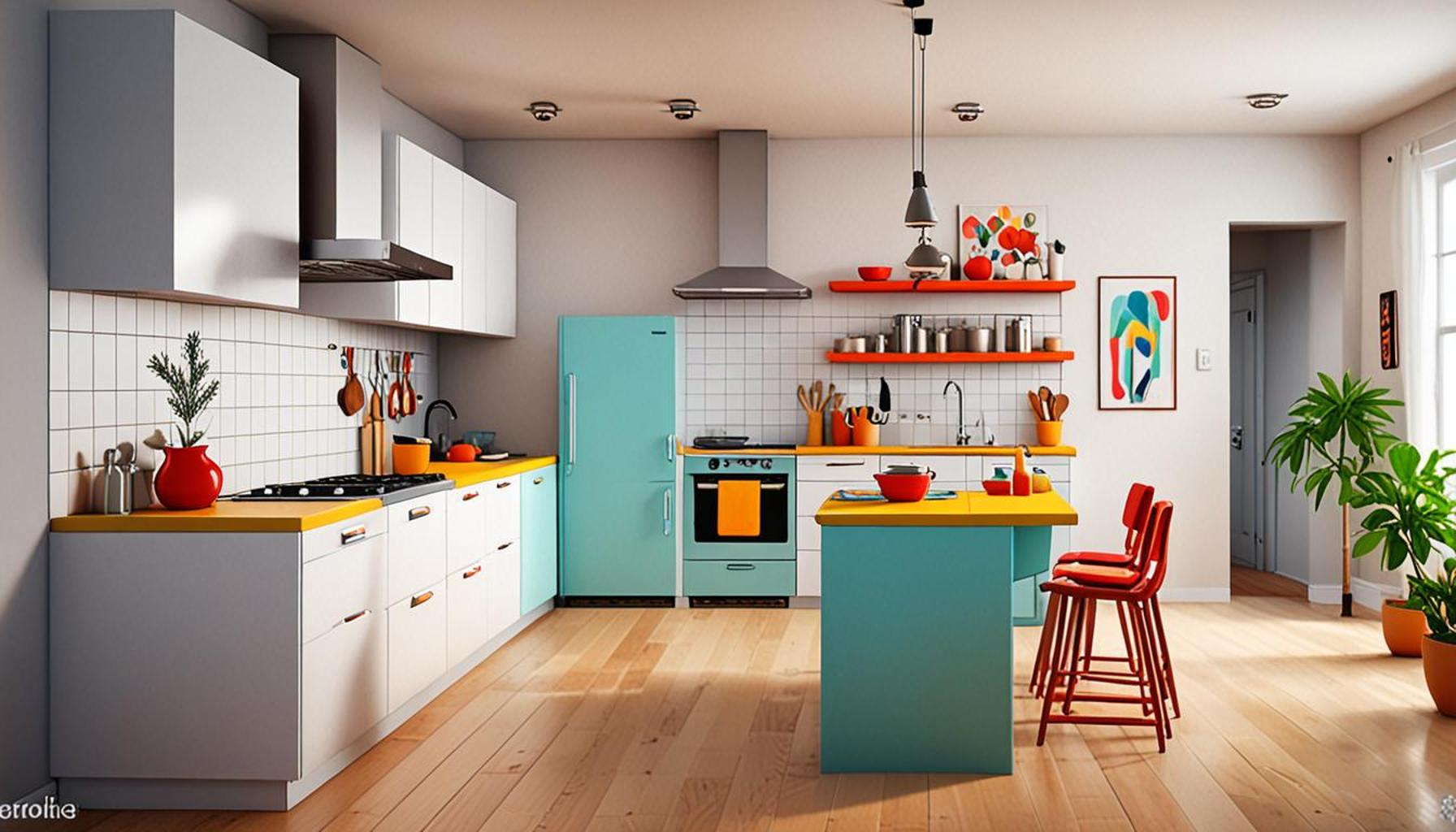
The heart of every home is often the kitchen, yet it can quickly become cluttered and overwhelming. Adopting a minimalistic approach can transform this essential space into a sanctuary of simplicity and efficiency. By reducing excess, you can discover the true joy of cooking and gathering. In a country like Nigeria, where family values and communal gatherings are paramount, a well-organized kitchen reflects not just a lifestyle choice, but a welcoming environment that promotes connection.
Why Minimalism Matters
Minimalism is not just about reducing items; it’s about enhancing your life quality. By streamlining your kitchen, you create a space that fosters creativity and productivity, allowing you to focus on what truly matters. Here are some key benefits:
- Improved Efficiency: A clutter-free kitchen makes cooking and cleaning tasks easier. This is particularly relevant in Nigeria, where meals are often prepared in large batches for family gatherings.
- Reduced Stress: A simple environment promotes focus and calmness. When your kitchen is organized, it provides a peaceful backdrop for making meals, even during bustling festive seasons like Ramadan or Christmas.
- Financial Savings: Buying fewer items leads to cost savings over time. This means you can allocate your budget towards quality ingredients rather than a plethora of gadgets.
In Nigeria, where kitchens can vary greatly in size and design, the minimalistic trend helps adapt to available space while still maintaining functionality. For example, opting for a multi-cooker can eliminate the need for overcrowded cabinet space filled with separate pots, pans, and appliances. Choosing versatile appliances and utensils that serve multiple purposes not only saves space but also enhances the cooking experience.
Strategies for a Minimalist Kitchen
Adopting a minimalist kitchen requires thoughtful strategies. Here are some practical tips to get you started on this journey:
- Declutter Regularly: Assess and remove items you rarely use. Take a weekend to go through your kitchen and donate appliances that have been gathering dust, such as old blenders or juicers that you no longer need.
- Organize Smartly: Utilize vertical space with shelves and racks. In many Nigerian homes, using wall-mounted shelves can be a clever way to display spices, dishes, or cookbooks, maximizing space and beautifying the kitchen.
- Invest in Quality: Choose high-quality items that last longer. Instead of purchasing a series of inexpensive pots and pans, consider investing in a few sturdy, durable pieces that perform exceptionally well and can withstand the demands of everyday cooking.
Exploring minimalism in your kitchen opens the door to efficient living. Each step taken toward simplifying your kitchen can lead to a more joyful culinary experience. Simplifying your kitchen not only lightens your mental load but also encourages spontaneous meals and gatherings, reinforcing the fabric of family life. In a culture that values food as a form of love and connectivity, a well-managed kitchen can facilitate these cherished moments.
RECOMMENDED: Check out this similar article
Streamlining Your Kitchen: Practical Steps
To fully embrace the benefits of minimalism, it’s vital to engage in deliberate actions that can transform your kitchen into a more functional and inviting space. Minimalism isn’t merely about throwing away things; it entails selective choices and mindful living. This journey begins with understanding the core areas of your kitchen that may require immediate attention and adopting practices that yield long-lasting results.
Assess Your Kitchen Inventory
The first step toward a minimalist kitchen involves a comprehensive assessment of your current inventory. Evaluate everything you possess in your kitchen—utensils, appliances, gadgets, and even pantry items. This may seem overwhelming initially, but it paves the way for clarity. Begin by categorizing your items into three distinct groups: keep, donate, and discard. Focus on the following criteria when deciding:
- Frequency of Use: Ask yourself how often you utilize each item. If an appliance or utensil hasn’t seen the light of day in the past six months, it might be time to let it go.
- Functionality: Consider if the item serves multiple purposes. A single-piece blender can perform various functions, unlike a bulky juicer that serves one primary role.
- Sentimental Value: While it’s essential to declutter, some items hold special memories. Use this judgement wisely and be selective about what remains.
In Nigerian households, where cooking significant meals often involves numerous components, this evaluation can provide insights into which items contribute positively to your cooking experience and which ones merely take up valuable space.
Create Smart Storage Solutions
Once you have simplified your inventory, the next step is to maximize the efficient use of space through smart storage options. In kitchens blessed with limited size, like many urban homes in Nigeria, utilizing every available inch is crucial. Consider these strategies to optimize storage:
- Vertical Storage: Maximize wall space by incorporating shelves or cabinetry that reach upwards. This not only keeps floors clear but also provides stunning displays for cookbooks and decorative items.
- Magnetic Strips: Install magnetic strips for knives and small metal tools. This keeps them easily accessible while also safeguarding their longevity.
- Baskets and Bins: Use attractive baskets to compartmentalize items. This maintains organization while adding character to your kitchen décor.
These adjustments do not only enhance functionality but also create a more visually appealing environment, making it easier for you and your family to enjoy everyday cooking. A simplified kitchen layout encourages creativity and a stronger connection with the cooking process, vital for those cherished family gatherings.
Streamlining Kitchen Essentials
One of the fundamental aspects of minimalism in the kitchen is the concept of efficiency through a curated selection of items. Start by assessing your current inventory of kitchen gadgets and appliances. Ask yourself, “Which items do I use regularly, and which ones are just taking up space?” The goal is to keep only the essentials that contribute to a simplified cooking and dining experience. Utilizing vertical space is another effective strategy. Consider incorporating wall-mounted shelves or pegboards to store pots, pans, and utensils within easy reach. This not only frees up cabinet space but also creates an aesthetically pleasing look that embraces the minimalist philosophy. Incorporating multi-functional items is equally beneficial. For example, a blender that can also serve as a food processor reduces clutter while expanding your cooking capabilities. Thus, every piece of equipment in your kitchen should serve a dual purpose to maximize both space and function.
Decluttering Techniques
Implementing regular decluttering sessions can dramatically enhance the functionality of your kitchen. Consider following the one-in, one-out rule: every time you add a new item, remove one existing item. This practice encourages mindful purchases and maintains a balance in your kitchen possessions.Storing items strategically is crucial. Use clear storage containers for pantry items, as they not only provide visibility of what you have but also promote easy and efficient access when cooking. Labeling everything ensures you don’t waste time searching for necessary ingredients or tools.Finally, embrace the philosophy of “less is more” when it comes to decorative items. While a few carefully selected decorations can enhance the ambiance, an overcrowded kitchen can lead to a chaotic feeling that contradicts the goals of minimalism. Aim for a serene and engaging cooking space that invigorates your daily culinary endeavors.Through these strategies, you can effectively adopt a minimalist lifestyle in your kitchen, leading to a more organized and intentional approach to daily cooking and living. Embrace these principles and unlock a newfound appreciation for the art of culinary simplicity.
RECOMMENDED: Check out this similar article
Embracing Efficiency: Meal Preparation and Daily Practices
Beyond inventory assessment and strategic storage solutions, adopting minimalist practices in your daily cooking routine can significantly streamline your culinary activities. It is essential to develop habits that foster simplicity and efficiency in meal preparation. Implementing the following practices can greatly enhance your kitchen experience, allowing you to focus more on the joys of cooking rather than the clutter of tools and appliances.
Batch Cooking and Meal Planning
One key strategy to simplify daily life in the kitchen is through batch cooking and meal planning. Rather than cooking every day, consider designating a specific day each week for preparing meals in larger quantities. This method not only saves time but also reduces the number of utensils and appliances in use on a daily basis. For instance, in many Nigerian kitchens, where traditional meals can take significant time to prepare, batch cooking enable family members to enjoy their favorite dishes while minimizing the fuss.
Create a meal plan that incorporates your family’s favorites while being mindful of seasonal ingredients. This enables you to use fresh produce efficiently, ultimately reducing waste and saving on grocery bills. Not only does this practice streamline your cooking process, but it also encourages healthier eating habits and a deeper connection to the ingredients.
Emphasize Multi-Functional Tools
Another aspect of minimalist cooking involves investing in multi-functional tools. Instead of stocking your kitchen with numerous single-use gadgets that take up valuable space, focus on versatile tools that can perform various tasks. For example, a food processor can chop, slice, dice, and puree, while a cast iron skillet can serve for baking, frying, and even serving directly to the table.
Consider local alternatives that resonate with Nigerian cooking styles. The quintessential mortar and pestle is a fundamental tool for many dishes, serving not only to pulverize food but also as a serving dish for traditional meals. By embracing tools that can fulfill different roles, you can significantly reduce clutter and enhance both functionality and creativity in the kitchen.
Mindful Purchasing Habits
To sustain a minimalist kitchen, it is crucial to adopt mindful purchasing habits. Before buying new items, consider whether they will genuinely add value to your cooking experience. Ask yourself if the new tool duplicates a function of something you already own. This practice reduces spontaneous purchases that often lead to clutter and promotes intentionality in how you equip your kitchen. Nigerian consumers should also explore local crafts and markets where functional and beautiful kitchenwares are made, supporting local artisans while optimizing their kitchen space.
- Prioritize Essentials: Keep your shopping list focused on essential ingredients and tools that contribute directly to your meal plans.
- Value Over Quantity: Rather than quantity, choose quality items that will stand the test of time and enhance your culinary endeavors.
- Sustainable Choices: Explore eco-friendly options that can supplement your kitchen while promoting sustainability.
By adopting these practices of batch cooking, emphasizing multi-functional tools, and maintaining mindful purchasing habits, you can significantly simplify your daily life in the kitchen. This minimalist approach not only optimizes space but also cultivates a more enjoyable and less stressful cooking atmosphere, allowing you to focus on creating nourishing meals and lasting memories with loved ones.
ADDITIONAL INSIGHTS: Expand your understanding here
Conclusion: Transforming Your Kitchen into a Minimalist Haven
In conclusion, embracing minimalism in the kitchen can transform both the physical space and your daily cooking experience. By implementing strategies such as batch cooking, prioritizing multi-functional tools, and adopting mindful purchasing habits, you can effectively optimize your kitchen space, reduce clutter, and simplify your cooking routine. This not only makes meal preparation more enjoyable but also cultivates a deeper appreciation for the art of cooking.
As Nigerian households continue to evolve, the need to balance tradition and modernity presents an opportunity to rethink our kitchen practices. By focusing on essential tools and ingredients, you can both celebrate local culinary heritage and embrace efficiency, ultimately leading to a more harmonious kitchen environment. The reduction of unnecessary items can foster creativity, making cooking a pleasurable experience rather than a daunting task.
Moreover, adopting a minimalist mindset encourages sustainability, as it prompts conscious choices that favor local artisans and eco-friendly products. By taking these steps, you not only enhance your kitchen’s functionality but also contribute positively to the larger community and environment. In the journey toward simplicity, discover the joys of nourishing yourself and your loved ones, creating a space that reflects both your culinary identity and your lifestyle values.
As you reflect on your own kitchen practices, consider which strategies resonate with you. With careful intention and a minimalist approach, you can create a kitchen that is not only functional but also a delightful space for culinary exploration.