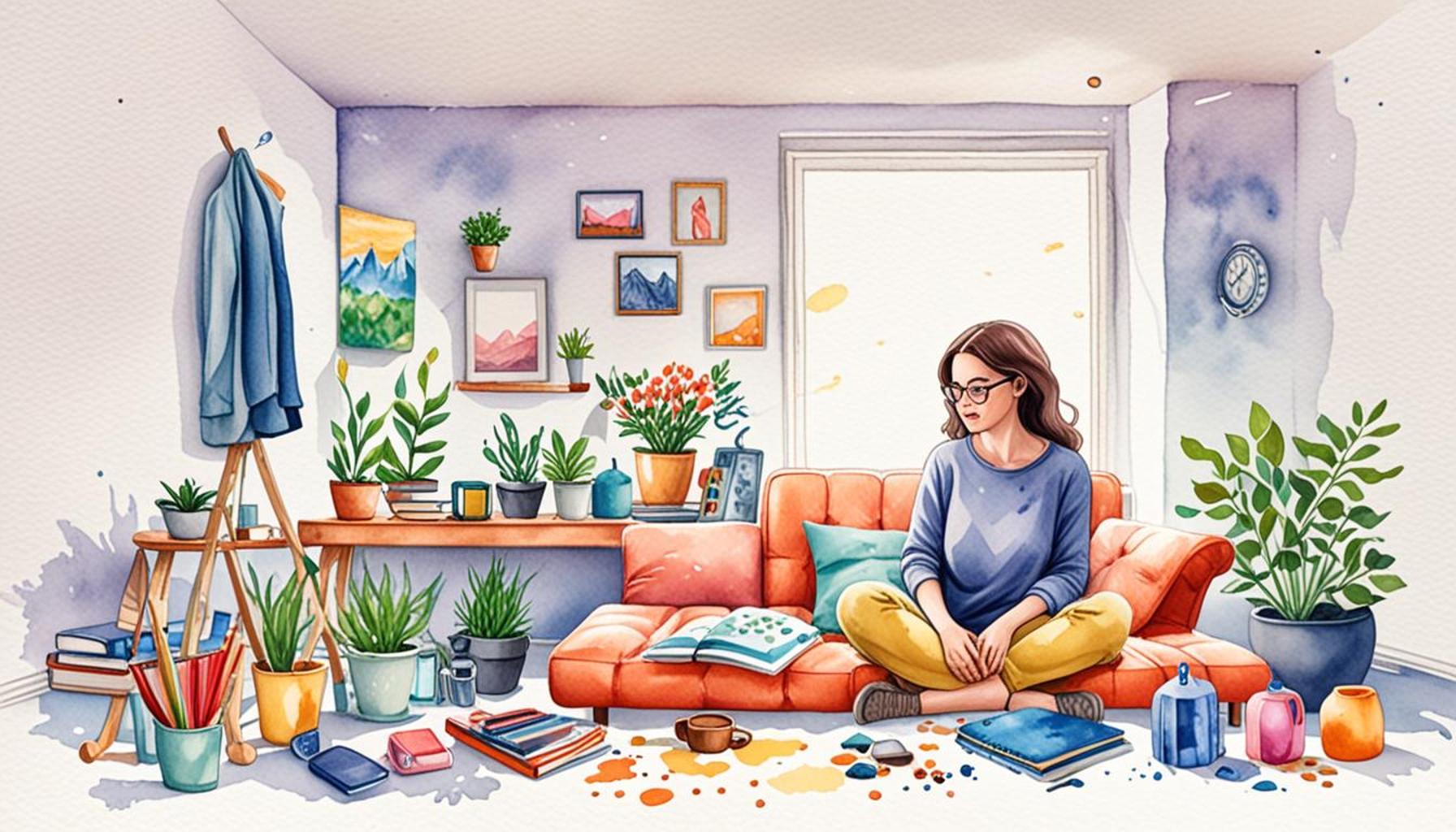
Minimalism in the Family: Involving Children in the Process of Reducing Clutter
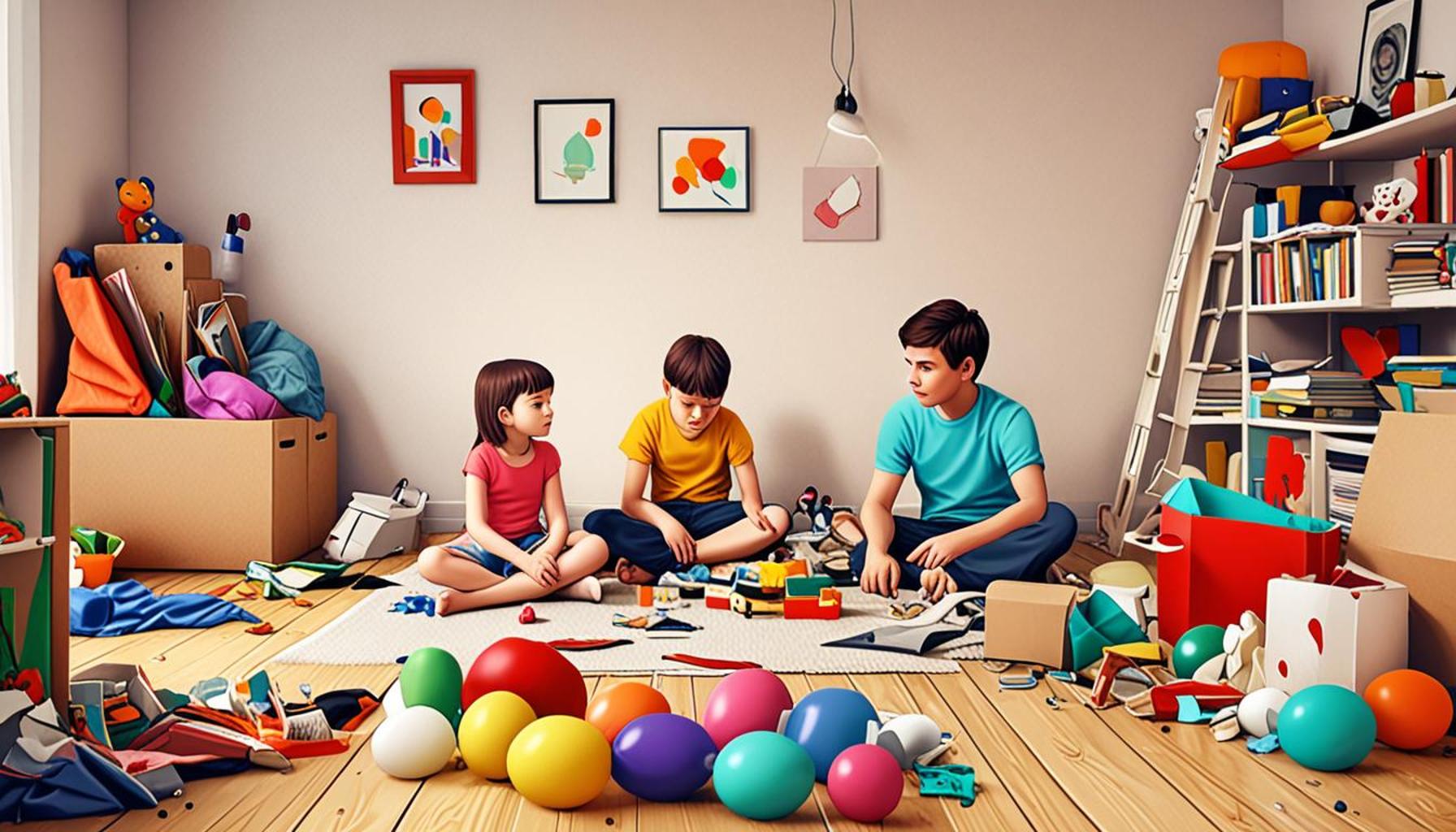
Understanding the Practicality of Minimalism in Family Dynamics
In our contemporary society, the whirlwind of daily activities often culminates in overwhelming clutter, significantly impacting the quality of family life. From toys to school supplies, a family’s living space can quickly become a repository of items, making it increasingly difficult to find balance. For parents, the challenge lies in preserving their children’s mementos while fostering an organized environment conducive to growth and creativity. Embracing minimalism as a lifestyle not only serves to streamline home spaces but also benefits children in profound ways.
Teaching Through Decluttering
Engaging children in the decluttering process is an innovative approach to instill important life lessons. As they participate, kids learn:
- Responsibility: By sorting through their toys and other belongings, children become aware of the need to take care of their possessions. This sense of responsibility transfers to other areas of their lives as they grow.
- Decision-making skills: Minimalism helps children discern what matters most to them. For instance, a child may have dozens of stuffed animals but realize that only a few truly hold sentimental value. This recognition fosters critical thinking and prioritization skills.
- Mindfulness: Introducing mindfulness in their purchasing habits can change how children view material possessions. Parents can guide them to ask, “Do I really need this?” before acquiring new items.
Minimalism in a Nigerian Context
Incorporating minimalism within Nigerian families offers unique opportunities to blend local customs with contemporary practices. Creative strategies may include:
- Organizing regular donation drives with local charities, which not only declutters but also instills a sense of community responsibility. Neighborhood or church group initiatives can make this both impactful and collaborative.
- Incorporating storytelling sessions around precious items can significantly enhance children’s understanding of value. Families can share tales about heirlooms or gifts, fostering a deeper appreciation for items that genuinely resonate with their history.
- Turning decluttering into an enjoyable family activity can help cultivate positive associations. Parents can create games and reward systems where children earn points for items eliminated, making the process less of a chore and more of an adventure.
Creating a Mindful Home
As families navigate this journey towards minimalism, they often experience a liberating sense of clarity and focus amidst the chaos. The transformation is not merely about reducing physical items but also about reshaping perceptions regarding space and ownership. This newfound understanding allows children to flourish in an environment that echoes simplicity and gratitude, underscoring the idea that happiness and fulfillment do not stem from material goods.
Ultimately, adopting a minimalist lifestyle can help families create a home that not only reflects their core values but also fosters a culture of sharing, mindfulness, and appreciation for what truly matters. Through this intentional practice, children develop life skills that resonate far beyond their formative years, equipping them to lead more fulfilling lives enriched by meaningful experiences rather than mere possessions.
CHECK OUT: Click here to explore more
Empowering Children Through Simplification
In a world that often equates accumulation with success, teaching children the principles of minimalism can be a transformative gift. As families work towards reducing clutter, children become vital players in this journey, gaining valuable insights that shape their relationship with possessions. Involving children in the decluttering process not only makes the task more manageable but also helps them cultivate essential life skills such as organization, empathy, and resourcefulness.
The Benefits of Children Participating in Decluttering
When children actively participate in decluttering their personal spaces, they experience several benefits that extend beyond tidiness. Here’s how this involvement enriches their development:
- Enhanced Organizational Skills: Sorting through their belongings provides children with hands-on practice in organizing and categorizing items. This skill set is valuable throughout life, from managing schoolwork to handling personal responsibilities.
- Community Awareness: By participating in donation drives, children learn to understand the needs of others. Engaging in discussions about what items can benefit those less fortunate encourages a mindset focused on community responsibility and altruism.
- Increased Emotional Intelligence: Deciding which toys to keep and which to let go of can evoke strong feelings. This process helps children develop emotional intelligence by recognizing and managing their emotions around attachment and loss, thereby fostering resilience.
- Creative Thinking: Minimalism opens up new possibilities for play. With fewer toys, children may creatively reimagine existing items, finding new ways to engage their imagination rather than relying on mindless consumption.
Fostering a Collaborative Atmosphere
Creating a family-centered approach to minimalism encourages teamwork and enhances the dynamic within the household. Here are a few strategies to foster collaboration:
- Family Decluttering Days: Designate specific days where the family gathers to tackle clutter together. This not only makes the process enjoyable but helps to instill a sense of shared purpose and commitment.
- Show and Tell: Allow children to share stories about their favorite items during the decluttering process. This can be an opportunity for parents to connect and understand what is truly meaningful to their children, fostering dialogue about value and sentiment.
- Set Goals and Rewards: Implement goal-setting where children earn rewards for reaching decluttering milestones. This could involve earning points towards a fun family outing or a small treat, providing motivation and positive reinforcement.
By merging minimalism with family values, parents can guide their children towards a lifestyle where they learn the importance of simplifying their surroundings and appreciating what they have. The process of decluttering transforms homes into spaces that are not only organized but also rich in intentionality and love. In this way, families can discover that fostering a minimalist mindset yields benefits that extend well beyond the confines of their living spaces.
| Advantage | Description |
|---|---|
| Increased Responsibility | Involving children in decluttering promotes a sense of ownership over their belongings. |
| Enhanced Decision-Making Skills | Children learn to prioritize what’s valuable to them, improving critical thinking. |
| Strengthened Family Bonds | Collaborating on decluttering fosters teamwork and connection among family members. |
| Promotes Mindfulness | Children learn the value of contentment through engaging in conscious consumption. |
Involving children in the decluttering process through minimalism is not simply about clearing physical spaces; it’s a robust educational journey that contributes to their developmental growth. As families work together to identify what truly matters, children not only acquire the ability to make thoughtful decisions but also cultivate a greater appreciation for their surroundings. Such practices can significantly enhance family dynamics by creating an inclusive environment where each member contributes to a collective goal. Additionally, instilling a sense of responsibility in children regarding their possessions can pave the way towards a more mindful way of living, helping them to understand the significance of quality over quantity. By engaging in the minimalistic approach, families can transform clutter reduction into cherished moments of bonding, educational experiences, and personal growth, making the journey enriching for everyone involved.
RECOMMENDED: Check out this similar article
Instilling Lifelong Values Through Minimalism
As families embrace minimalism, instilling values around simplicity and intentional living lays a strong foundation for children. These principles can lead to healthier relationships with belongings and a more sustainable lifestyle. Following are ways minimalism positively influences children’s values and habits:
Encouraging Mindfulness in Consumption
Involving children in decluttering fosters a mindful approach to consumption. As they witness the physical space made available from letting go of excess, they can learn to appreciate their remaining possessions. This understanding can extend to shopping habits; educating children about the impact of consumerism and the importance of choosing high-quality items over quantity can promote responsible purchasing behaviors as they grow. Discussing how certain items are produced, and the environmental effects of overconsumption, can also instill a sense of stewardship for the planet.
Creating a Culture of Sharing
Minimalism offers a platform for families to practice generosity and sharing. Children can learn to share their toys and clothes with siblings or organize swaps with friends. This communal approach to possessions builds a sense of belonging and teaches them the value of relationships over material goods. Furthermore, donating items to those in need—especially in a country like Nigeria, where many face economic challenges—can inspire compassion and a deeper understanding of privilege. Through these actions, children realize the joy found in contributing to the well-being of others.
Designing Functional Spaces Together
Participating in the organization of shared family spaces not only encourages teamwork but also instills a sense of pride in home environments. In practical terms, children can take part in deciding how to arrange rooms or create functional storage solutions. For instance, they can help implement ideas like multi-use furniture, storage baskets, and color-coding items to optimize space efficiently. Such experiences teach children valuable lessons about interior design and home management while keeping clutter at bay.
Promoting Sustainability and Ethical Choices
In a society often preoccupied with transient trends, minimalism encourages children to make sustainable and ethical choices. Introducing them to second-hand shopping, DIY projects, and upcycling can spark creativity while promoting conservation. Parents can discuss the importance of supporting local artisans in Nigeria, for example, fostering a love for local craftsmanship and sustainable practices. Engaging in community events that focus on sustainability, such as tree planting or clean-up drives, can further reinforce this connection.
Maintaining Balance and Harmony
Minimalism promotes a sense of balance and peace within the home. Children can learn the importance of maintaining calm and harmonious environments. By participating in regular decluttering sessions, they can internalize the idea of ‘less is more,’ leading to less stress and increased focus. This attribute becomes especially valuable in busy households or in urban areas, where physical and mental clutter can impact well-being. The practice of quiet reflection amidst a more serene environment can cultivate emotional regulation skills.
A commitment to minimalism in the family not only simplifies living spaces but enriches children’s lives in profound ways. As they grow, these values will guide their choices, shaping a generation more connected to what truly matters, steering them towards fulfilling lives filled with purpose and meaning.
LEARN MORE: This related article may interest you
Conclusion
Embracing minimalism in the family significantly impacts not only the physical space within our homes but also the emotional and psychological development of our children. By actively involving them in the process of reducing clutter, we cultivate a deeper understanding of the value of simplicity, connection, and environmental stewardship. As children participate in decluttering, they learn to appreciate their belongings, encouraging a mindful approach to consumption that can last a lifetime.
Moreover, instilling a culture of sharing teaches kids the significance of community and compassion, vital virtues in a world where many face challenges in places like Nigeria. Through hands-on experiences, such as designing functional spaces and making sustainable choices, children gain essential life skills while fostering a sense of responsibility towards both their belongings and the environment.
Ultimately, the journey into minimalism empowers families to create harmonious living spaces that align with their core values. It is an invitation not just to declutter the physical environment but also to embrace a lifestyle of intentionality and purpose. As we guide our children through this transformative experience, we equip them with the tools to navigate an increasingly cluttered world, ensuring they lead lives filled with joy, balance, and a profound respect for what truly matters. In doing so, we not only simplify our homes but also lay the groundwork for future generations to thrive in a conscious, connected, and compassionate manner.