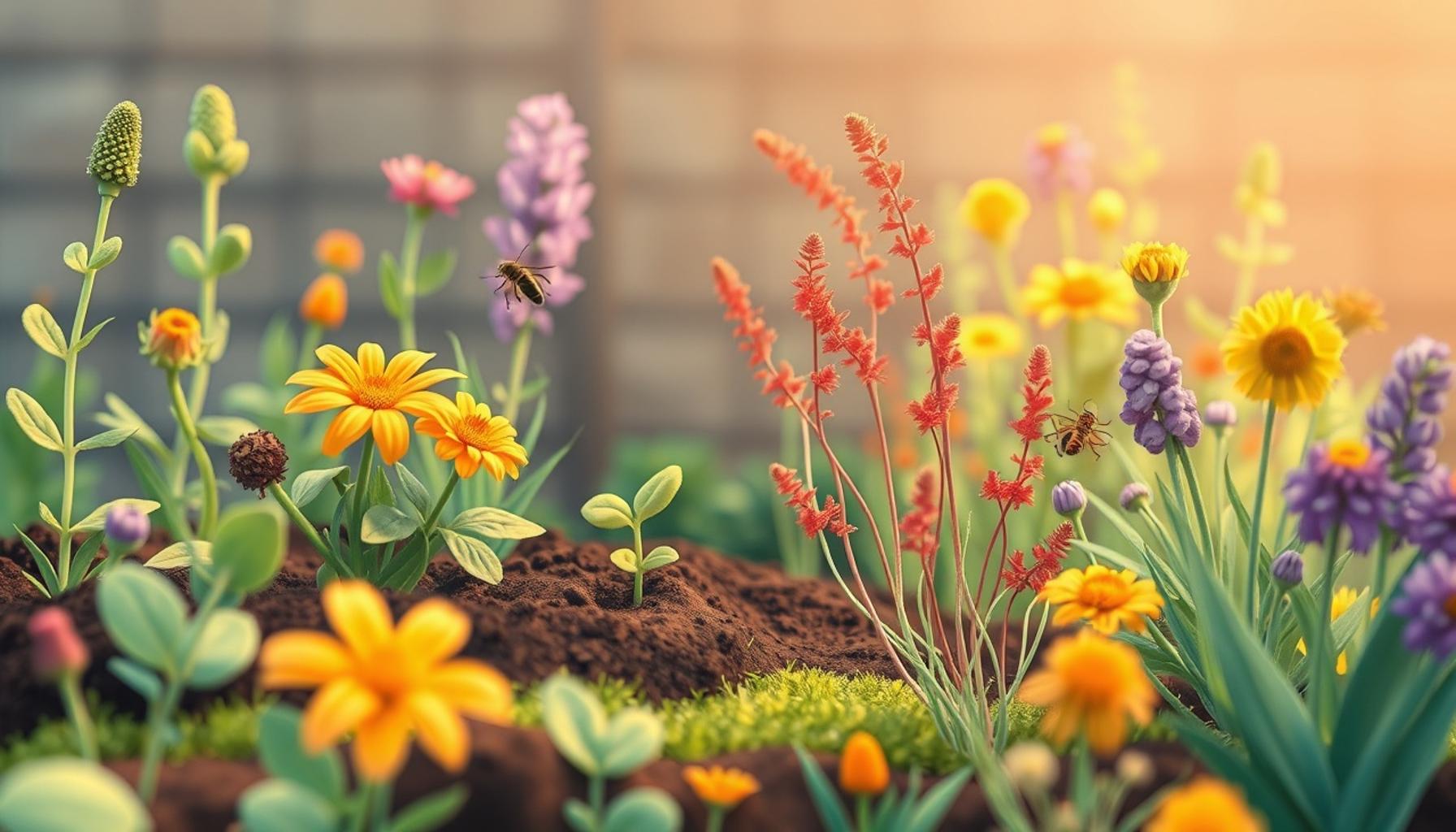
Creating a Pest-Resistant Garden: Tips for Beginners

The Thriving Garden: Your Path to Pest Resistance
Every garden enthusiast dreams of a vibrant, flourishing garden untouched by pests. However, pest problems can be a common nightmare for many beginners. The good news is that with a few strategic steps, you can create a garden that not only thrives but also resists unwanted insects and rodents. A proactive approach is essential to fostering a healthy garden environment while ensuring that natural ecosystems remain undisturbed.
Understanding Integrated Pest Management (IPM)
Start by understanding the importance of integrated pest management (IPM). This environmentally conscious approach combines various techniques to manage pests effectively without causing harm to the ecosystem. The IPM framework encourages gardeners to think beyond immediate solutions, promoting a harmonious balance in the garden. Here are some key elements to consider:
- Diverse Planting: Incorporating a mix of plants can create a more resilient garden. For instance, planting marigolds among vegetables can attract beneficial insects like ladybugs, which prey on aphids.
- Natural Deterrents: Utilizing eco-friendly pest repellents such as garlic spray, neem oil, or diatomaceous earth can help keep pests at bay without the negative repercussions of chemical applications.
- Soil Health: Maintaining rich soil biology is crucial. Composting and mulching not only enrich the soil but also promote beneficial microorganisms that help plants thrive and resist disease.
The Importance of Being Proactive
In addition to implementing IPM, being proactive can save you time and frustration. Regular maintenance and monitoring are indispensable in achieving a low-pest garden. Consider the following approaches:
- Regular Monitoring: Keeping an eye on plant health and the presence of pests can help you catch infestations early. This can be done by checking leaves for unusual spots or signs of insect activity.
- Companion Planting: Strategically pairing plants can naturally deter pests. For example, basil planted near tomatoes can repel spider mites and enhance flavor.
- Seasonal Maintenance: Practicing good garden hygiene—such as removing debris and dead plants—eliminates pest habitats and reduces the likelihood of infestations.
Embracing Sustainable Gardening Practices
By embracing these essential practices, you can significantly reduce pest pressures in your garden. The combination of diverse planting, natural deterrents, monitoring, and effective soil management forms a holistic approach to gardening. This not only creates a more robust and beautiful outdoor space but also nurtures the environment.
As you prepare to dive deeper into the art of creating a pest-resistant garden, remember that these eco-friendly strategies can minimize the struggle with pests and encourage a thriving sanctuary in your backyard. Explore available resources on IPM techniques, local beneficial insects, and the latest sustainable gardening methods to enhance your gardening experience further. Gardening can become not just a hobby but a rewarding journey toward environmental stewardship and sustainable living.
DON’T MISS: Click here to enhance your soil quality
Key Strategies for Building Your Pest-Resistant Garden
Creating a pest-resistant garden may initially seem overwhelming, especially for beginners. However, implementing a few strategic practices can lead to a vibrant and healthy garden that thrives amidst nature’s challenges. Understanding how to deter pests and invite beneficial organisms into your garden can significantly alter your gardening experience. Below are essential strategies to help you build an effective, pest-resistant garden.
Choosing the Right Plants
A fundamental step in creating a pest-resistant garden is selecting the right plants, specifically those that are native or well-adapted to your local climate. Native plants typically flourish with minimal care and are less likely to attract pests. Consider incorporating the following:
- Native Flowers: Species like black-eyed Susans or coneflowers not only add beauty but also attract pollinators that support overall garden health.
- Herbs: Plants like rosemary, thyme, and mint tend to repel pests while attracting beneficial insects, making them excellent companions in the garden.
- Vegetables: Opt for varieties that are known to be disease and pest-resistant, such as certain types of tomatoes (like ‘Cherry’) or cucumbers (‘Diva’).
Creating a Healthy Ecosystem
Building a healthy garden ecosystem is another critical aspect of pest resistance. This can be achieved through practices that enhance biodiversity and support the relationships between plants, insects, and soil. Key elements include:
- Mulching: Applying organic mulch not only retains moisture but also suppresses weeds and provides habitat for beneficial organisms.
- Plant Diversity: A varied plant palette can disrupt pest populations, as many pests are less likely to thrive in gardens with diverse flora.
- Encouraging Wildlife: Installing birdhouses or bug hotels can attract natural predators of pests, such as birds and beneficial insects.
Utilizing Natural Pest Control Methods
In your quest to create a pest-resistant garden, consider embracing natural pest control methods. These methods not only safeguard your plants but also promote environmental health. Some effective strategies include:
- Beneficial Insects: Ladybugs, lacewings, and predatory wasps can be introduced or encouraged in your garden to help control pest populations naturally.
- Traps and Barriers: Use physical barriers like floating row covers or specialized traps to protect your plants without harmful chemicals.
- Homemade Remedies: Craft simple, non-toxic pest deterrents using common household items. For example, a soap solution can effectively combat soft-bodied insects like aphids.
By integrating these focused practices into your gardening routine, you pave the way for a sustainable garden that necessitates less maintenance while simultaneously encouraging a flourishing ecosystem. As you continue to cultivate and nurture your garden, remember that patience and observation will be your greatest assets in achieving a pest-resistant paradise.
Creating a pest-resistant garden is not only about combating unwanted invaders but also involves promoting a healthy ecosystem that supports beneficial insects and plants. One crucial strategy is companion planting. This technique involves pairing plants that naturally repel pests when grown together. For example, marigolds are famous for their ability to deter nematodes and other pests, making them an excellent companion for tomatoes. Another beneficial pairing is basil and tomatoes, which not only improves flavor but also minimizes pest problems.
Implementing integrated pest management (IPM) techniques can significantly enhance your garden’s resistance to pests. This holistic approach combines biological, cultural, physical, and chemical tools in a way that minimizes risks to human health, beneficial organisms, and the environment. For beginners, understanding how to identify specific pests and their natural predators is essential. By encouraging predators like ladybugs and lacewings, you can establish a naturally balanced ecosystem that mitigates pest issues.
Furthermore, maintaining healthy soil is paramount. Utilizing organic compost encourages strong plant growth, which not only yields healthier plants but also strengthens their defenses against pests. A healthy plant has a greater resistance to disease and pest infestations, reducing the need for chemical interventions.
Another vital aspect of a pest-resistant garden is water management. Over-watering can lead to stagnant water, attracting pests like mosquitoes. Employing drip irrigation helps to minimize these issues while ensuring that plants receive the moisture they need for optimal growth.
Engaging in seasonal gardening practices and crop rotation can also prevent pests from becoming established and reducing the overall pest population in your garden. Explore ways to alter plantings and refrain from planting the same crops in the same location year after year.
| Category 1 | Category 2 |
|---|---|
| Companion Planting | Pairs plants together to repel pests and enhance growth. |
| Integrated Pest Management | Uses biological, cultural, and physical methods to control pests. |
| Healthy Soil | Boosts plant defense and growth through organic compost. |
| Water Management | Reduces stagnant water, deterring pest attraction. |
| Crop Rotation | Prevents pest establishment and supports plant health. |
Applying these strategies will enhance your gardening success and provide a thriving environment that not only looks beautiful but also thrives in harmony with nature. Visit local gardening clubs or online forums to share experiences and gather tips from seasoned gardeners. This community support can be invaluable as you embark on your journey toward creating a pest-resistant garden.
DIVE DEEPER: Click here for essential garden tools
Advanced Techniques for Enhancing Pest Resistance
While the foundational strategies of building a pest-resistant garden focus on plant selection and ecosystem health, delving into advanced techniques can elevate your gardening skills to new heights. By incorporating innovative practices and technologies, you can further deter pests while promoting the vitality of your garden.
Companion Planting
Companion planting is a time-honored technique that involves pairing plants together to enhance growth, flavor, and pest resistance. For beginners, understanding the symbiotic relationships between different plant species can be immensely rewarding. Here are some effective combinations:
- Tomatoes and Basil: This classic combo not only enhances the flavor of tomatoes but also repels common pests like aphids and whiteflies.
- Carrots and Onions: Planting these together can help deter root maggots that plague both vegetables.
- Marigolds and Almost Any Vegetable: The pungent scent of marigolds acts as a natural repellent for various harmful insects.
By being strategic with your plant pairings, you can create a more resilient garden ecosystem while maximizing space and productivity. Understanding these pairings could lead you to explore even more fascinating interactions within your garden.
Integrated Pest Management (IPM)
Implementing an Integrated Pest Management (IPM) approach allows you to consider a holistic view of pest management. IPM combines various management strategies, focusing on long-term prevention rather than solely reacting to pest problems. Key components of IPM include:
- Monitoring: Regularly check your garden for signs of pest activity. Using sticky traps or magnifying glasses can aid in identifying pest species early, allowing for timely interventions.
- Threshold Levels: Determine acceptable pest levels before deciding on control measures. Many helpful insects cohabitate with pests, so it’s essential to know when intervention is genuinely necessary.
- Combination of Controls: Use a blend of biological, cultural, mechanical, and chemical methods when addressing pest issues. For example, introducing beneficial insects combined with the physical removal of pests may yield better results.
IPM is not only sustainable but can also be customized to suit individual garden conditions, giving it a flexible, practical appeal for gardeners across the United States.
Soil Health as a Preventative Measure
Good soil health serves as a major line of defense in preventing pest infestations. Healthy soil promotes robust plant growth, making them less susceptible to pests. Here are a few practices to enhance soil health:
- Composting: Incorporating compost boosts soil fertility and structure, feeding plants and promoting resistance.
- Crop Rotation: By rotating your crops each season, you disrupt pest life cycles and reduce their establishment.
- pH and Nutrient Testing: Regularly test soil for pH levels and nutrient content to ensure optimal growing conditions.
Healthy soil not only supports pest resistance but also contributes to the overall sustainability of your garden. Consider joining local gardening clubs or online communities to share experiences and learn from fellow gardeners about their soil management techniques.
As you employ these advanced techniques, your understanding of pest resistance will deepen, transforming your garden into a sanctuary not just for plants but for all who visit it. Observing how these strategies intertwine can cultivate a sense of curiosity and appreciation for the living world around you, leading you to uncover endless opportunities for learning within your garden space.
DISCOVER MORE: Click here for expert pruning tips
Conclusion: Embracing the Journey to a Pest-Resistant Garden
Creating a pest-resistant garden is not merely about defending your plants against unwanted visitors; it is an enriching journey that deepens your appreciation for nature and the interconnectedness of life. As you begin your gardening adventure with the fundamental techniques discussed, such as companion planting, Integrated Pest Management (IPM), and promoting soil health, you are already laying a solid foundation for success.
The synergy of these methods offers you the opportunity to cultivate a vibrant and sustainable ecosystem. By being proactive and attentive to the dynamics within your garden, you can minimize pest problems and maximize the health and productivity of your plants. Remember that observance is key—paying attention to shifts in your garden will help you preemptively combat potential infestations.
Furthermore, explore resources and connect with fellow gardeners in your community to share insights and best practices. Engaging in this collective knowledge will not only enhance your skills but also inspire you to continually innovate your pest management strategies. This engagement will further strengthen the bond you have with your outdoor space.
Ultimately, a pest-resistant garden encapsulates more than just effective techniques; it embodies a deeper relationship with the earth. Stay curious, learn from your experiences, and allow your garden to reflect the beauty of resilience and growth. Armed with the right knowledge and passion, your gardening journey can flourish, turning challenges into opportunities for success.