Natural Pest Control Methods to Keep Your Garden Healthy
Explore the Rich World of Natural Pest Control
Creating a vibrant garden is often a labor of love, but dealing with pests can quickly turn that love into frustration. Fortunately, there are natural pest control methods that help keep your garden healthy without resorting to harsh chemicals. These methods not only protect your plants but also contribute to a sustainable gardening ecosystem.
Understanding the benefits of going natural is essential for any gardener. Here are a few key reasons to consider natural pest control:
- Environmental Safety: Natural methods are less harmful to beneficial insects and wildlife. For instance, introducing ladybugs can help control aphid populations without derailing your garden’s delicate balance. Unlike synthetic pesticides, which can kill non-target species, these solutions create a safe haven for pollinators like bees, vital for plant reproduction.
- Soil Health: Avoiding synthetic pesticides can improve soil quality and promote biodiversity. Chemical treatments can disturb the soil microbiome, essential for nutrient cycles. Methods such as composting and incorporating cover crops foster a rich microbial ecosystem that contributes to strong, healthy plants.
- Cost-Effective: Many natural solutions can be made with everyday household items. For example, a simple mixture of water and dish soap can serve as an effective insecticidal soap, targeting soft-bodied pests like spider mites and whiteflies without straining your wallet.
As you explore these methods, you’ll find that nature has provided us with an array of effective solutions. From encouraging beneficial insects to using homemade insecticidal soaps, the options are both varied and accessible. For instance, planting marigolds among your vegetables not only adds color but also repels nematodes and other common pests, effectively acting as a natural deterrent.
Another approach is utilizing physical barriers, such as row covers or handpicking pests like caterpillars off your plants. These strategies minimize pest problems at their source, creating a proactive instead of reactive gardening stance.
In the upcoming sections, we will delve deeper into different strategies that you can implement to foster a thriving garden while keeping pests at bay. With consistent observation and creativity, you can develop a personalized pest management plan that suits your garden’s unique needs.
Stay tuned to uncover how simple adjustments in your gardening practices can yield impressive results and lead to healthier plants. Arm yourself with knowledge about natural pest control, and transform your garden into a flourishing ecosystem that thrives on balance and sustainability.
DISCOVER MORE: Click here for a beginner’s guide to drip irrigation
Embracing Beneficial Insects: Allies in the Garden
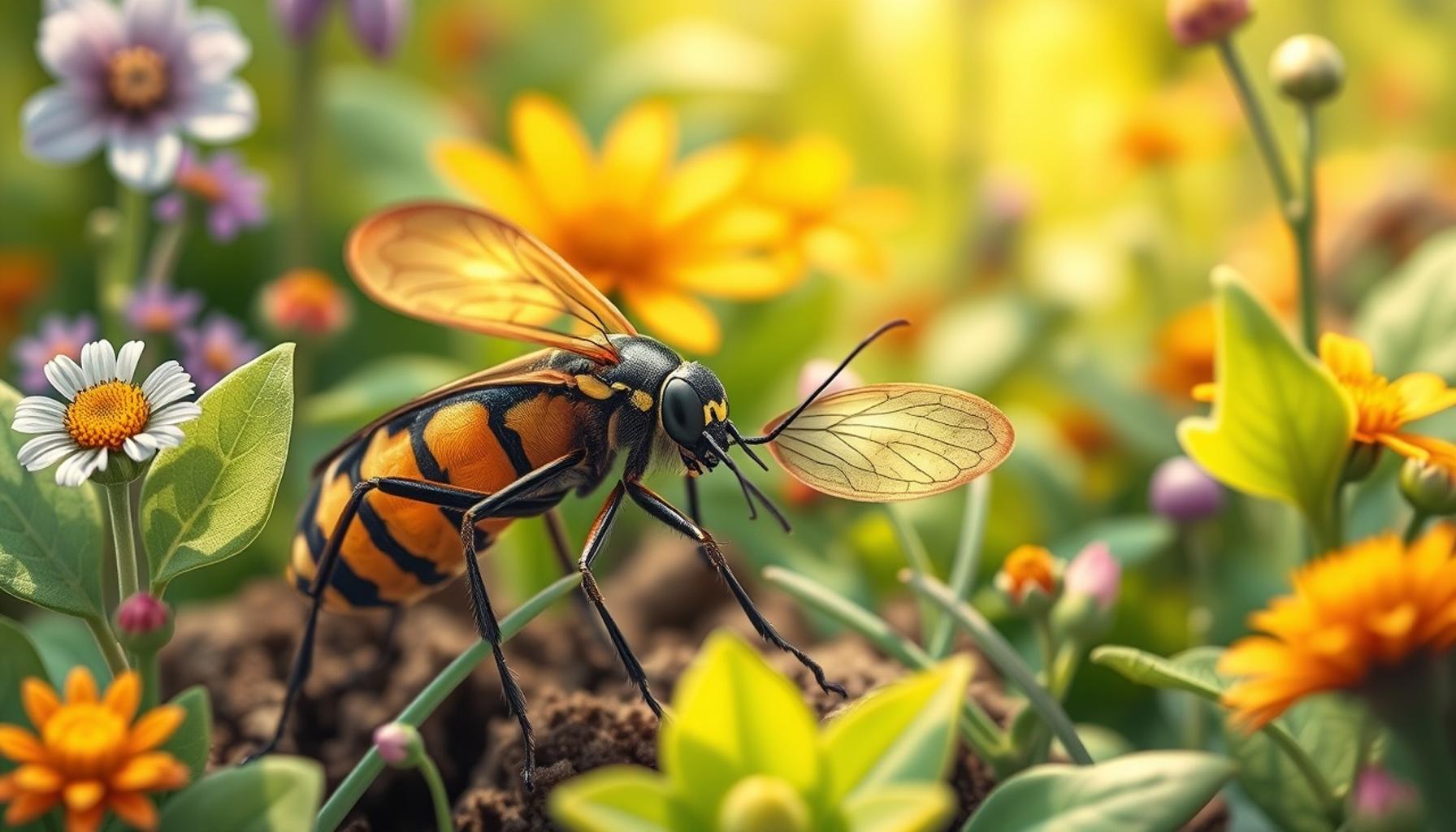
One of the most effective natural pest control methods involves harnessing the power of beneficial insects. Often referred to as “nature’s pest control,” these insects play a crucial role in maintaining the ecological balance within your garden. By attracting and protecting these allies, you can significantly reduce pest populations without the need for chemical interventions.
For instance, ladybugs are well-known for their insatiable appetite for aphids, mites, and other pesky soft-bodied insects. Just a few ladybugs can feast on hundreds of aphids in a single day, making them invaluable for your garden’s health. Similarly, lacewings, sometimes called “aphid lions,” offer another level of pest control, while praying mantises can help keep various pest populations in check due to their predatory nature.
To attract these beneficial insects to your garden, consider planting native flowers that provide nectar and pollen. Herbs like dill, fennel, and cilantro are not only great additions to your cooking but also serve as magnets for these helpful creatures. Additionally, building homes for beneficial insects, such as bug hotels, can encourage them to settle in your garden.
Implementing Companion Planting for Pest Prevention
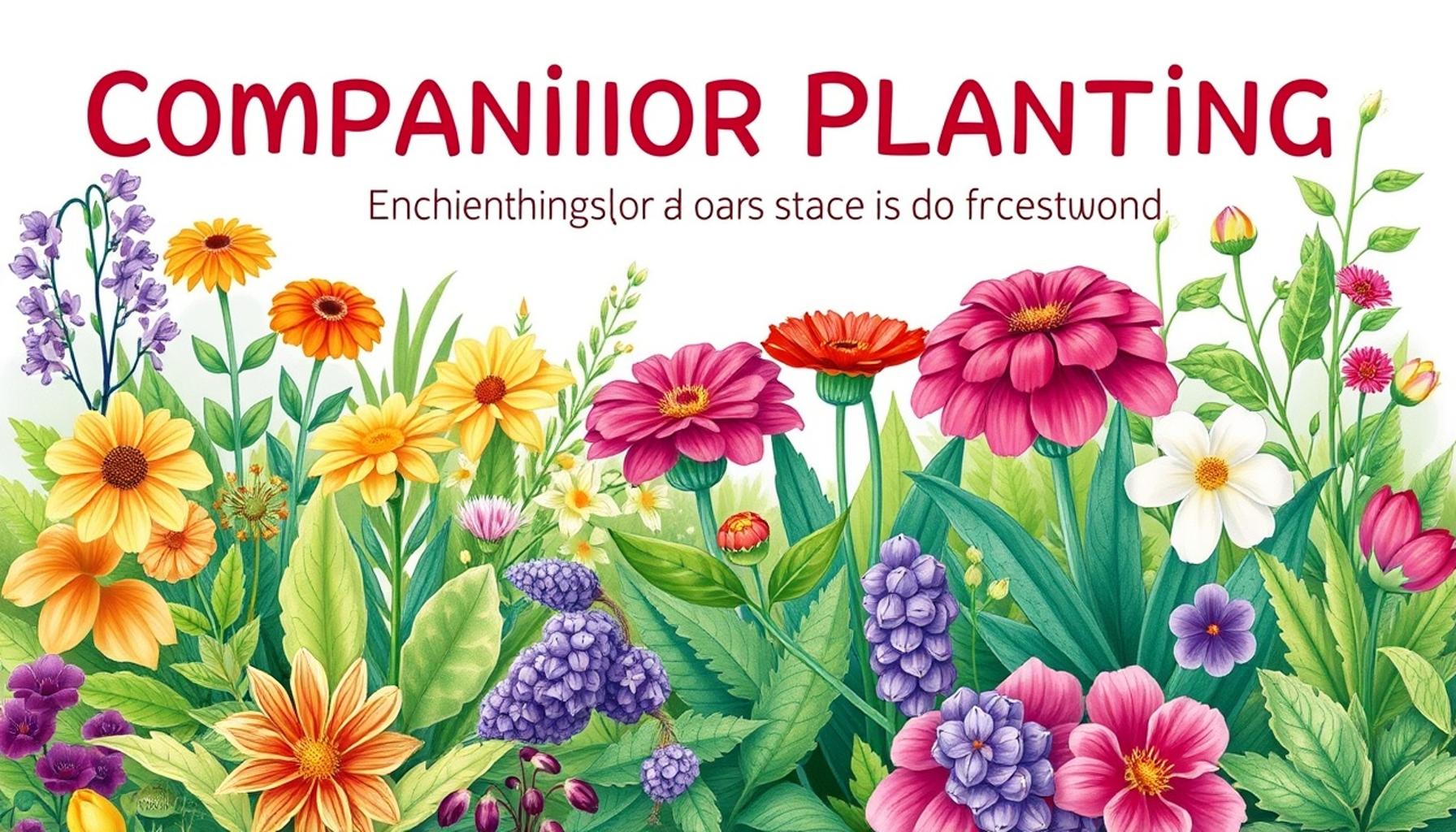
Another fascinating natural pest control technique is companion planting, which involves pairing plants that benefit each other. This symbiotic strategy can deter pests, attract beneficial insects, and even improve plant growth. For example, planting basil near tomatoes is said to enhance the flavor of the tomatoes while also repelling hornworms and other pests.
Consider some of the following companion planting combinations:
- Marigolds: Planting these vibrant flowers among your vegetables can deter nematodes and aphids, while their scent confuses many garden pests.
- Garlic: This kitchen staple can ward off aphids and spider mites, making it a trusty companion for various crops.
- Radishes: They can act as a decoy for pests like the cucumber beetles, drawing them away from more vulnerable plants.
- Mint: The strong scent of mint can repel ants and cabbage moths, helping to keep your brassicas safe.
Integrating these natural pest control methods into your garden not only enhances plant health but also fosters an environment of biodiversity. By strategically planting compatible flowers, herbs, and vegetables, you can establish a self-sustaining ecosystem that limits the competition for resources and minimizes the likelihood of pest infestations.
As you delve deeper into these natural tactics, you will discover that a balanced approach to gardening fosters not only healthier plants but also a thriving, vibrant community of flora and fauna. Stay connected as we explore further strategies tailored to meet the unique dynamics of your garden.
| Category | Details |
|---|---|
| Companion Planting | This method leverages the natural relationships between plants to repel pests. For instance, marigolds are known to ward off nematodes. |
| Beneficial Insects | Encouraging predators such as ladybugs and lacewings can drastically reduce pest populations, naturally maintaining ecological balance. |
Exploring various natural pest control methods is essential for maintaining a thriving garden. One valuable technique is companion planting, which involves pairing plants that mutually benefit each other, whether by deterring pests or enhancing growth. For example, planting basil alongside tomatoes can enhance their flavor and minimize infestations by whiteflies.Another highly effective strategy is to attract beneficial insects that serve as natural pest controllers. These insects often feed on common garden pests, which helps to keep your plants healthy without the need for chemical pesticides. Utilizing flowering plants like alyssum or dill can attract these helpful allies, thereby promoting a self-regulating ecosystem within your garden.Learning about these methods not only helps in controlling pests naturally but also encourages an environmentally friendly approach to gardening. It opens the door to further exploration of sustainable practices that harmonize with nature’s ecosystem, leading to a healthier garden.
DISCOVER MORE: Click here to learn about soil pH’s impact on plant growth
Utilizing Organic Barriers and Physical Controls
Alongside beneficial insects and companion planting, implementing organic barriers and physical controls is a practical and impactful strategy in natural pest management. These methods serve as protective measures to prevent pests from infesting your plants, providing an essential line of defense against unwanted visitors.
One common approach is the use of row covers, which are lightweight fabrics placed over plants to create a physical barrier. These covers can effectively shield crops from insects while allowing sunlight and moisture to penetrate. Row covers are particularly useful for protecting early seedlings from pests like cabbage maggots and flea beetles, giving plants the best chance to thrive before plants are filled out enough to withstand infestations.
Another effective barrier option is the application of hard mulch. By spreading organic materials such as straw, wood chips, or grass clippings around the base of your plants, you can not only suppress weeds but also deter certain insects like slugs and snails. Furthermore, maintaining a consistent mulch layer helps regulate soil temperature and moisture, providing healthier conditions for root systems.
Employing Natural Repellents and Traps
In addition to barriers, natural repellents and traps can also play a significant role in deterring pests. Many gardeners utilize homemade sprays, often made from ingredients like garlic, hot pepper, or neem oil, which can ward off insects while being safe for plants and the environment. For instance, a simple mixture of water with crushed garlic and a few drops of liquid soap can create a potent spray that repels aphids, spiders, and other undesired insects.
Furthermore, integrating traps—like sticky traps or beer traps—can effectively reduce pest populations. Sticky yellow traps attract and capture flying pests such as whiteflies and fungus gnats, while buried containers filled with beer can lure and trap slugs and snails, preventing further damage to your plants.
When considering pest management techniques, it is also important to incorporate crop rotation as a preventive tactic. By changing the location of specific crops each growing season, you disrupt pest life cycles and lessen the likelihood of infestation. For example, if you grow tomatoes one year in a particular plot, consider relocating them to a different area next season to confuse pests that are drawn to those plants.
Combining these approaches creates a robust pest control strategy focusing on maintaining garden health through natural means. Each method contributes to reducing reliance on harmful chemicals and promotes a thriving ecosystem that supports biodiversity. By embracing organic barriers, traps, and repellents, gardeners can create not only healthy plants but also a sustainable environment conducive to long-term gardening success, paving the way for flourishing gardens across the United States.
DIVE DEEPER: Click here to learn about the importance of crop rotation
Conclusion: Embracing Natural Pest Control for a Thriving Garden
In conclusion, adopting natural pest control methods not only safeguards your garden from destructive pests but also fosters a healthier and more vibrant ecosystem. By integrating strategies such as beneficial insects, organic barriers, natural repellents, and effective traps, gardeners in the United States can significantly reduce their reliance on chemical pesticides while enhancing the well-being of plants.
Furthermore, the principles of companion planting and crop rotation serve as critical components in managing pest populations and promoting biodiversity. These methods create a harmonious balance within the garden, encouraging beneficial interactions that bolster plant health. As you cultivate this sustainable approach to gardening, you not only protect your plants but also contribute to the greater environmental cause of nurturing our planet.
Engaging in natural pest control is a rewarding journey that empowers gardeners to take an active role in their ecosystems. For those looking to deepen their understanding, numerous resources and communities are available to share insights and experiences that will enrich your gardening endeavors. Whether you’re a seasoned green thumb or just starting out, the garden becomes a canvas for experimentation and learning.
Ultimately, by exploring and implementing these natural pest control methods, you can enjoy a bountiful, healthy garden that thrives without compromising the environment. Let your garden tell the story of resilience, sustainability, and the pursuit of an organic future.