Soil Covering Techniques: Benefits of Mulching for Beginner Gardens
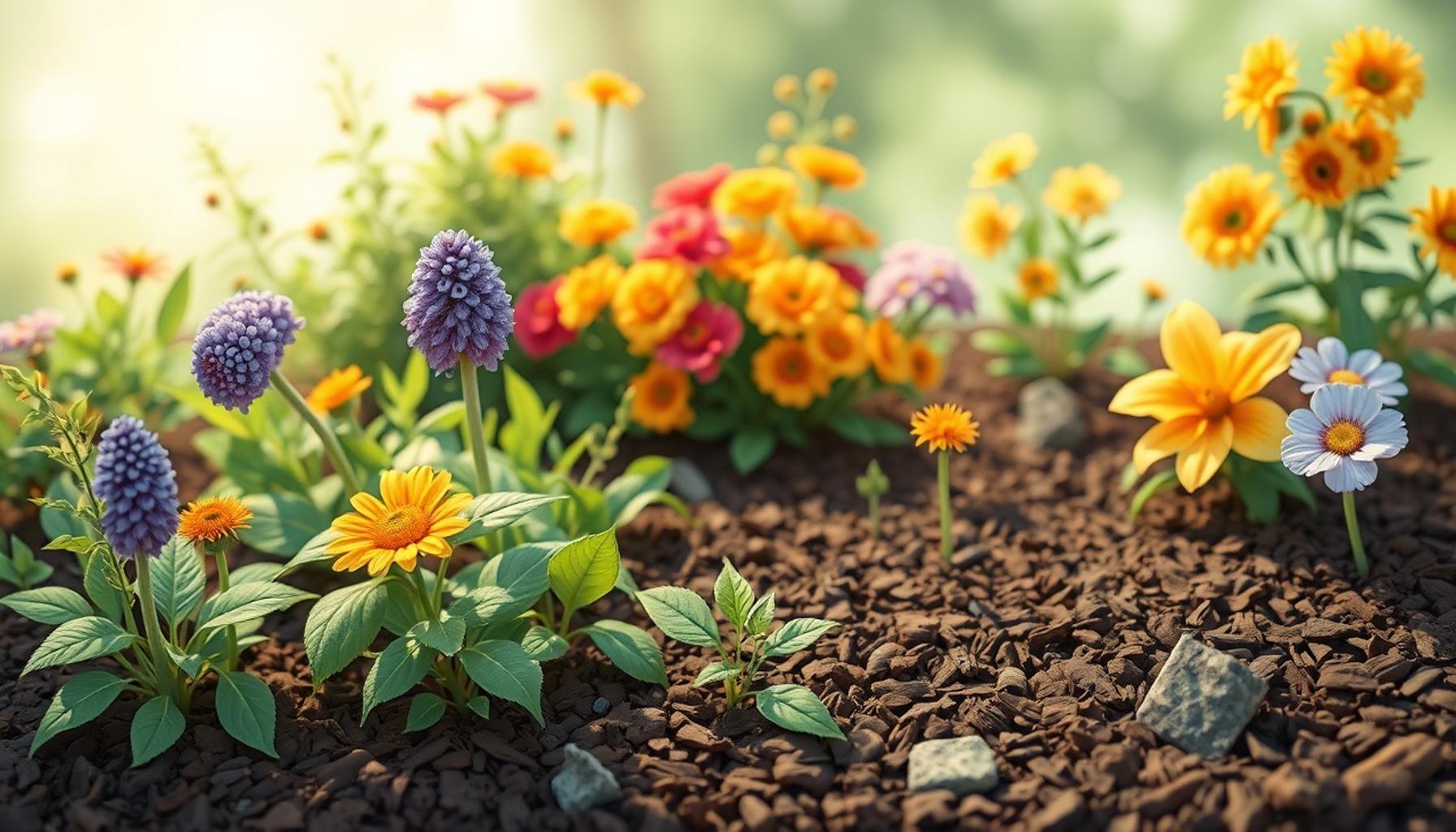
Understanding the Multifaceted Benefits of Mulching
For beginner gardeners, mulching may appear to be merely an aesthetic choice; however, this practice is vital for cultivating a healthy and thriving garden. By creating a protective layer over the soil, mulching serves a multitude of purposes, all of which are crucial for fostering robust plant growth and maintaining ecological balance.
Key Benefits of Mulching
As you venture into gardening, it’s essential to grasp the advantages of mulching. Each benefit plays a significant role in the health of your plants and the overall vitality of your garden. Here are some key advantages:
- Moisture retention: One of the most prominent benefits of mulching is its ability to trap moisture in the soil. By reducing evaporation, a layer of mulch can help retain essential moisture, minimizing the need for frequent watering. This is particularly beneficial in drier regions or during hot summer months, ultimately saving both time and water.
- Weed suppression: Mulch acts as a barrier that limits sunlight from reaching the weeds, significantly reducing their growth. With fewer weeds competing for nutrients and water, your plants are more likely to thrive. For example, a 2- to 3-inch layer of organic mulch, such as shredded bark or straw, can effectively choke out unwanted weeds.
- Temperature regulation: A layer of mulch can help shield the soil from extreme temperature fluctuations. In summer, it keeps the soil cooler, whereas in winter, it insulates the ground, protecting the roots from freezing temperatures. This temperature moderation is particularly vital for young plants that are sensitive to changes in their environment.
- Soil fertility: Organic mulches, such as compost or grass clippings, decompose over time, enriching the soil with valuable nutrients. This not only enhances soil structure but also attracts beneficial organisms like earthworms, which aerate the soil and promote a healthier garden ecosystem.
Diverse Types of Mulch for Different Needs
In the United States, mulching practices can vary significantly, with various options available for gardeners. Common types of mulch include straw, wood chips, shredded leaves, and grass clippings. For instance, straw is an excellent choice for vegetable gardens, as it provides insulation while being lightweight and easy to manage. On the other hand, wood chips offer a long-lasting option suitable for flower beds or pathways, controlling weeds while contributing to the visual appeal of the garden.
As you immerse yourself in the world of gardening, the benefits of mulching will lay a solid foundation for sustainable practices and healthy plant growth. By understanding the significance of this essential technique and selecting the right type of mulch for your garden, you can unlock the secrets of successful gardening. Watch as your garden transforms, flourishing into a vibrant oasis that invites all to explore its beauty.
DIVE DEEPER: Click here to enhance your gardening skills
Unlocking Garden Health with Effective Mulching Strategies
Embracing mulching in your garden is not just about style; it’s a strategic technique rooted in ecological benefits. For beginner gardeners, understanding the multifaceted advantages of applying a protective layer to the soil can be key to nurturing flourishing plants with minimal effort. As you begin your journey into gardening, familiarizing yourself with how mulching enhances your garden ecosystem is essential.
Conserving Resources Through Intelligent Mulching
One of the most alluring reasons for beginner gardeners to adopt mulching practices is the incredible potential for water conservation. In many regions across the United States, water scarcity can be a concern, especially during the sweltering summer months. By utilizing mulch, you can significantly mitigate soil moisture loss. For instance, research indicates that a layer of mulch can reduce evaporation rates by as much as 50%, meaning less frequent watering is necessary. This not only helps the environment but also eases the workload for new gardeners still refining their watering techniques.
Another crucial element in successful gardening is nutrient management. When you choose organic mulches, such as aged leaves or shredded bark, you’re not only covering your soil but actively improving its quality. These materials break down over time, providing essential nutrients back to the soil. For example, using compost as a mulch not only protects plants from harsh weather but also feeds them as it decomposes, creating a symbiotic relationship between plants and the soil. This feedback loop enhances soil fertility, ensuring that your plants have access to the necessary nutrients for healthy growth.
Creating a Balanced Environment
Mulching also plays a significant role in creating a balanced microenvironment. By conserving soil moisture and regulating temperature, mulch acts as a natural insulation layer, protecting delicate root systems from extreme conditions. During harsh winters, mulch can prevent soil from freezing completely, safeguarding perennials and tender plantings. Conversely, in the heat of summer, mulch can help keep roots cool, fostering an environment conducive to growth. This climate control is particularly vital for beginner gardeners who may not yet understand the nuanced needs of their plants.
Moreover, pest management can also be aided by the strategic use of mulch. Certain types of mulch can help deter pests naturally. For instance, using cedar chips can repel insects due to their natural oils. This built-in defense mechanism can reduce the need for chemical pesticides, making your garden a healthier place for both plants and beneficial insects.
In summary, understanding the importance of mulching techniques forms a cornerstone for successful gardening. Taking the time to explore the various benefits of mulching enables novice gardeners to cultivate not just beautiful gardens, but resilient ecosystems. Armed with this knowledge, you can make informed choices that will ultimately lead to a thriving garden sanctuary.
| Advantage | Description |
|---|---|
| Weed Suppression | Mulching effectively blocks sunlight, which inhibits weed growth in your garden, allowing your plants to thrive. |
| Moisture Retention | A layer of mulch helps to retain soil moisture, reducing the need for frequent watering, which is especially beneficial for beginners. |
The use of mulch is one of the most important soil covering techniques that beginner gardeners can easily adopt. By suppressing unwanted weeds, mulching creates a more favorable ecosystem for desired plants to flourish. Additionally, it serves the dual purpose of conserving moisture in the soil. This not only minimizes the frequency of watering but also mitigates the risk of over-saturation, allowing for more resilient plant health.Moreover, various types of mulch—organic or inorganic, various materials available—affect how they function in the garden. Organic options, like straw or wood chips, not only provide aesthetic value but also enrich the soil as they decompose. This gradual transformation can lead beginners to notice improved soil quality over time, enhancing nutrient availability and supporting plant growth. Exploring these diverse mulching options can further help you shape a thriving garden space enriched with vitality.
DON’T MISS: Click here to safeguard your garden
Transforming Your Garden with Thoughtful Mulching Choices
For beginner gardeners, selecting the right type of mulch is as important as understanding its myriad benefits. With the variety of mulching materials available, each offers unique advantages that can elevate your gardening game. Whether you’re leaning towards organic or inorganic options, the choice you make can significantly influence soil health, plant vitality, and garden aesthetics.
Diving into Organic Mulches
Organic mulches remain a top choice for many gardeners due to their ability to improve soil structure as they decompose. Materials such as straw, grass clippings, and wood chips not only provide a protective barrier atop the soil but can also contribute to the soil’s physical and biological makeup. As they break down, they add organic matter that encourages microbial activity, essential for nutrient cycling.
Consider using straw mulch, a great option that offers excellent moisture retention while also suppressing weeds effectively. Grass clippings are rich in nitrogen, making them a perfect mulch option around vegetables. Just be aware to use clippings from untreated grass to avoid introducing chemicals into your garden. On the other hand, wood chips, while slow to decompose, can last for several seasons and provide a beautiful aesthetic, especially along garden paths or in flower beds.
The Role of Inorganic Mulches
While organic mulches are often favored for their nutrient contributions, inorganic mulches should not be overlooked. Materials such as rubber mulch, gravel, and landscape fabric offer durability and long-lasting coverage. These options can help control weeds effectively without the continuous need for reapplication, making them a practical choice for busy beginner gardeners.
Rubber mulch, which is made from recycled tires, is ideal for play areas or decorative garden paths. It is durable, can withstand various weather conditions, and does not decompose, thus providing a long-term solution for weed suppression. Gravel mulch can be particularly efficient in rock gardens or xeriscapes, helping to retain soil moisture while creating an attractive, low-maintenance landscape.
Additional Benefits of Mulching Your Garden
In addition to moisture retention and pest control, mulching provides a range of other benefits that beginner gardeners can appreciate. Soil erosion control is a critical advantage, especially for those cultivating on slopes or in areas prone to heavy rain. A well-placed layer of mulch can help prevent soil from washing away, maintaining your precious topsoil.
Furthermore, mulching contributes to aesthetic appeal, transforming a simple garden into a visually stunning retreat. By selecting contrasting colors or textures, you can create eye-catching focal points that enhance the overall beauty of your outdoor space. For instance, a bright layer of cocoa hull mulch can add a rich chocolate hue that pairs beautifully with vibrant green foliage.
Finally, utilizing mulch effectively can result in less weeding and more time for enjoying your garden. With a well-mulched area, the need for tedious weeding diminishes, allowing beginner gardeners to spend more time nurturing plants and enjoying the fruits of their labor.
By tapping into the extensive range of benefits that various mulching techniques offer, beginner gardeners can cultivate resilient and productive gardens. Armed with the right mulching strategies, you’ll be well on your way to unlocking the full potential of your gardening endeavors.
LEARN MORE: Click here to find out how to protect your plants from pests
Conclusion: Embracing Mulching for a Flourishing Garden
In the world of gardening, mulching stands out as a deceptively simple yet profoundly impactful technique that can transform your gardening experience. As beginner gardeners venture into cultivating their plots, the choice of mulching material—whether organic or inorganic—can set the foundation for a thriving, healthy garden. Beyond mere aesthetics, mulching offers moisture retention, weeds suppression, and soil improvement, creating the perfect environment for plants to flourish.
By incorporating organic options like straw, grass clippings, or wood chips, you not only enhance the health of your soil through the addition of vital nutrients but also encourage biodiversity in the soil ecosystem. At the same time, the durability of inorganic mulches like rubber or gravel provides long-term solutions for weed control and requires less maintenance, giving busy gardeners more time to enjoy their outdoor sanctuary.
The numerous benefits extend beyond the practical; mulching can effectively combat soil erosion and beautify your space, allowing any gardener to express creativity through a thoughtful selection of colors and textures. As the warm days of summer and chilly nights of winter unfold, your mulched garden will respond with resilience, consistently producing lush, vibrant plants.
Embarking on your gardening journey with the knowledge of mulching’s advantages will not only simplify your tasks but also amplify your success. Explore the various mulching techniques available and discover how they can nurture your plants while making your gardening experience more enjoyable. With the right mulch, your beginner garden can thrive into an extraordinary showcase of nature’s bounty.