The Impact of Diet on Acne: Foods that Help and Those to Avoid
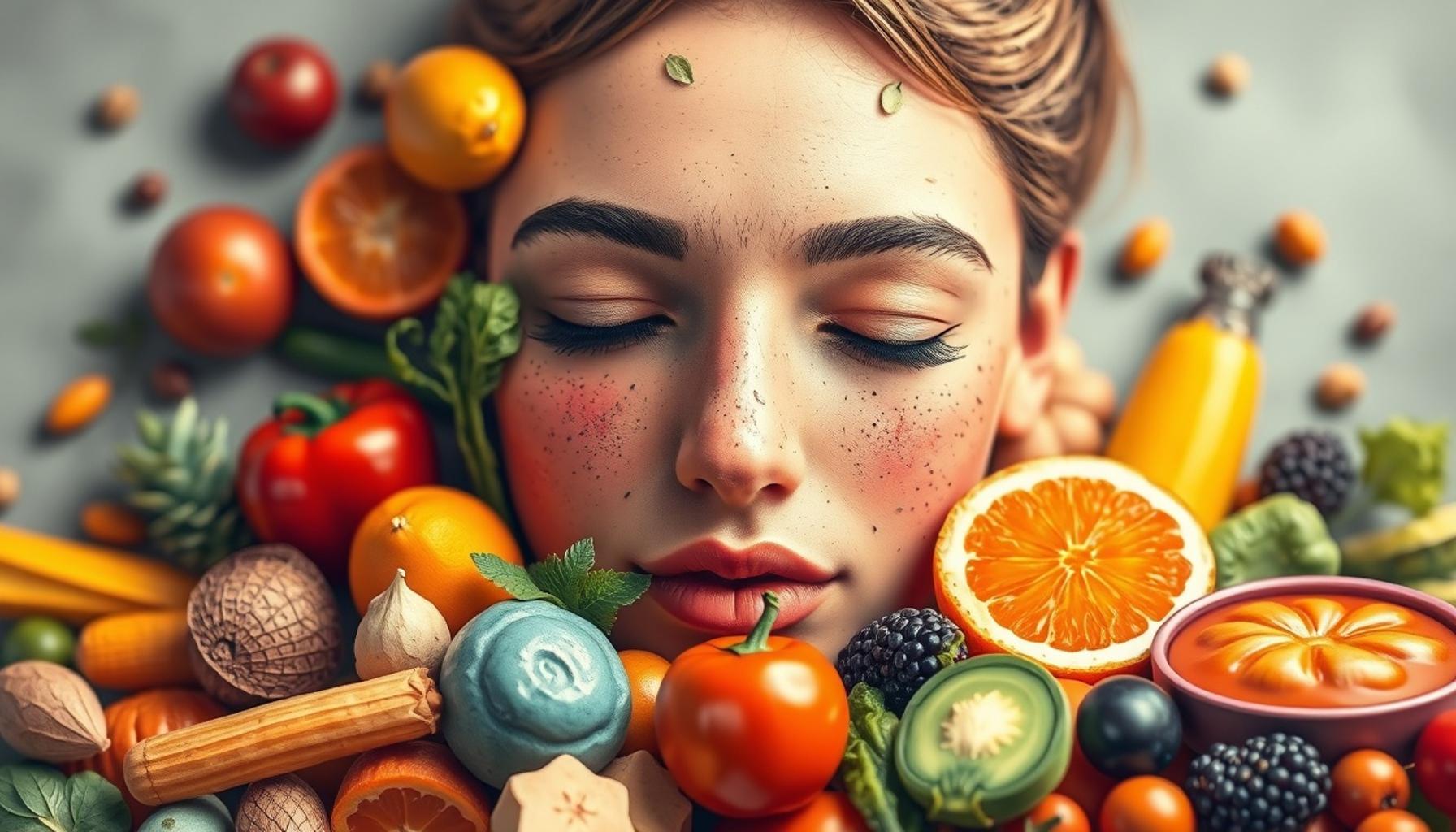
Understanding the Link Between Your Plate and Pimples
Acne can often feel like an uninvited guest in the lives of many teenagers and young adults, causing not only physical discomfort but emotional distress as well. While the role of hormones and genetics is well-documented in the etiology of acne, emerging research suggests that diet also plays a crucial role in skin health. The connection between dietary choices and skin condition provides a new avenue for those seeking to manage their acne effectively.
A growing body of evidence indicates that certain foods can exacerbate acne, while others can help combat it. For instance, high-glycemic foods, which include sugary snacks and refined carbohydrates, can lead to spikes in insulin levels that may trigger an overproduction of sebum, a primary contributor to acne. Foods like white bread, pastries, and sugary beverages can thus worsen skin condition. A study published in the “American Journal of Clinical Nutrition” found that individuals who consumed a diet rich in high-glycemic index foods experienced more severe acne than those who adhered to lower-glycemic alternatives.
Similarly, dairy products have come under scrutiny in relation to acne. Some studies suggest that milk, particularly skim milk, can lead to increased acne breakouts. This may be due to the hormones present in milk or the insulin-like growth factor (IGF-1) found in dairy, which can stimulate the oil glands in the skin. For those who love dairy but are concerned about acne, experimenting with alternatives such as almond milk or coconut yogurt could yield benefits.
On the other hand, incorporating healthy fats into your diet can be beneficial for your skin. Foods rich in omega-3 fatty acids, such as salmon, walnuts, and flaxseeds, are known to possess anti-inflammatory properties. Reducing inflammation in the body can potentially lead to fewer acne flare-ups. Research has shown that omega-3 supplementation can have a positive impact on acne severity, making it a worthwhile addition to your diet.
Foods to Embrace and Avoid
As you tailor your diet to enhance your skin’s health, it’s vital to identify foods that can either support or undermine your efforts.
- Foods to Include: Leafy greens such as spinach and kale are rich in antioxidants; fruits like berries provide vitamins and fiber; nuts such as almonds offer healthy fats and vitamin E; while whole grains supply essential nutrients and help regulate blood sugar levels.
- Foods to Limit: Packaged snacks high in sugars, refined carbohydrates such as white rice, and excessive dairy can lead to more frequent or severe breakouts.
By carefully selecting your food choices, you may not only enhance your overall health but also pave the way to clearer skin. The simple act of becoming mindful of what you eat could mark the beginning of a transformative journey towards achieving a complexion you feel proud of. So, as you contemplate your next meal, remember that a powerful ally in the fight against acne may just be your plate!
DIVE DEEPER: Click here to learn more
Nourishing Your Skin from Within: The Foods that Make a Difference
To truly understand the impact of diet on acne, one must explore the nutritional elements that can either bolster skin health or serve as adversaries. As we delve deeper into this subject, it becomes evident that not all calories are created equal; some can pave the way toward clear skin, while others can precipitate breakouts.
Among the foods that stand out for their potential to alleviate acne are fruits and vegetables, particularly those abundant in vitamins and antioxidants. Berries, such as blueberries and strawberries, are particularly noteworthy; their high levels of vitamin C and antioxidants can combat oxidative stress and promote skin healing. Additionally, citrus fruits like oranges and grapefruits offer not just refreshing flavors but also a significant boost of vitamin C, promoting collagen production and skin repair.
Leafy greens, including spinach and kale, are another group of champions in the fight against acne. Rich in nutrients like vitamin A, which can help regulate oil production in the skin, they also provide anti-inflammatory benefits. The incorporation of these greens into your daily meals can be as simple as tossing them into a smoothie or enjoying them in a vibrant salad—both delicious and effective methods to nourish your skin.
Incorporating Healthy Fats
While many might shy away from fats due to misconceptions surrounding their health impact, the reality is that healthy fats can play a pivotal role in maintaining clear skin. Foods rich in omega-3 fatty acids, such as salmon, flaxseeds, and walnuts, have been shown to reduce inflammation in the body, which can subsequently lessen the frequency and severity of acne flare-ups. In fact, numerous studies underscore the positive correlation between omega-3 intake and improved skin health.
Moreover, the connection between hydration and skin clarity cannot be overlooked. Keeping your body well-hydrated not only supports overall health but also helps to maintain skin elasticity and flush out toxins. Plain water should be the beverage of choice, but herbal teas and infused water with fruits like lemon or cucumber offer flavorful alternatives that also boost hydration levels.
- Foods to Include:
- Berries (blueberries, strawberries, raspberries)
- Citrus fruits (oranges, grapefruits, lemons)
- Leafy greens (spinach, kale)
- Healthy fats (salmon, walnuts, flaxseeds)
- Whole grains (quinoa, brown rice)
- Foods to Avoid:
- Sugary snacks (candies, cookies, sodas)
- Refined carbohydrates (white bread, pastries)
- Excessive dairy products (skim milk, ice cream)
- Processed foods (fast food, packaged snacks)
As you embark on your journey towards clearer skin, remember that dietary choices hold significant weight. By nourishing your body with the right foods, you can take proactive steps in managing acne, complementing other topical or medicinal treatments for a holistic approach to skincare.
The Impact of Diet on Acne: Foods that Help and Those to Avoid
The relationship between diet and acne is increasingly recognized as a crucial factor in skincare. Certain foods can exacerbate acne while others may help in managing it. Understanding these dietary influences can empower individuals to make healthier choices leading to clearer skin.
| Category | Description |
|---|---|
| Foods that Help | Foods rich in omega-3 fatty acids, such as fish and nuts, are excellent for reducing inflammation, potentially alleviating acne. |
| Foods to Avoid | Highly processed foods and sugary items may lead to insulin spikes, worsening acne outbreaks due to increased oil production. |
Incorporating a diet rich in whole foods, fruits, and vegetables can further contribute to skin health. Notably, foods containing antioxidants, such as berries and dark leafy greens, help combat oxidative stress, a contributor to skin issues. Additionally, certain studies suggest that dairy products could be linked to increased acne severity, prompting some to explore alternatives.Furthermore, staying hydrated is paramount. Adequate water intake supports skin moisture and complexion while flushing out toxins, which can further improve the appearance of acne-prone skin. These dietary adjustments may seem simple, but their effects can be profound, leading many to a transformative journey towards clearer skin.
DISCOVER MORE: Click here for insights on botanical extracts
Unmasking the Culprits: Foods to Avoid for Clearer Skin
While incorporating nourishing foods into your diet can support skin health, it is equally critical to recognize foods that may exacerbate acne. Research suggests a direct correlation between dietary choices and the severity of acne outbreaks, emphasizing the need for mindfulness in what we consume.
One of the most notorious groups of offenders is sugary snacks. Items like candies, cookies, and sodas spike insulin levels, which can increase oil production and inflammation within the skin, leading to more severe breakouts. A study published in the Journal of the American Academy of Dermatology has shown that a diet high in glycemic index (GI) foods—ones that elevate blood sugar quickly—can aggravate acne. This link is particularly concerning as many processed snacks and fast foods fall into this category, promising quick satisfaction but wreaking havoc on your skin.
The Dangers of Refined Carbohydrates
Furthermore, refined carbohydrates deserve a spotlight for their potential skin-tarnishing effects. Foods such as white bread, pastries, and white rice can similarly contribute to increased insulin levels, mimicking the effects of sugar. Research indicates that individuals following a low-GI diet—rich in whole grains like quinoa and brown rice—often experience fewer acne outbreaks. This demonstrates that by replacing refined carbohydrates with their whole grain counterparts, you can actively work to mitigate acne symptoms.
Excessive dairy consumption is another area worth questioning. Recent studies have suggested that dairy, particularly non-fat milk, can increase the prevalence of acne; this may be attributed to hormones present in dairy products influencing skin oil production. As an alternative, consider plant-based milk options such as almond or oat milk, which may provide a nourishing choice without the potential skin compromises associated with traditional dairy.
- Potential Skin Triggers:
- Sugary snacks (candies, cookies, sodas)
- Refined carbohydrates (white bread, pastries, sugary cereals)
- Excessive dairy products (skim milk, ice cream, cheese)
- Processed foods (fast food, packaged snacks, instant noodles)
On occasion, certain individuals may discover that specific food intolerances or allergies can lead to heightened acne production. Keeping a food diary to track your eating habits alongside any skin changes can be a helpful tool in identifying personal triggers. For instance, some find that gluten can lead to inflammation and, as a result, acne flare-ups.
As you navigate your skincare journey, approaching your diet with both caution and curiosity is imperative. It’s not merely about eliminating the bad; it’s about finding balance and discovering how various foods uniquely interact with your body. The quest for clear skin can often feel like a puzzle, but understanding the role of diet can provide pivotal pieces to help complete the picture.
DISCOVER MORE: Click here to learn about the latest in hydration innovation
Conclusion: The Path to Clearer Skin Through Dietary Choices
Understanding the impact of diet on acne is a crucial journey towards achieving healthier skin. By recognizing which foods nourish skin and which can lead to breakouts, individuals can make informed choices that support their overall well-being. Emphasizing whole foods such as fruits, vegetables, and lean proteins in your diet can serve as powerful allies in combatting acne, while remaining mindful of harmful contributors is equally important. To combat acne, consider incorporating low-glycemic-index foods, healthy fats, and antioxidant-rich options that can help reduce inflammation and maintain balanced skin.
Conversely, avoiding sugary snacks, refined carbohydrates, and excessive dairy could greatly improve your skin’s condition. With increasing evidence suggesting a direct connection between diet and acne, the insights offered in this article provide a framework for experimentation and self-discovery. Keeping a food diary to monitor dietary habits alongside skin changes may enhance your understanding of personal skin triggers, giving you more control over your skincare routine.
Embarking on this culinary quest may seem overwhelming, but it holds the promise of better skin health. The complexities of body chemistry and individual reactions to food mean that each person’s path will be unique. By adopting a balanced approach and committing to a diet mindful of both nutrients and potential skin irritants, you may unveil the clearer, more radiant skin you desire. In a world where quick fixes are often advertised, remember that the most effective solutions often take time and patience, especially when it comes to carving your own path to clearer skin.