
How Nutrition Affects Skin Hydration
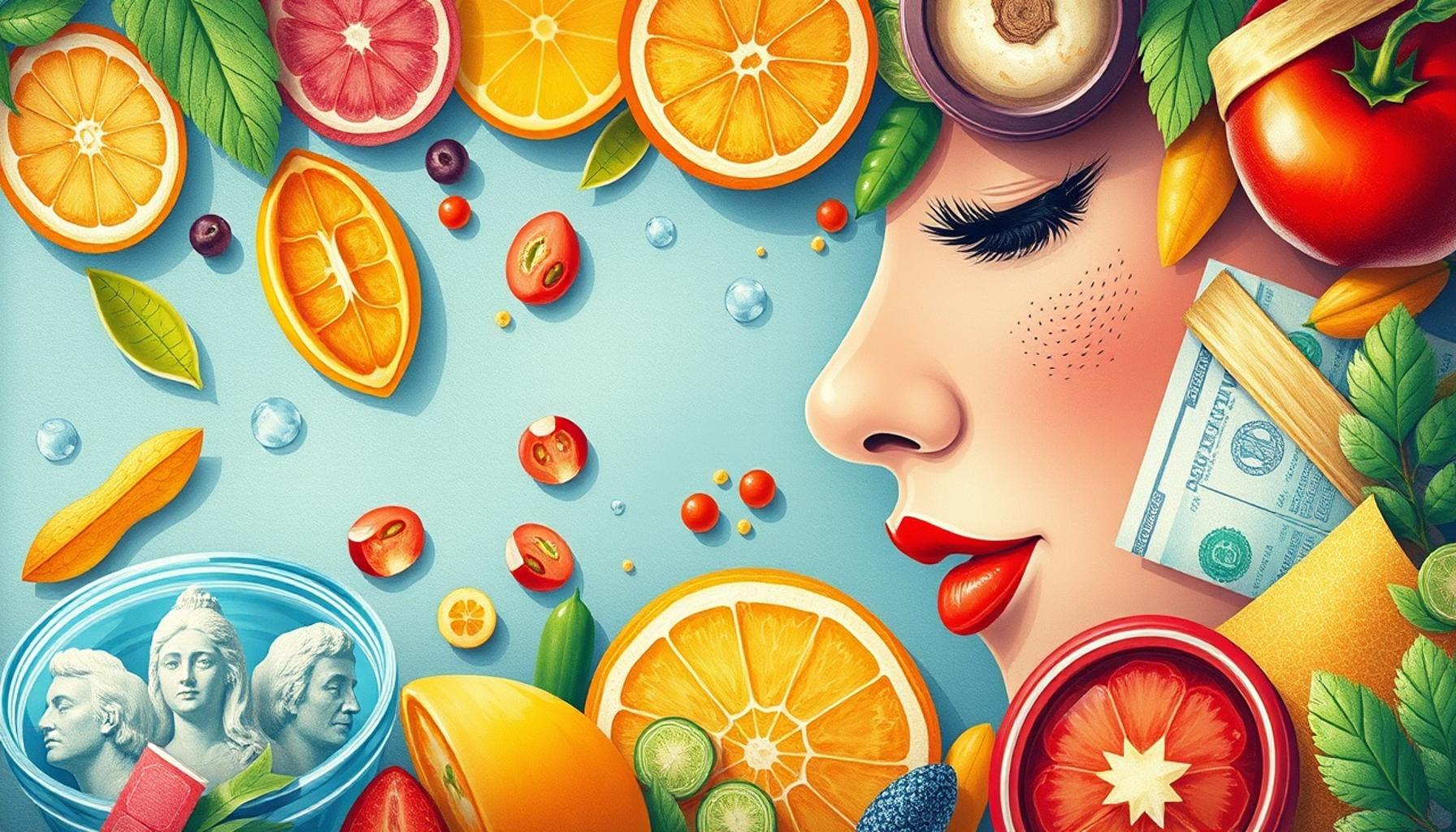
Maintaining proper skin hydration is essential for achieving a radiant and healthy complexion. Interestingly, while many focus solely on topical treatments and drinking water, the significant influence of nutrition on skin moisture levels can often be overlooked. By delving into this connection, you can unlock the secrets to not only enhancing your skin’s appearance but also boosting your overall vitality.
The Role of Nutrition in Skin Hydration
True hydration transcends the simple act of drinking ample amounts of water. Instead, your skin’s moisture levels are intricately linked to specific nutrients found in the foods you consume. Below are some key contributors to maintaining optimal skin health:
- Omega-3 Fatty Acids: These essential fats play a vital role in supporting the skin’s barrier function. Found in fatty fish such as salmon and mackerel, as well as flaxseeds and walnuts, omega-3s help to retain moisture and reduce inflammation. A deficiency in these fatty acids can lead to dryness and a compromised skin barrier, making it critical to incorporate these foods into your diet.
- Vitamins: Vitamins C and E are powerhouse nutrients for skin health. Vitamin C is known for its role in collagen synthesis, which helps maintain skin structure and elasticity, while also acting as a potent antioxidant. Foods rich in vitamin C, such as oranges, strawberries, and bell peppers, can enhance skin repair and hydration. Vitamin E, on the other hand, acts as a fat-soluble antioxidant, protecting your skin from oxidative stress. You can find it in nuts, seeds, and leafy greens.
- Antioxidants: Protecting your skin from damage caused by free radicals is crucial for maintaining hydration and overall skin integrity. Antioxidants are abundant in various fruits, vegetables, and whole grains. For example, brightly colored berries, dark chocolate, and green tea are excellent sources of these protective compounds.
Incorporating hydrating foods into your diet is equally important. Certain fruits and vegetables are not just nutritious; they are also packed with high water content, which can help quench your skin’s thirst:
- Fruits like watermelon and oranges, known for their juicy and refreshing qualities, can significantly boost hydration levels.
- Vegetables such as cucumbers, which consist of about 95% water, and carrots, rich in beta-carotene, contribute to skin health through important vitamins and hydration.
- Whole grains, like brown rice and quinoa, provide essential minerals such as zinc and selenium, which are crucial for skin repair and maintaining a vibrant appearance.
Understanding the profound impact of dietary choices on your skin can empower you to make better decisions for hydration. By embracing a balanced diet rich in essential nutrients, you not only promote a well-hydrated complexion but also reflect your overall health. The journey to glowing skin begins on your plate, highlighting the intricate relationship between what you eat and how you feel. Explore and experiment with incorporating these nutrient-rich foods into your daily meals, and see the transformative effects on your skin’s appearance and vitality.
DISCOVER MORE: Click here to uncover common hydration mistakes
Nourishing Your Skin from Within
As we dive deeper into the connection between nutrition and skin hydration, it becomes increasingly clear that the foods we consume hold the key to a well-hydrated and vibrant complexion. While many individuals may focus on applying creams and lotions, understanding the internal factors that contribute to skin moisture is equally crucial. A diet rich in the right nutrients can significantly impact your skin’s ability to retain moisture, providing a foundation for health and beauty.
Among the essential nutrients, omega-3 fatty acids stand out as major players in skin health. These fats are not just beneficial for heart health; they also serve as vital components in maintaining the integrity of the skin’s barrier. When you indulge in fatty fish like salmon or mackerel, you harness the power of these nutrients to lock in moisture and reduce inflammatory responses that can lead to dryness and irritation. For those who follow a plant-based diet, incorporating sources such as flaxseeds, chia seeds, and walnuts is a great way to ensure adequate omega-3 intake.
Equally important are the vitamins, particularly Vitamins C and E, which are crucial allies in your quest for hydrated skin. Vitamin C not only aids in the production of collagen—a protein that helps keep your skin firm and elastic—but also neutralizes harmful free radicals that can damage skin cells. By including foods rich in vitamin C, such as strawberries, citrus fruits, and broccoli, you can bolster your skin’s hydration from within. In contrast, vitamin E plays a protective role against oxidative stress, found in nuts, green leafy vegetables, and avocados. This combination fosters an environment where your skin can thrive.
The Antioxidant Advantage
In addition to vitamins, antioxidants are essential for skin health. These powerful compounds combat oxidative stress and inflammation, two prominent factors that can lead to dullness and moisture loss. Brightly colored fruits and vegetables, like blueberries, spinach, and carrots, are teeming with antioxidants that can effectively enhance your skin’s ability to retain hydration. Furthermore, some beverages like green tea and dark chocolate are not only enjoyable but also aid in protecting your skin cells from damage, thus contributing to overall hydration and luminosity.
Hydrating foods should also play an integral role in your diet. Many fruits and vegetables have high water content, making them fantastic choices to help quench your skin’s thirst:
- Watermelon is rich in both vitamins and water, making it one of the best hydrating fruits.
- Cucumbers, composed of approximately 95% water, are ideal for hydration while delivering beneficial vitamins and minerals.
- Oranges, known for their high vitamin C content, also contribute to your daily fluid intake.
Incorporating these nutrient-rich foods can empower your skin to maintain optimal hydration, embarking you on a journey toward a healthier and more radiant complexion. By understanding how your dietary choices affect skin moisture levels, you can make more informed decisions that echo a commitment to your overall well-being.
Eating a balanced diet plays a crucial role in maintaining optimal skin hydration levels. Essential fatty acids, vitamins, and minerals found in various foods contribute significantly to skin health. For instance, omega-3 fatty acids, predominantly found in fish like salmon and flaxseeds, help to strengthen the skin’s lipid barrier, preventing moisture loss. Similarly, avocados, rich in healthy fats and vitamin E, provide both hydration and antioxidant properties that protect against skin damage.Moreover, hydration is not solely dependent on topical solutions; the water content in food can also enhance skin hydration. Foods with high water content, such as cucumbers, watermelon, and oranges, help maintain optimal skin moisture levels. Additionally, certain vitamins like vitamin C, found in citrus fruits and green leafy vegetables, support collagen production, which is vital for skin elasticity and hydration.Incorporating a variety of colorful fruits and vegetables into your diet ensures an ample supply of antioxidants, which combat free radicals, thus reducing oxidative stress that can lead to skin dryness. Furthermore, hydration levels can be influenced by dietary habits, such as the consumption of excessively salty or sugary foods, which may lead to dehydration. Consequently, adopting a balanced and nutritious diet, while being mindful of hydration sources, is paramount for maintaining healthy and well-hydrated skin.To explore these nutritional elements further, we can summarize critical aspects in the following table:
| Nutritional Element | Impact on Skin Hydration |
|---|---|
| Omega-3 Fatty Acids | Strengthens skin barrier and prevents moisture loss |
| High Water Content Foods | Directly contributes to skin hydration levels |
Overall, understanding the relationship between nutrition and skin hydration not only empowers individuals to make informed dietary choices but also promotes the pursuit of natural methods for enhancing skin health.
DISCOVER MORE: Click here to learn about the impact of sleep on your skin
Hydration and Your Gut: The Skin-Microbiome Connection
Another fascinating layer to the story of nutrition and skin hydration is the dynamic relationship between your gut health and the appearance of your skin. Emerging research suggests that a healthy gut microbiome—a diverse community of microorganisms residing in your intestines—plays a pivotal role in maintaining not only overall health but also optimal skin hydration. When your gut is balanced, it can efficiently break down nutrients and facilitate their absorption, making them available to your skin.
Probiotics, often found in fermented foods such as yogurt, kefir, sauerkraut, and kombucha, are instrumental in nurturing gut health. These beneficial bacteria help in reducing inflammation, which can directly impact skin hydration levels. A study published in the *Journal of Clinical and Aesthetic Dermatology* revealed that individuals who included probiotics in their diet reported significant improvements in skin moisture and reduced symptoms of dryness. By focusing on incorporating these gut-friendly foods, you essentially foster an environment where your skin can better absorb and retain hydration.
Don’t Forget About Minerals
While vitamins and omega-3 fatty acids have taken the spotlight, minerals are also vital players in skin hydration. Zinc, for example, is crucial for the skin’s structural integrity and plays a role in wound healing, which can contribute to an even tone and texture. Foods such as oysters, pumpkin seeds, and chickpeas are excellent sources of zinc and can help to fortify your skin against moisture loss.
Additionally, magnesium is important as it supports over 300 biochemical reactions in the body, including those that maintain skin barrier function. A deficiency in magnesium can lead to increased water loss through the skin. To boost your magnesium intake, consider incorporating dark leafy greens, nuts, and whole grains into your meals.
The Role of Hydration in Nutrition
Simply focusing on what to eat isn’t sufficient; hydration itself is a critical component of skin health. Moreover, how much water you consume directly influences how well your skin can maintain moisture. The general recommendation is to drink at least eight 8-ounce glasses of water a day, often referred to as the “8×8 rule.” While individual needs may vary based on factors such as activity level and climate, a consistent intake of water is fundamental in supporting skin hydration.
Notably, some foods can also contribute to your daily hydration goals. Aside from high-water-content fruits and vegetables mentioned earlier, incorporating soups and broths can be an excellent way to boost your fluids while providing essential nutrients. Soups can be nutrient-rich, especially if they contain lean proteins and vegetables, further assisting in hydration from both food and drink.
As you explore the intricate relationship between nutrition and skin hydration, it becomes apparent that achieving a radiant complexion goes beyond topical treatments. By integrating a balanced diet, rich in omega-3 fatty acids, vitamins, minerals, and adequate hydration, you empower your body to nourish your skin from the inside out. Understanding the vital connections among these elements can pave the way for a more intentional approach to skincare and overall well-being.
DISCOVER MORE: Click here for the best sunscreen ingredients for your skin type
Wrapping Up: The Nutritional Path to Radiant Skin
In conclusion, the relationship between nutrition and skin hydration is a multifaceted one that underscores the importance of a holistic approach to skincare. From omega-3 fatty acids to essential vitamins and minerals, the foods we consume directly influence our skin’s ability to retain moisture and maintain its vitality. Furthermore, the interconnectedness of gut health and skin appearance presents a compelling argument for prioritizing a balanced diet rich in probiotics and fiber. By fostering a healthy gut microbiome, we can enhance nutrient absorption and, consequently, support skin hydration.
Moreover, adequate hydration cannot be understated; our bodies thrive on proper fluid intake, which directly impacts our skin’s moisture levels. The integration of high-water-content foods and conscientious hydration practices into daily routines amplifies these benefits. As Americans potentially embrace busy lifestyles that may promote neglect of dietary choices, understanding the profound implications of nutrition on skin health serves as a call to action.
Ultimately, achieving a glow from within involves not just external treatment, but rather a comprehensive strategy that begins at the plate. By aligning your diet with your skincare objectives, you can cultivate not only beautiful skin but also overall well-being. As you embark on this journey, consider exploring new, nutrient-dense foods and hydration strategies to discover what works best for your skin type. Your skin will thank you for it.