Topical vs. Oral Treatments for Acne: Which is the Best Option for You?
Understanding Acne Treatment Options
Acne is a common dermatological condition that affects millions of people across the United States, disrupting not only skin health but also impacting confidence and self-esteem. While the journey to clearer skin can be daunting, there are several treatment options available to help individuals manage and alleviate their acne effectively. Navigating through these choices can seem overwhelming due to the diverse array of methods available; however, understanding the differences between topical and oral treatments can provide clarity.
Topical Treatments
Topical treatments are directly applied to the skin, allowing them to target specific areas where acne appears. These treatments vary in their mechanisms of action and effectiveness. Some common examples include:
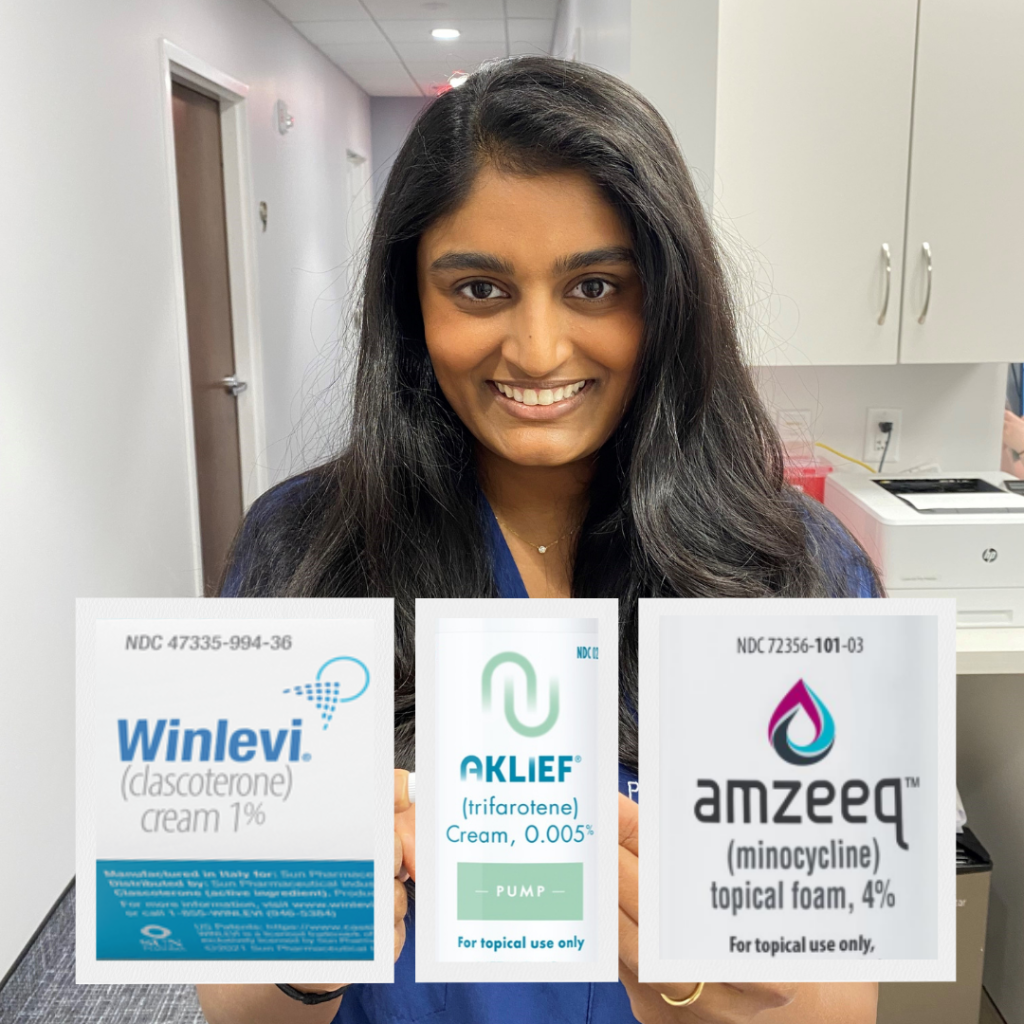
- Retinoids – Derived from Vitamin A, retinoids help to unclog pores and facilitate cell turnover, preventing future breakouts. Over-the-counter options such as adapalene are popular, while stronger prescriptions like tretinoin may be recommended by dermatologists.
- Benzoyl Peroxide – Known for its antibacterial properties, benzoyl peroxide kills acne-causing bacteria and reduces inflammation. It often comes in various formulations, including gels and creams, and is frequently found in many over-the-counter acne products.
- Salicylic Acid – This beta-hydroxy acid is celebrated for its exfoliating properties. Salicylic acid works by clearing pores and promoting cell turnover, making it particularly effective for individuals with oily skin. Many cleansers and topical treatments contain salicylic acid aimed at providing gentle yet effective care.
Oral Treatments
Oral medications are used to treat acne internally, addressing underlying causes rather than just surface symptoms. Among the most popular options are:
- Antibiotics – These medications help combat the bacteria associated with acne and can also reduce inflammation. Common examples include doxycycline and minocycline, which are often prescribed for moderate to severe cases.
- Hormonal Treatments – Hormonal fluctuations can be a culprit in acne development, especially for women. Hormonal treatments, including birth control pills, can help regulate these imbalances and subsequently reduce acne flare-ups.
- Isotretinoin – Known for its effectiveness in severe acne cases, isotretinoin is a powerful oral retinoid. While it offers significant benefits, it is typically reserved for cases unresponsive to other treatments due to its potential side effects, which necessitate careful monitoring by a healthcare provider.
Choosing the right treatment is crucial for effective management and depends on individual factors such as the severity of acne, skin type, and personal health history. As you consider these various options, it’s essential to weigh the pros and cons of each, keeping in mind your individual needs and circumstances. Discussions with a dermatologist can further illuminate the best path toward achieving clearer skin. With knowledge and the right treatment approach, individuals can hope to regain confidence and face the world with fewer worries about their skin.
DISCOVER MORE: Click here to learn about the impact of global culture on natural beauty products</
Evaluating the Effectiveness of Treatments
When it comes to treating acne, the effectiveness of a treatment can be summarized by three fundamental factors: the type and severity of acne, individual skin type, and the specific mechanisms of action within the treatment options. Understanding how topical and oral treatments function can greatly influence your decision, leading to a more tailored and effective approach.
The Mechanisms Behind Topical Treatments
Topical treatments are often the first line of defense against acne due to their direct application to the skin. Each type of topical treatment has a unique action, which can cater to different types of acne. For instance, cystic acne, characterized by painful, deep inflammation, may respond differently to topical therapies compared to milder forms like comedonal acne. Here’s a closer look at some of the benefits of topical treatments:
- Targeted Application: Topical treatments can be applied directly to the affected areas, allowing for concentrated action that can quickly reduce localized breakouts.
- Fewer Systemic Side Effects: Because they work externally, topical treatments often have fewer side effects compared to oral medications, which can impact the entire body.
- Early Intervention: For individuals experiencing sporadic breakouts, starting with topical treatments can often manage acne before it escalates, leading to quicker results.
The Broader Impact of Oral Treatments
Shifting focus to oral treatments, these medications have gained popularity for their ability to address more internal factors that contribute to acne. This option is often recommended for those struggling with persistent, moderate to severe acne that does not respond well to topical applications. Here are some crucial aspects of oral treatments:
- Systemic Approach: Oral medications tackle acne from the inside out, which can be more effective for individuals with hormonal imbalances or severe inflammation that topical remedies struggle to alleviate.
- Comprehensive Benefits: Many oral medications, such as antibiotics, not only target acne bacteria but also help to decrease overall inflammation, improving skin texture in the long run.
- Long-term Management: For conditions like hormonal acne, oral treatments might provide long-term solutions, as some medications can balance hormone levels, reducing the frequency of breakouts over time.
As you weigh the options of topical versus oral treatments for acne, it’s essential to consider these factors when determining the best choice for your unique situation. Consulting with a dermatologist will help clarify which treatment aligns with your skin’s needs, paving your way toward clearer skin. The right treatment not only addresses acne but also plays a pivotal role in restoring confidence and self-esteem.
Exploring Topical Treatments for Acne
Topical treatments have long been a cornerstone in the battle against acne. They work directly on the skin and can come in various forms such as creams, gels, and lotions. These treatments typically contain active ingredients like benzoyl peroxide, salicylic acid, or retinoids, each playing a vital role in combating the root causes of acne. One key advantage of topical treatments is their targeted action. By applying them directly to the affected areas, you’re focusing the medication right where it’s needed most, which can enhance its efficacy. Moreover, many of these products are available over-the-counter, making them accessible for anyone looking to manage their acne without a prescription. However, topical treatments also come with their considerations. Individuals may experience side effects such as dryness or irritation, particularly when starting a new product. This necessitates a careful selection process to find the most suitable option that aligns with skin type and severity of acne.
Understanding Oral Treatments for Acne
On the other side of the equation, oral treatments provide a different method of tackling acne. Commonly prescribed medications include antibiotics, hormonal therapies, and isotretinoin for severe cases. The advantage of these treatments lies in their systemic approach, addressing acne from within the body rather than just the surface.Oral treatments can be particularly effective for individuals with widespread acne or hormonal imbalances. They can not only help reduce the number of breakouts but also improve overall skin health by balancing the body’s internal processes. However, potential side effects such as digestive issues or mood changes are important considerations that warrant discussion with a healthcare provider.As we weigh the options between topical and oral treatments, it’s essential to consider individual skin types, severity of acne, and personal preferences. This ultimately guides one to the most suitable choice for effective acne management.
Benefits of Combination Therapy
Interestingly, many dermatologists recommend a combination of both topical and oral treatments for optimal results. Utilizing both methods can maximize effectiveness, particularly in stubborn cases, providing both immediate and long-term solutions. The synergy of these treatments can help clear existing breakouts while also preventing new ones from surfacing, offering a comprehensive approach to acne management.
DISCOVER MORE: Click here to unveil youthful skin secrets
Considering Side Effects and Long-term Commitment
Choosing between topical and oral treatments for acne often extends beyond their effectiveness. Understanding the potential side effects and long-term commitments associated with each option can help you make an informed decision tailored to your personal situation.
Side Effects of Topical Treatments
While topical treatments are generally well-tolerated, they are not without their drawbacks. The local nature of these applications means that skin irritation is a potential concern. Here’s a closer examination of commonly reported side effects:
- Skin Sensitivity: Products containing active ingredients like benzoyl peroxide, salicylic acid, or retinoids can lead to redness, dryness, and peeling, particularly when initiating treatment.
- Allergic Reactions: In some instances, users may experience an allergic reaction to specific components in the formulation, demonstrating the importance of performing patch tests before fully integrating a new product.
- Sun Sensitivity: Certain topical treatments may increase susceptibility to sunburn, necessitating diligent use of sunscreen to protect the skin.
Navigating Oral Treatment Side Effects
On the other hand, oral treatments come with a broader range of systemic side effects since they interact with the body’s internal systems. Understanding these implications is crucial:
- Gastrointestinal Issues: Common oral acne medications, like antibiotics, can upset the stomach, leading to symptoms such as nausea, diarrhea, and abdominal pain.
- Hormonal Fluctuations: Medications such as hormonal contraceptives can alter hormone levels, potentially leading to mood swings, weight changes, and even alterations in menstrual cycles.
- Long-term Risks: Prolonged use of medications like isotretinoin can lead to severe side effects, including liver damage and potential teratogenic effects. It’s critical to undergo regular monitoring through blood tests while on these medications.
The Importance of Long-term Strategies
An often-overlooked factor in the acne treatment conversation is the commitment required for long-term success. Acne is a chronic condition for many, necessitating a strategy that may include lifestyle changes, skincare routines, and possibly ongoing maintenance treatments. Here’s how each approach can play a role:
- Topical Treatments: These can often become part of a daily skincare routine, with products adjusted over time to address varying skin conditions and changes in acne severity.
- Oral Treatments: Although some oral medications offer quick relief, they may require ongoing management and healthcare provider consultation to determine the appropriate duration and dosage to minimize side effects while maximizing benefits.
- Combination Approaches: For many, a combination of both topical and oral treatments proves to be the most effective strategy. This holistic approach can tackle both external and internal factors contributing to acne, indicating the importance of a tailored treatment plan.
Identifying the right course of action involves weighing these factors carefully. Factors such as lifestyle, skin type, and personal comfort with side effects should all play a role in your decision-making process. Engaging in open discussions with healthcare professionals will further equip you with the knowledge needed to pursue clearer skin.
DIVE DEEPER: Click here to discover the latest trends
Conclusion: Finding Your Path to Clearer Skin
In the quest for effective acne treatment, understanding the nuances between topical and oral treatments for acne is essential. Each approach possesses its own distinct set of advantages and challenges, making personalization key to achieving optimal results. Topical treatments like gels and creams offer targeted effects and can be seamlessly integrated into daily skincare regimens; however, they may precipitate local side effects such as irritation and sensitivity. In contrast, oral treatments, such as antibiotics and hormonal medications, provide systemic benefits but introduce a broader spectrum of potential side effects and necessitate long-term management.
Ultimately, the decision should reflect not just the severity of your acne, but also your lifestyle, skin type, and comfort level with various side effects. Engaging in proactive discussions with healthcare providers can illuminate potential pathways, and many individuals may find that a combination approach, incorporating both topical and oral treatments, serves as the most effective strategy. This dual-method approach allows treatment to combat acne on both external and internal fronts, offering a more holistic solution.
As you navigate your treatment options, remember that patience is crucial in the pursuit of clear skin. Acne is a complex condition that often requires ongoing commitment and adjustments. With informed decisions, you can successfully create a tailored acne treatment plan that enhances not only your skin’s appearance but your overall well-being as well. Your journey toward clearer skin is uniquely yours—exploring these options will empower you to take control and achieve the best results possible.